

The Haud Almanack: September Events
The antlers at Abbots Bromley are older than the Norman Conquest and the skill that mounted them is on the Red List. Eight customs for September, from Braemar to the Cotswolds.
September front-loads the craft calendar. Inside the first eight days the Mayor of Colchester will have drunk gin and eaten gingerbread over the season's first oysters, the royal party will have taken its seats at Braemar, sixty men in clogs will have hauled sixteen feet of thatched rushes across Calderdale, and twelve people in a Staffordshire village will have carried a set of reindeer antlers older than the Norman Conquest ten miles round the farms. Then the month calms down. The back half belongs to sheep on a Sussex green, apples thrown from a cart in West Cumbria, and a Cotswold congregation holding hands in a ring around their church.
Eight this time, which is more than usual, because the month earns it.
Last month I wrote about things made in order to be burnt, and how they leave nothing behind for anyone to learn from. September's lead is the opposite case, and I find it stranger. At Abbots Bromley the object has outlived everyone. The antlers are older than the church they are kept in, and the dance has passed for a thousand years between people who never met the person who made them. You would think that having the thing itself would keep the skill safe. It has not. Horn and antler working is Endangered on the Heritage Crafts Red List, with somewhere between eleven and twenty people in Britain making their living from it. The horns will go out on the seventh, as they always do. The skill that made them is the thin part.
ABBOTS BROMLEY HORN DANCE
Abbots Bromley, Staffordshire. Monday 7 September, from 8am until about 8pm.
The date is a formula, and people get it wrong every year: the Monday after the first Sunday after the fourth of September, which is Wakes Monday, and which this year falls on the seventh. At eight in the morning six men collect six sets of reindeer antlers from the Hurst Chapel of St Nicholas's church, each set mounted on a carved wooden deer's head on a short pole, and they set off. With them go a Fool in motley, a Hobby Horse, Maid Marian (played by a man, always), a boy with a bow and arrow, an accordion player and a boy on the triangle. Twelve in all. They dance in the village first, then walk out to the farms: Yeatsall mid-morning, Admaston over the reservoir, lunch at Blithfield Hall around midday, back by the Rugeley road in the afternoon. About ten miles. The horns are returned to the church for Compline at a quarter past eight. The dance itself is not complicated. The antlers face each other in two lines, advance, retire, and pass through, lowering and raising the horns as they go. There has never been an agreed tune. Cecil Sharp published one, a later scholar doubted it, and at various times they have danced to country-dance airs and to Yankee Doodle.
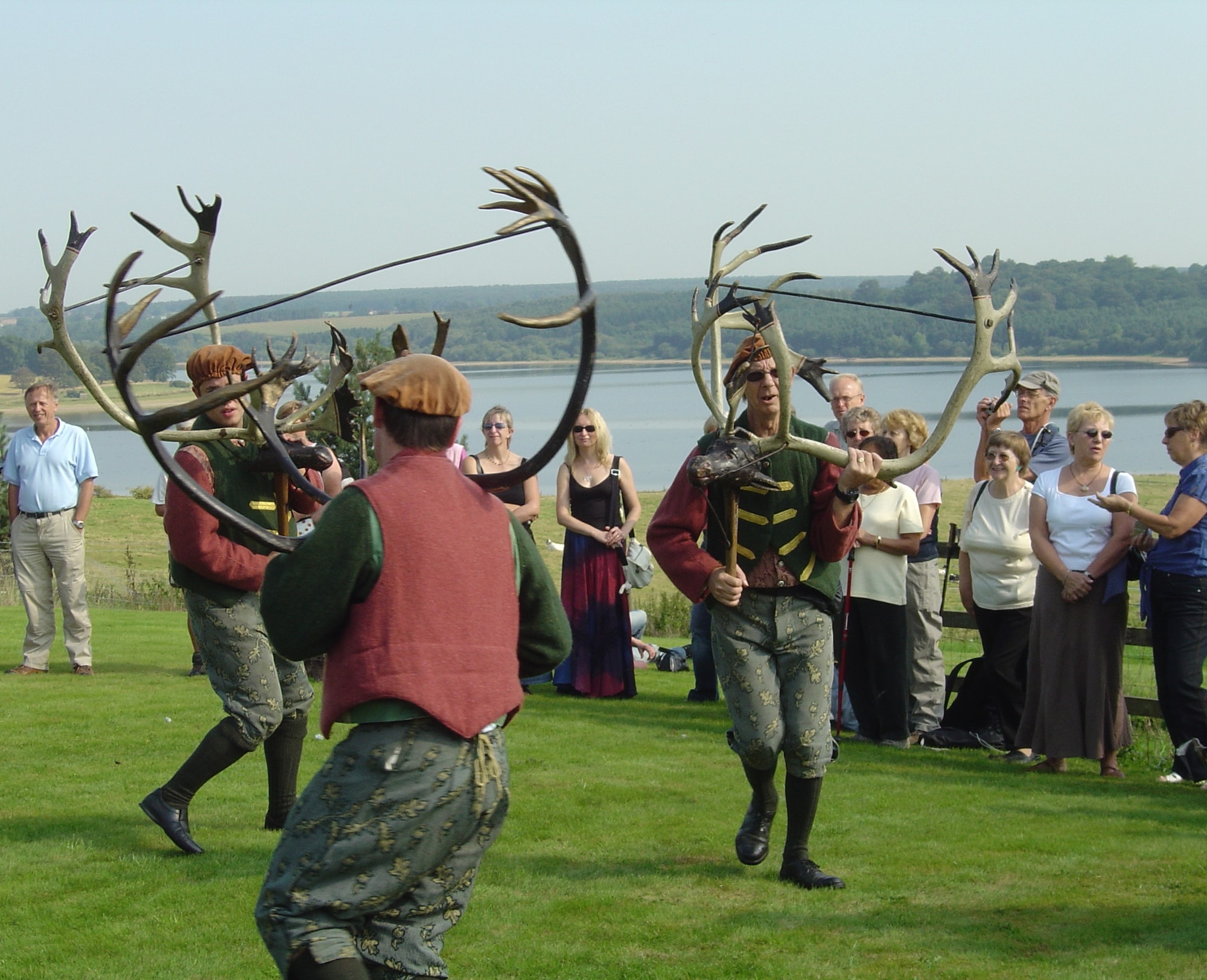
The antlers are the thing. In 1976 one of them was radiocarbon dated to 1065, give or take eighty years. There were no reindeer in Britain then, so somebody imported them, most likely from Scandinavia, for a purpose we can only guess at. The largest set is 101 centimetres across and weighs twenty-five and a half pounds; the smallest is 77 centimetres and a little over sixteen. Three sets are painted white with brown tips, three brown with gold tips. Robert Plot described the dance in his Natural History of Staffordshire in 1686, and a note in one copy records that it was seen before the Civil War; the hobby horse turns up in a record of 1532. The antlers have been kept in the church since 1820, first in the tower and since 1927 in the chapel. In the nineteenth century the dancers were bribed to bring the horns to Burton-upon-Trent, got drunk, and had a set stolen. That is the whole of the known biography of the oldest working prop in Europe.
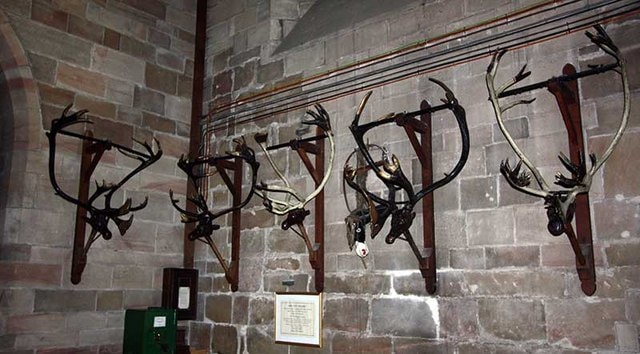
Here is what I keep turning over. Bartle, in Wensleydale, is built and burnt every August, so nothing survives and the skill lives only in a person. Abbots Bromley has kept the artefact intact for a thousand years, and the skill went anyway. Horn, antler and bone working sits on the Red List as Endangered: between eleven and twenty horn workers earning their main income from it, plus a scatter of stick-dressers and knife-makers using antler for handles. The threats are not the ones you would expect. British cattle are de-budded now, so there is far less horn than there was; the ram's horn that stick-makers and spoon-makers depend on is being bred out by selective breeding; and, in the Red List's own phrase, horn workers do not come off the shelf. There are no transferable skills from any other trade, so training is on the job and takes years. Abbeyhorn at Holme in Lancashire is the last firm of any size. The antlers at Abbots Bromley were shaped, drilled and mounted by someone. Nobody now alive could tell you how long it took him.
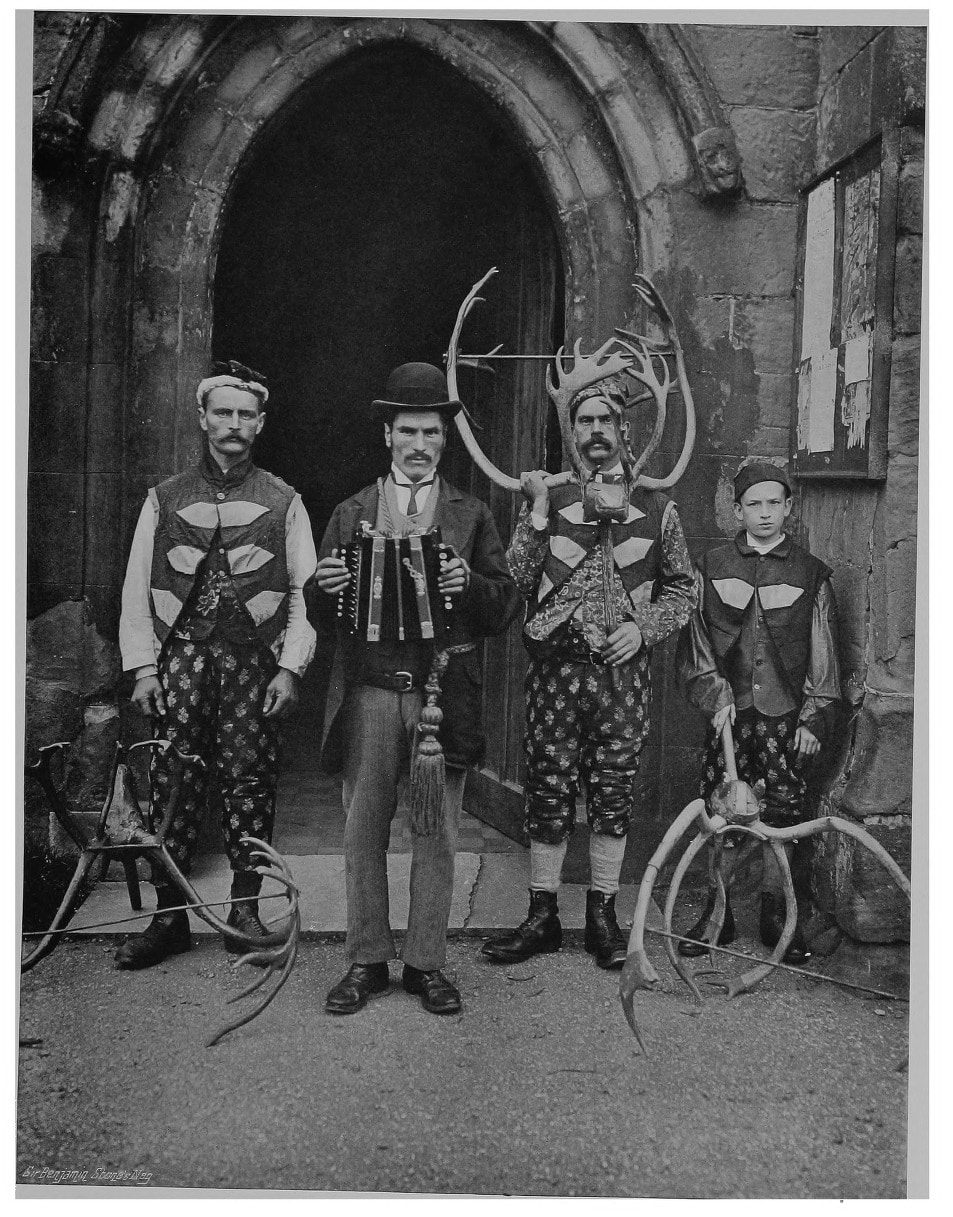
If you go: be at the church for eight, when the horns come out, or at Blithfield around midday, and then be back in the village for the evening, when they come down the street with the light going and the dancers have ten miles in their legs. Take a coat. The middle of the day is a long way from the village centre, and the dancers do not wait.
BRAEMAR GATHERING
Braemar, Aberdeenshire. Saturday 5 September.
The one everybody has heard of. In its present form since 1832, with the reigning monarch in the stand more or less every year since Queen Victoria came in 1848, and a crowd that fills the Princess Royal and Duke of Fife Memorial Park from the hills down. Caber, hammer, the hill race up Morrone, massed pipe bands, Highland dancing. You know the shape of it.
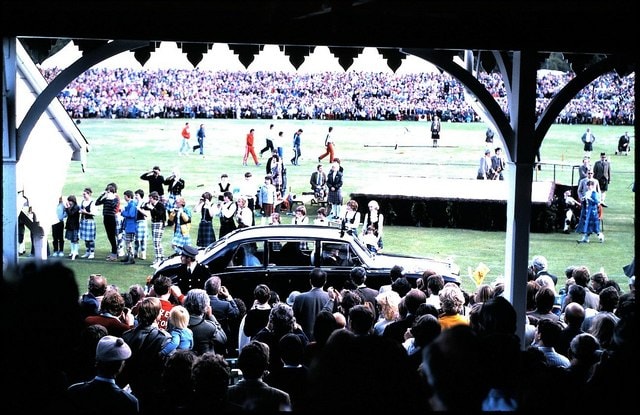
Watch the clothes. Every pleated kilt on that field was made by somebody, and the odds are that neither the wearer nor you could name them, because kilts are sold through retailers and the maker's name never reaches the label. Kilt making is Endangered on the Red List, with eleven to twenty people earning their main living from it. The makers are self-employed and cannot afford to take on apprentices; the trade has drifted to machine-made and imported kilts; some experienced makers gave up during the pandemic and did not come back. Sporran making is Endangered too, another eleven to twenty, undercut by cheaper pouches made overseas for the tourist trade, with gaps opening in the supply of the leather and the fittings. The pipes are the one bit of good news: Highland pipe making is rated viable for now, though the Northumbrian smallpipes down the road have no full-time maker left at all. So the picture at Braemar is roughly this. The instrument is fine. The dress it is played in is not.
SOWERBY BRIDGE RUSHBEARING
Warley to Ripponden, Calderdale, West Yorkshire. Saturday 5 and Sunday 6 September, from 10am both days.
A cousin of the Saddleworth cart I wrote about in August, over the hill in the next valley, and this year it is the fiftieth. Sowerby Bridge revived its rushbearing in 1977 and has built the cart every September since: sixteen feet high, two wheels, thatched with rushes over a week of work, and pulled by sixty local men in white shirts, black trousers, Panama hats and clogs, with a team of women taking turns to ride on top. It goes through seven towns and villages over two days, stopping at every church, pub and cricket club on the way, with morris sides, mummers and brass at each halt. Saturday starts at St John's, Warley, at ten and ends at the canal basin around half past five. Sunday starts at St Peter's, Sowerby, just before ten and ends at St Bartholomew's, Ripponden, at a quarter to five. The whole thing has raised more than £23,500 for local charities over the years, and the organisers intend this one to be the biggest yet.
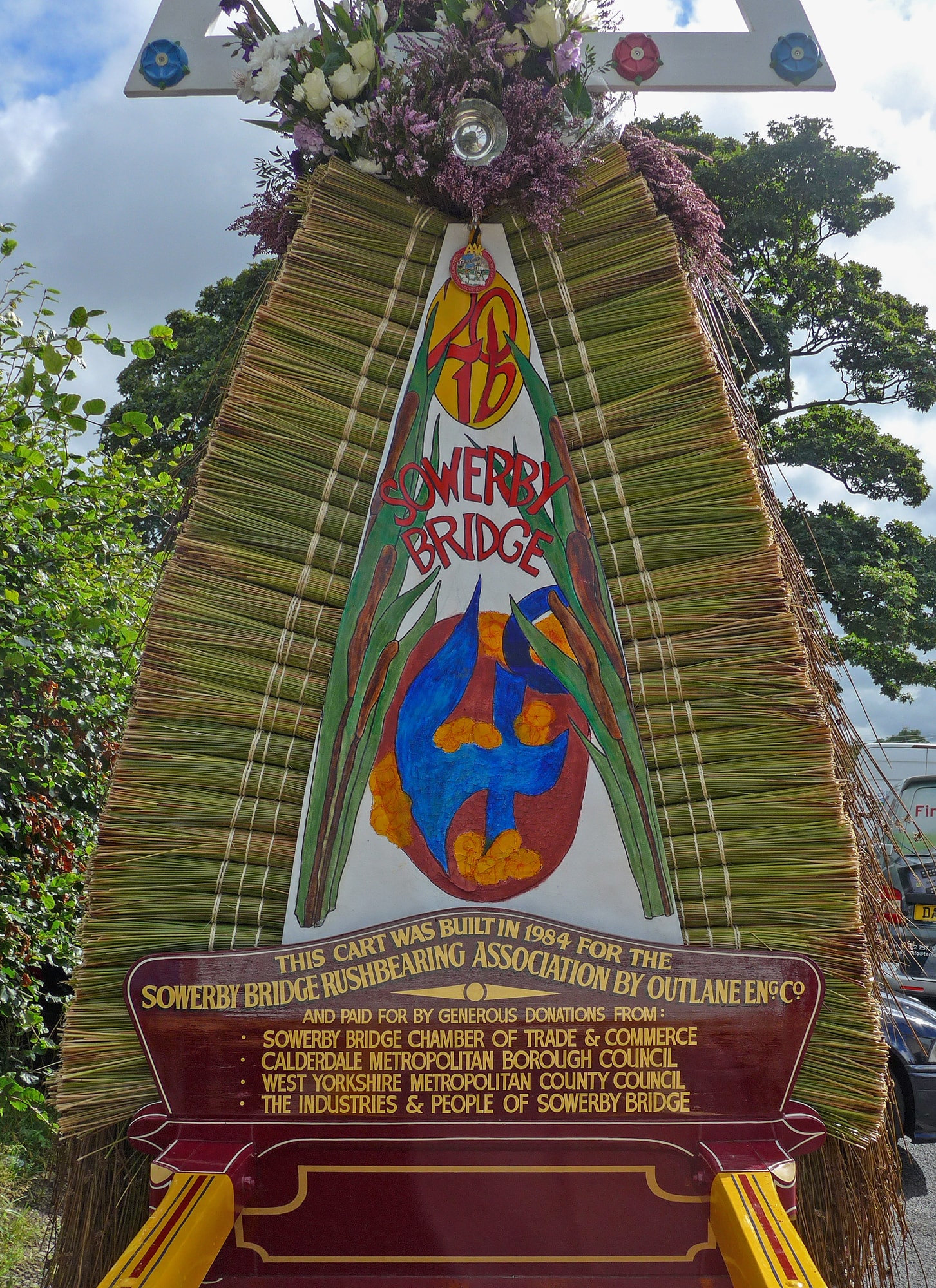
Sixty men, sixty pairs of clogs. Clog making is Critically Endangered on the Red List, which is the category above Endangered and one below extinct. Two people in Britain still carve a clog sole entirely by hand, Jeremy Atkinson in Herefordshire and Geraint Parfitt in Cardiff; two more, in Sheffield and West Yorkshire, rough the sole out on a bandsaw and finish by hand. That is the trade. The soles cannot compete on price with machined standard sizes, the right leather is hard to find, and the irons and lasts that go with them are harder still. The clogs on the road at Sowerby Bridge will mostly be old ones, kept going. Which is its own kind of answer, and not a bad one, but it is not a supply.
FINDON SHEEP FAIR
Nepcote Green, Findon, West Sussex. Saturday 12 September, from 10am. Free entry.
A charter allowed a three-day fair at Findon in 1261, and for most of the centuries since it was one of the great sheep fairs of the South Downs. More than fifteen thousand sheep were auctioned on the green in its heyday; the number fell to three thousand and then the auction stopped altogether. From 1925 the flocks were driven over the downs to Steyning station. Then the line closed and the lorries took over, and the sheep no longer arrived on foot. The breed changed as well, from almost all Southdowns to whatever the farms now keep. What is left is a show: judging classes, introduced in 2010 and growing, with more than 250 sheep from nearly fifty farms across the south of England, a barn dance in the marquee on the Friday night, Sompting Village Morris on the day, and up to seven thousand people on the green.
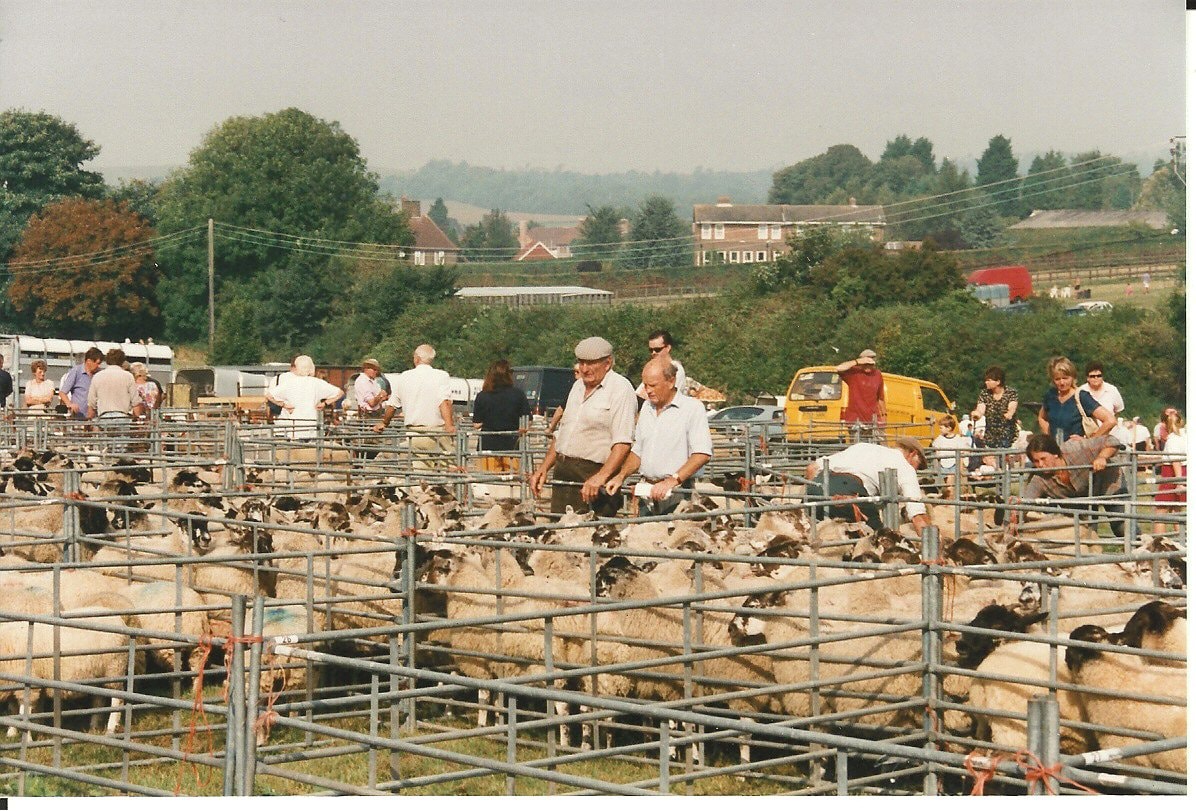
Look at the pens. The village history records that the oak hurdles were replaced by chestnut, and the chestnut by galvanised metal, which was more hygienic. Each of those changes put a hurdle maker out of work. The wattle hurdle is the Downland shepherd's basic object, along with the crook, and a sheep fair on a village green is one of the last places you might see a proper one holding a proper flock. If anyone at Findon is still making them, I would like to hear.
EGREMONT CRAB FAIR AND WORLD GURNING CHAMPIONSHIPS
Egremont, West Cumbria. Saturday 19 September. Fair from 10am, apples at noon on Main Street, gurning at the Market Hall from 6pm.
Thirteenth-century, chartered in 1267, and not missed a year outside the two world wars. The crab is a crab apple, in season now, though the apples thrown from the cart at noon are ordinary eaters these days. There is a greasy pole, Cumberland wrestling, hound trails, and on the Friday night pipe smoking, dialect singing and hunting-horn blowing, which tells you the sort of town it is. Then at six the Market Hall opens and the gurning starts: competitors pull the most hideous face they can while framed in a braffin, a leather horse collar. Tommy Mattinson holds the Guinness record with nineteen men's titles. The reigning champions are Ryan Barton and Lynn Proctor.
Nobody in the hall is looking at the collar. It is a piece of harness, padded and stitched, the kind a working horse wore into a shaft every day of its life, and it has become the frame for the one moment of the year when the whole room looks at a face. That is a fairly good description of what happens to craft objects generally once the work they were made for goes. They become the frame.
PAINSWICK CLYPPING
Painswick, Gloucestershire. Sunday 20 September, service at 3pm.
The Sunday on or after the nineteenth of September, in the churchyard of the ninety-nine clipped yews. A procession goes round the churchyard with the Salvation Army band, crosses and banners, and then the congregation joins hands, forms a ring around St Mary's, and sings the Clypping hymn. Clyppan is Old English for embrace. It was revived in Victorian times and nobody knows when it began. Afterwards the children get a bun and a coin in the church. The Painswick Feast that goes with it used to serve puppy dog pie, a raised pie said (by a story nobody quite believes) to have been baked with a small china dog inside; the filling now is beef, and the china dog optional.
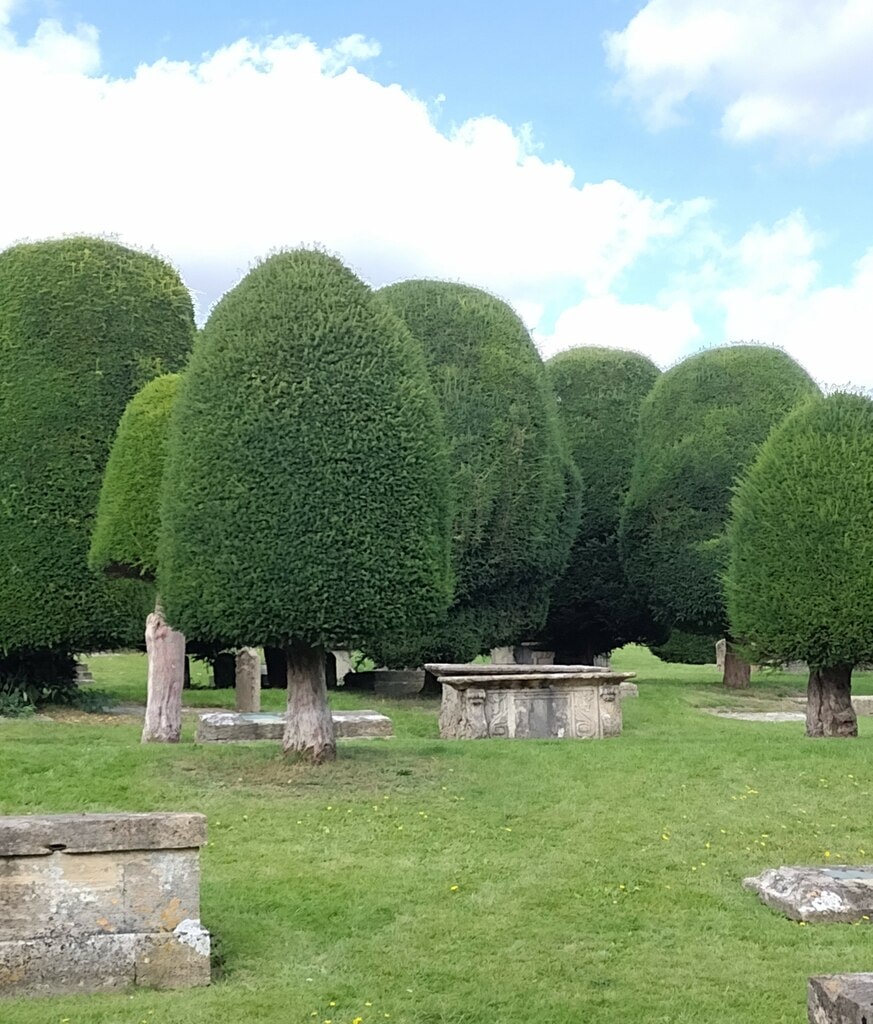
There is no craft in it, and I am not going to force one. It is a village holding hands round a building because they like it. Some months that is enough.
WHAT'S ON
Three for the diary.
Colchester Opening of the Oyster Fishery
East Mersea, Essex. Friday 4 September.
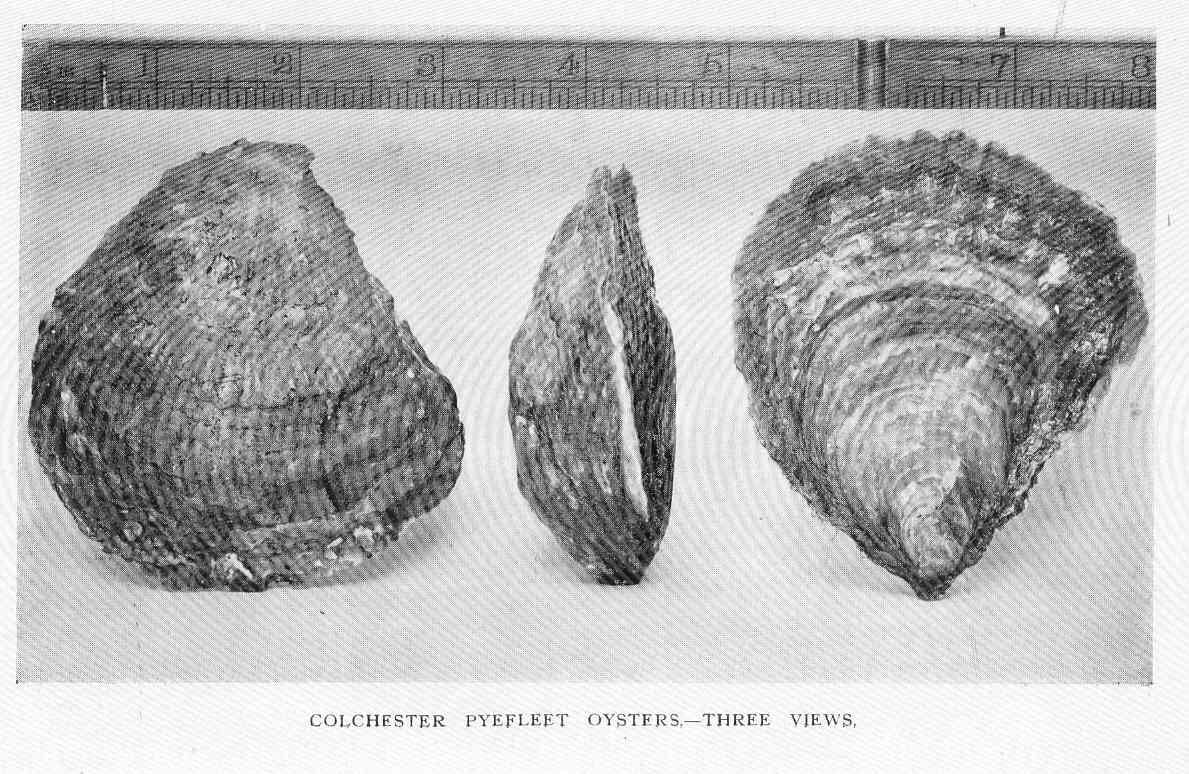
By the time you read this it will probably have happened. On the first Friday in September the Mayor of Colchester, the Town Serjeant and the council's chief executive go out in full regalia (aboard an oyster dredger when the tide allows, this year on the fishery's terrace above Pyefleet Creek), lift the first oysters of the season, read a proclamation, drink the loyal toast in gin and eat gingerbread. The fishery was granted to the town by Richard I in 1189, the ceremony is recorded from 1540, and the Romans were taking oysters out of the Colne before either.
Widecombe Fair
Widecombe-in-the-Moor, Dartmoor, Devon. Tuesday 8 September, from 9am.
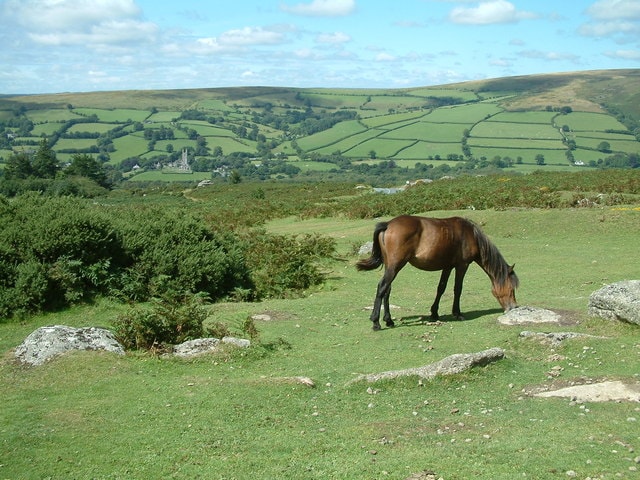
The fair of the song, still on a Tuesday, still on the moor. Sheep and pony classes, the Dartmoor Hill Pony Display Team, rural craft demonstrations, a fell race, terrier racing, morris, and Tom Pearce's grey mare acted out with a real horse. Twelve pounds on the gate last year, parking included.
Michaelmas
Everywhere and nowhere. Tuesday 29 September.
Not an event, a hinge. One of the four quarter days, when rents fell due and servants were hired, and the traditional day for goose, which is why the goose fairs cluster round it. The Michaelmas daisy is out. And the old rule is that you do not pick blackberries after Old Michaelmas, the tenth of October, because the Devil fell into a bramble when he was thrown out of heaven and spat on the fruit. Worth respecting on a purely practical basis; they are mush by then anyway.
- 1
Colchester Opening of the Oyster Fishery
East Mersea, Essex, Friday 4 September
- 2Braemar Gathering
Braemar, Aberdeenshire, Saturday 5 September
- 3Sowerby Bridge Rushbearing
Sowerby Bridge, West Yorkshire, Saturday 5 and Sunday 6 September
- 4Abbots Bromley Horn Dance
Abbots Bromley, Staffordshire, Monday 7 September
- 5Widecombe Fair
Widecombe-in-the-Moor, Devon, Tuesday 8 September
- 6Findon Sheep Fair
Findon, West Sussex, Saturday 12 September
- 7Egremont Crab Fair and World Gurning Championships
Egremont, Cumbria, Saturday 19 September
- 8Painswick Clypping
Painswick, Gloucestershire, Sunday 20 September
Deeside, Calderdale, Staffordshire, the Downs, West Cumbria and the Cotswolds, and an oyster creek in Essex. If you get to Abbots Bromley, I want to know what the antlers look like close to, and whether anyone there can tell you who mounted them.
Rosie