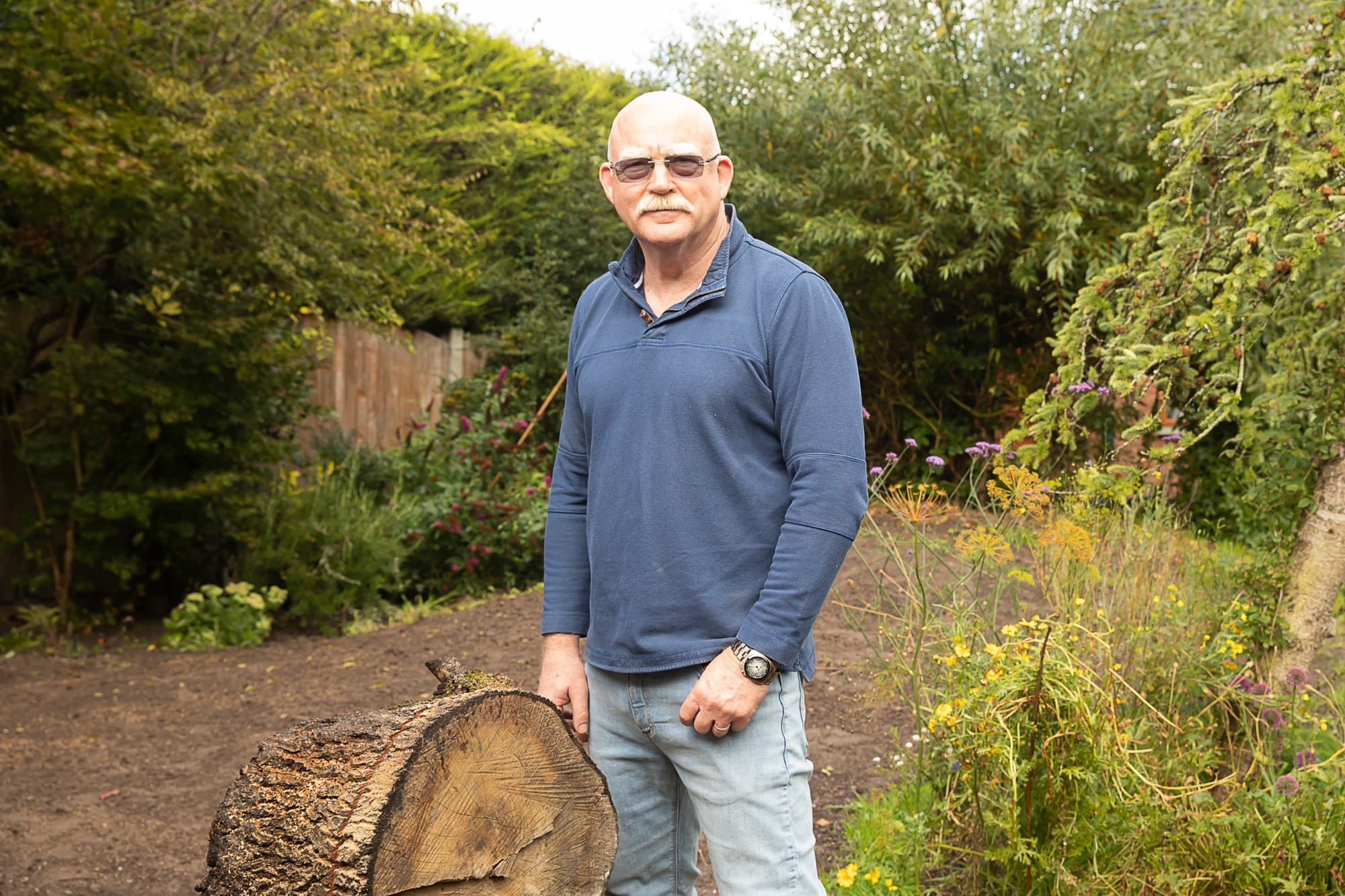
“Narratives driven by current existential issues inspire me, especially if they enable me to poke a finger in the eye of authority.”
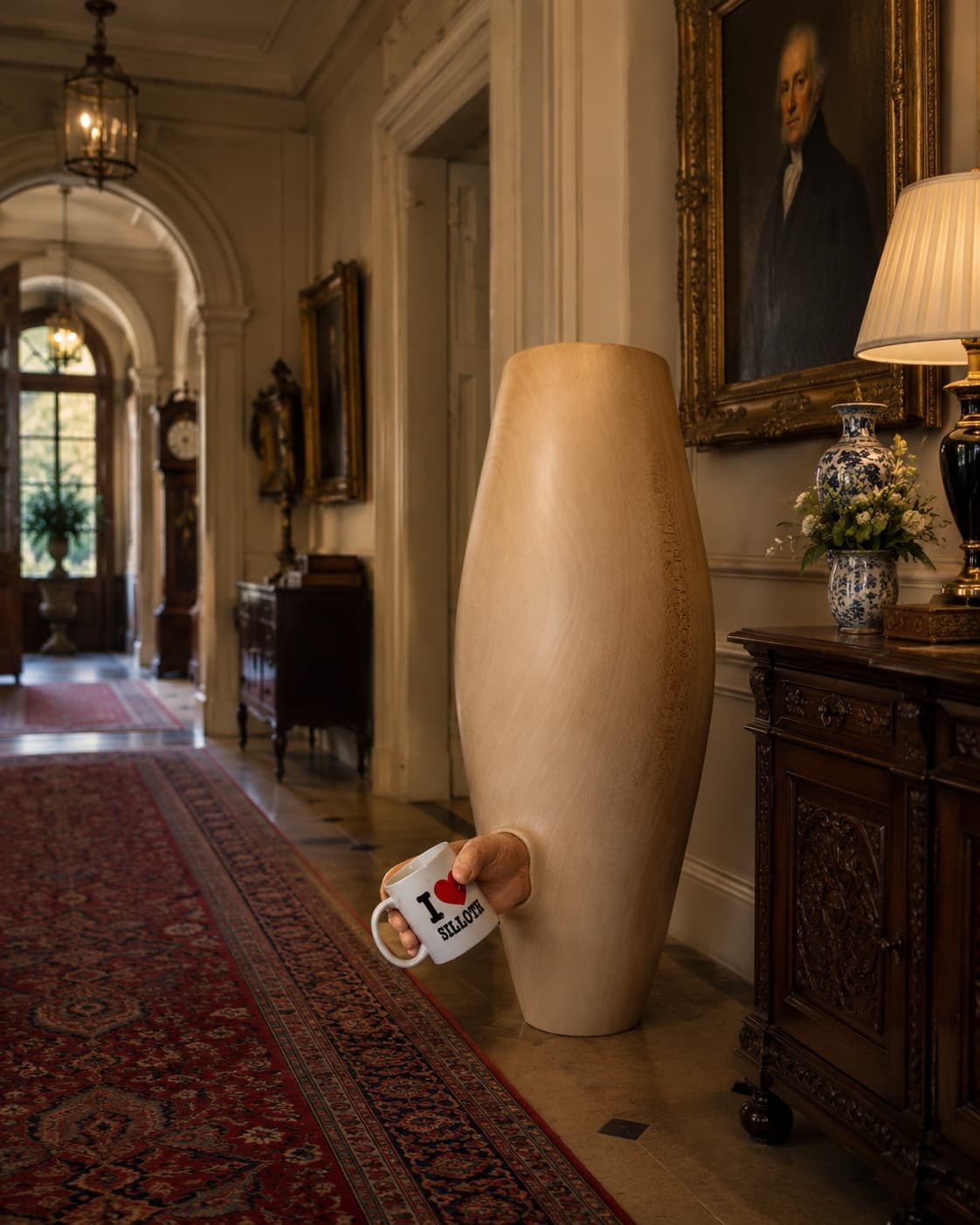
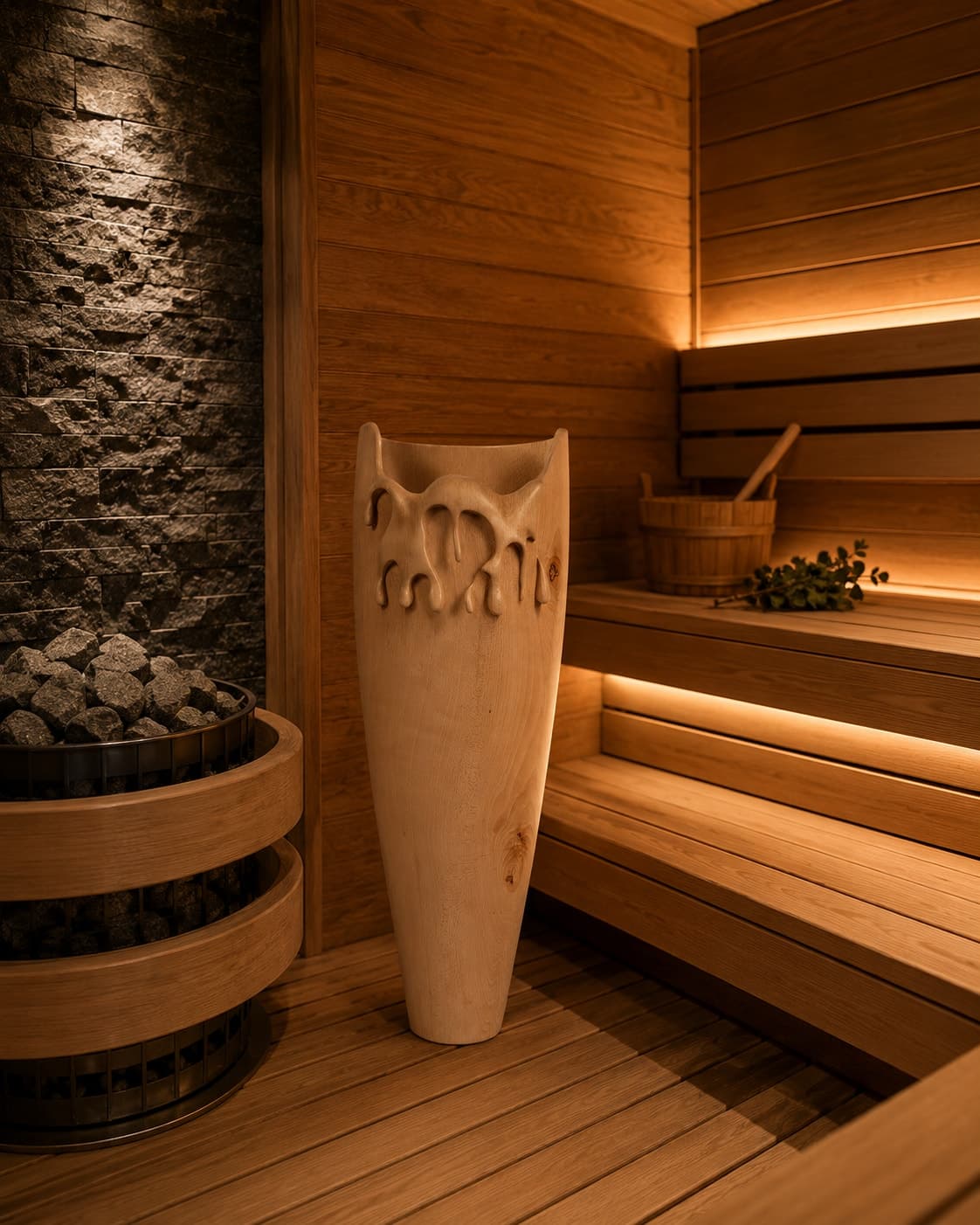
Greg enjoys working to and interpreting a clients brief. Whether it be a statement piece for someone's home or a vessel for a hallway, a hotel lobby or an office reception.. Prices are on application, quoted on the size, the wood and what you want the piece to say. Allow three to four months.
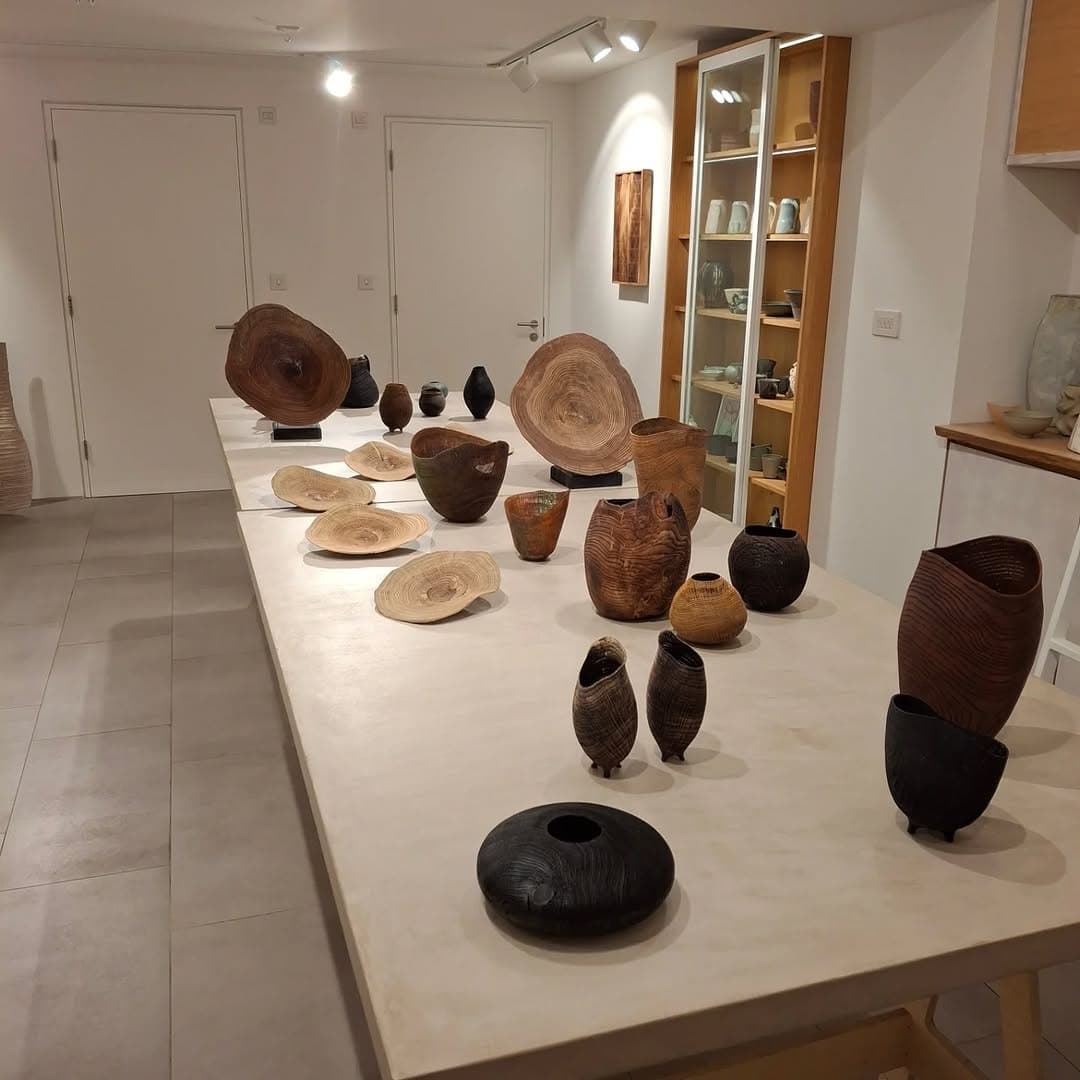
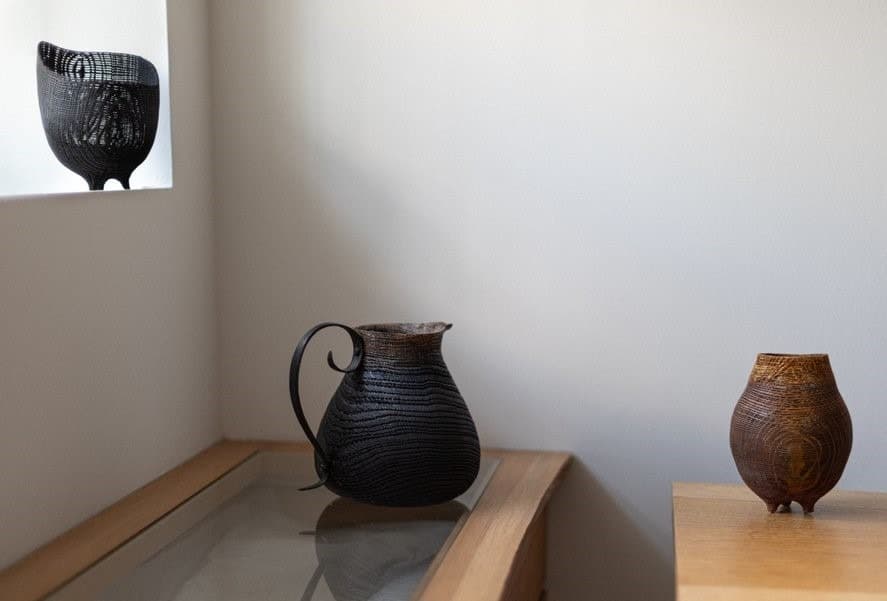
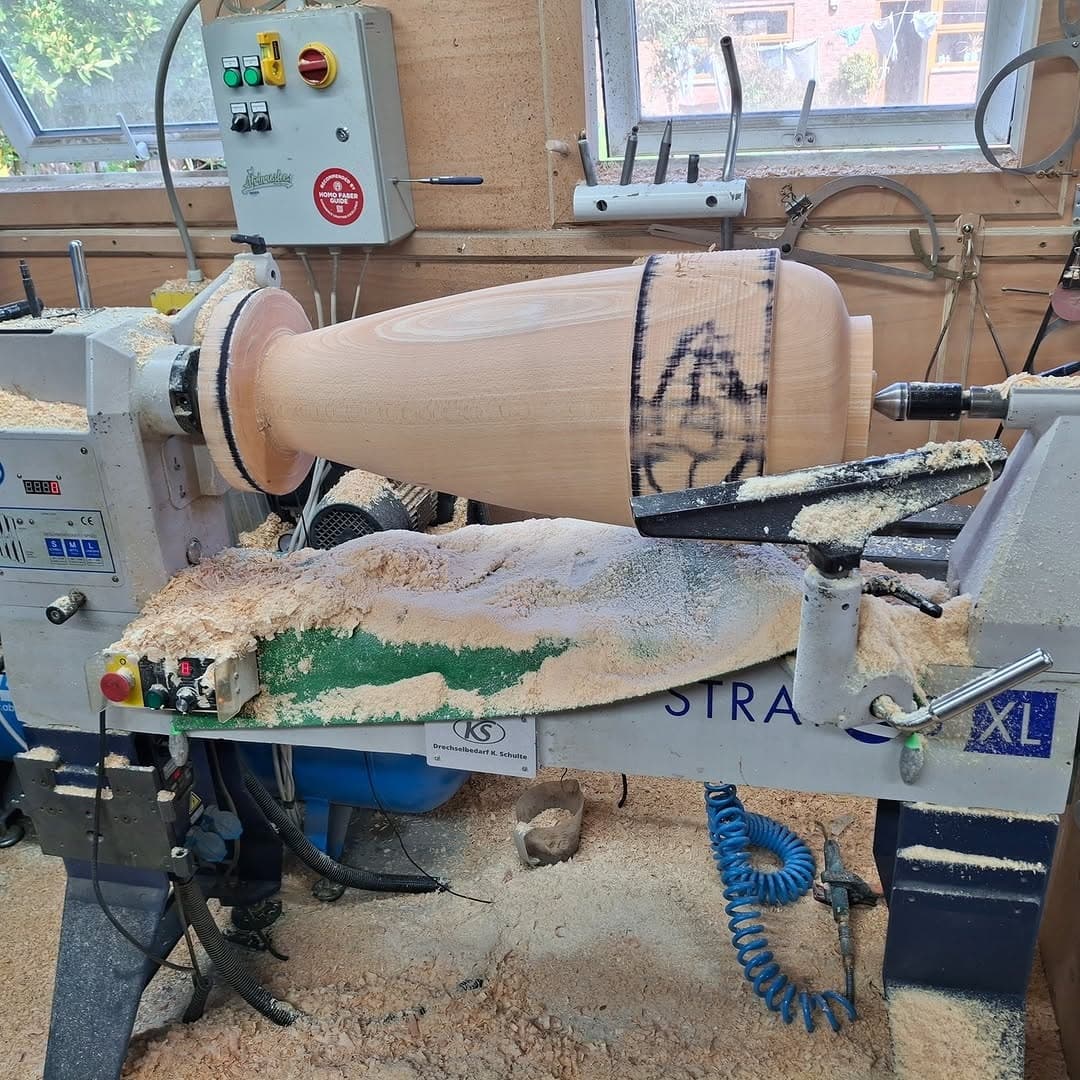
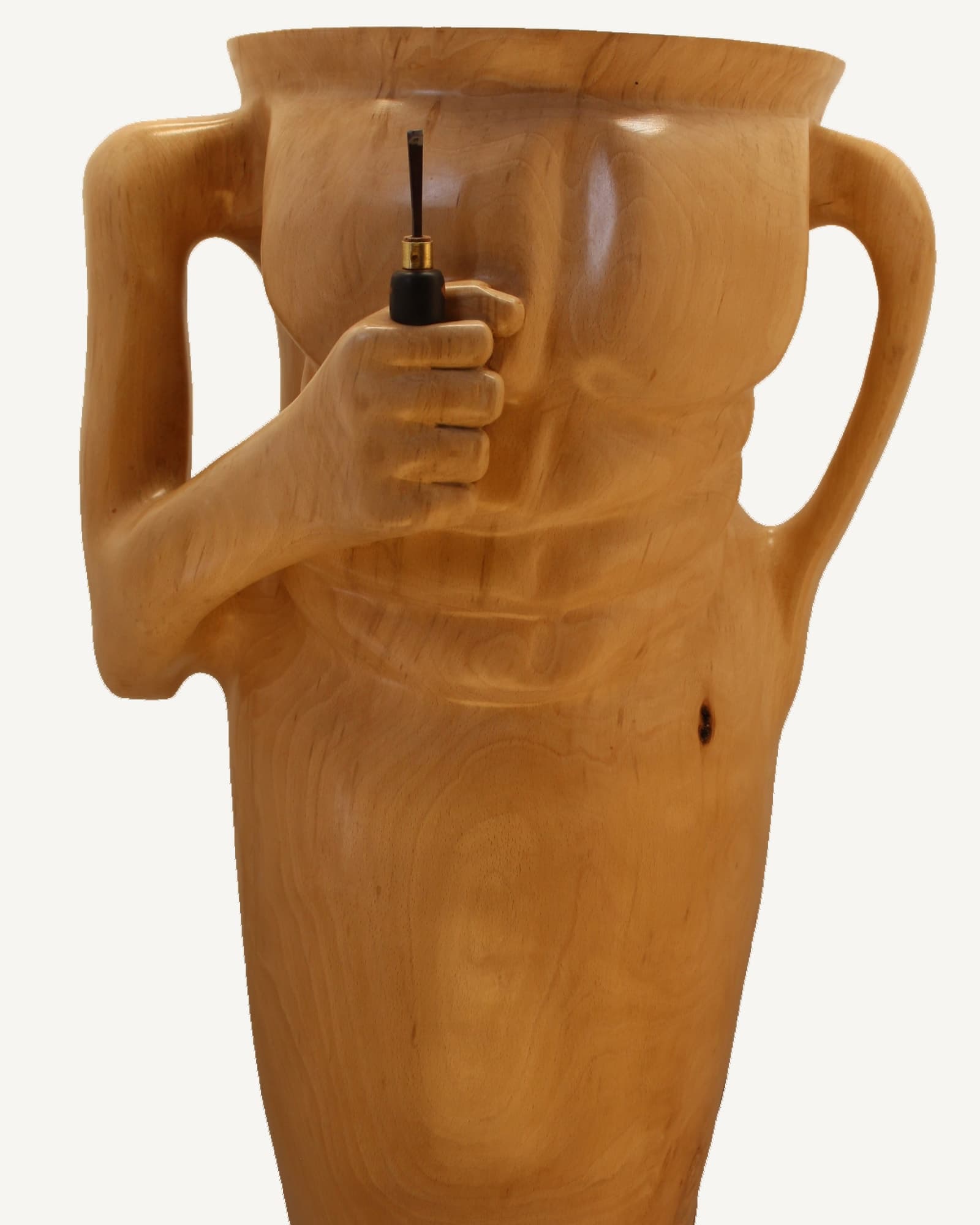
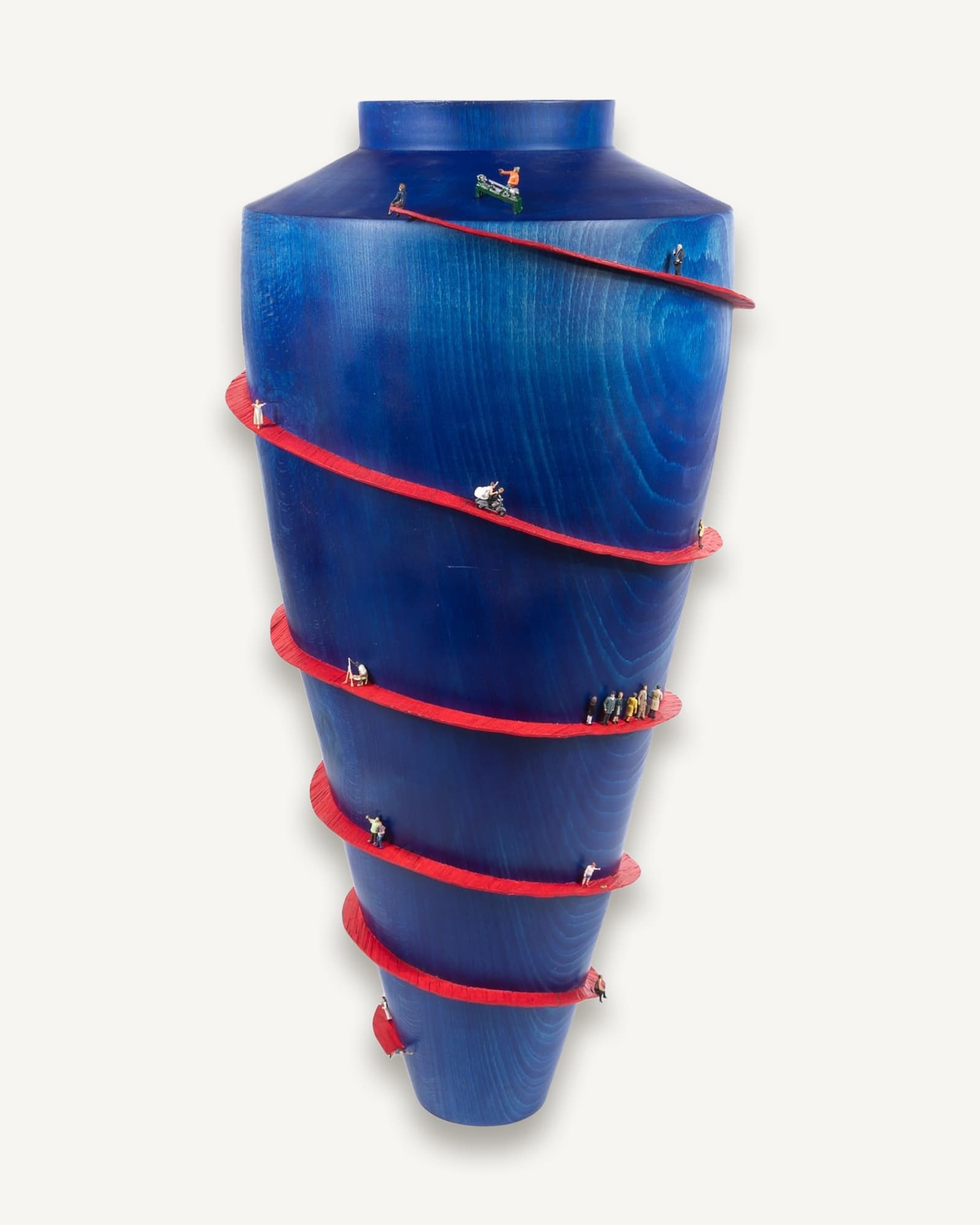
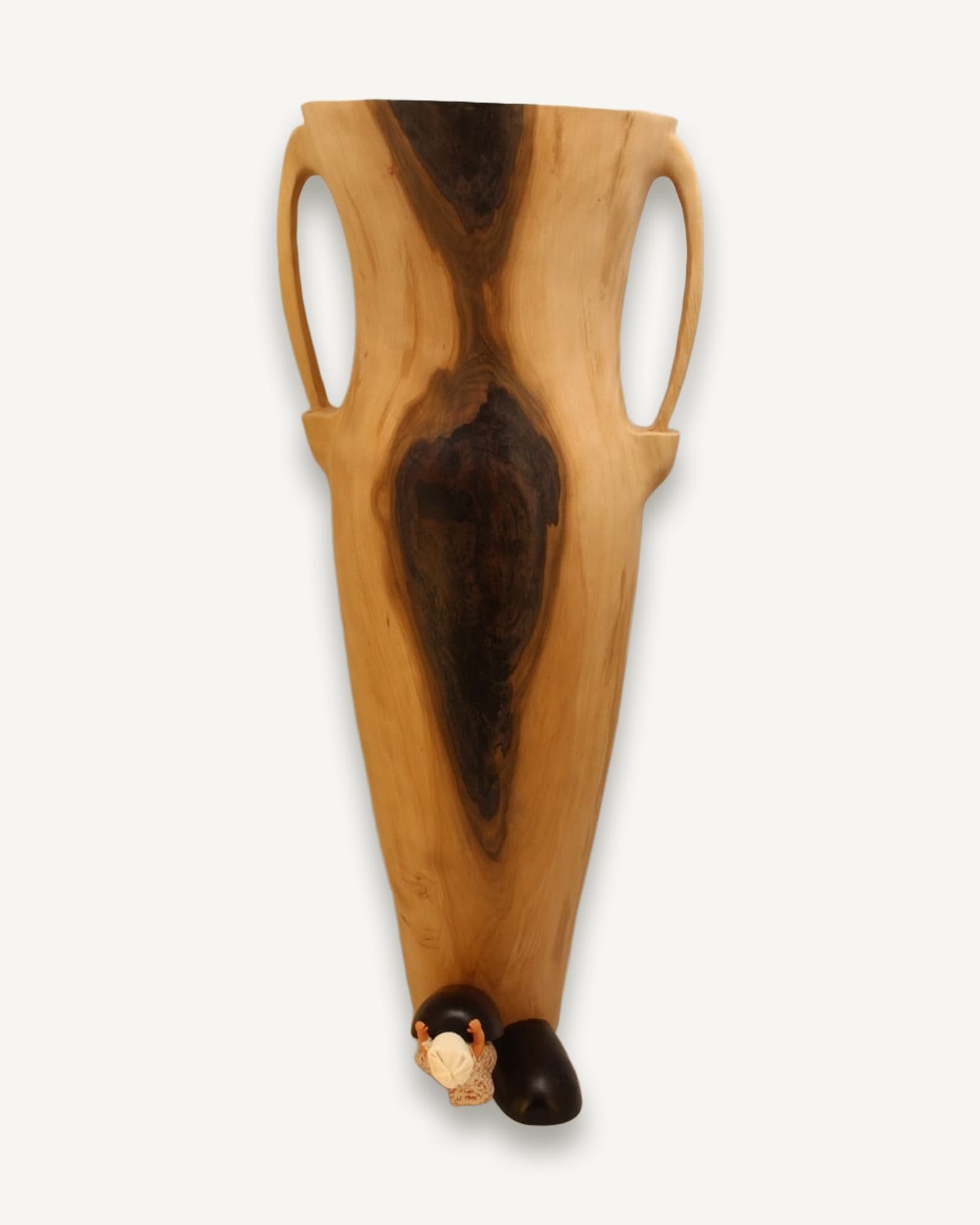
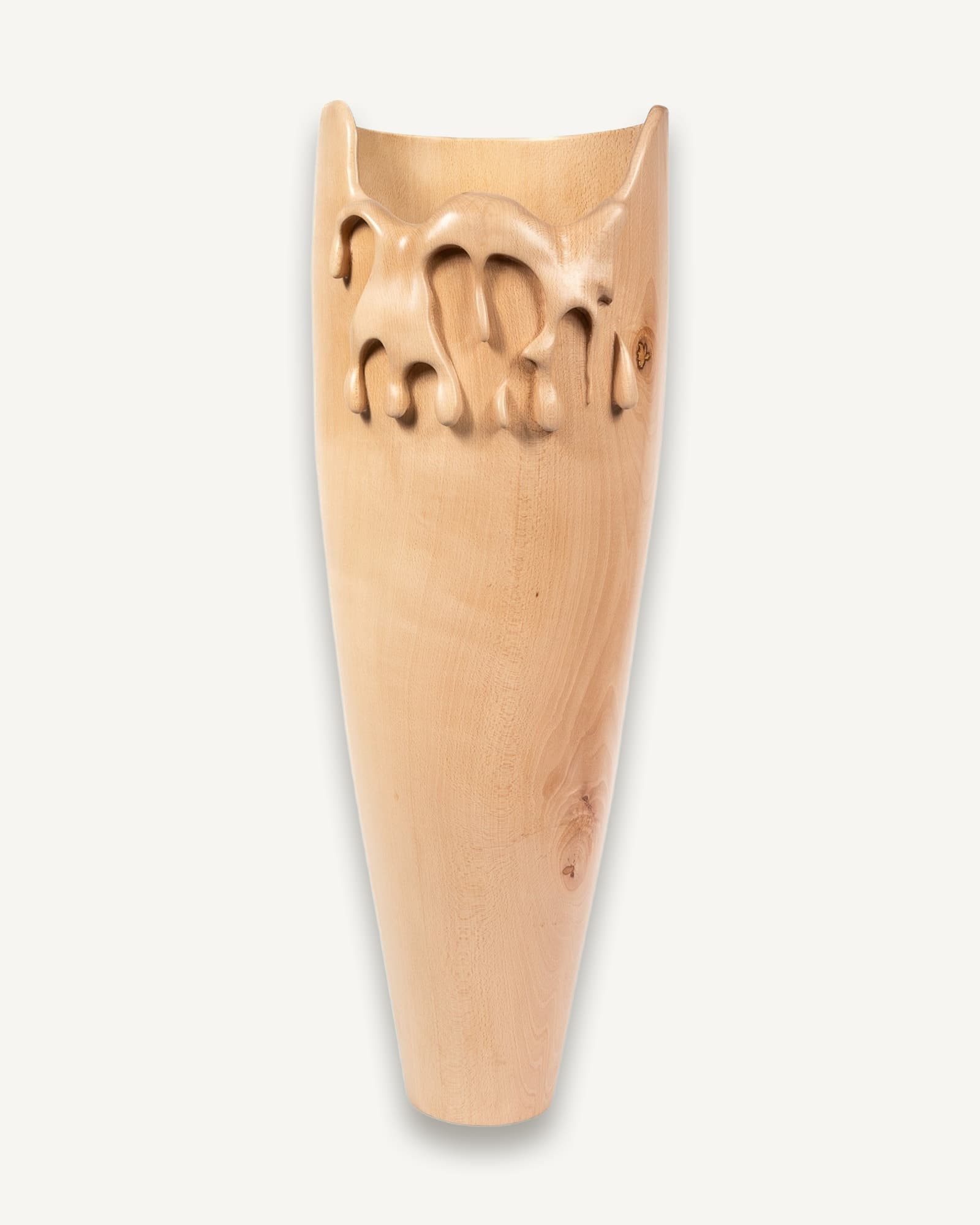
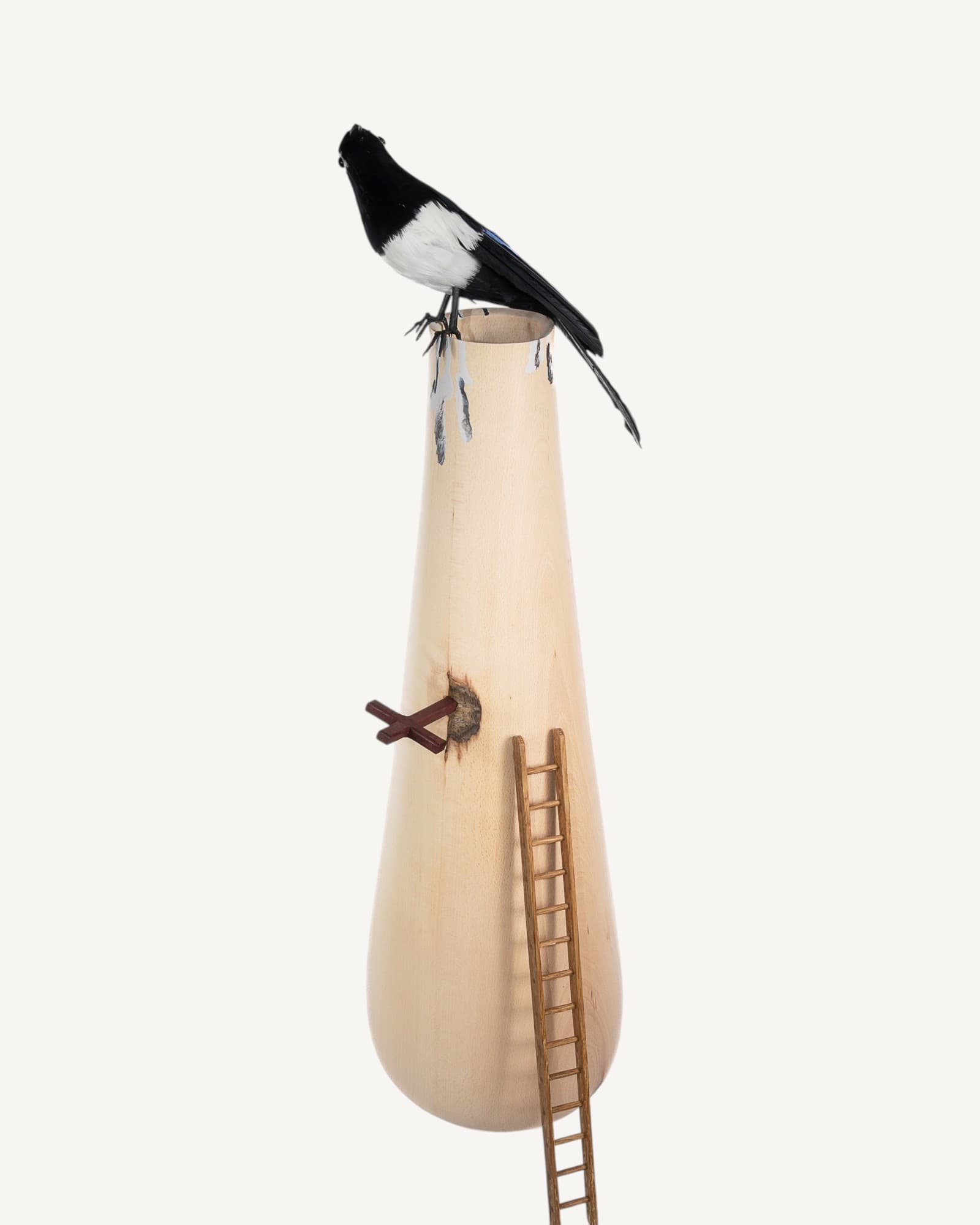
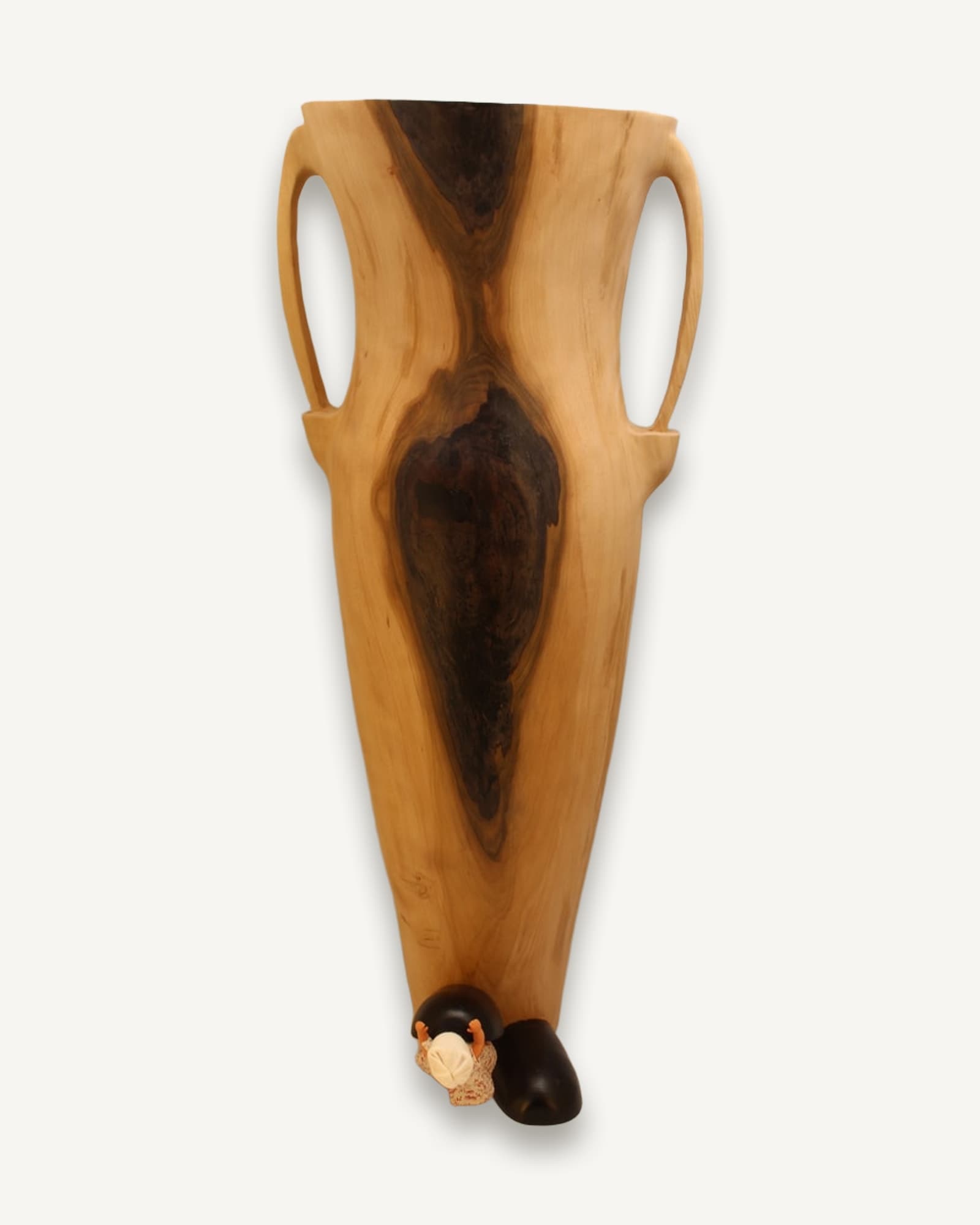
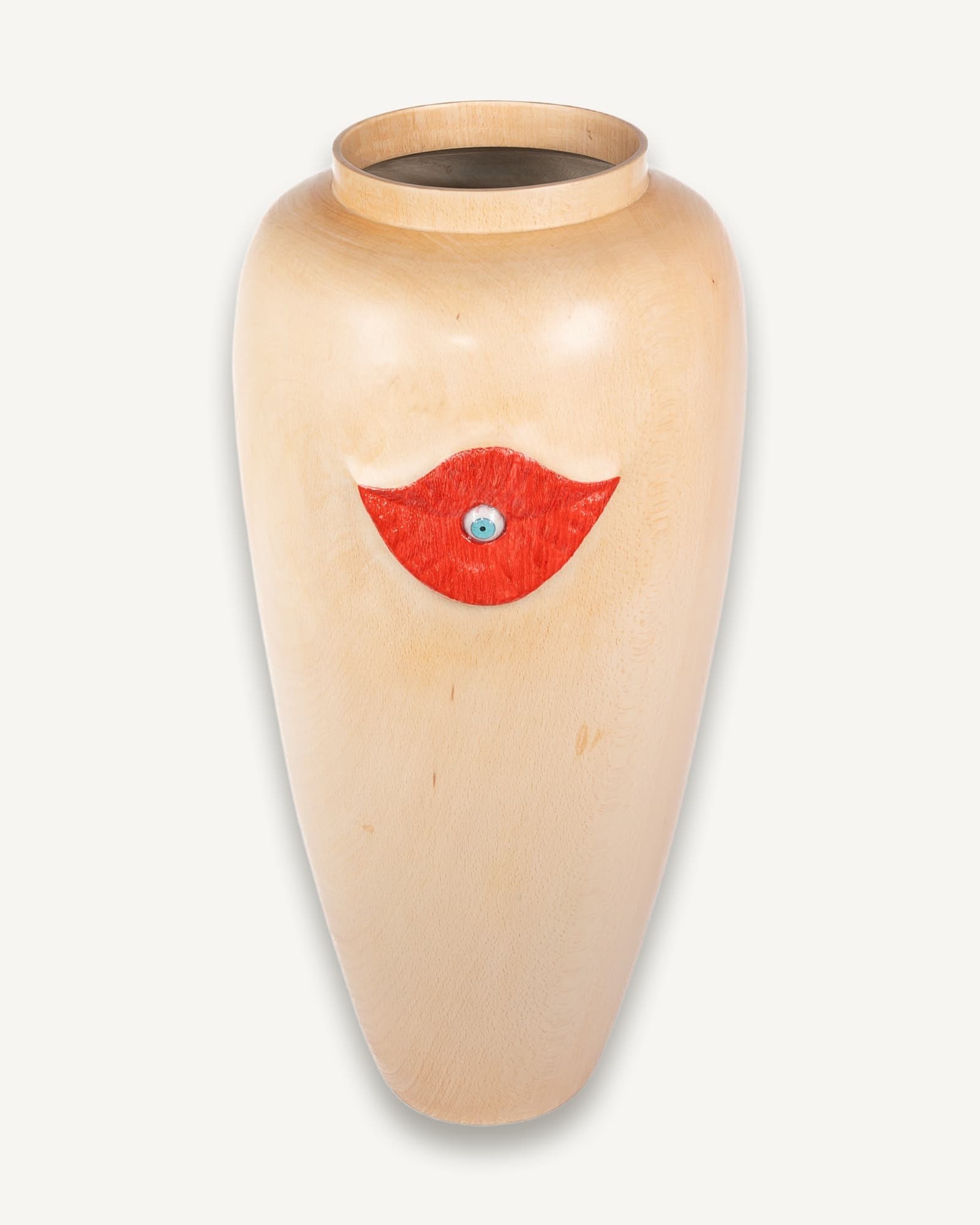
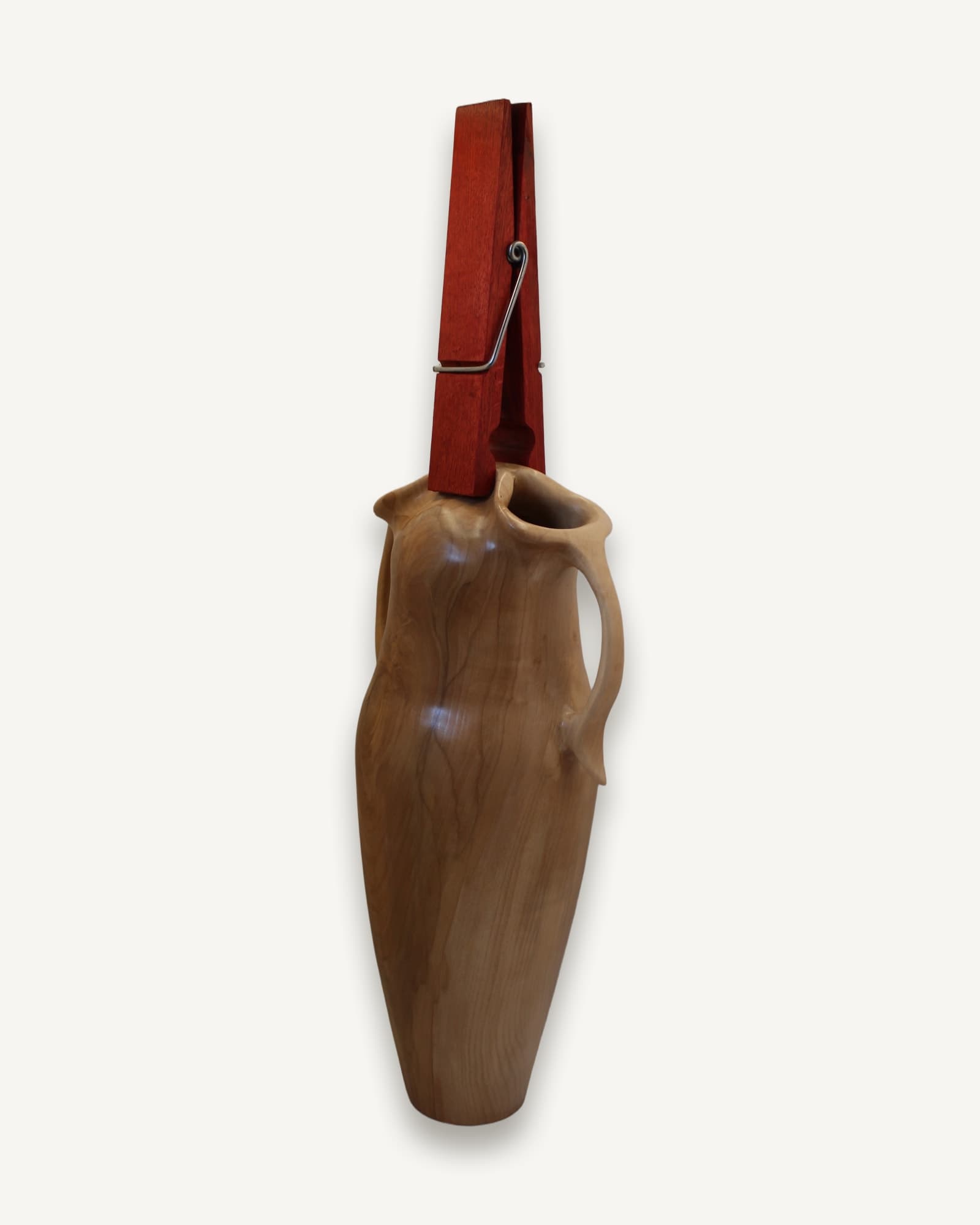
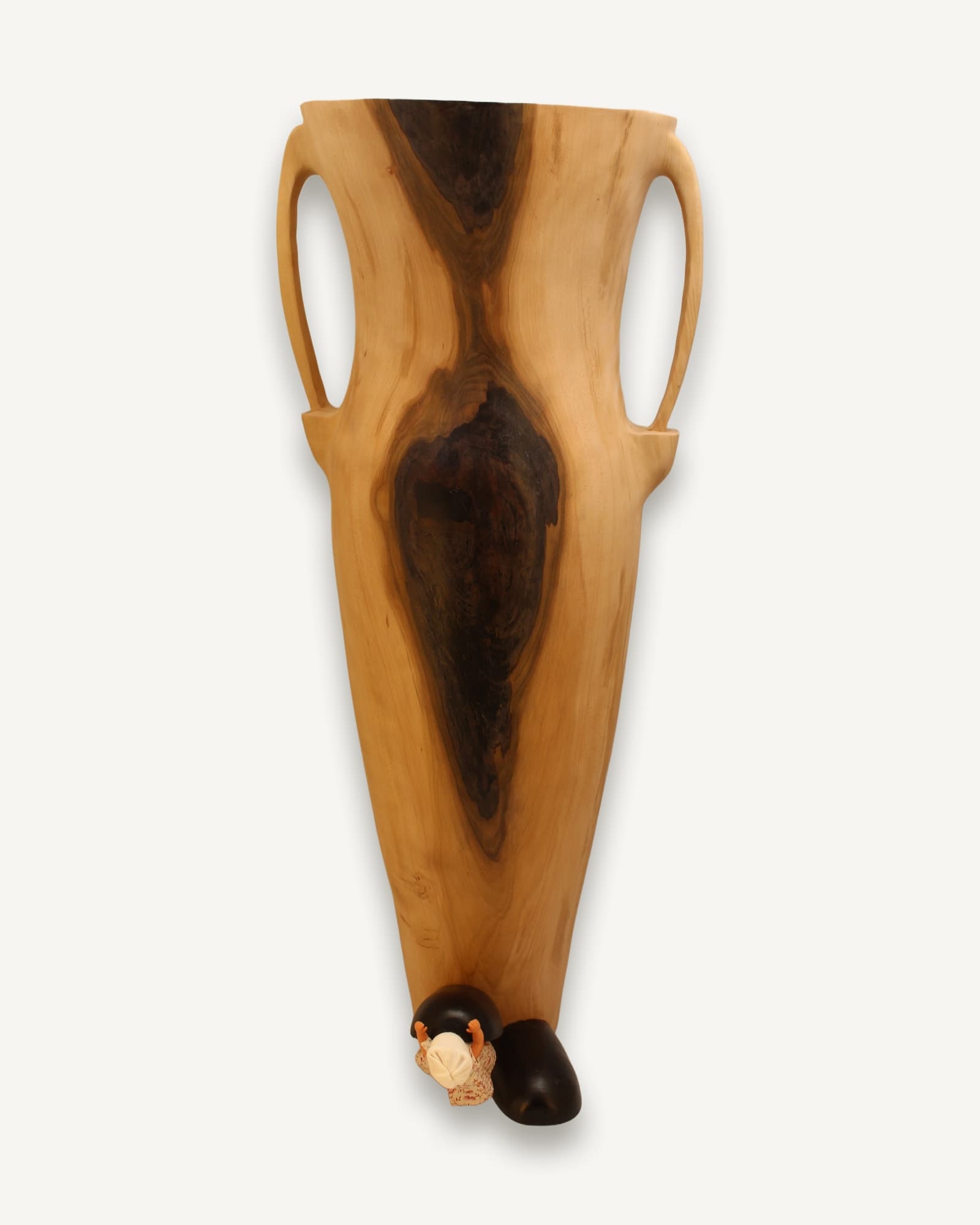
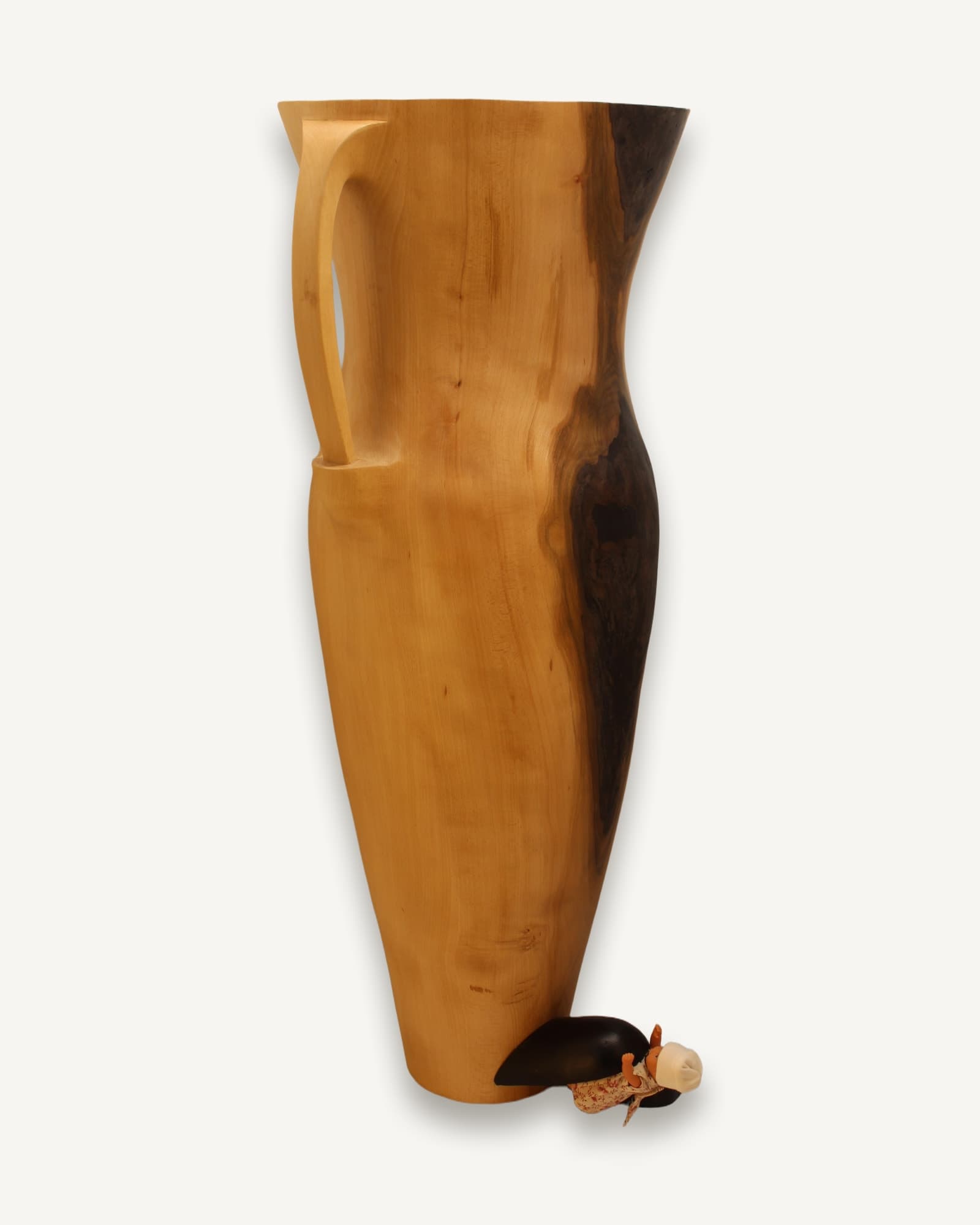
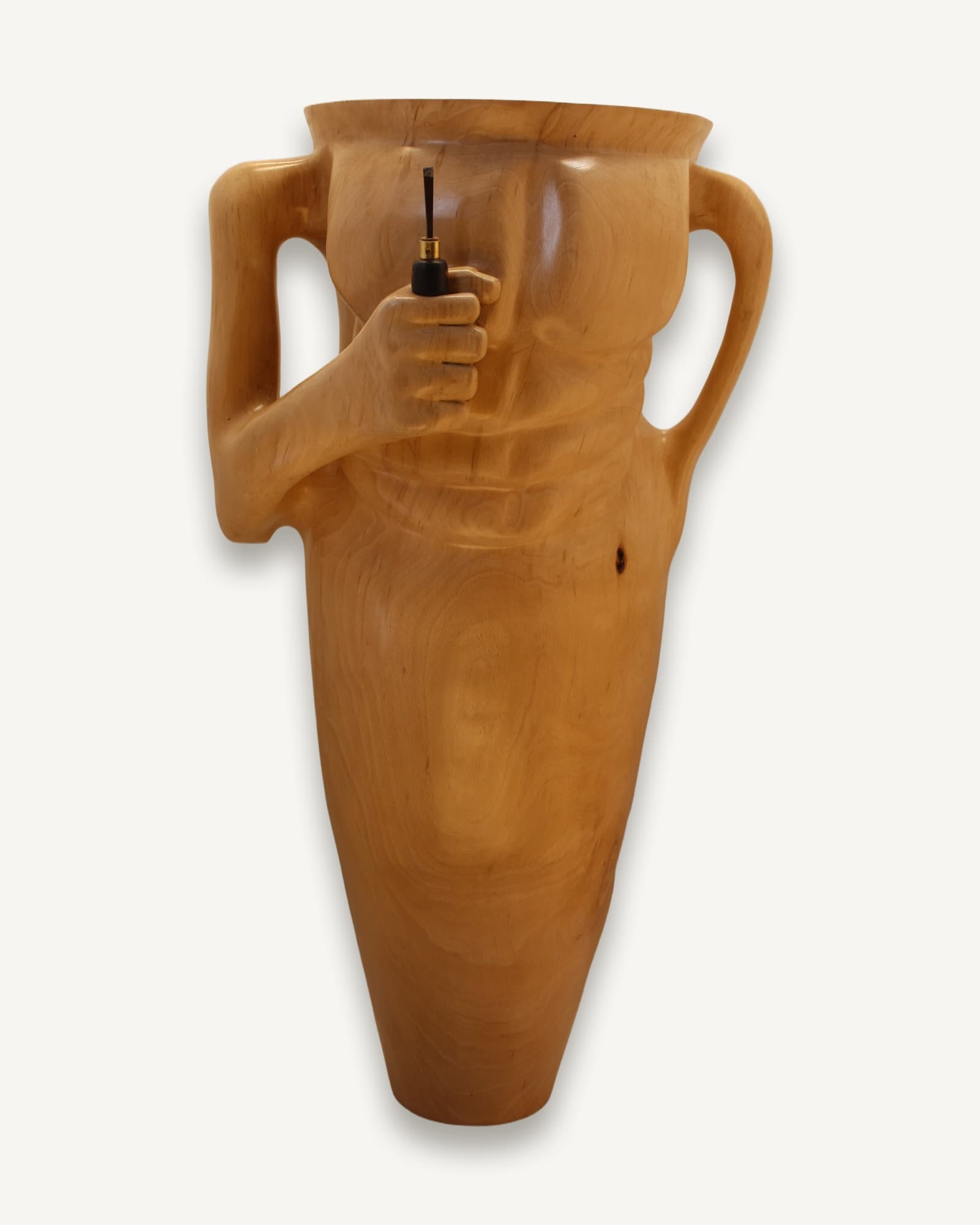
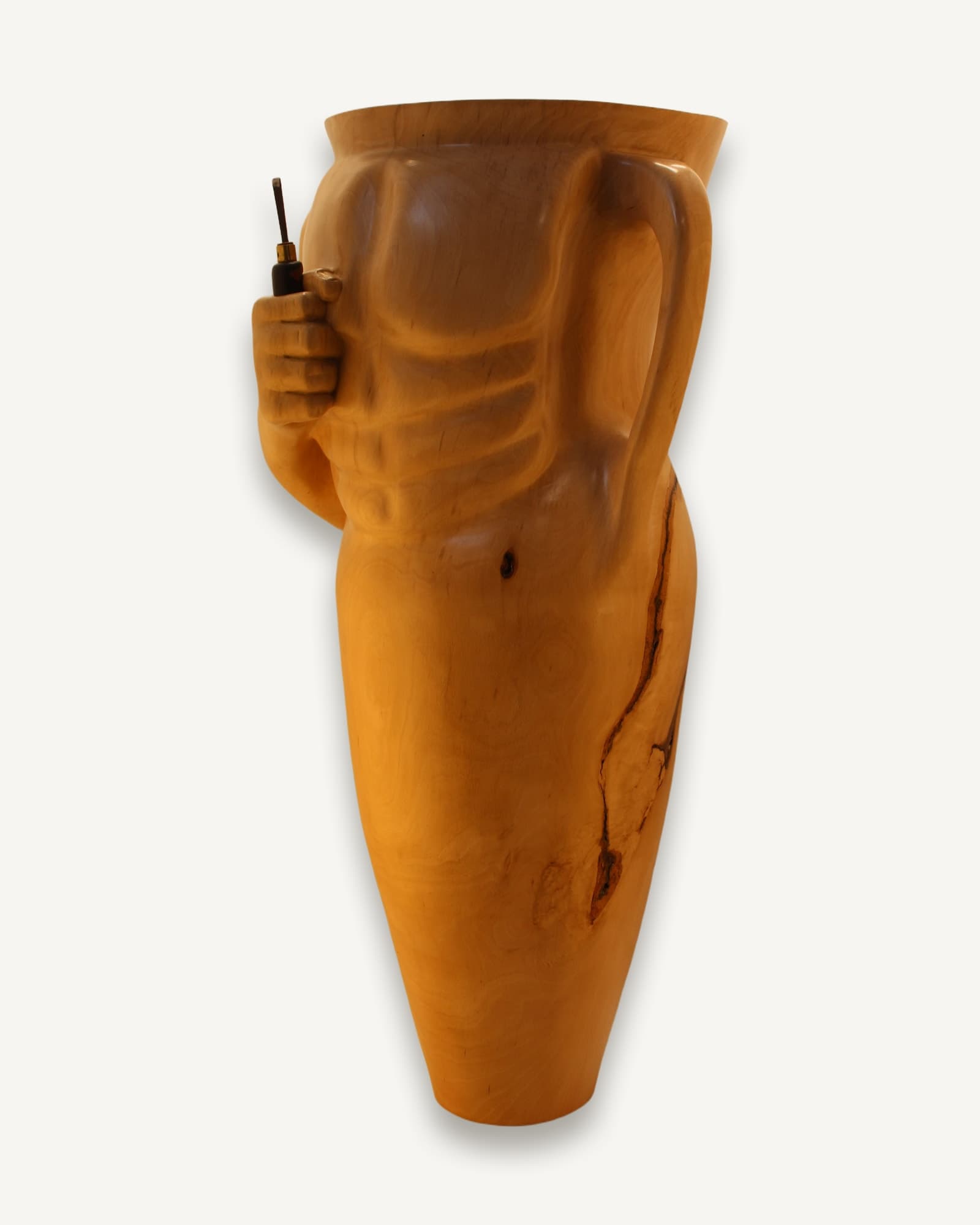
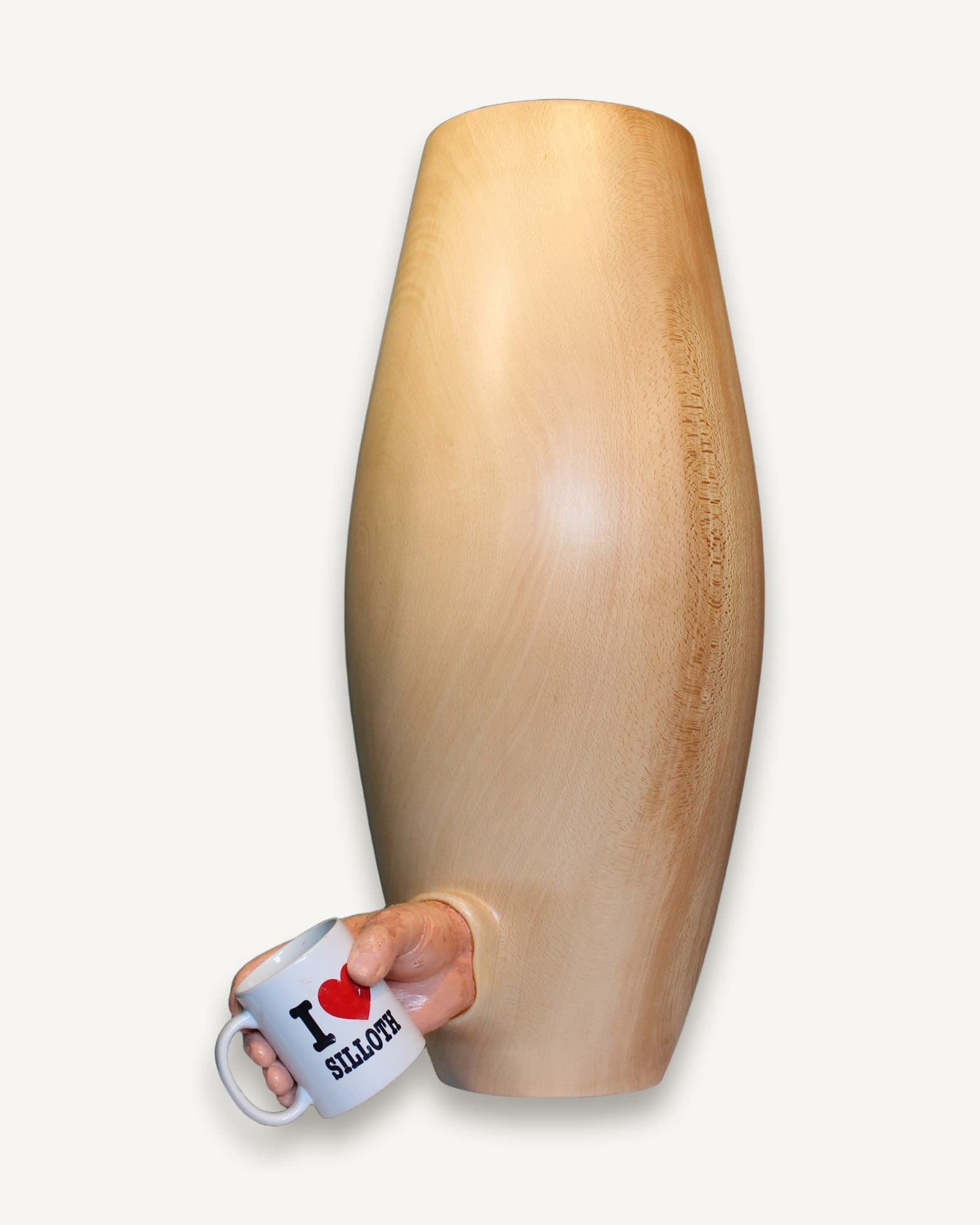
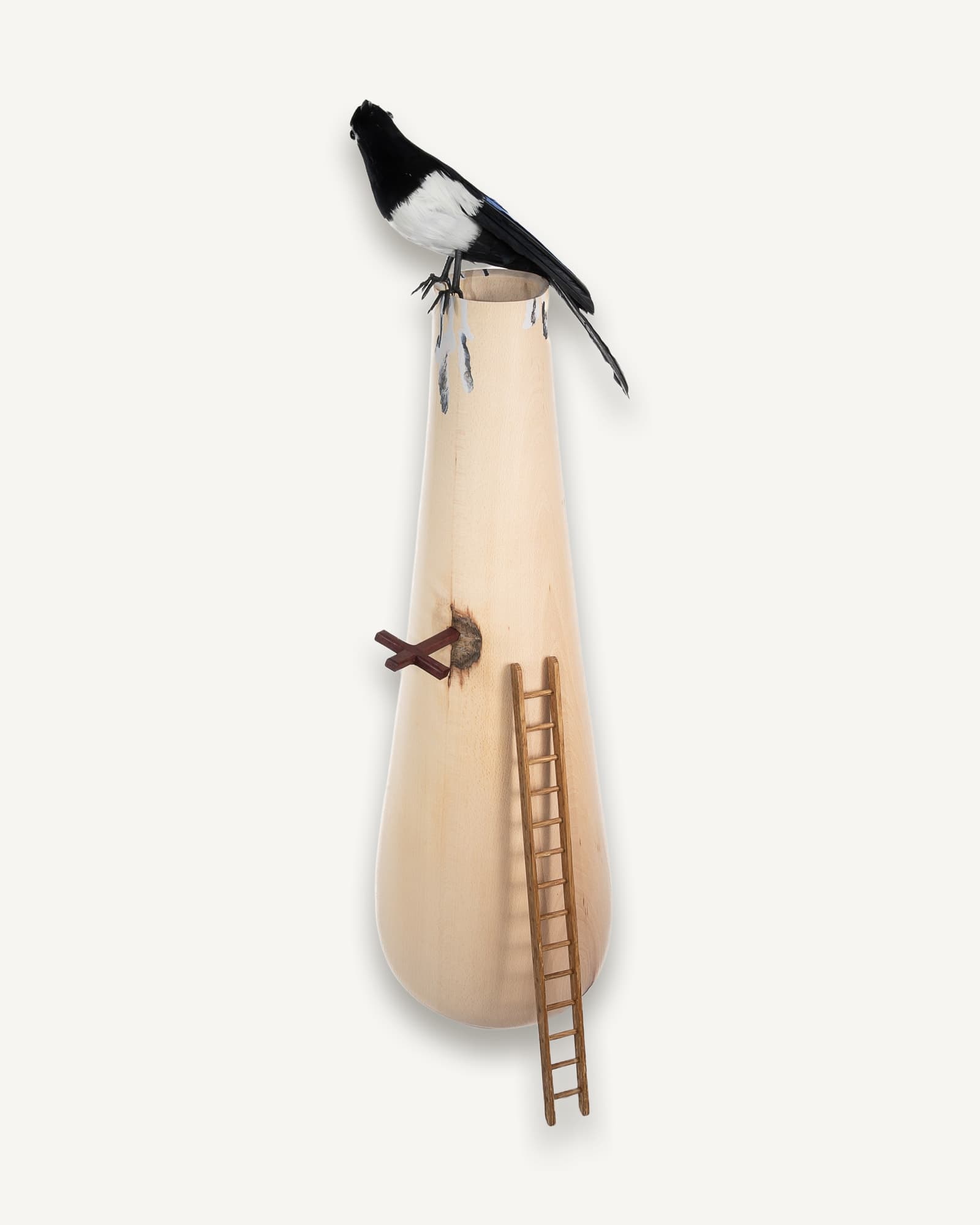
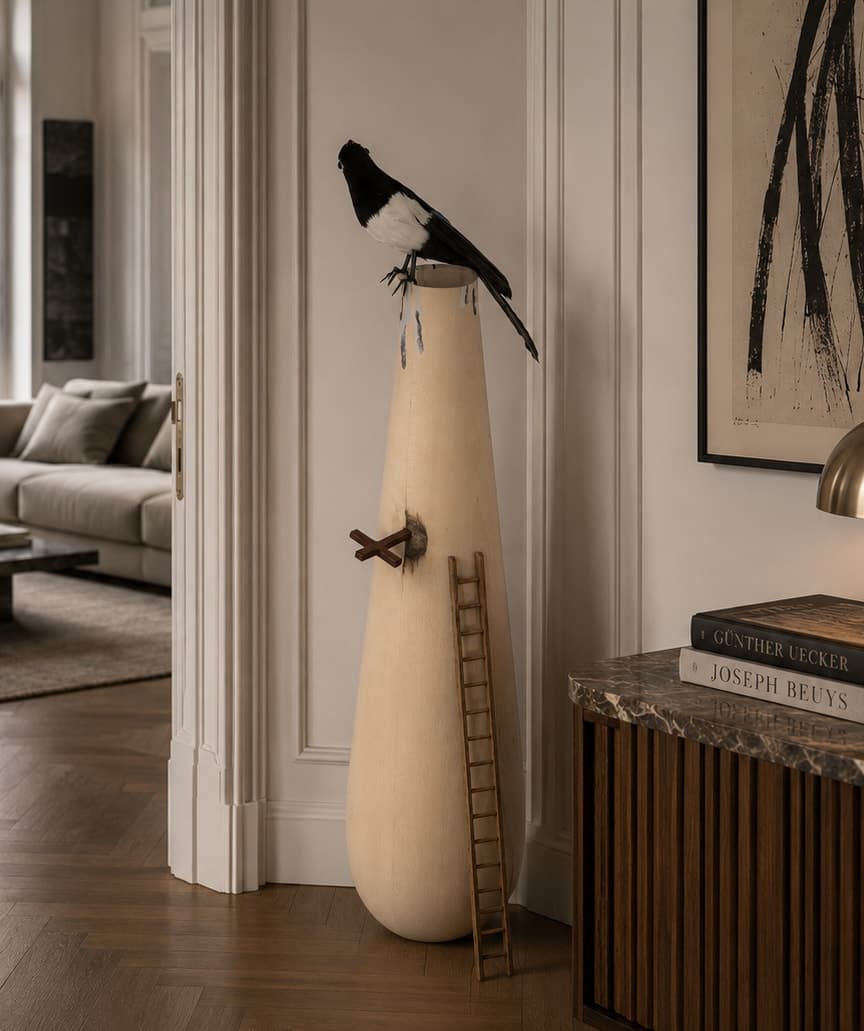
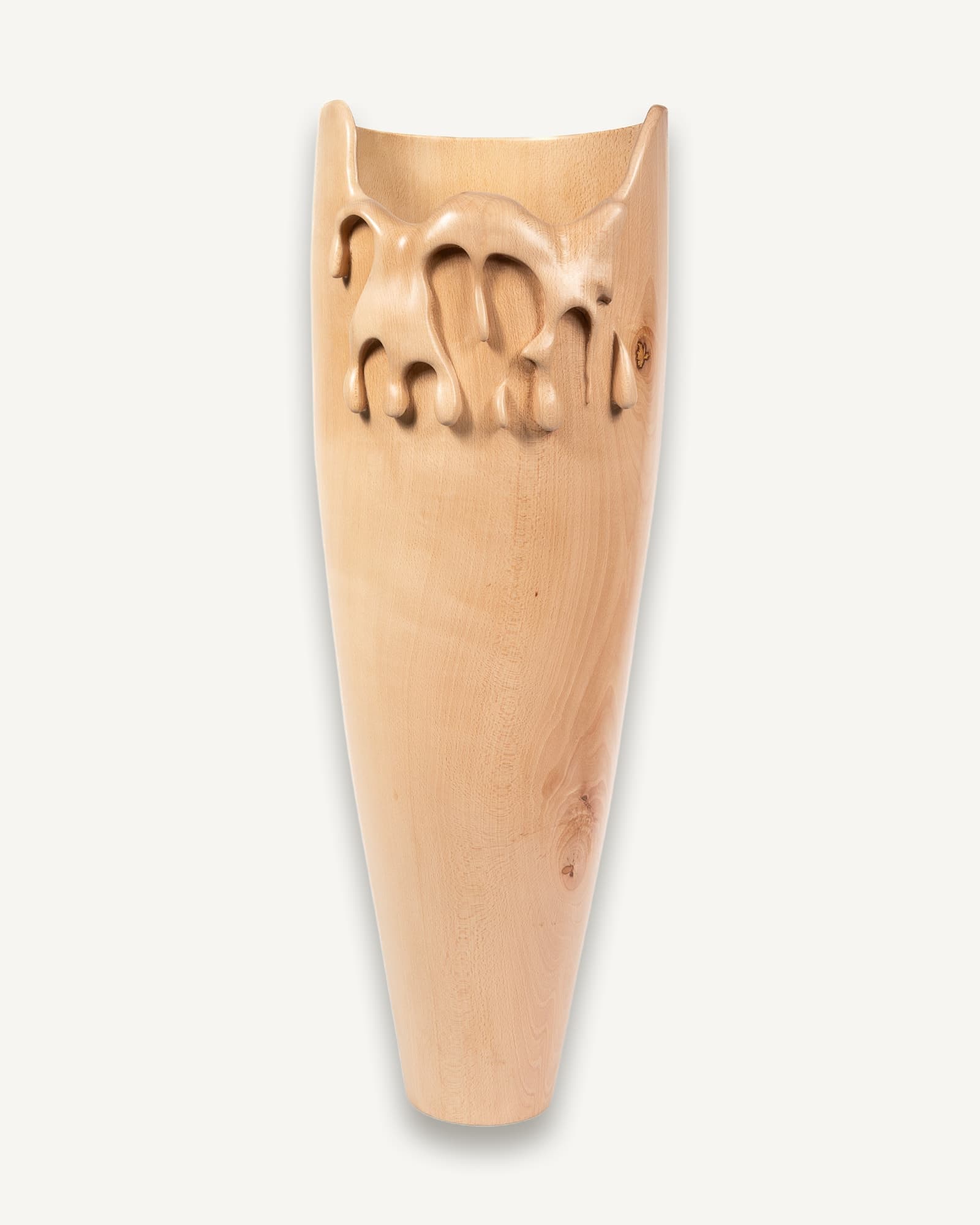
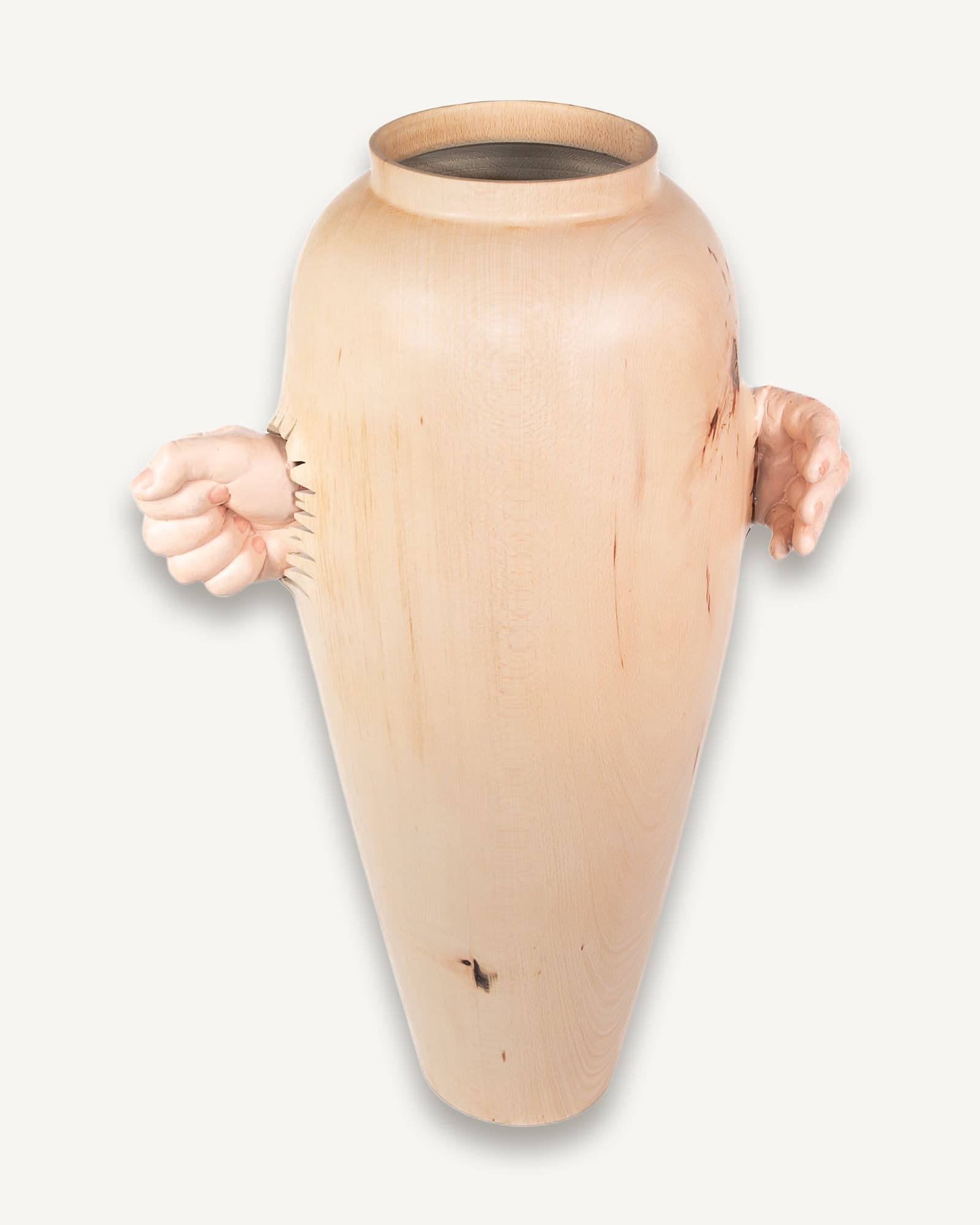
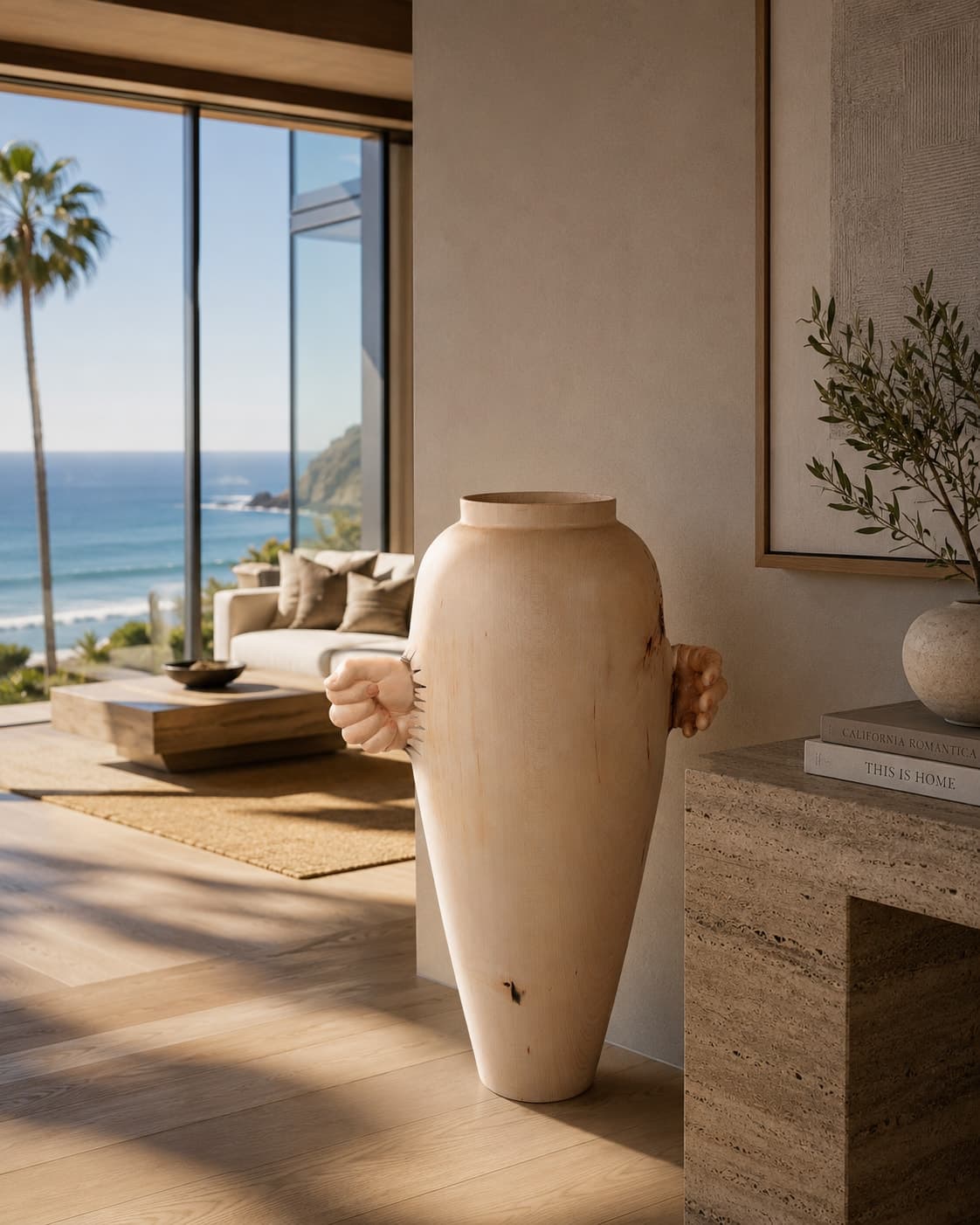
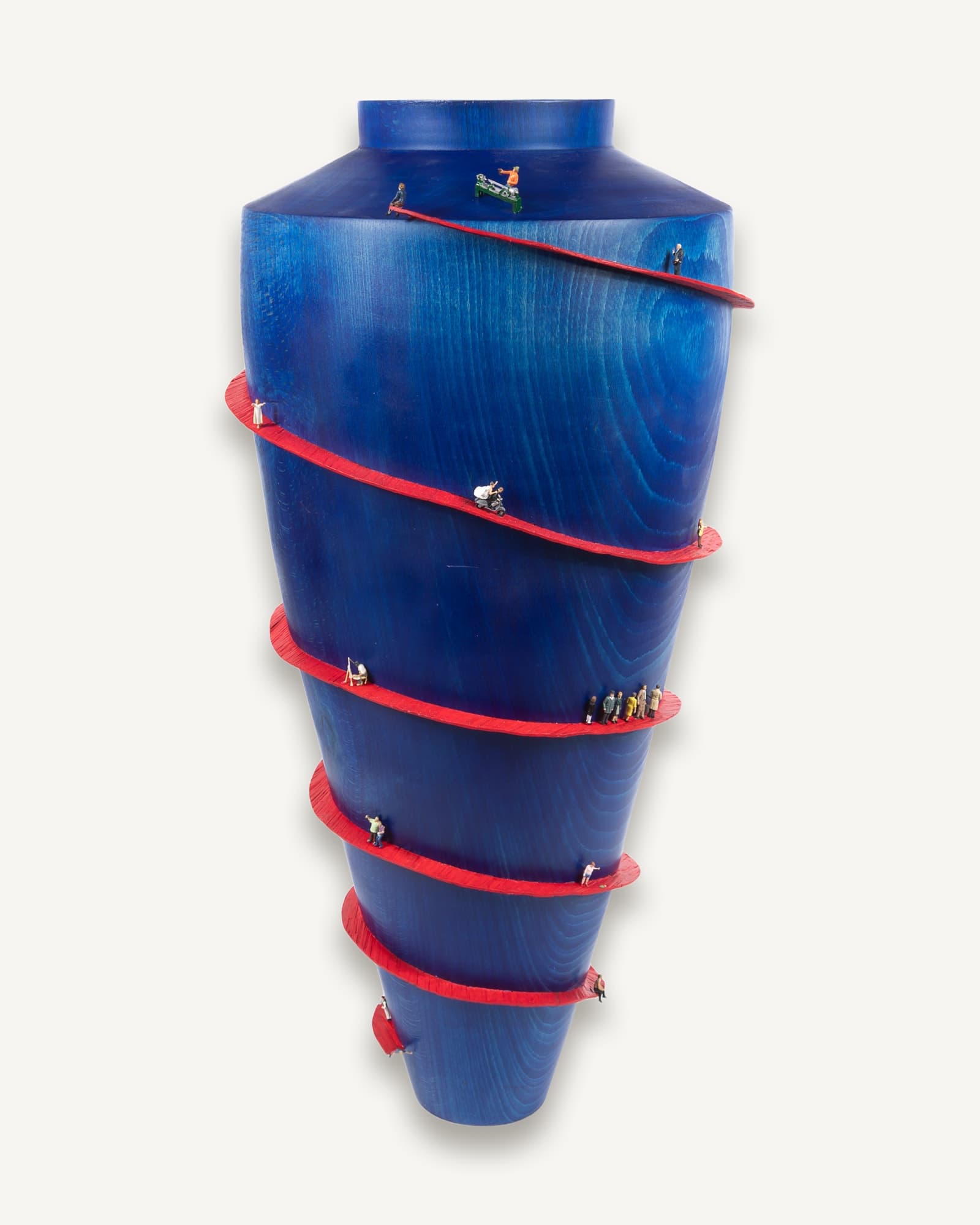
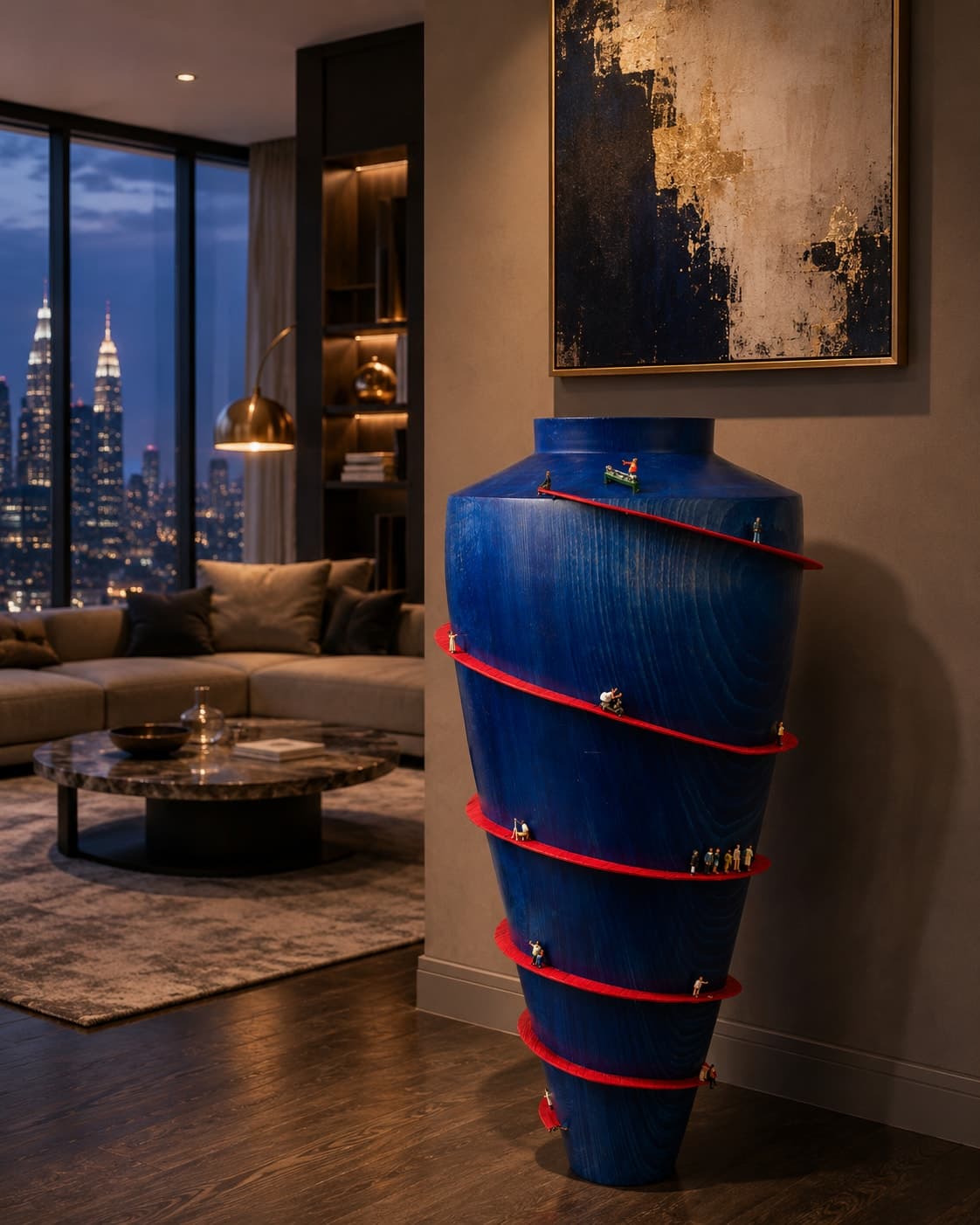
The basis of Greg’s work is a journey that explores the beauty of wood and the narratives he can create with it. His work is based around the traditional craft of woodturning and turning it into an art form. This is done by using functional forms as the canvas for exploring issues. The wood’s story is in its growth rings, colours, burrs and rot. This is fine art created by nature which is then revealed by a master craftsman. The traditional vessels, which are created, are then manipulated using a range of wood working techniques and are combined with a variety of objects to conjure a scene that needs to be understood. The existential issue that the observer is confronted with includes humour, hope, and cryptic references. Whilst the object is created with the narrative driving the form and inclusions, what interests Greg, as the artist, is how the viewer interprets it. This then means that people with different perspectives can engage in discussion about potentially difficult and provocative topics. By talking about what the vessel represents to the viewers and creator Greg hopes that people can explore issues by confronting the object and not each other. In this way the journey continues.
Greg exhibits his work at galleries in the UK and internationally and to commission, he talks to school groups about making a living from craft. He is a QEST Turners' Company Scholar, a Yeoman of the Worshipful Company of Turners, and has shown at the Crafts Council's Collect Open and the Royal Academy Summer Exhibition.
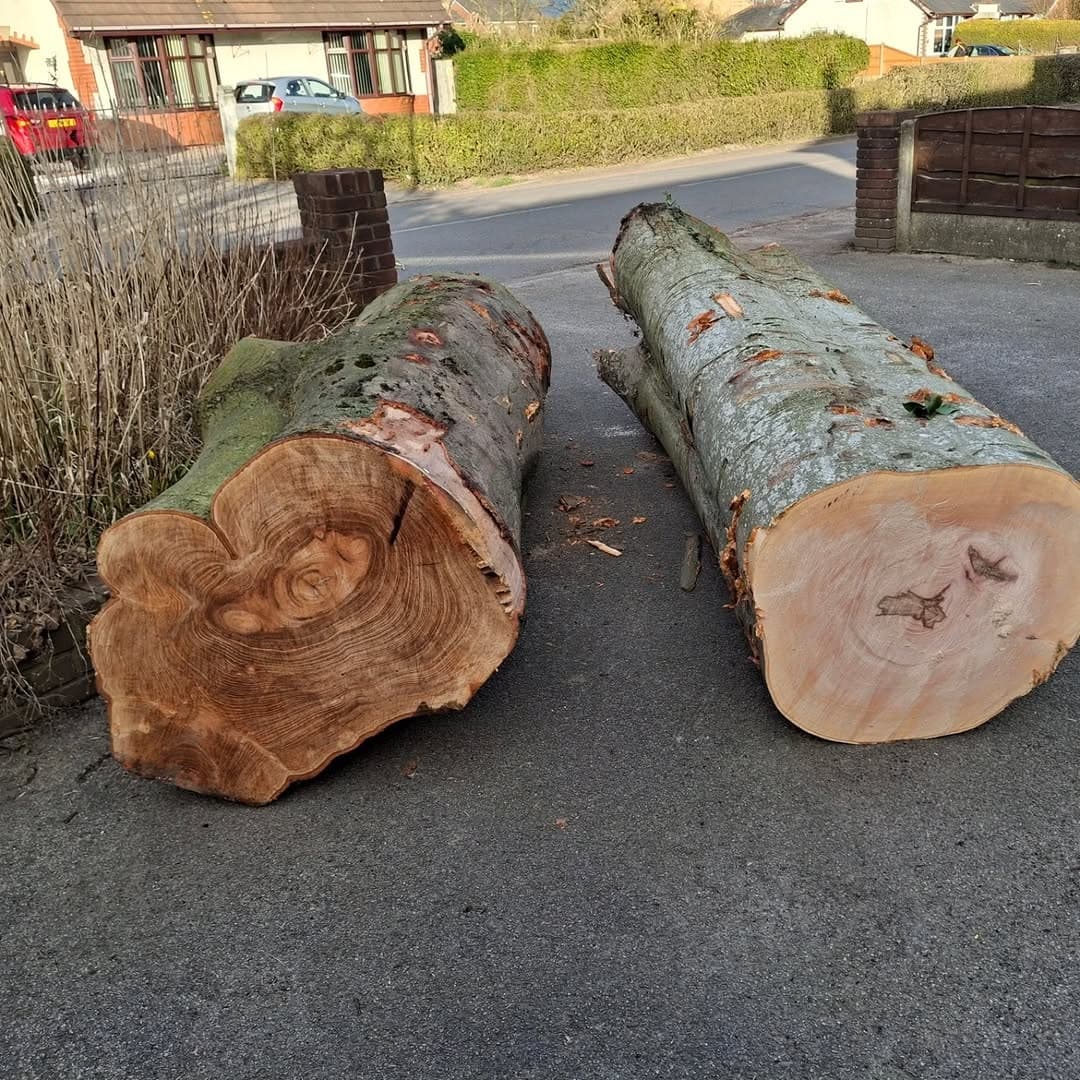
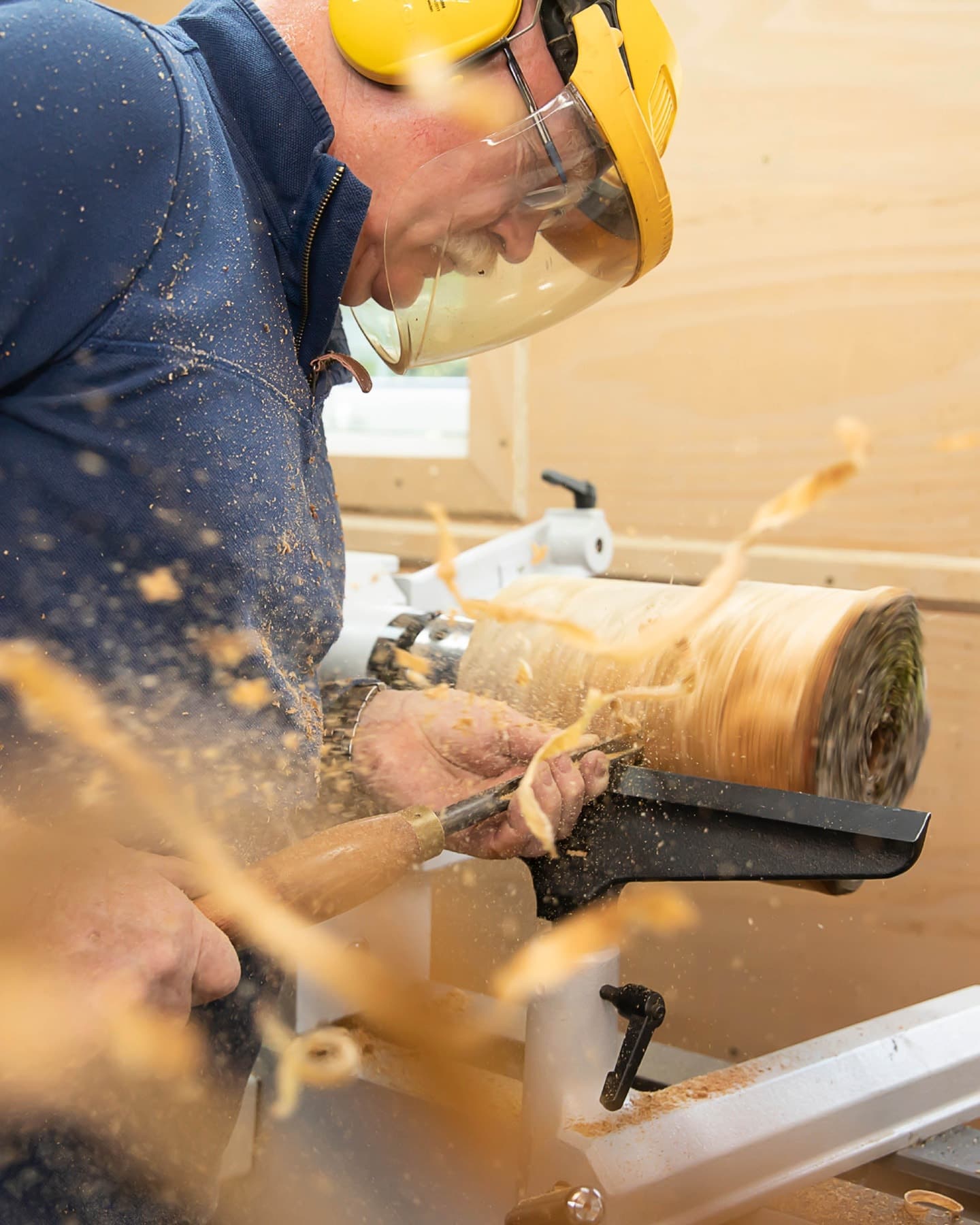
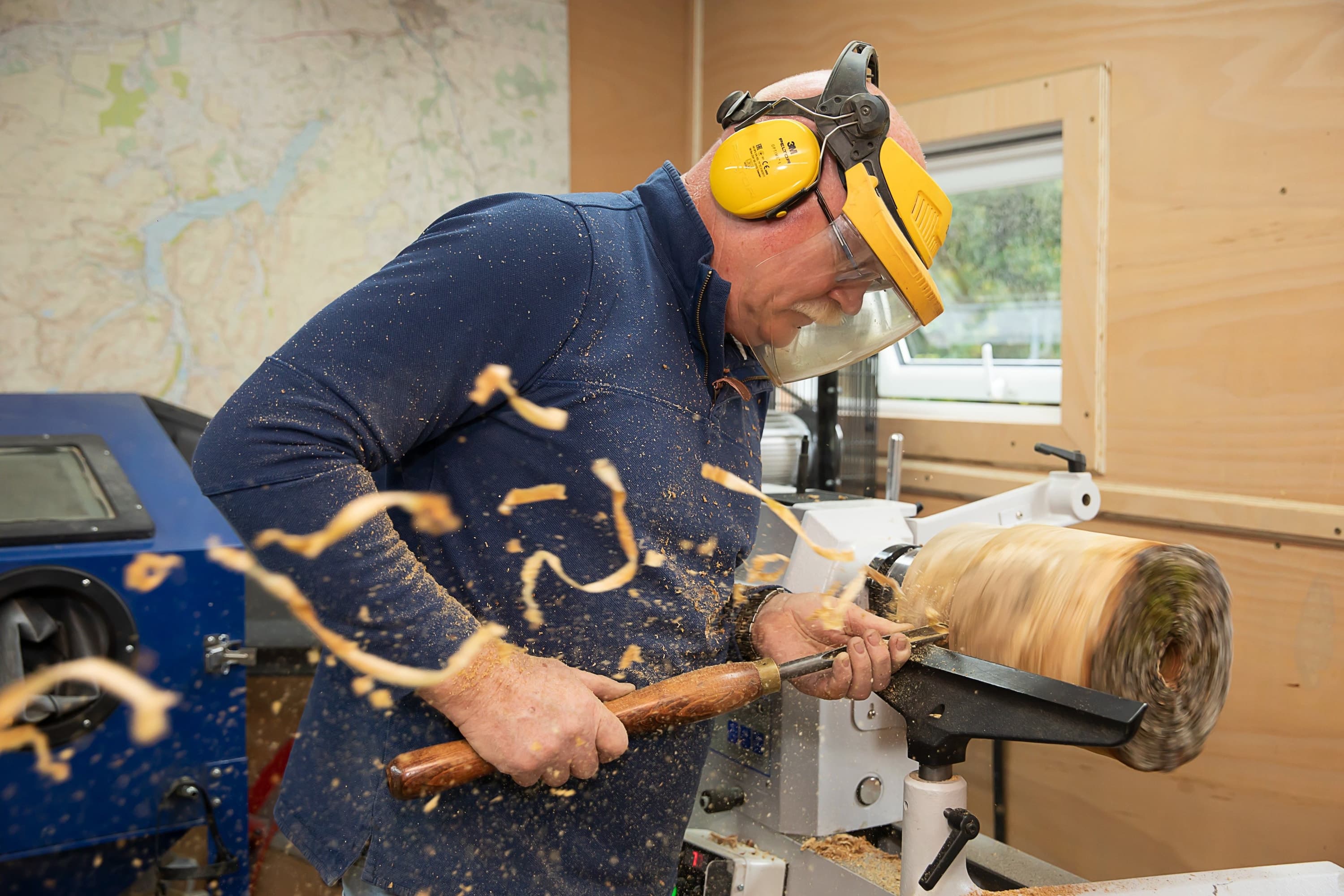
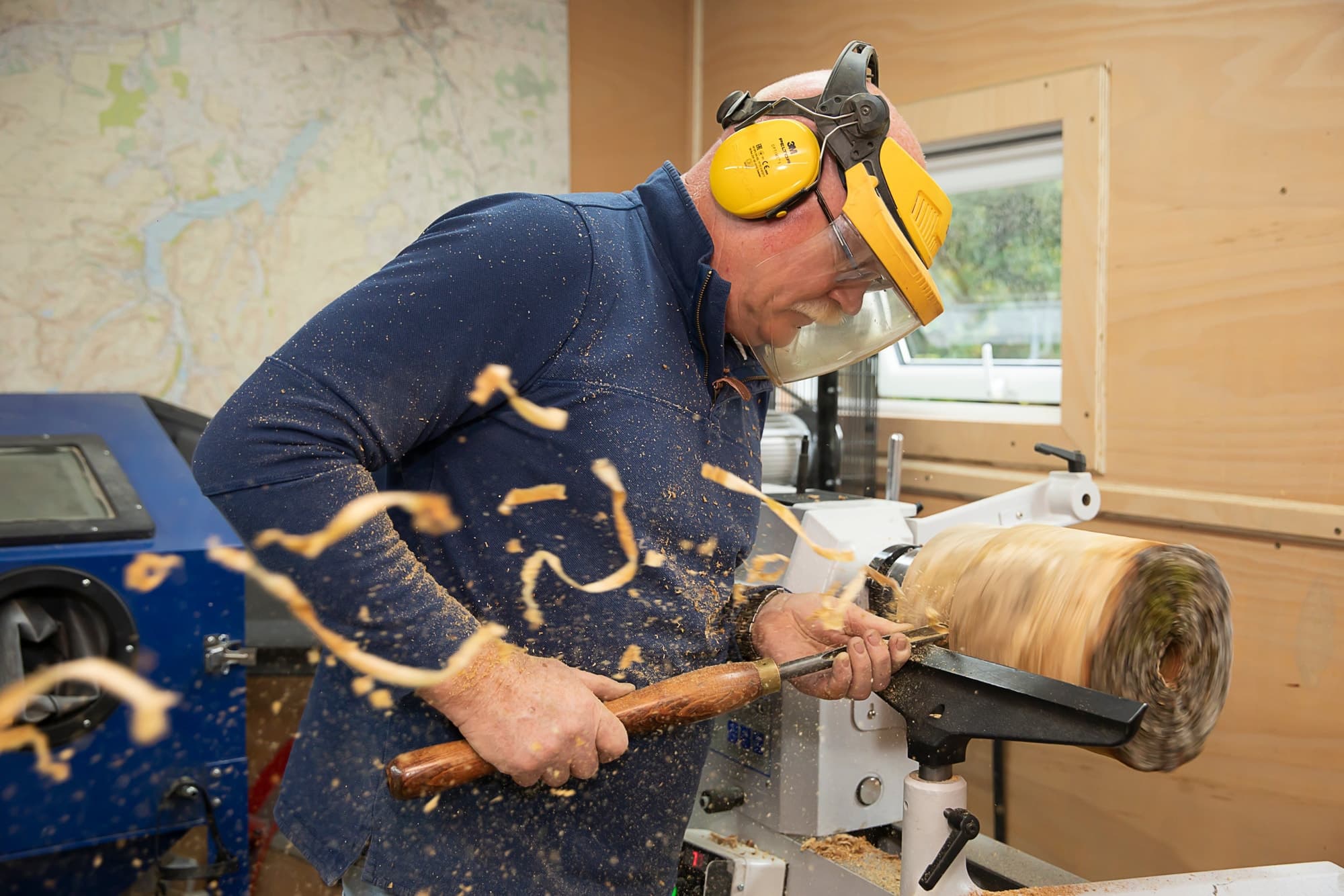
Ten years ago, Greg discovered woodturning and has enjoyed developing a creativity he never realised he had. Woodturning is like archaeology. The wood’s story is in its growth rings, colours, burrs and rot.
Initially Greg sold his work at craft fairs in the North of England and various local galleries. Woodworking then took Greg on a journey. In 2023 he was selected to be part of the Collect Open for the Collect Art Fair run by the Crafts Council. His work was selected as the Director’s Choice. This led to exhibiting at a London Gallery, Greg was then invited to exhibit at the Royal Academy Summer Exhibition in 2023. Greg was then extremely fortunate to be awarded a QEST Turners’ Company scholarship. The scholarship enabled him to push the boundaries of woodturning and cross over into art by bringing in techniques, and creative processes from other crafts and art forms. Greg then began using narratives based on the issues that confront us as the driver for the design. As a result, what Greg produces is fine art created by nature which is then revealed by a craftsman. His work was recently chosen as the Director’s Choice at London Craft Week.
Everything comes from wood that was going to be burnt. Greg collects it from tree surgeons around Lancashire and from a wood recycling enterprise in Preston, and works it whilst it is still green. Beechwood is used for the large vessels, it is turned to a two centimeters thick so it dries without splitting.