
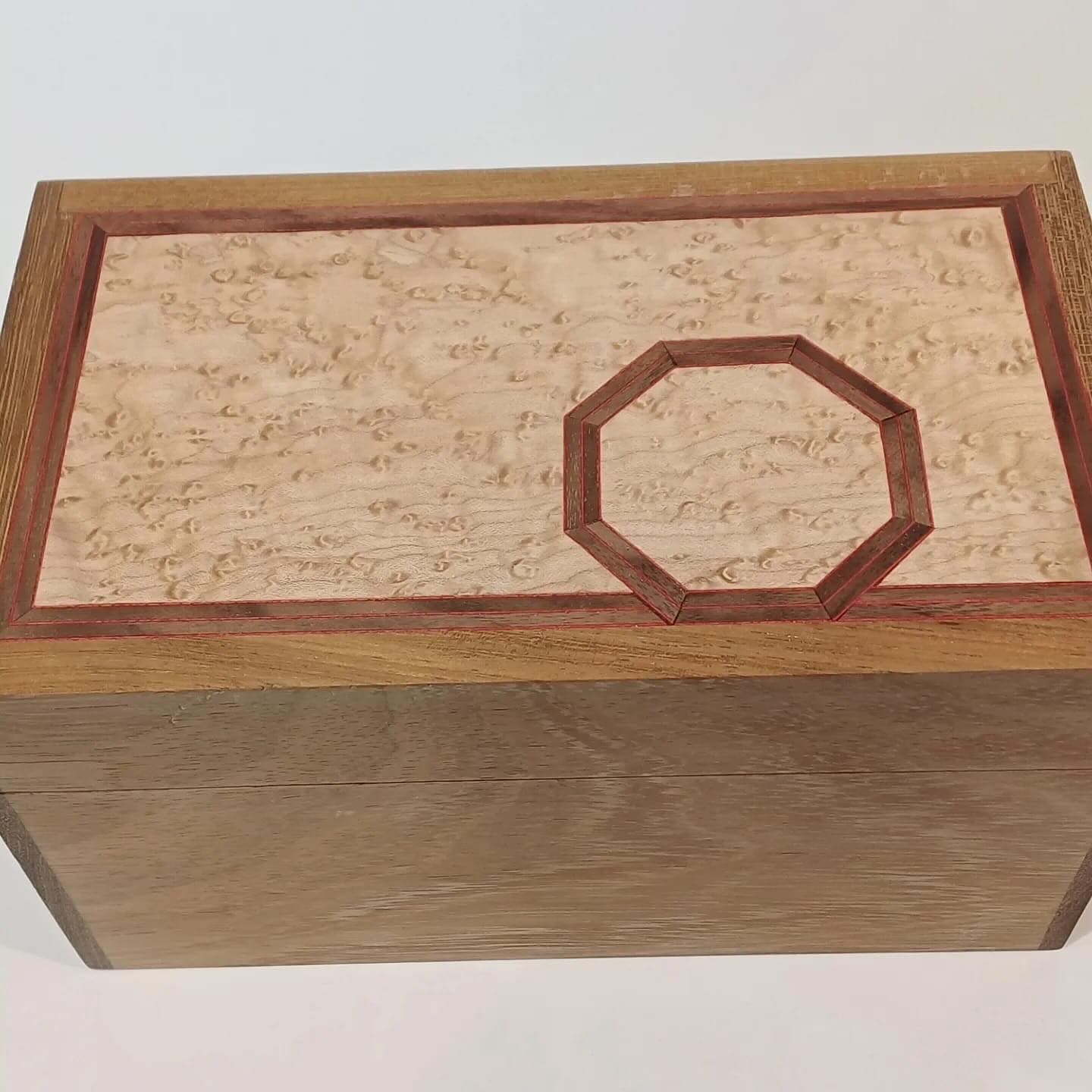
Bespoke commission

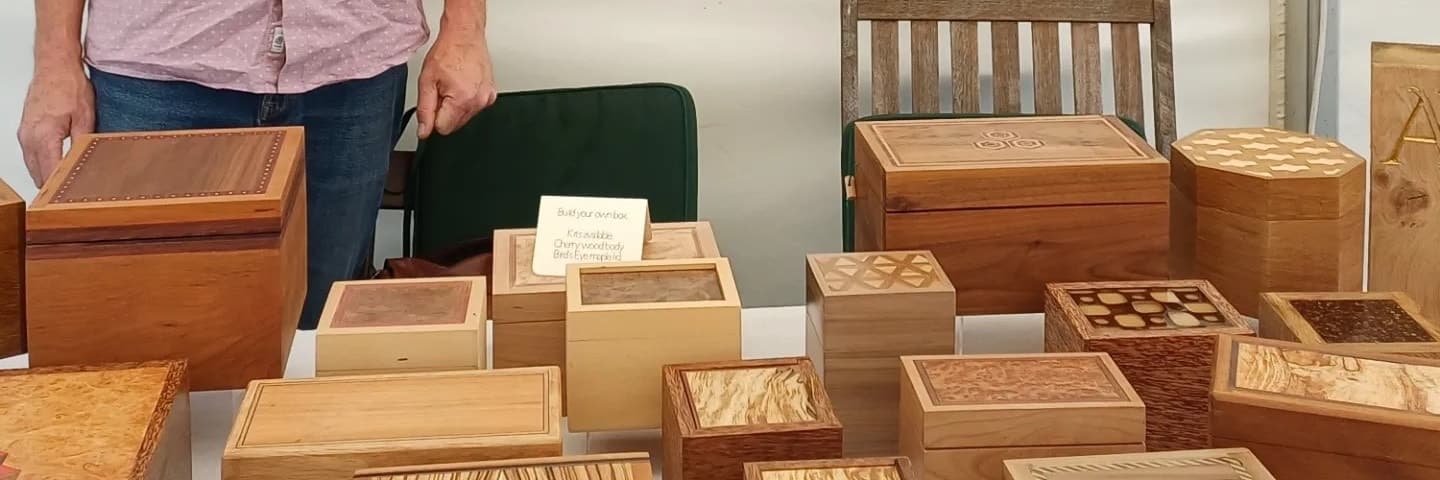
“You're buying something made by hand by a human, and there's errors in it, and that's the beauty of it.”
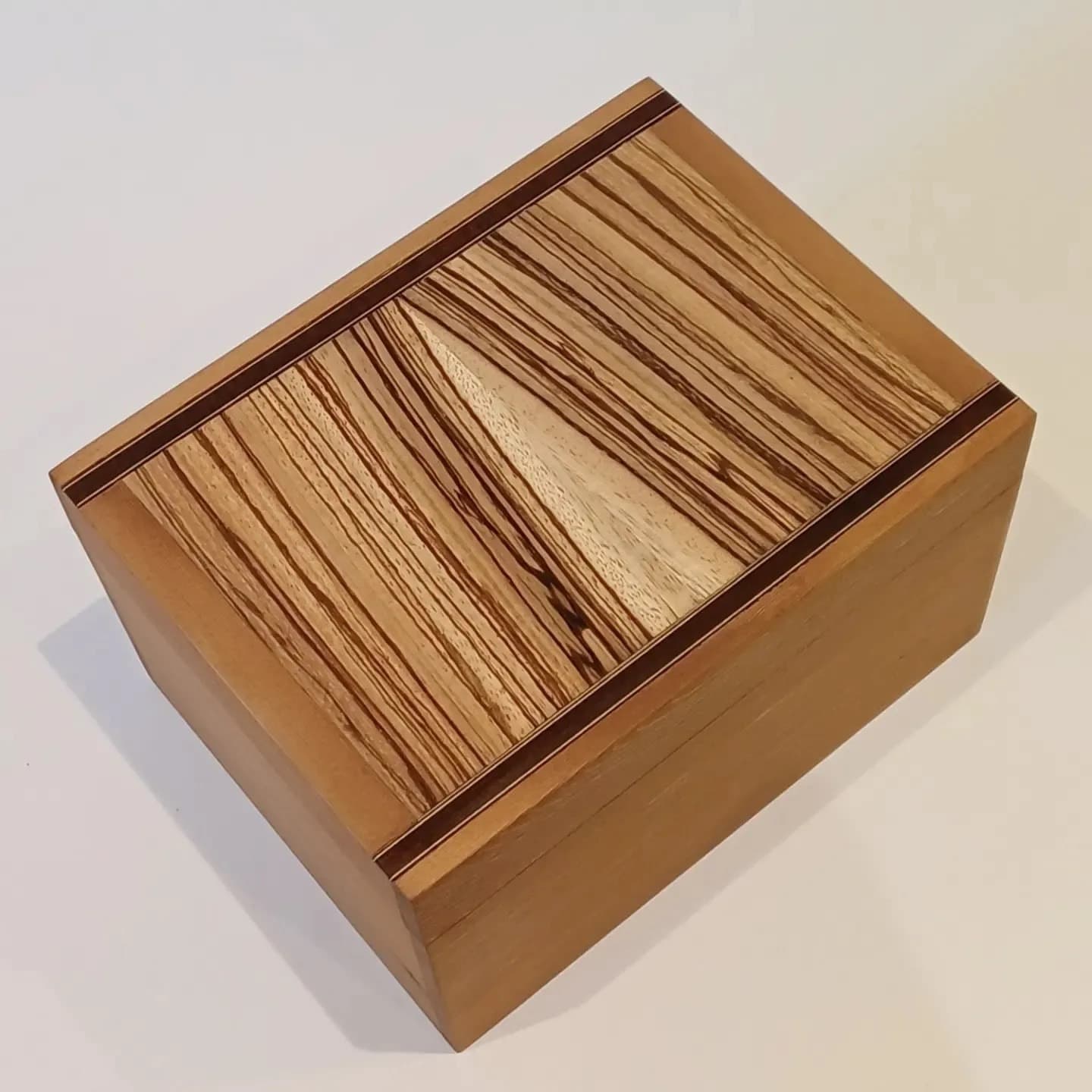
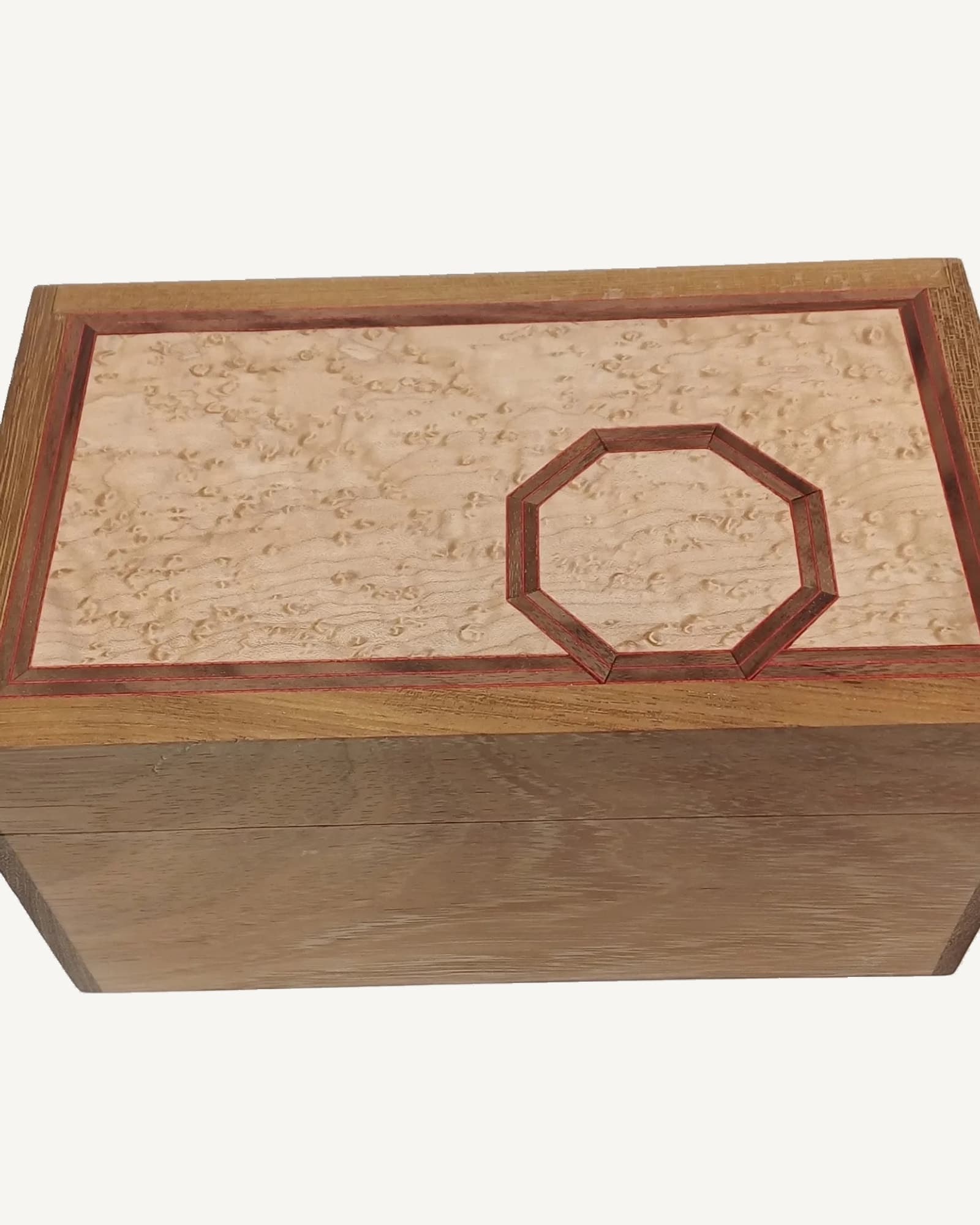
Most of Alex's more interesting work has arrived as a commission: a cigar box built to one man's measurements, spice boxes for a kitchen, a box sized for mahjong tiles, an urn. Tell him what is going in it and where it will sit. He draws it before he cuts anything.
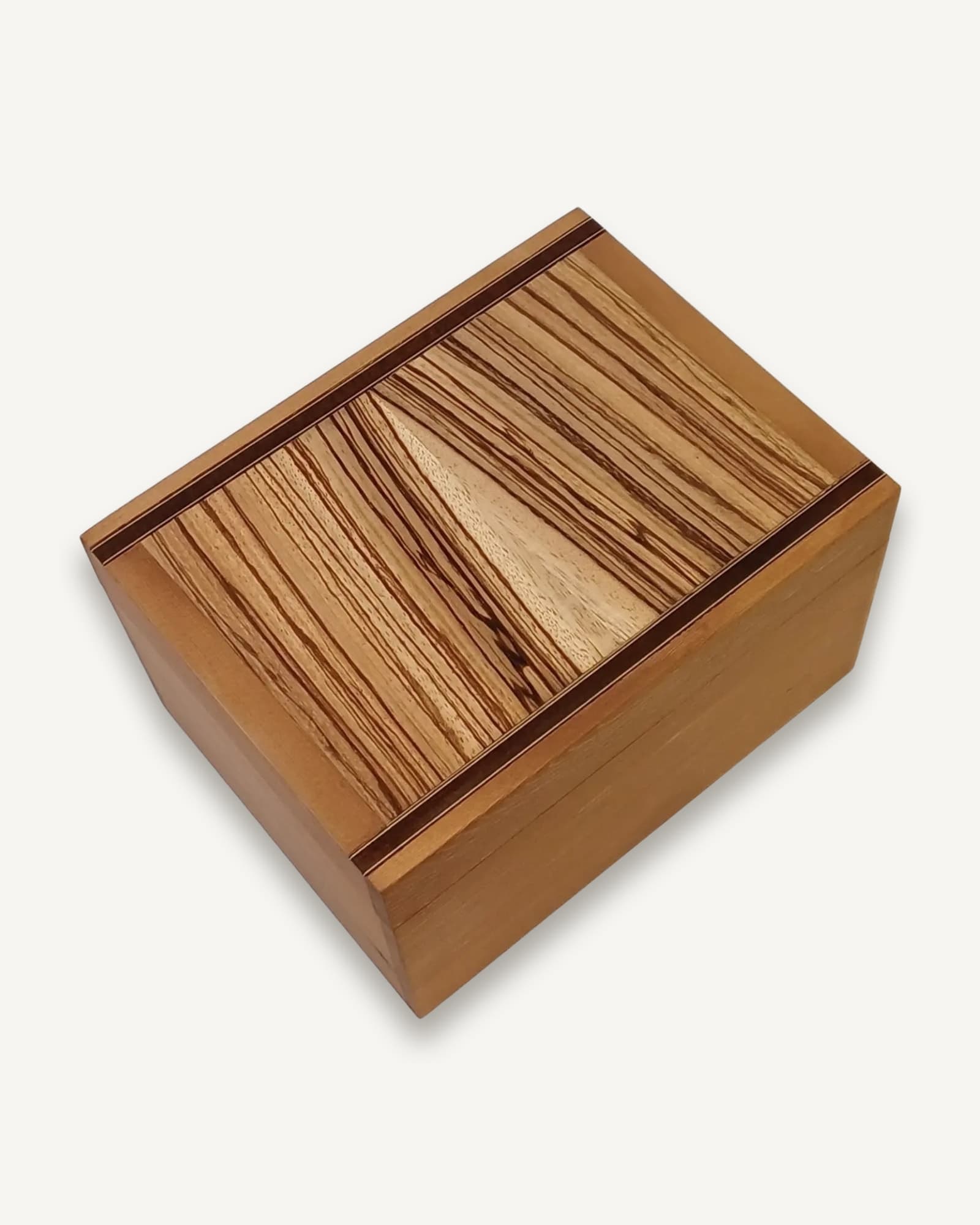
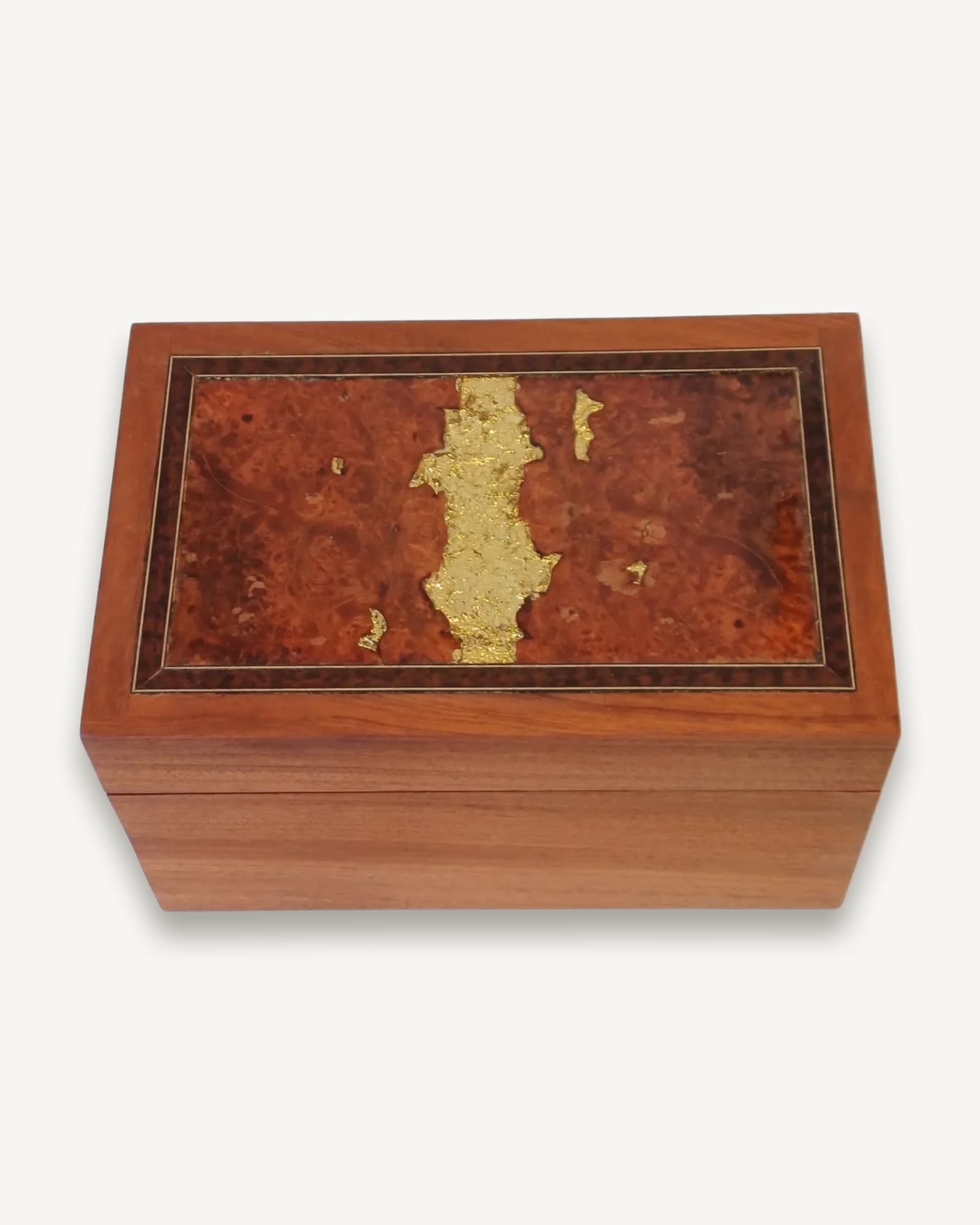
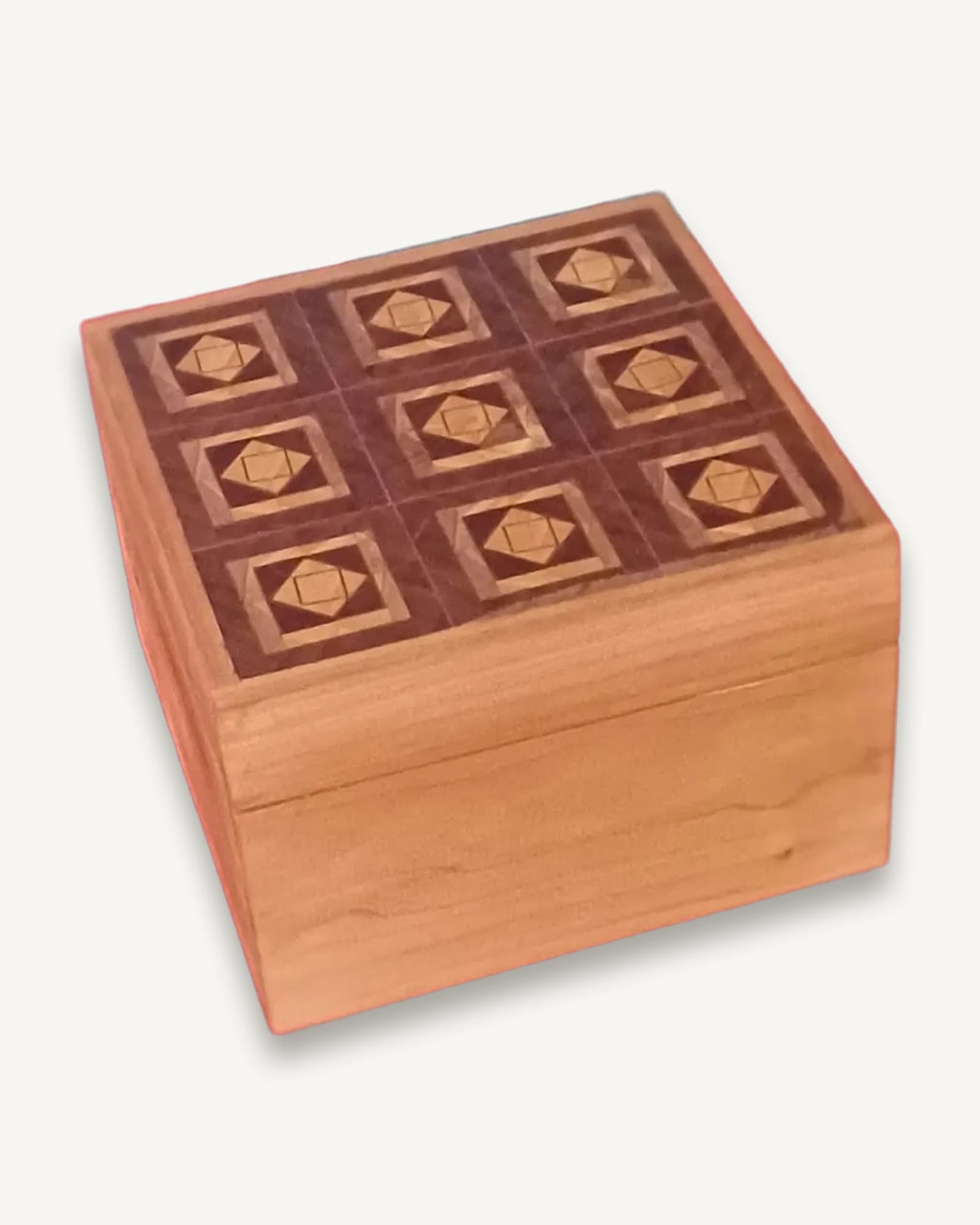
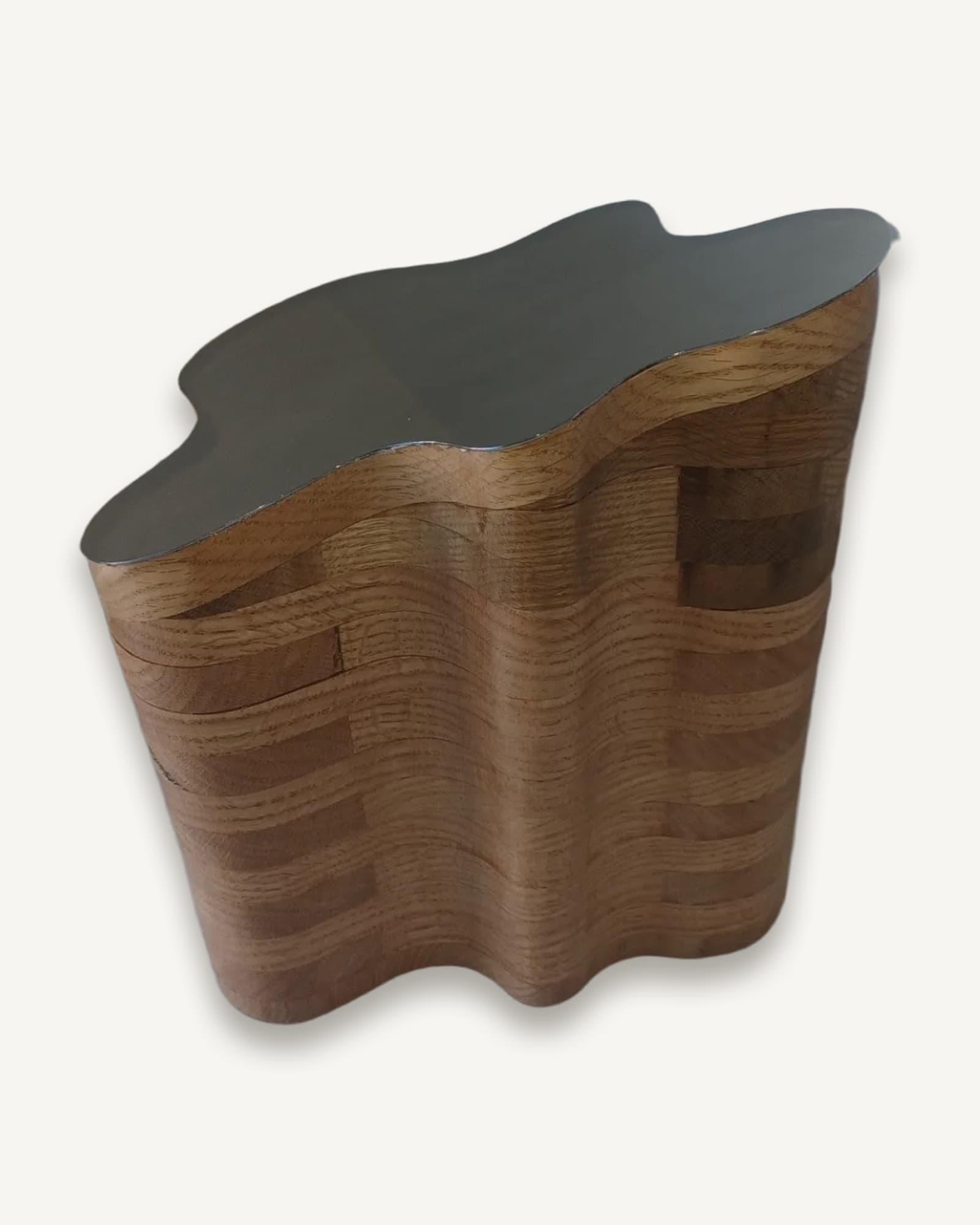
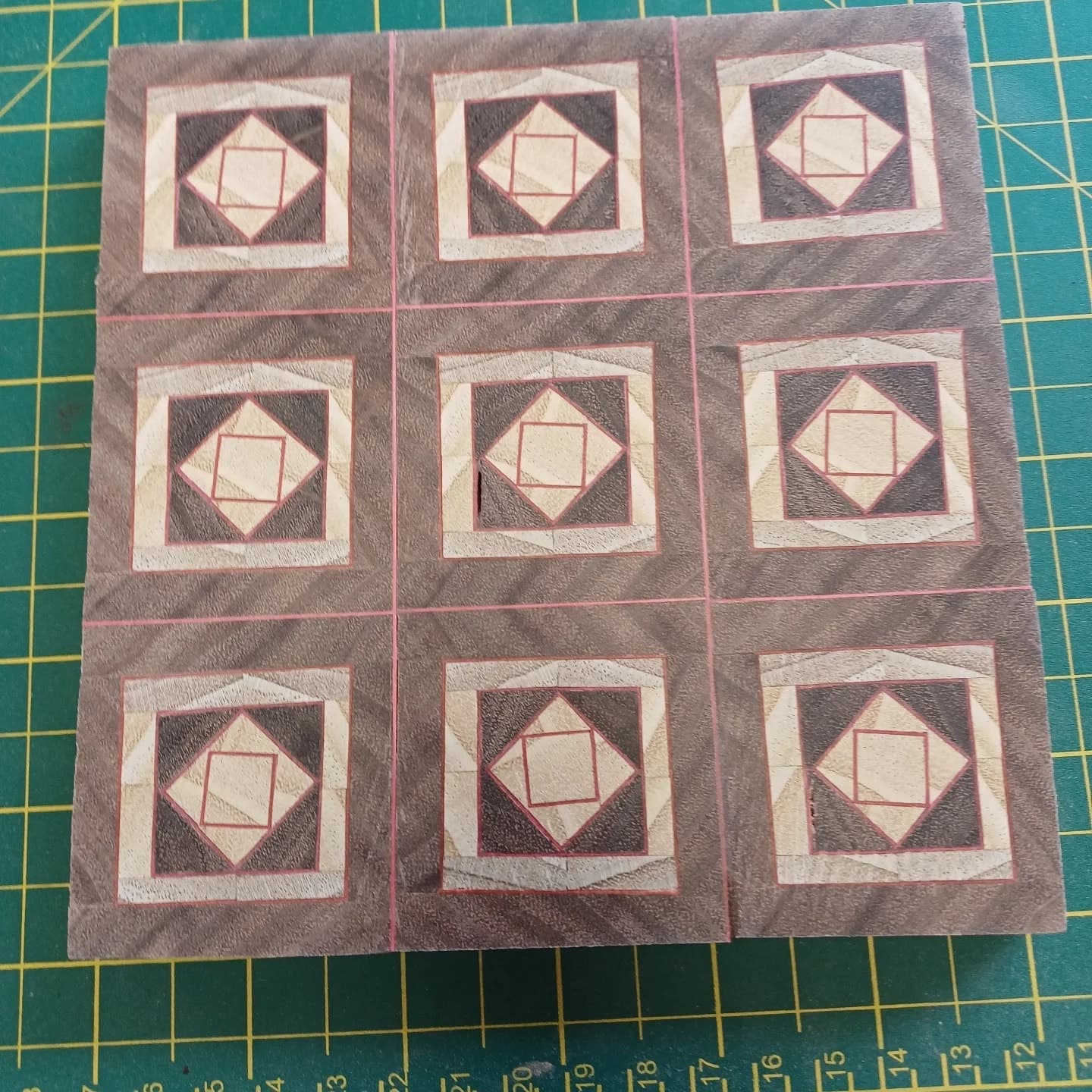
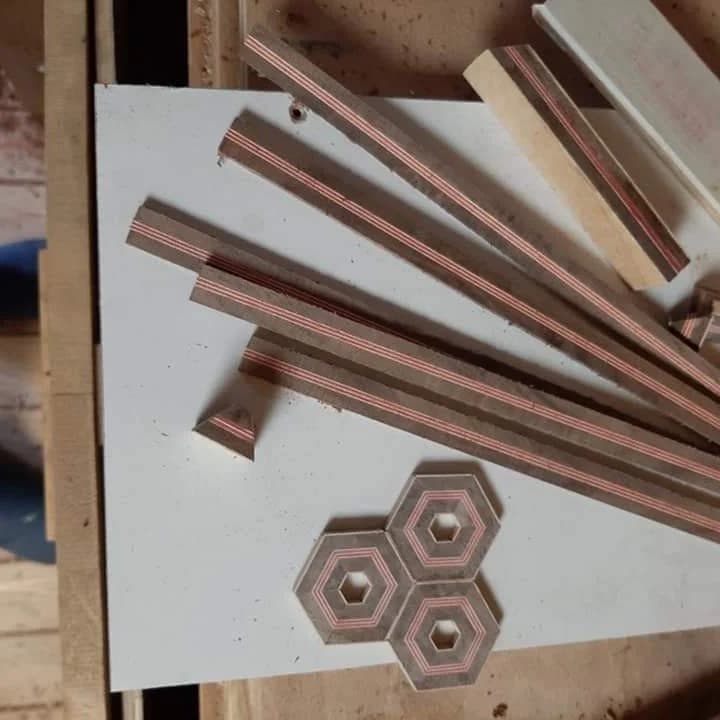
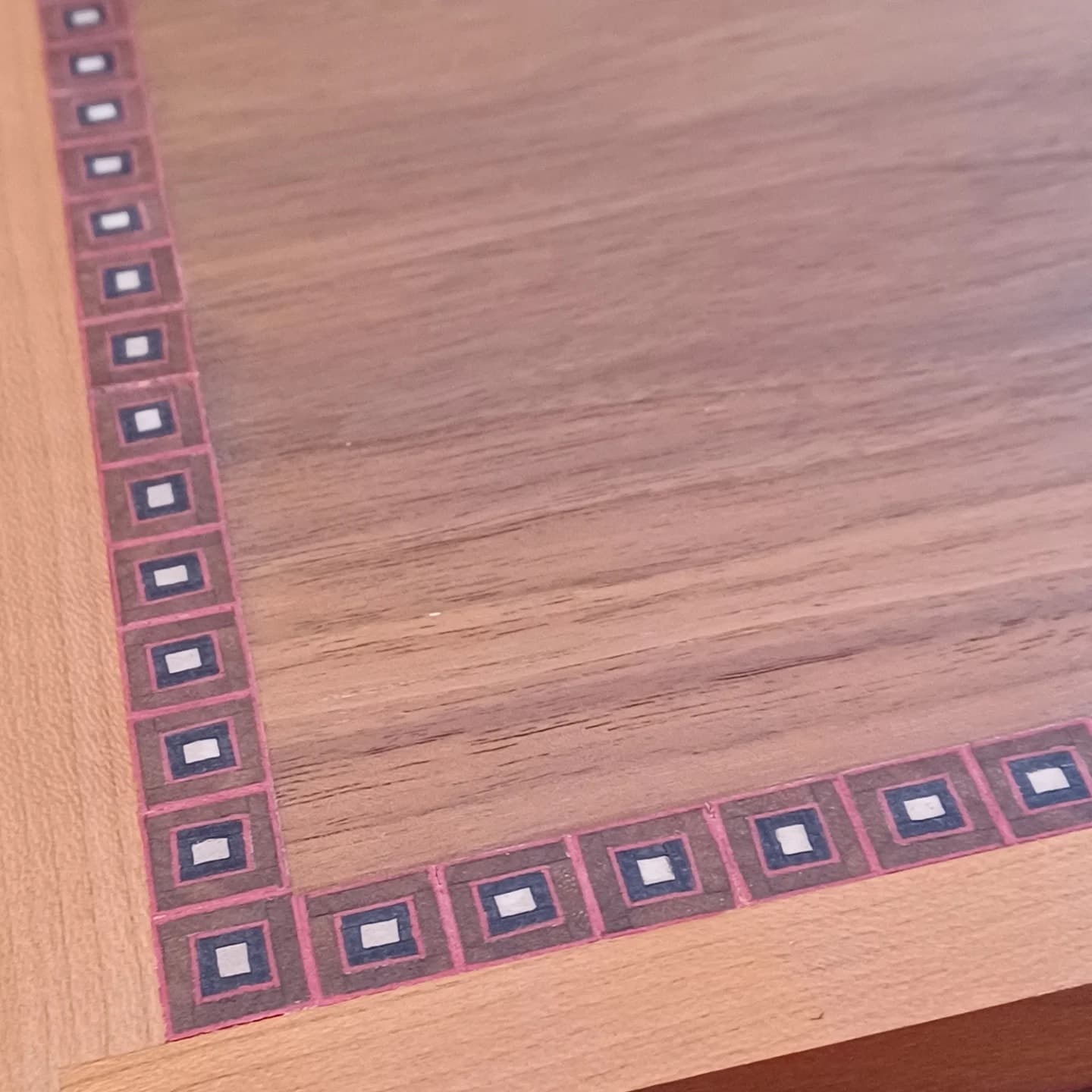
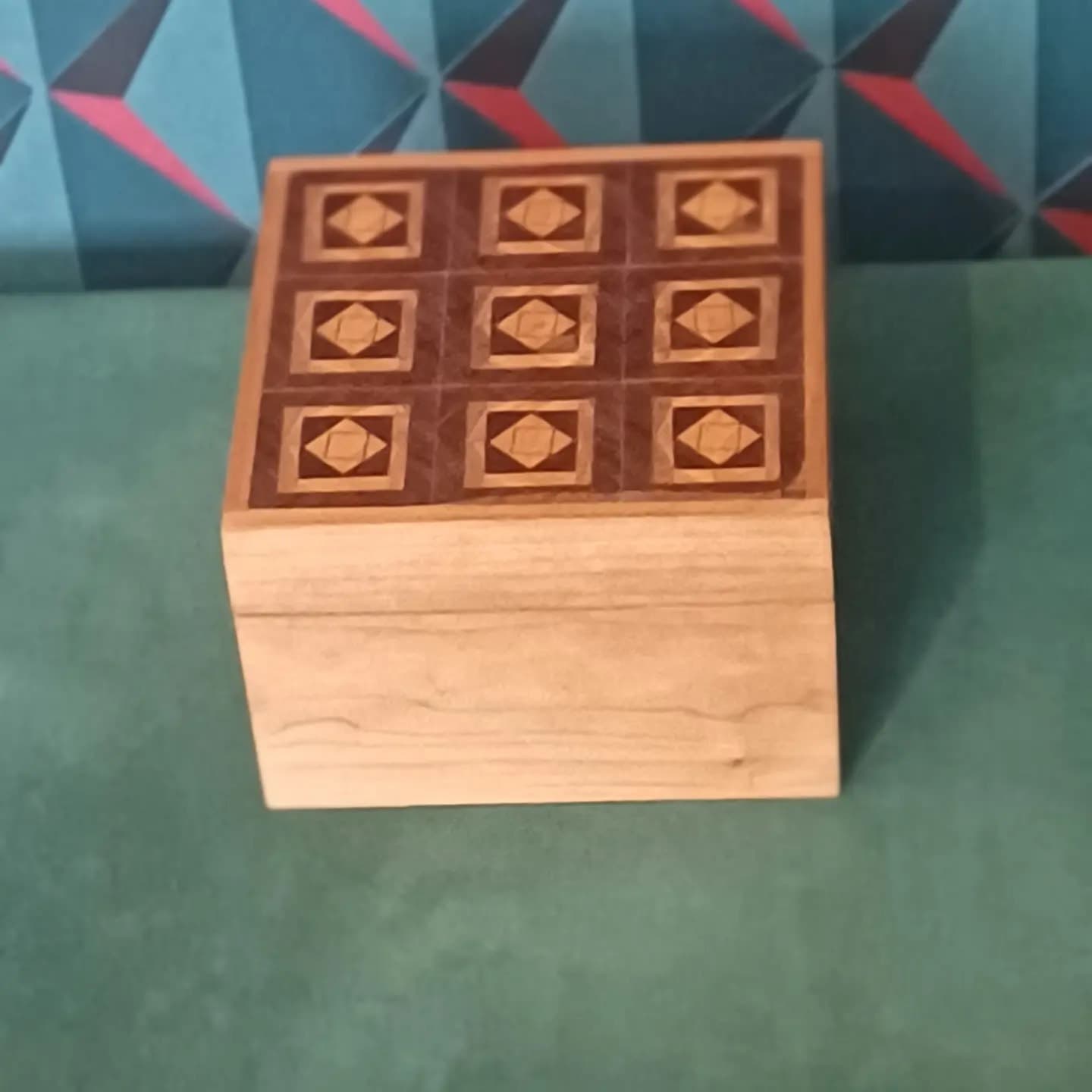
The pieces do not line up, and Alex Botes tells people so at shows, before they get the chance to ask. Look closely at the border of small squares running round a cherry lid and the spacing wanders. It is not machined, not laser cut, not CNC. Every piece was cut by hand on a bandsaw built for meat and bone, and the pieces are solid wood, five to seven millimetres thick. He tried working thin and gave it up: wood cut that fine splits, cracks, pings off the bench and is gone before you find it. So he works thick instead.
An average box is fifty to seventy hours. One jewellery box lid ran to eight hundred and sixty individually cut pieces and about two hundred hours. Alex is poor at repetition, by his own account, and rarely makes the same box twice; two spice boxes built to one drawing came out different enough that stacking them showed it. The lid is the part he enjoys. The body, he says, is functionality.
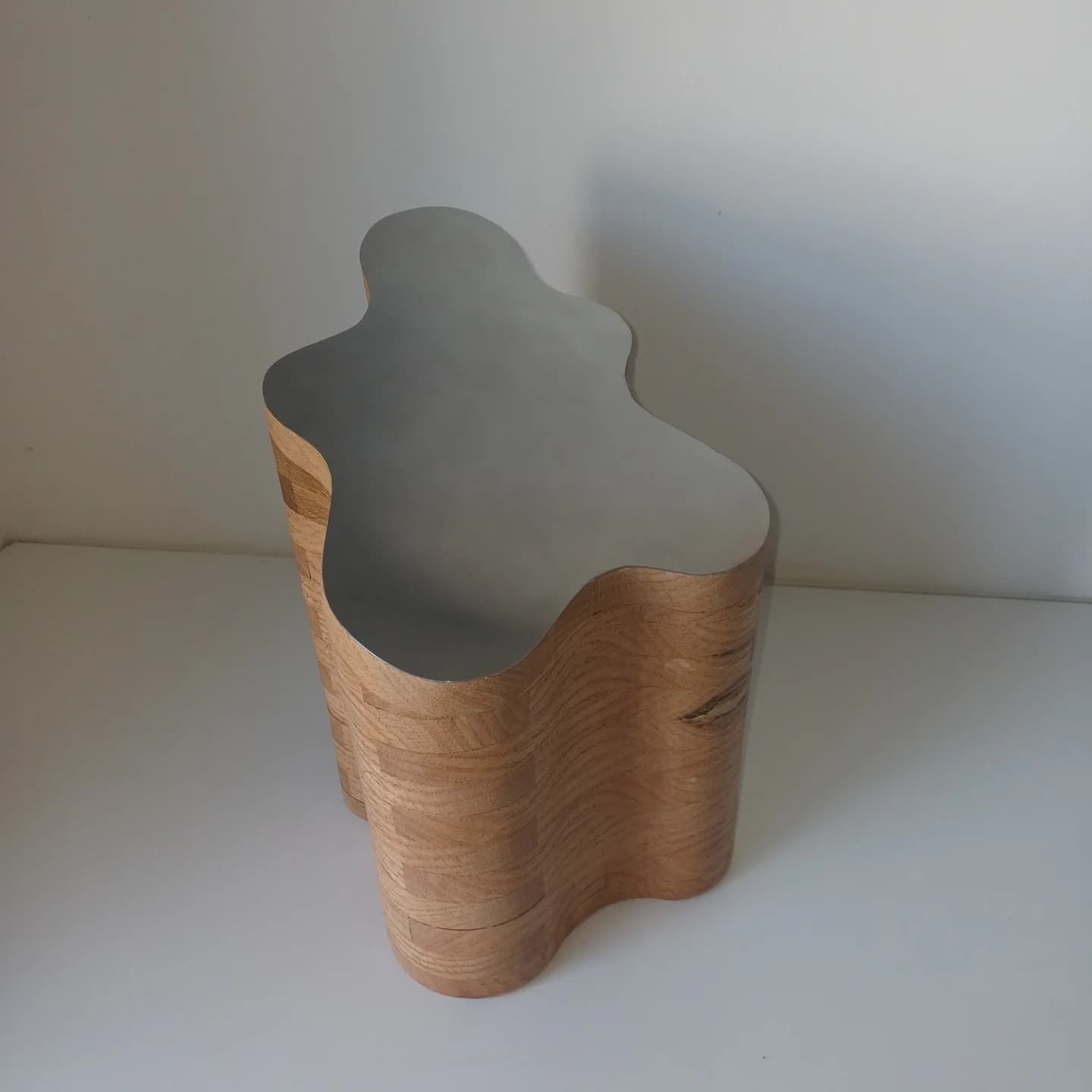
He tries not to buy new wood. A friend runs a sawmill in the same town, and Alex takes the offcuts nobody else wants, the gnarly bits with the interesting figure, left over from cedar cladding and kitchen hardwoods. He can tell you where any of it came from. The cedar in one box is old cladding off Keele University. The coconut in another arrived after a phone call from a man in Cornwall whose tree had blown over in a storm; it is brittle, shot through with bristles like porcupine needles, and other woodworkers had told him it was impossible to work. He is currently pulling apart whisky barrels at the end of their working lives, which otherwise go on the fire.
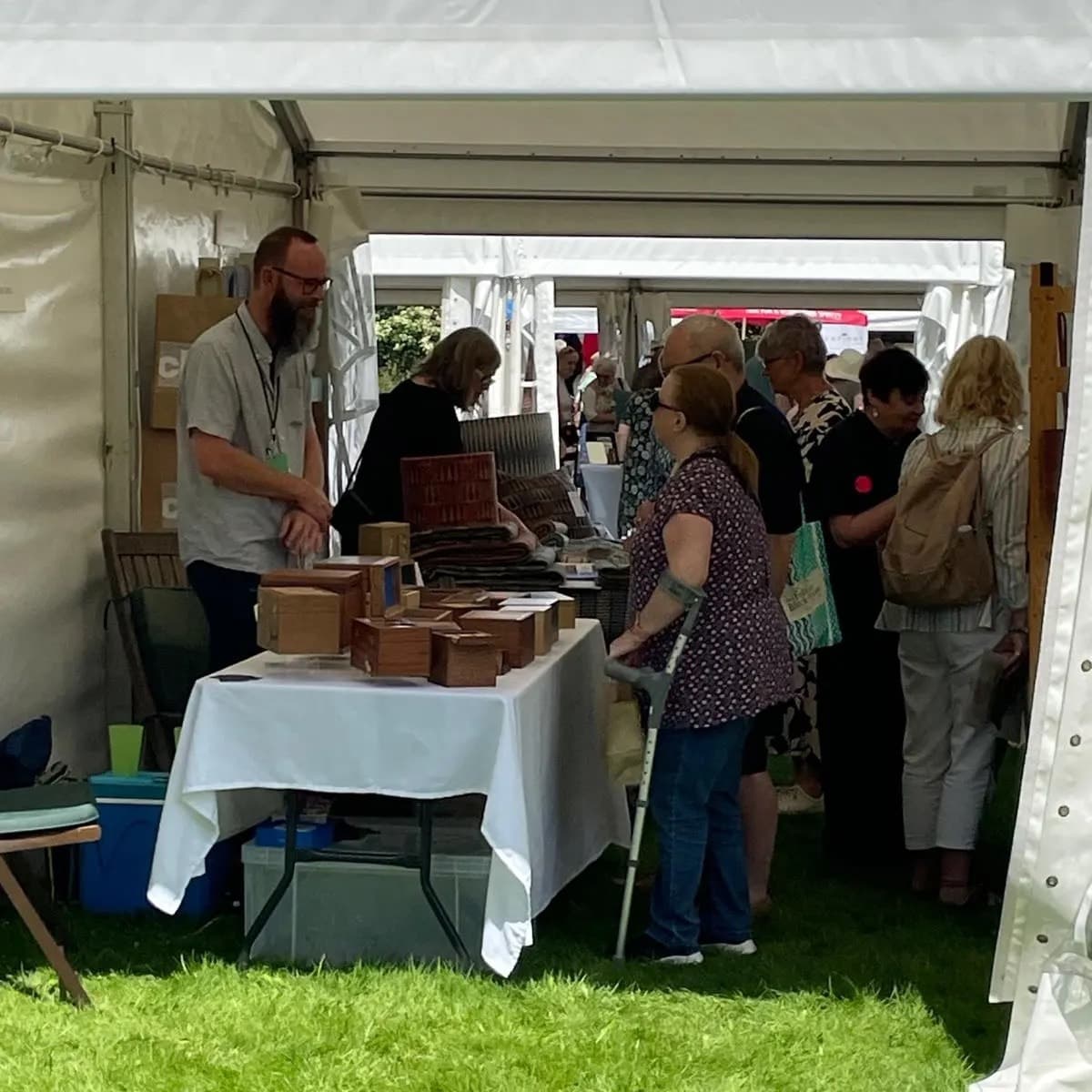
People at fairs kept telling Alex they could not see the value in one, and his wife worked out why: they did not know what to put in it. He keeps three himself. One in the hall takes his odds and ends, one holds the car keys where nothing can scan them, and a third sits in the wardrobe with his wedding inside it. He has also built a cigar box to a man's exact measurements, kitchen spice boxes with cherry hinges chosen so nothing rusts or taints what is inside, a box sized for mahjong tiles, and an urn. Bring him the thing you want kept and the space it has to sit in.
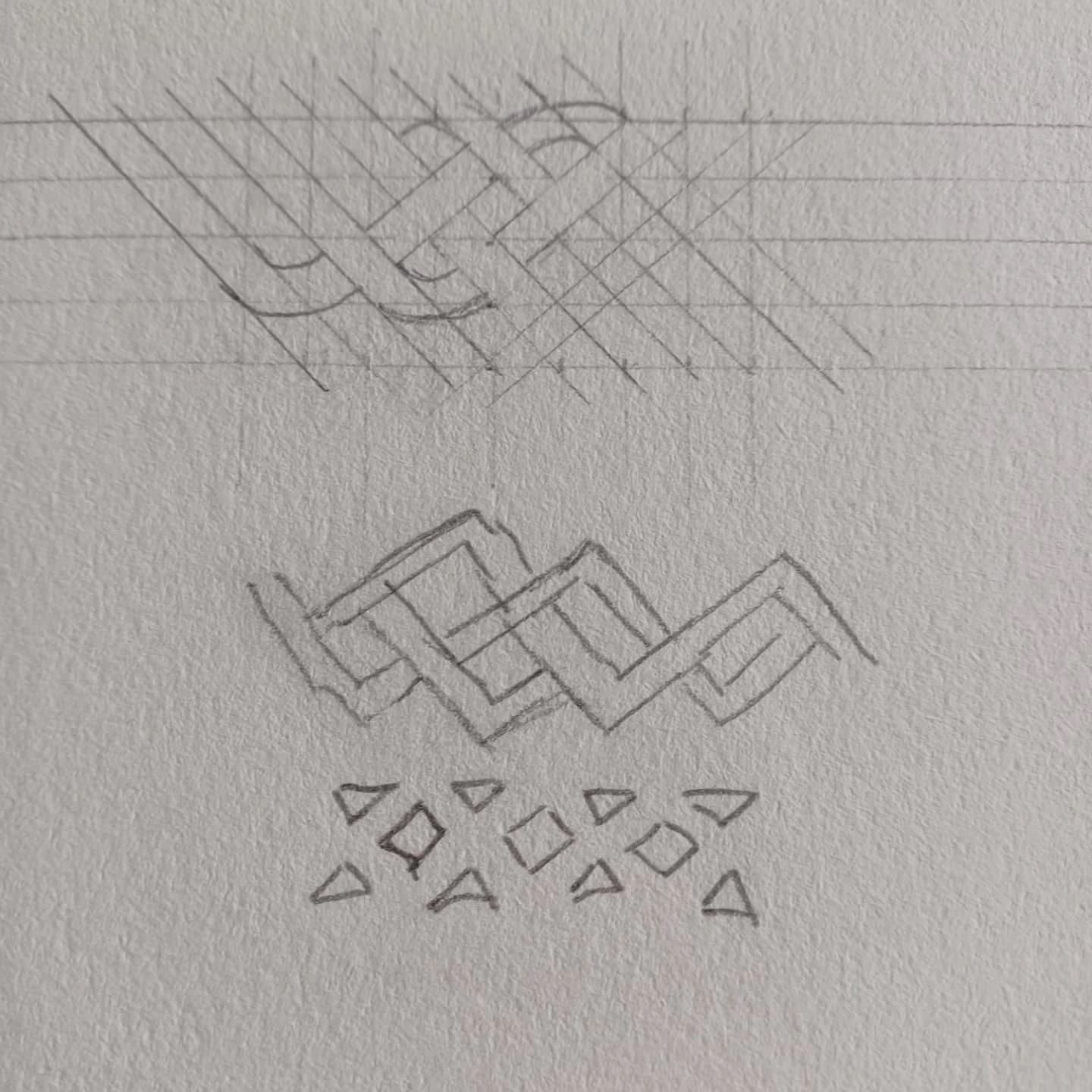
Alex started in a shed, out of boredom, with no room and no budget for big machinery. Boxes suited the constraint. He likes to work small and fine, and it has to be done by hand. He calls boxmaking a dying craft, which is part of why he took it up.
Salvaged first: sawmill offcuts, cladding stripped off a university building, a wind-fallen tree from a Cornish garden, whisky barrels at the end of their lives. Solid hardwood wherever it will work, usually five to seven millimetres for the decorative pieces. He uses veneer only where it is genuinely the right answer. Interiors are lined in leather or suede, and the outsides finished in Danish oil.