

Bespoke commission

“My work is an ode to the imperfect.”
Duncan makes dining tables, coffee tables, benches, side tables and bed frames to commission, and chopping boards to any size. He can find the timber through the sawmills he works with, or you can go with him to choose the slab yourself. For metal legs he works with a local blacksmith.
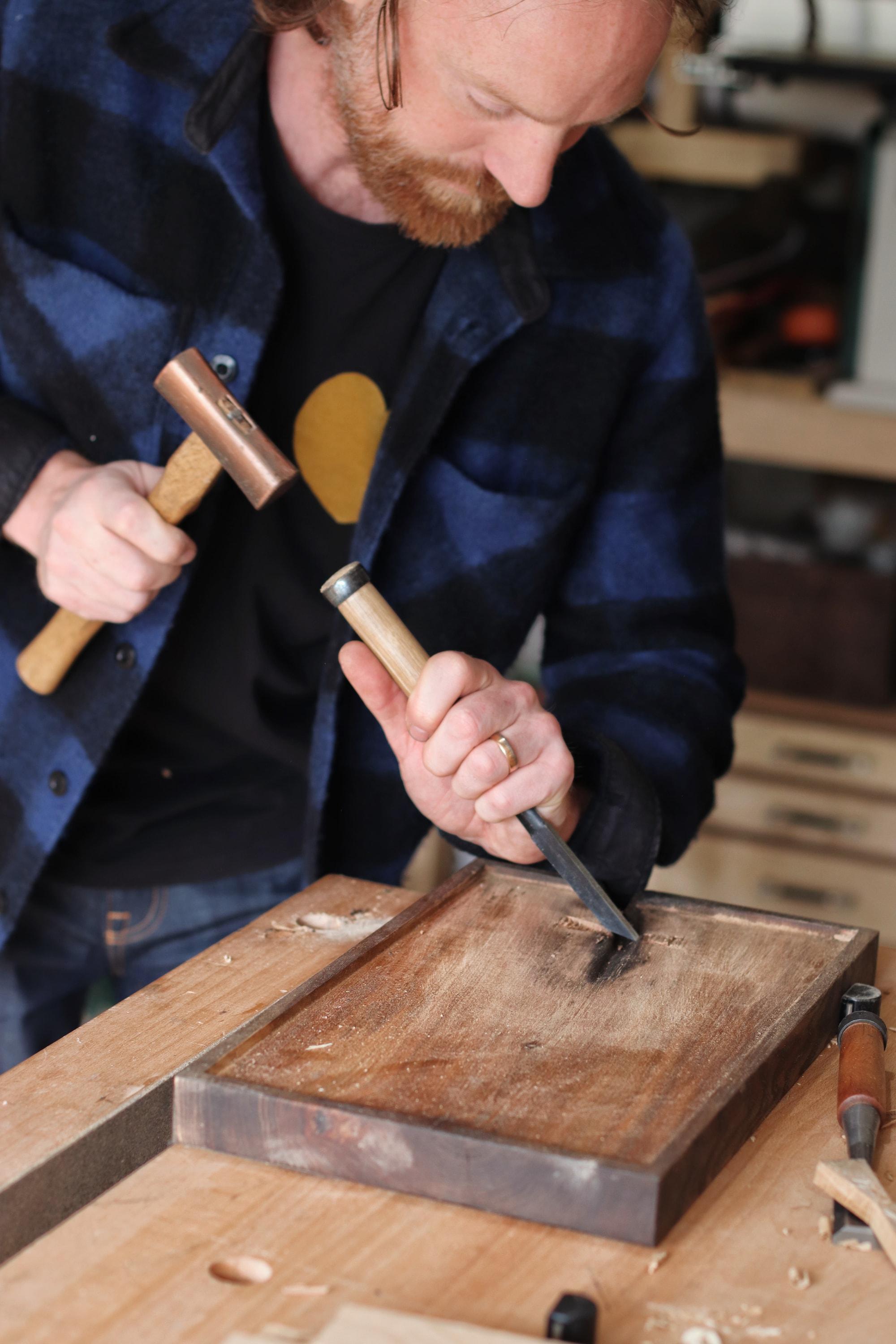
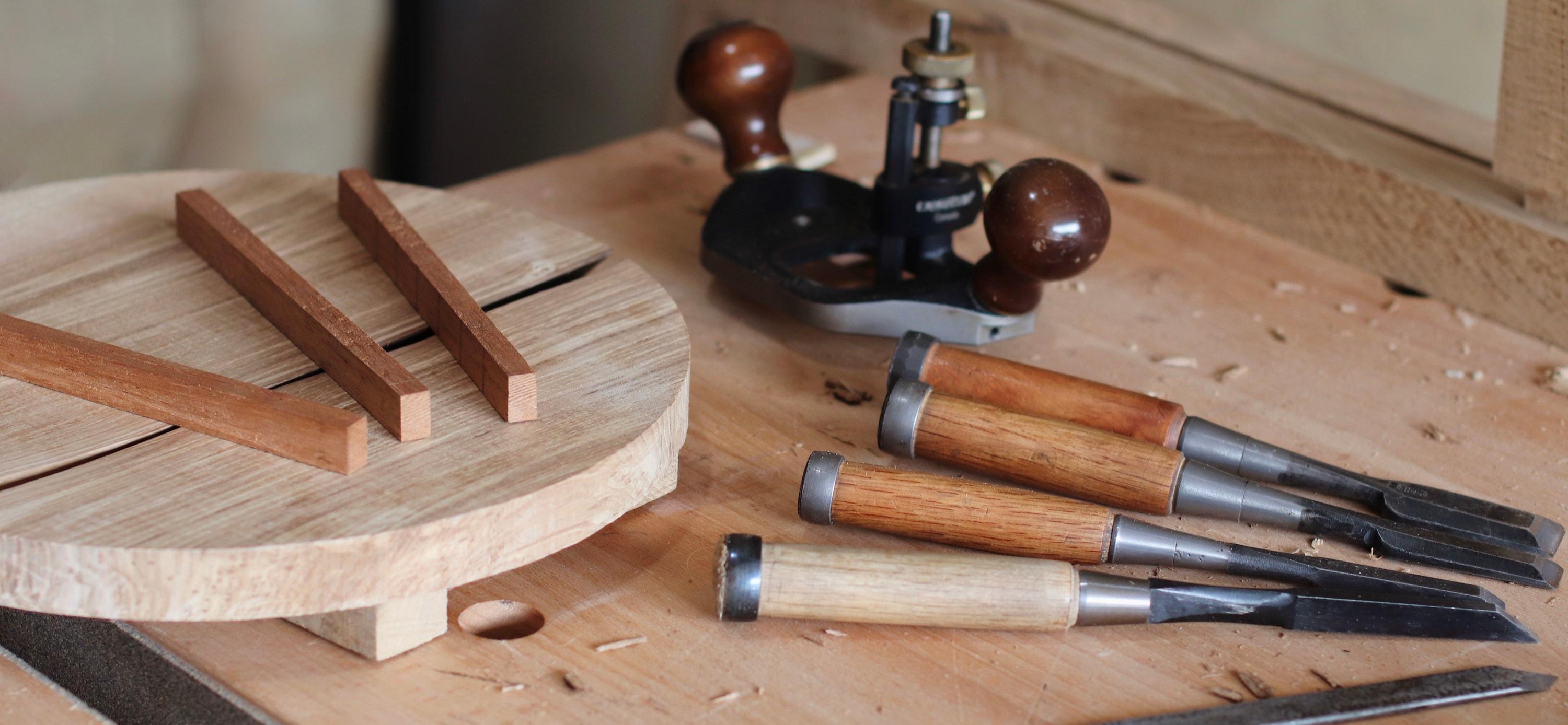
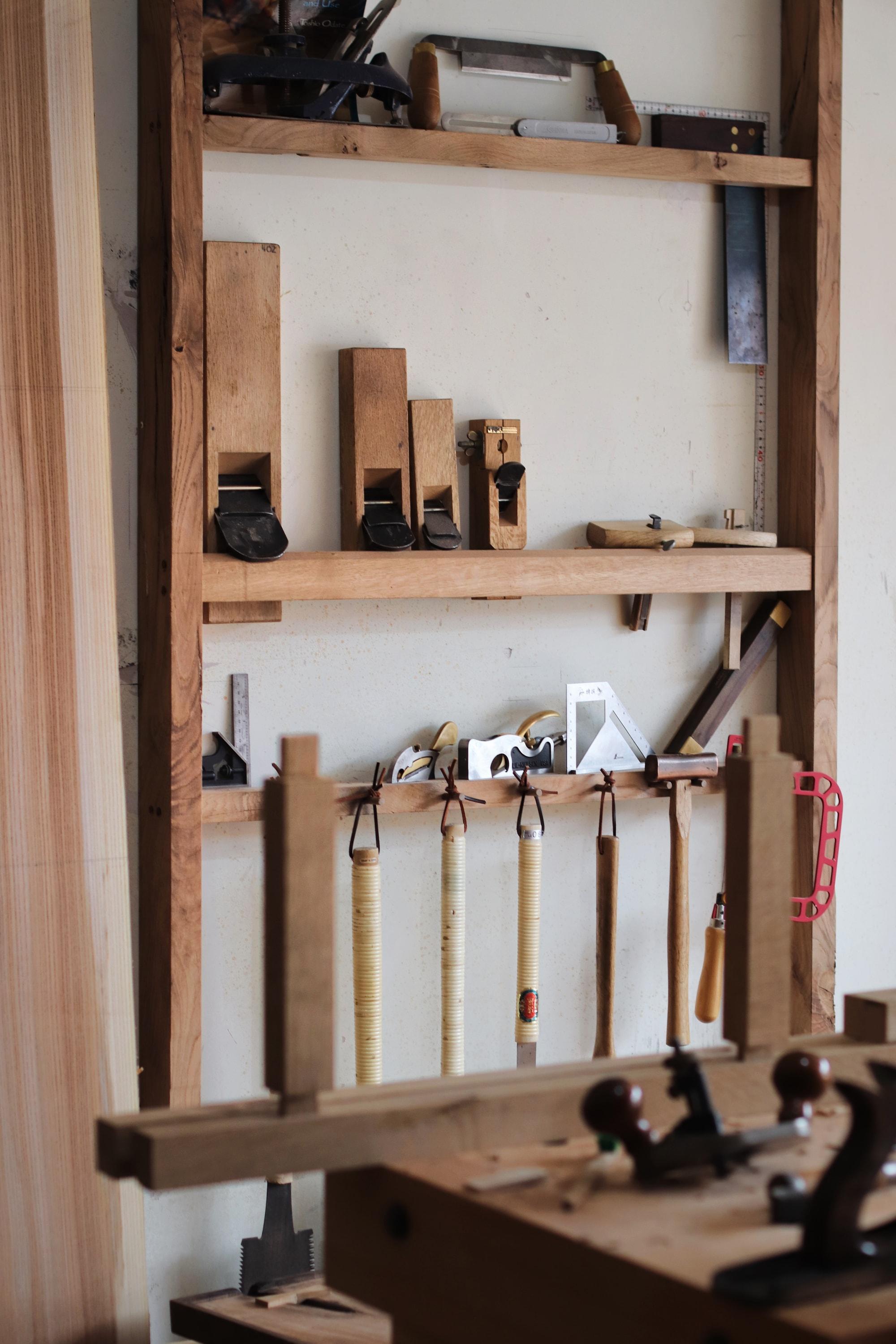
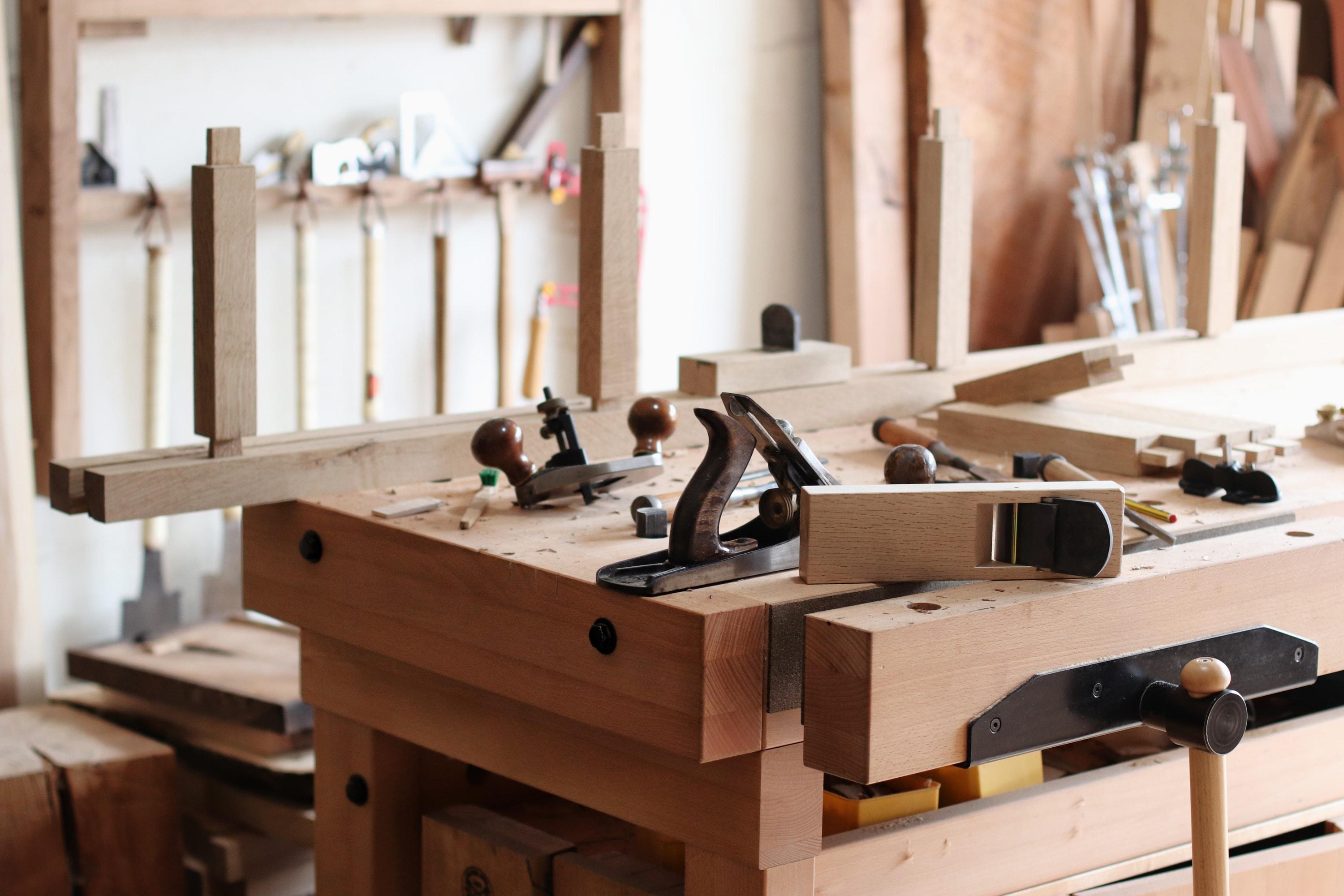
Duncan makes tables, benches and smaller pieces for the kitchen from native hardwoods, mostly oak, ash, elm, walnut and yew. He picks boards with knots and splits, and builds each piece around them rather than cutting them out. Most of the joints are cut by hand, and most of his tools are Japanese.
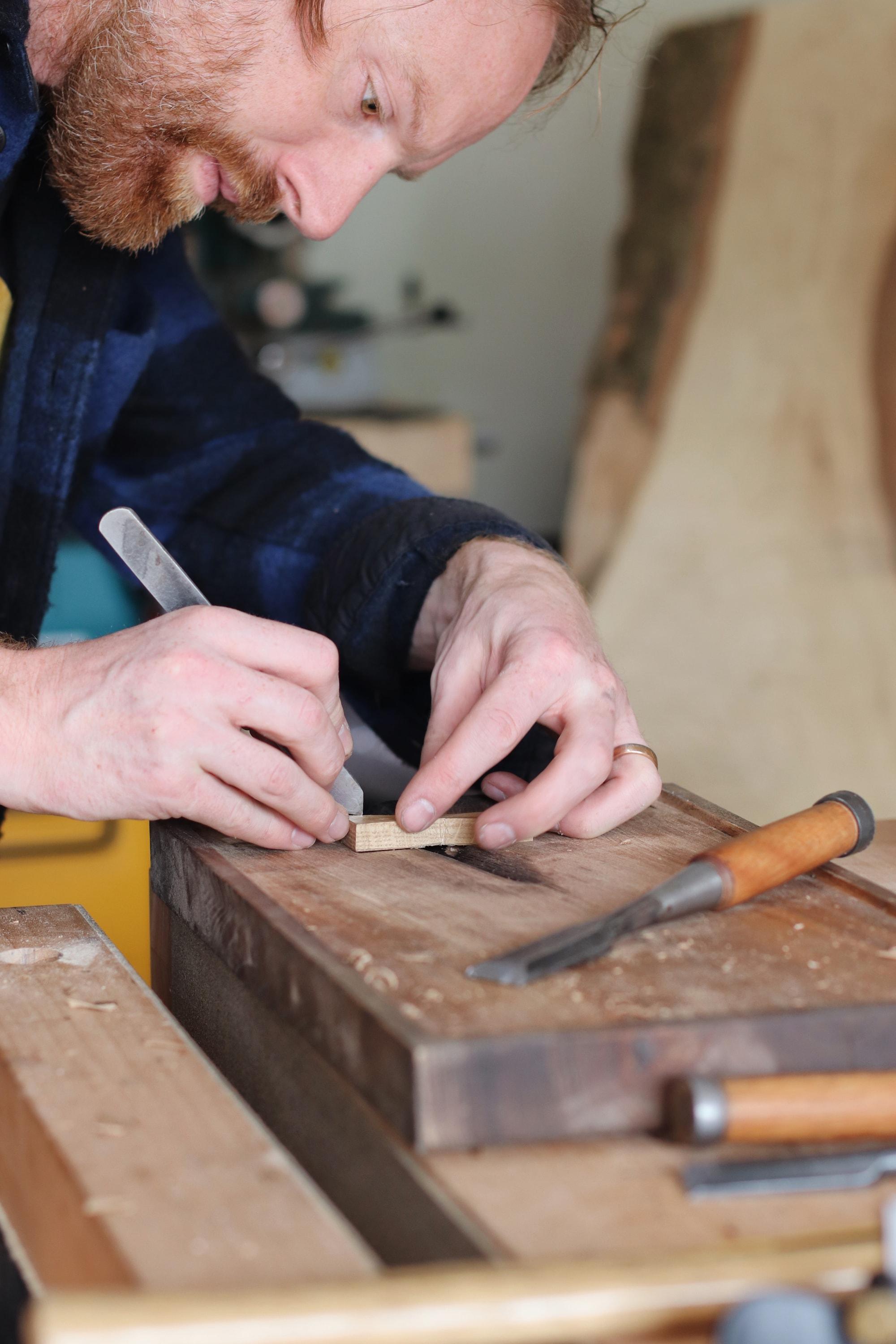
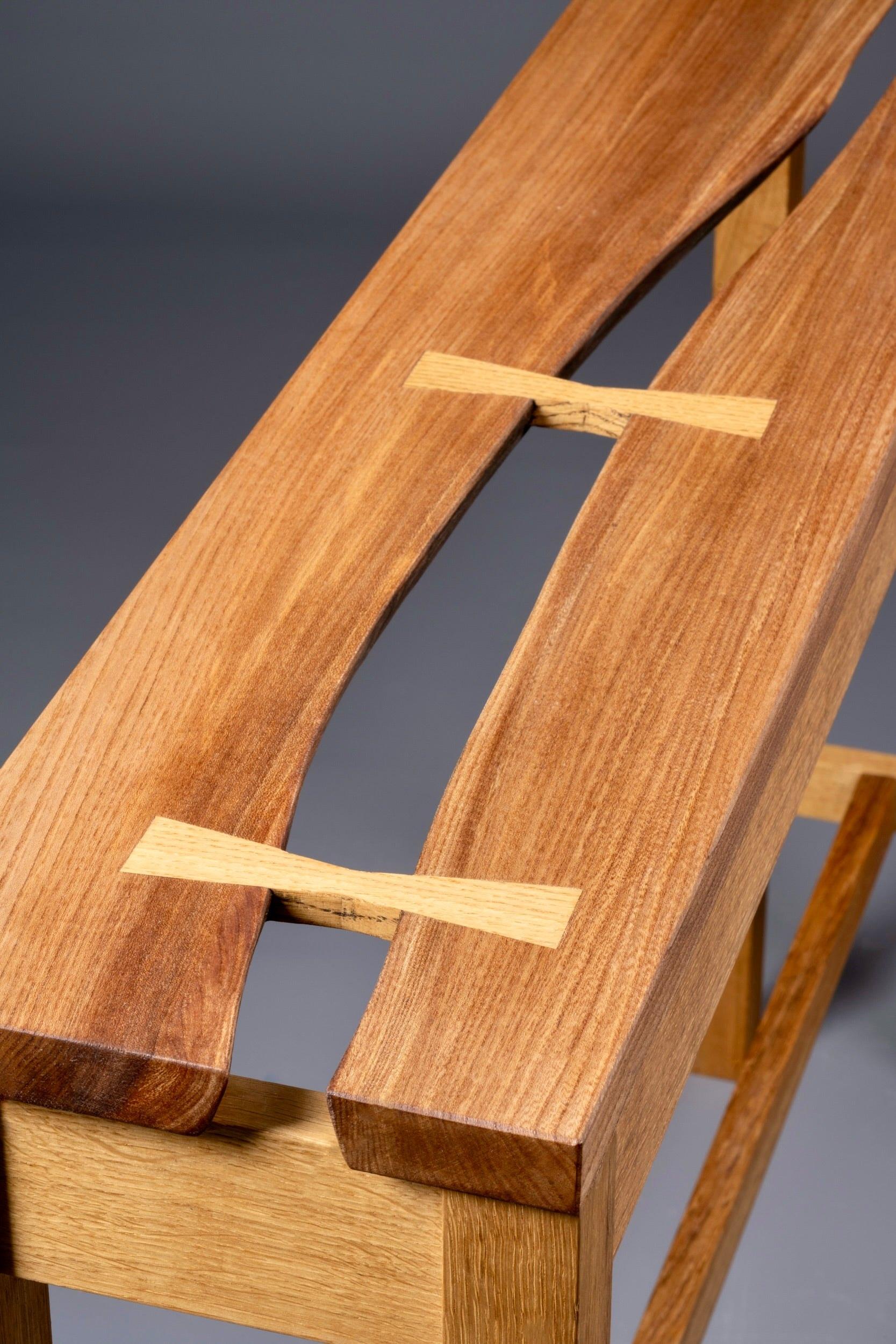
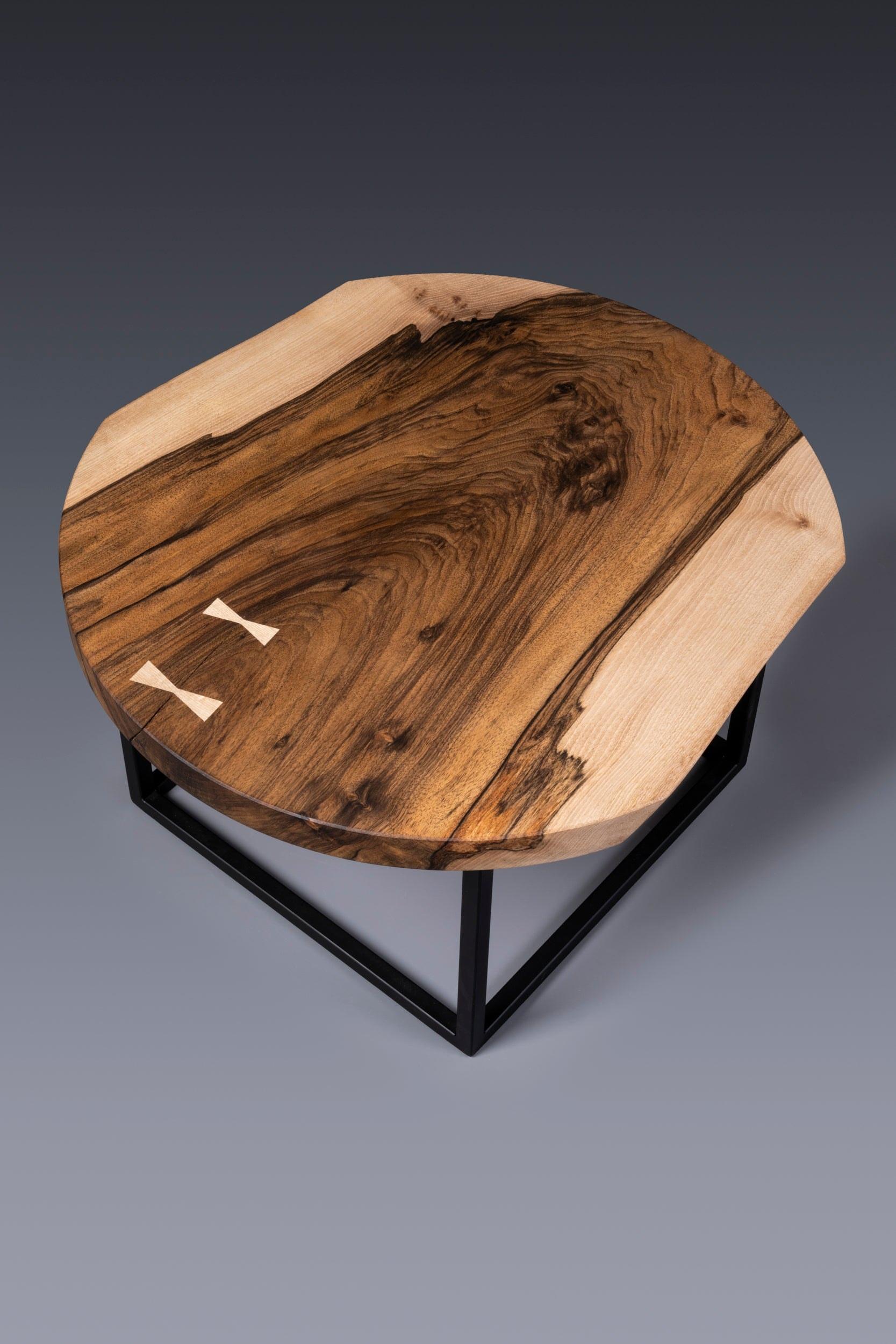
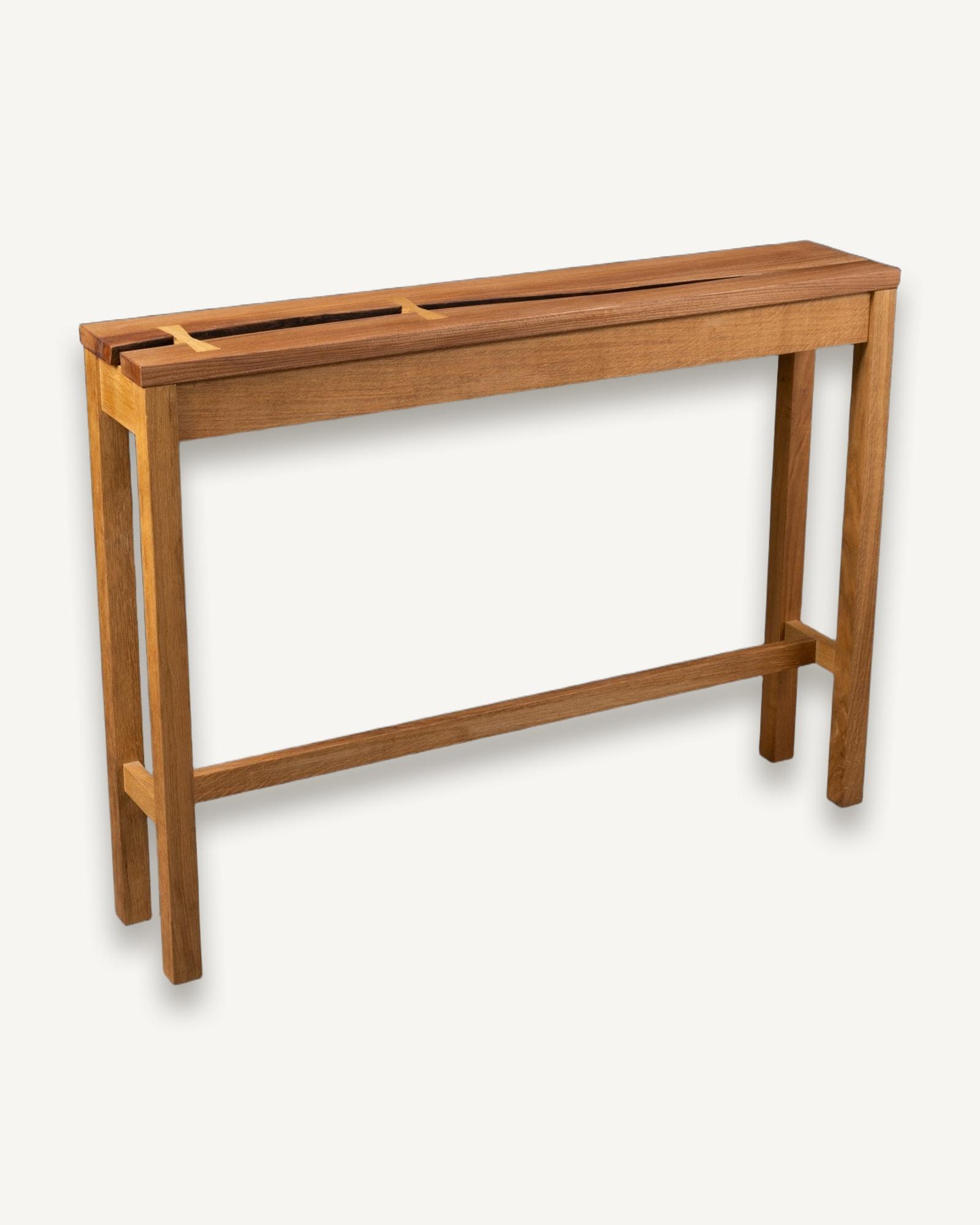
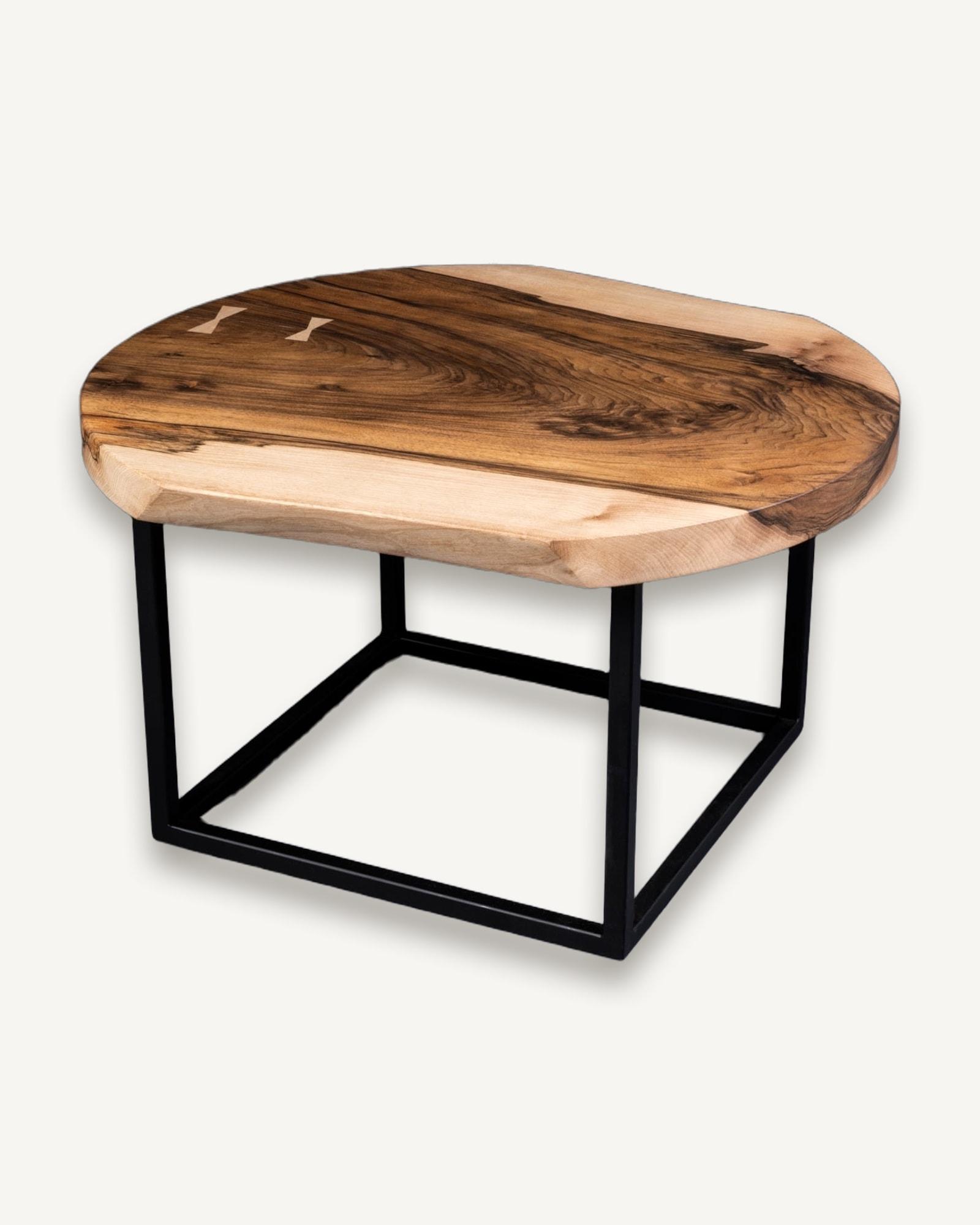
Where a board has split, Duncan sets a small bow-tie shaped piece of wood, called a butterfly, into the surface across the crack to stop it opening further. On the Walnut Planaid coffee table, made from a single slab of an Irish walnut that came down in a storm in Enniskillen, the butterflies are cut from the same tree's pale sapwood. For the Leven console table he split a length of Scottish elm, opened it out like a book and joined the two live edges with butterflies made from offcuts of the oak frame.
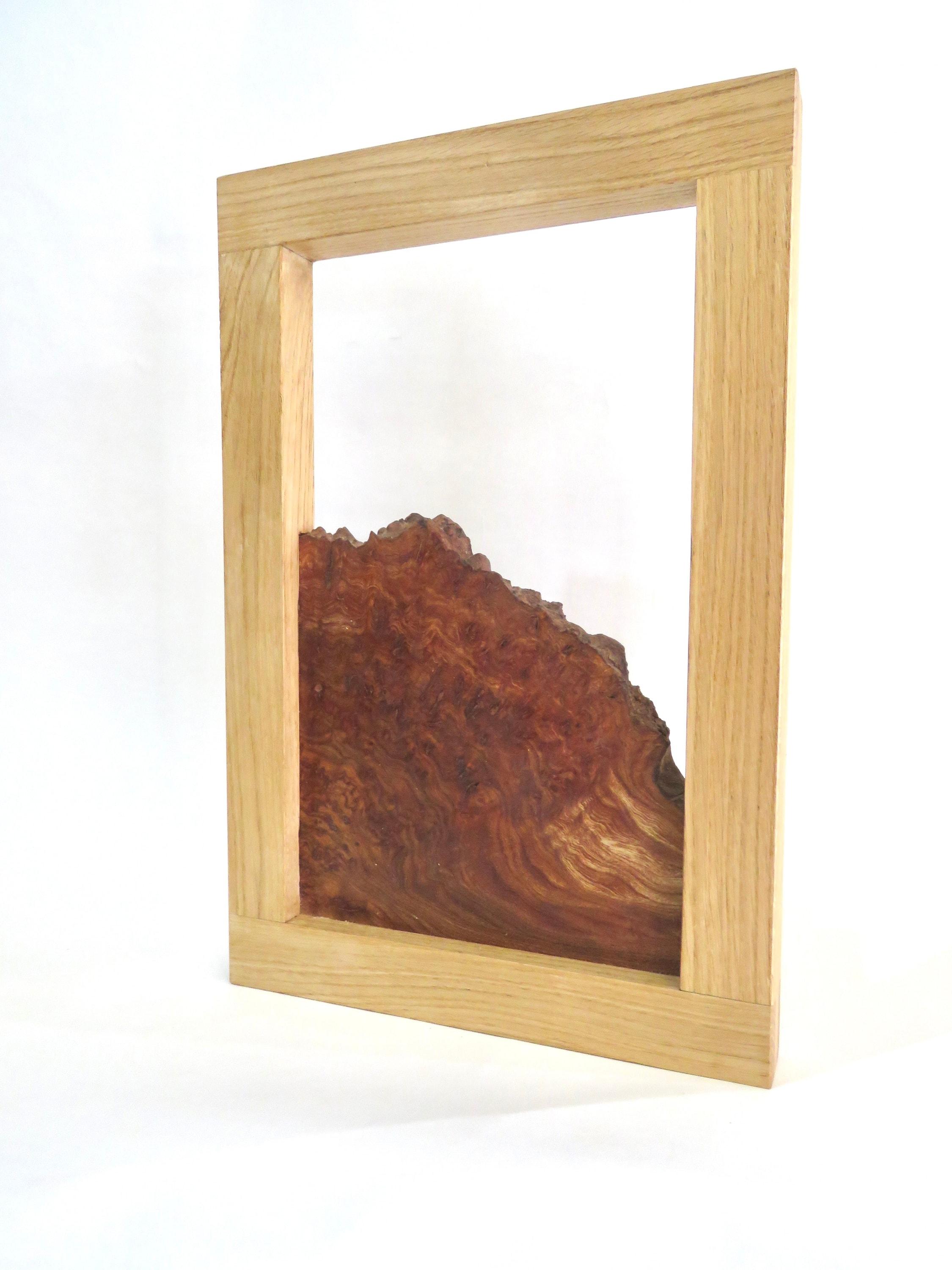
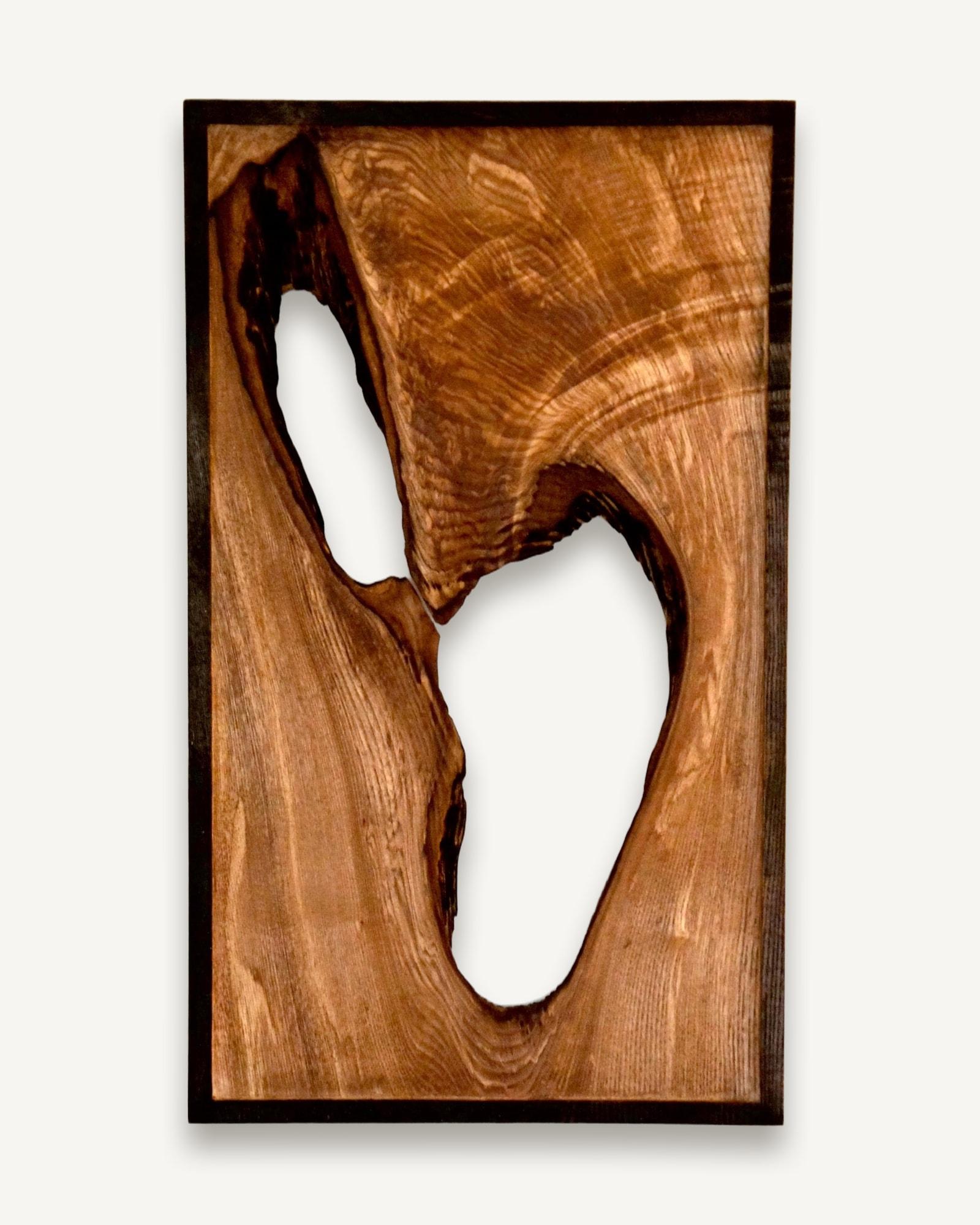
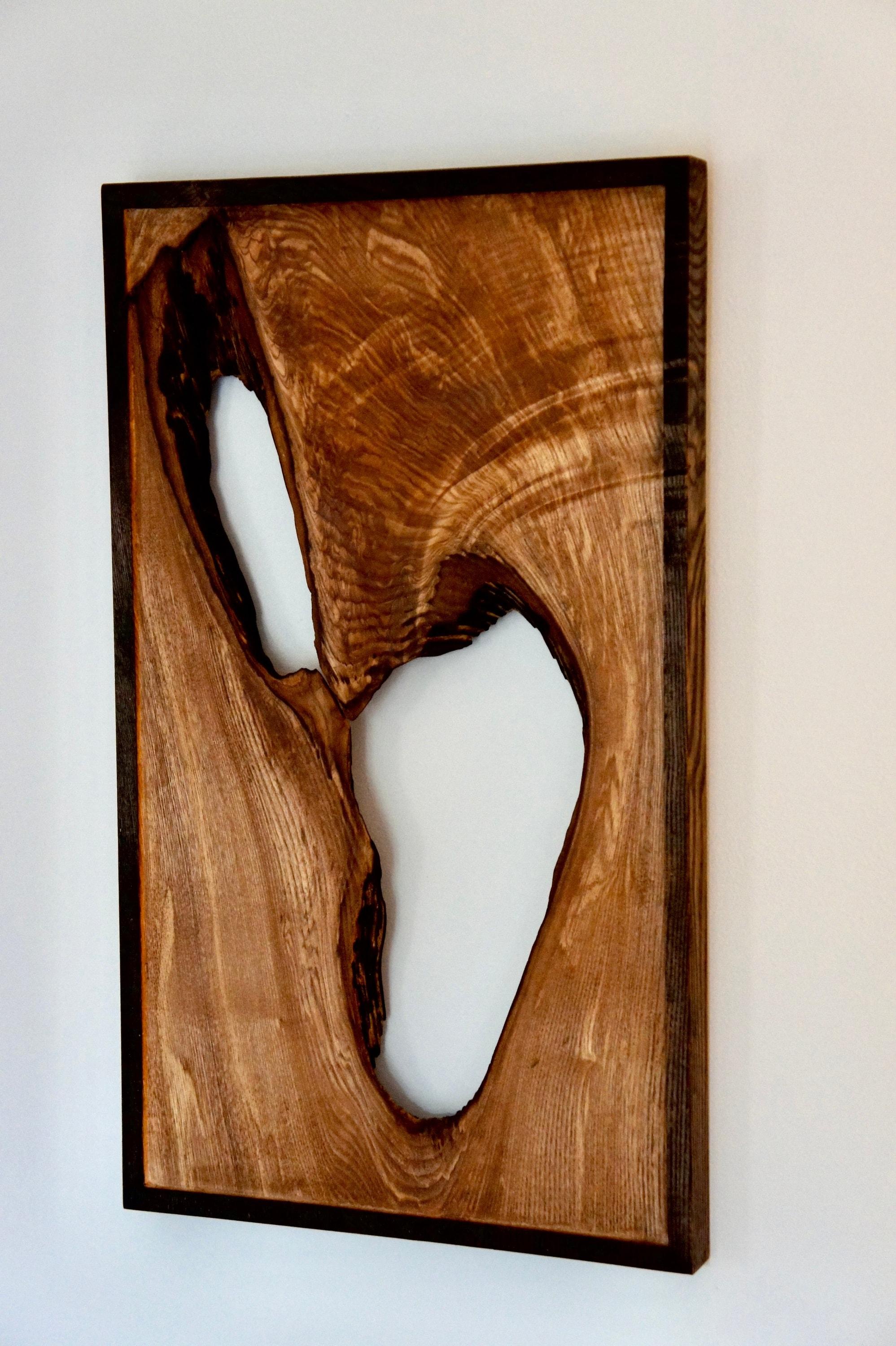
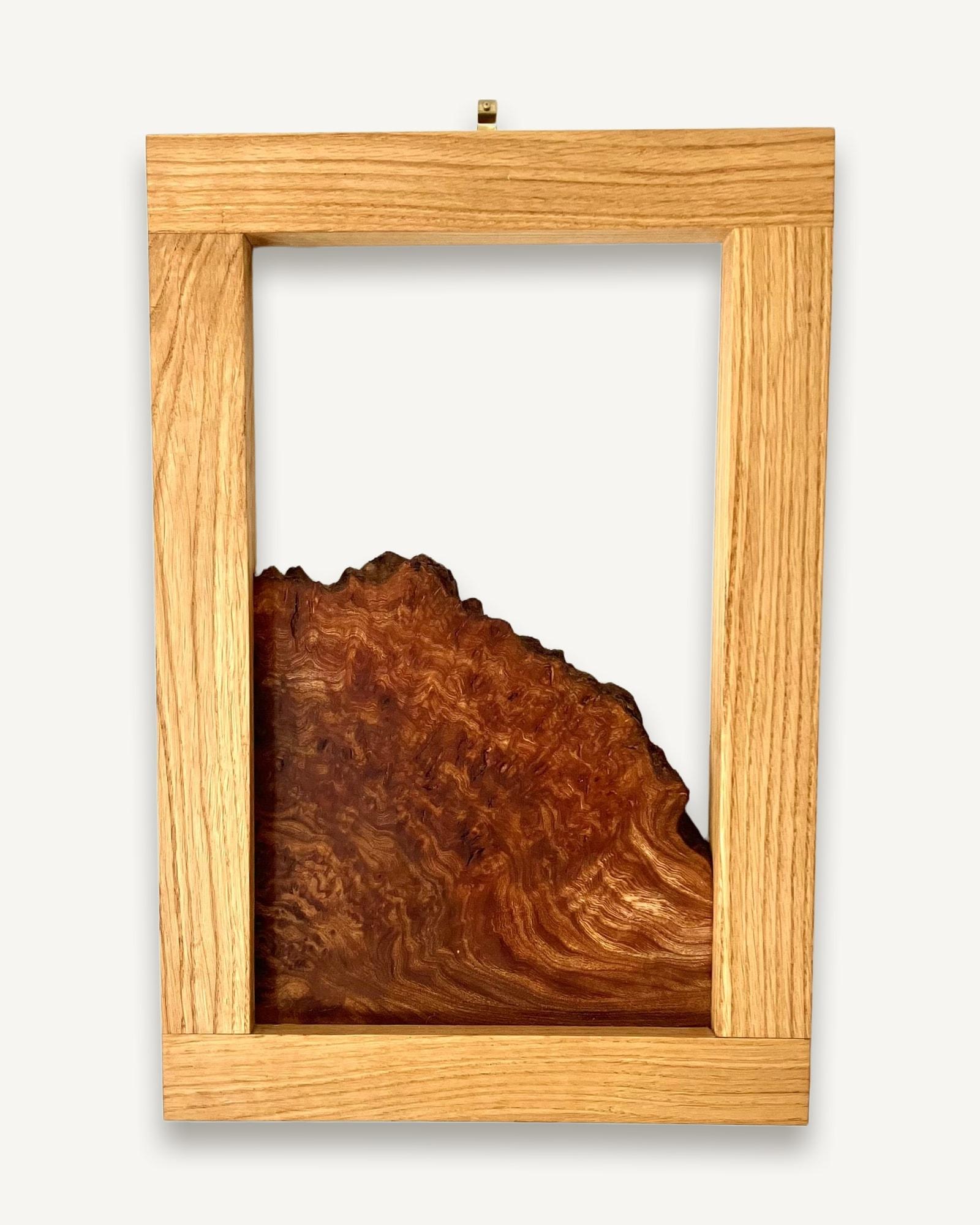
He buys from a few local sawmills that can tell him where each tree grew, and names the place on each piece. The burr elm in his wall pieces, The Wave, came from a tree near Knockdolian in Ayrshire. The oak in their frames was grown in County Wicklow and milled in Downpatrick. For every piece of furniture he sells, a native tree is planted in Ireland, and the buyer gets a certificate for it.
The smaller work is made from what the furniture leaves over: round bread boards in ash, oak and walnut, live-edge chopping boards, a lidded oak box and bud vases. Some have Gaelic names. Cruinn, the serving board, means rounded in both Scottish and Irish Gaelic, a name he chose as a Scot living in Ireland.
Dining tables, coffee tables, benches and bed frames are made to commission, and clients can go with him to the sawmill to choose the slab. He is a Licentiate of the Society of Designer Craftsmen.
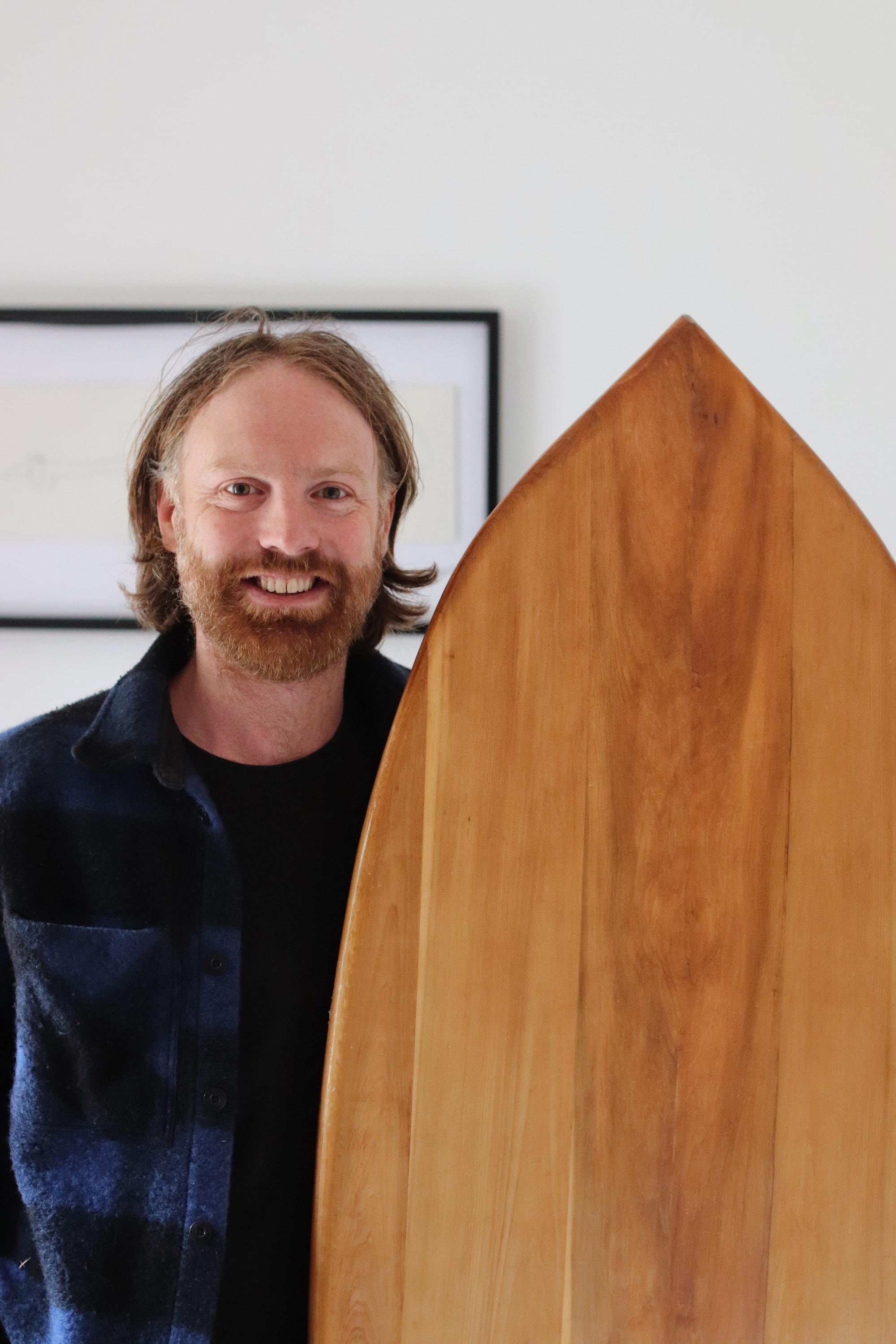
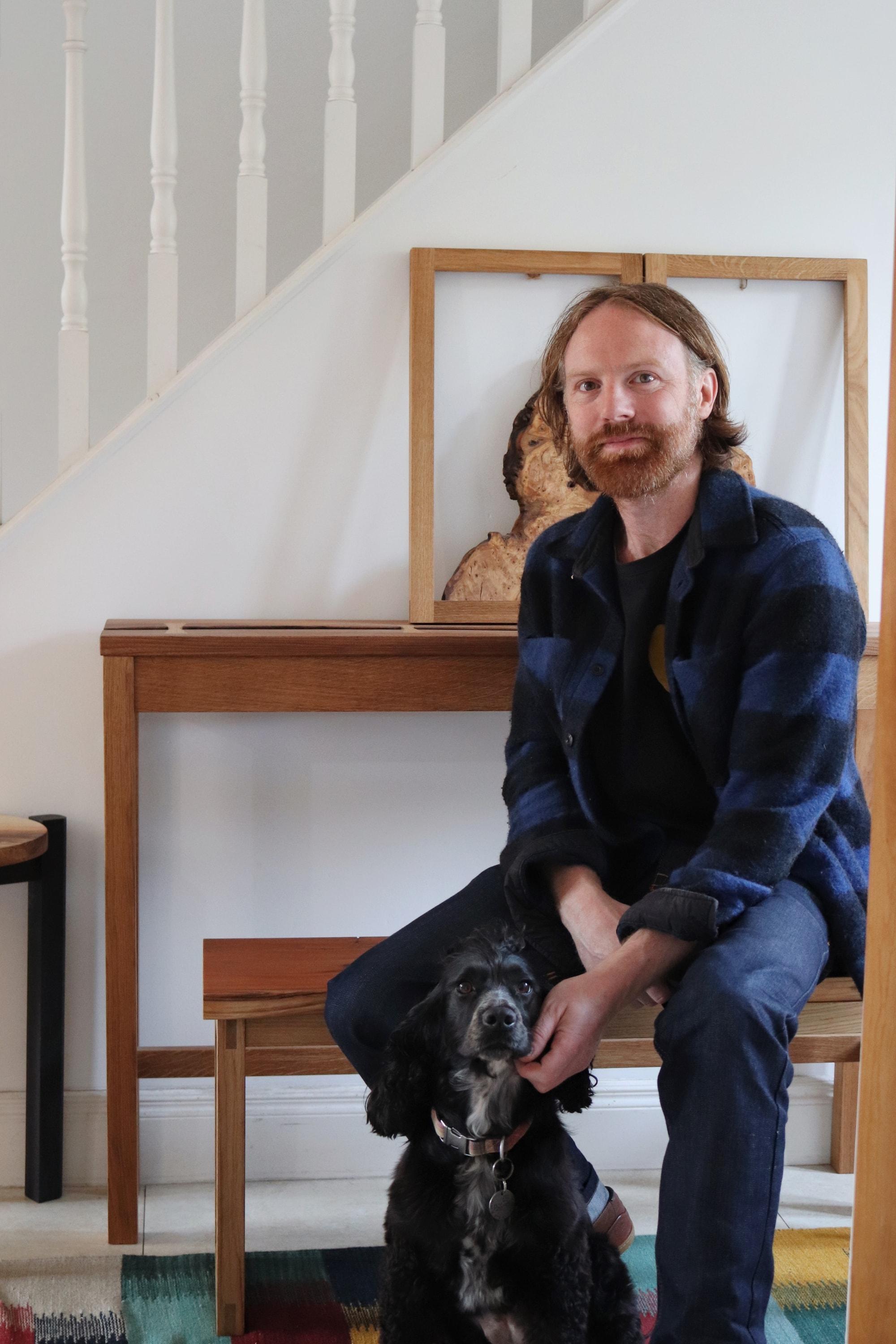
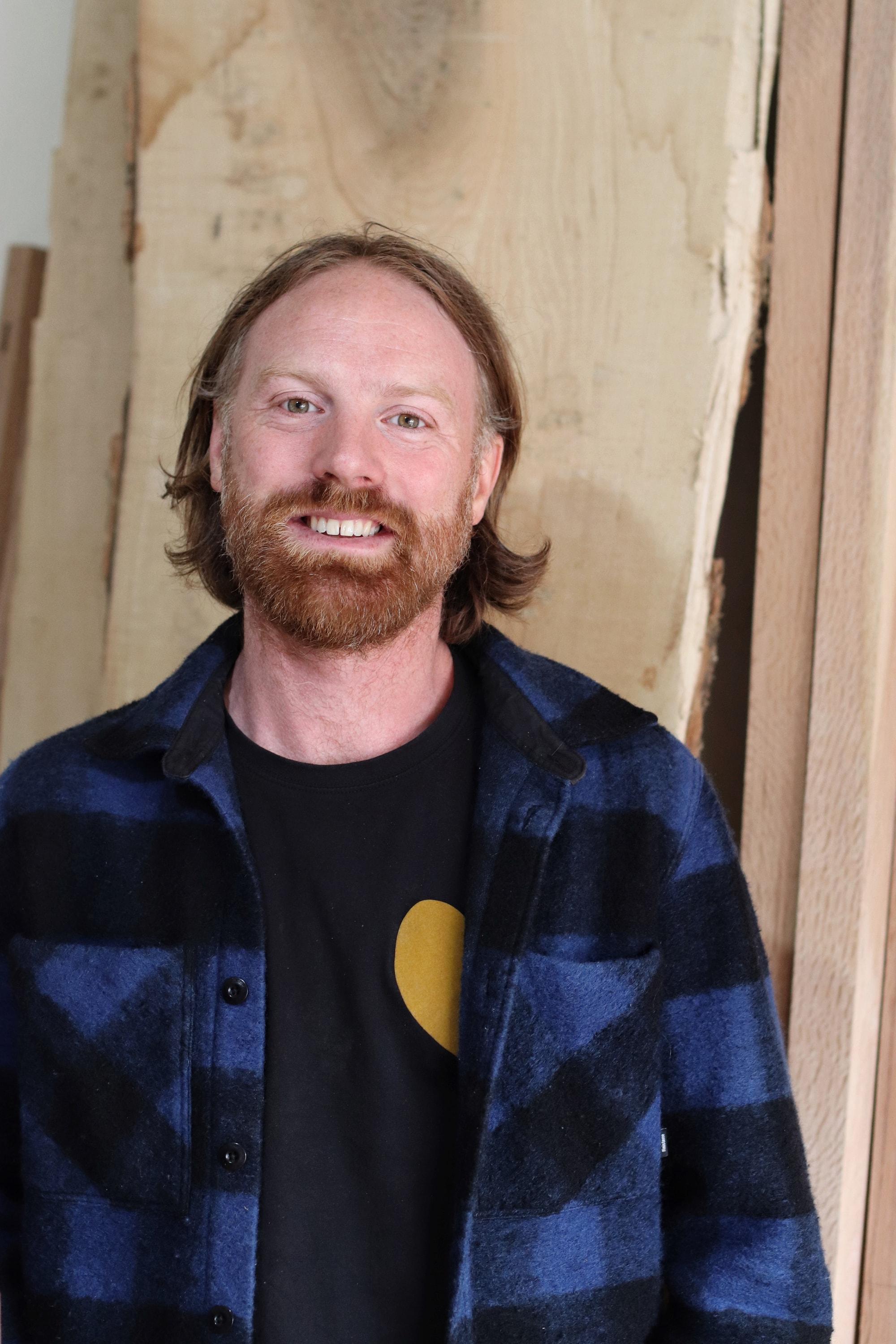
Duncan grew up in the Scottish Highlands, near Schiehallion. He got into woodworking by building a hollow wooden surfboard from a kit. After that he made a coffee table for his sister's new house and pieces for friends and family, alongside his job as an engineer. When he was made redundant he already had commissions waiting, and in October 2021 Bough and Burr became his job.
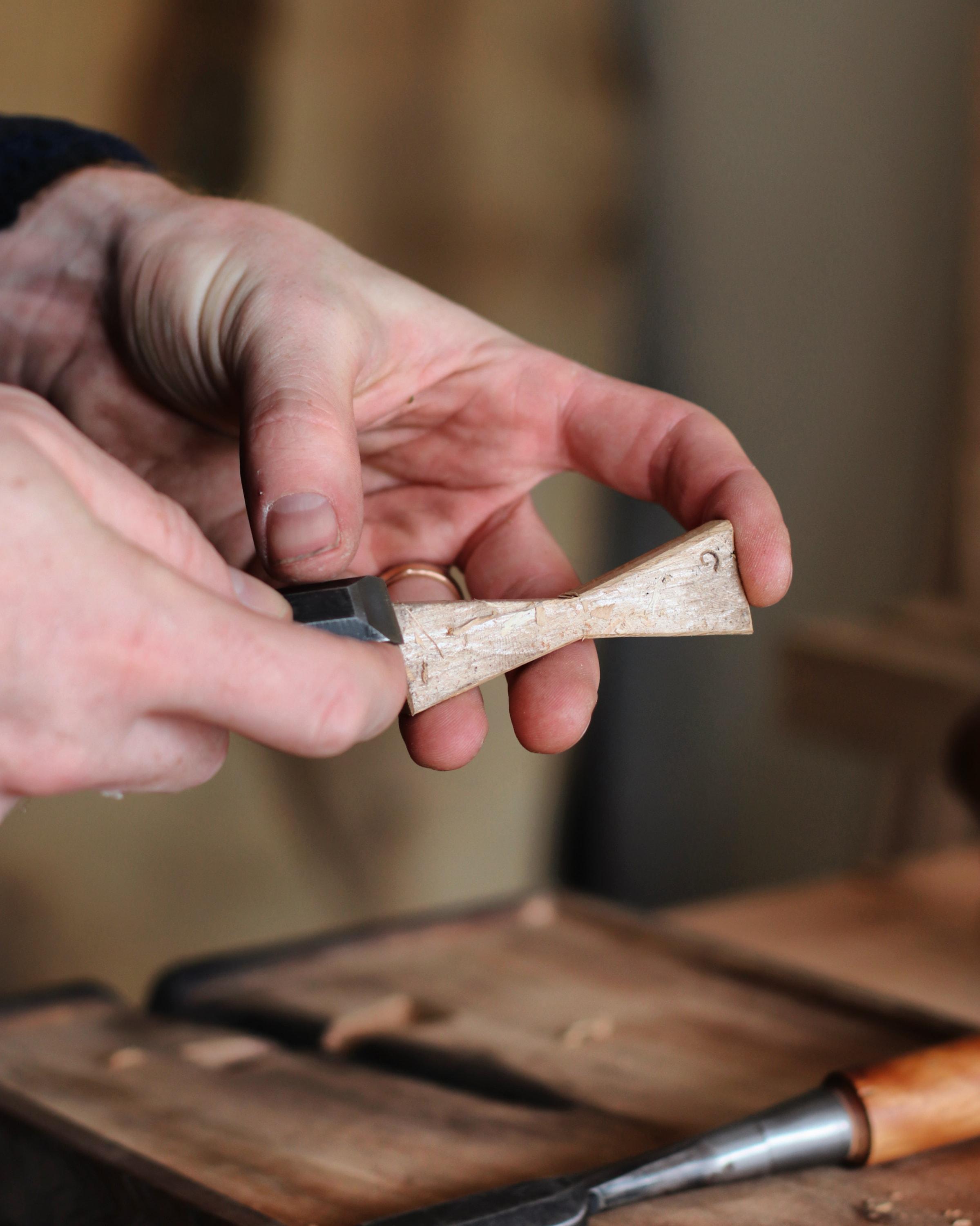
Duncan uses native hardwoods grown in Ireland or Scotland: oak, ash, elm, walnut, beech and yew, plus burr elm and olive ash when a sawmill has them. The joints are traditional ones, mortise and tenon and bridle, cut by hand. Boards for the kitchen are finished with a natural, food-safe oil.