

Bespoke commission

“Wool in general, but especially native British wool, is underused, undervalued and under-appreciated.”
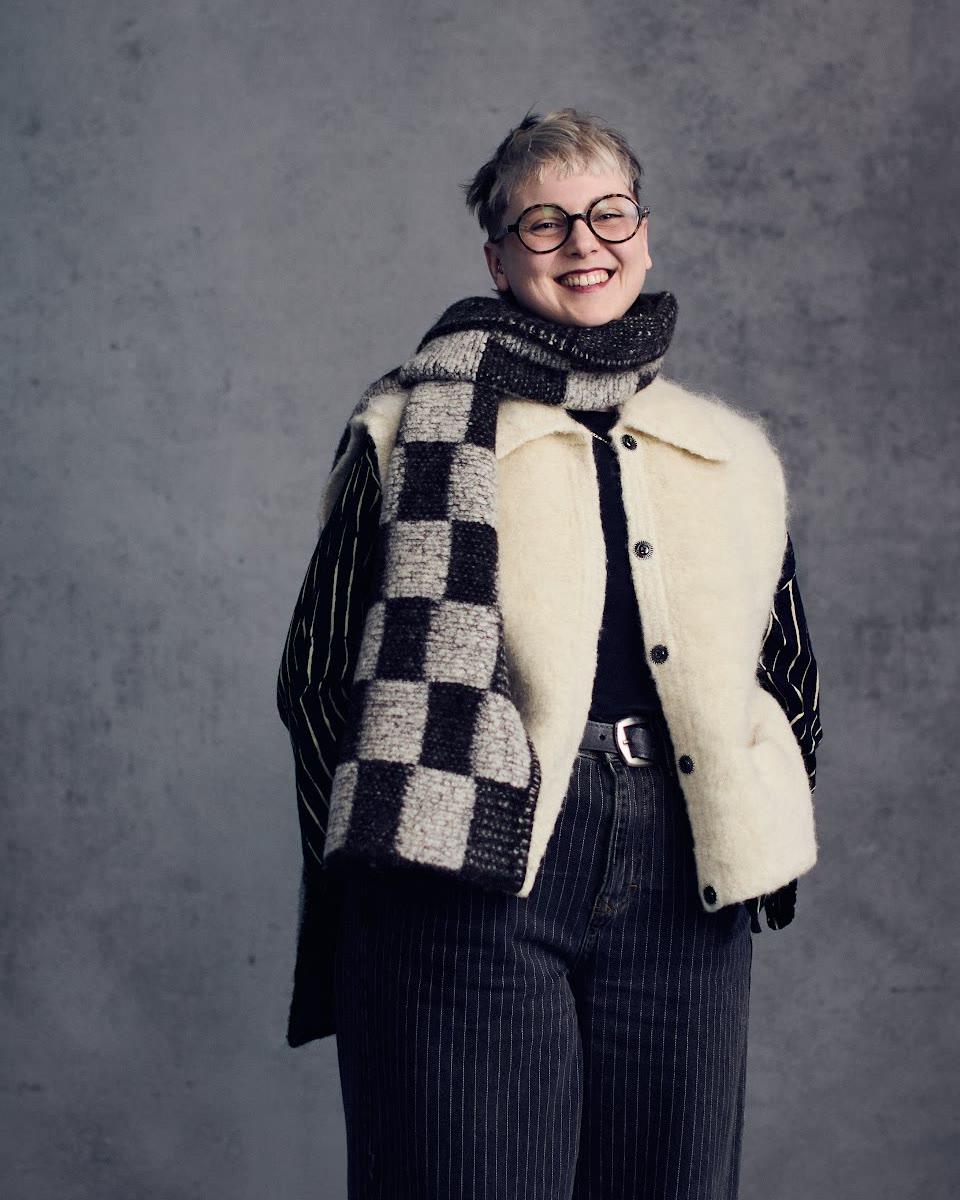
Nicci develops bespoke knitted pieces and fabrics, often starting from a particular yarn: your own flock's wool, a breed from where you grew up, or a garment you want to recreate. Because her pieces are knitted on machine, a design can be adjusted to a bespoke size once it is developed. Get in touch with the idea and the yarn, and she will tell you what it wants to be.
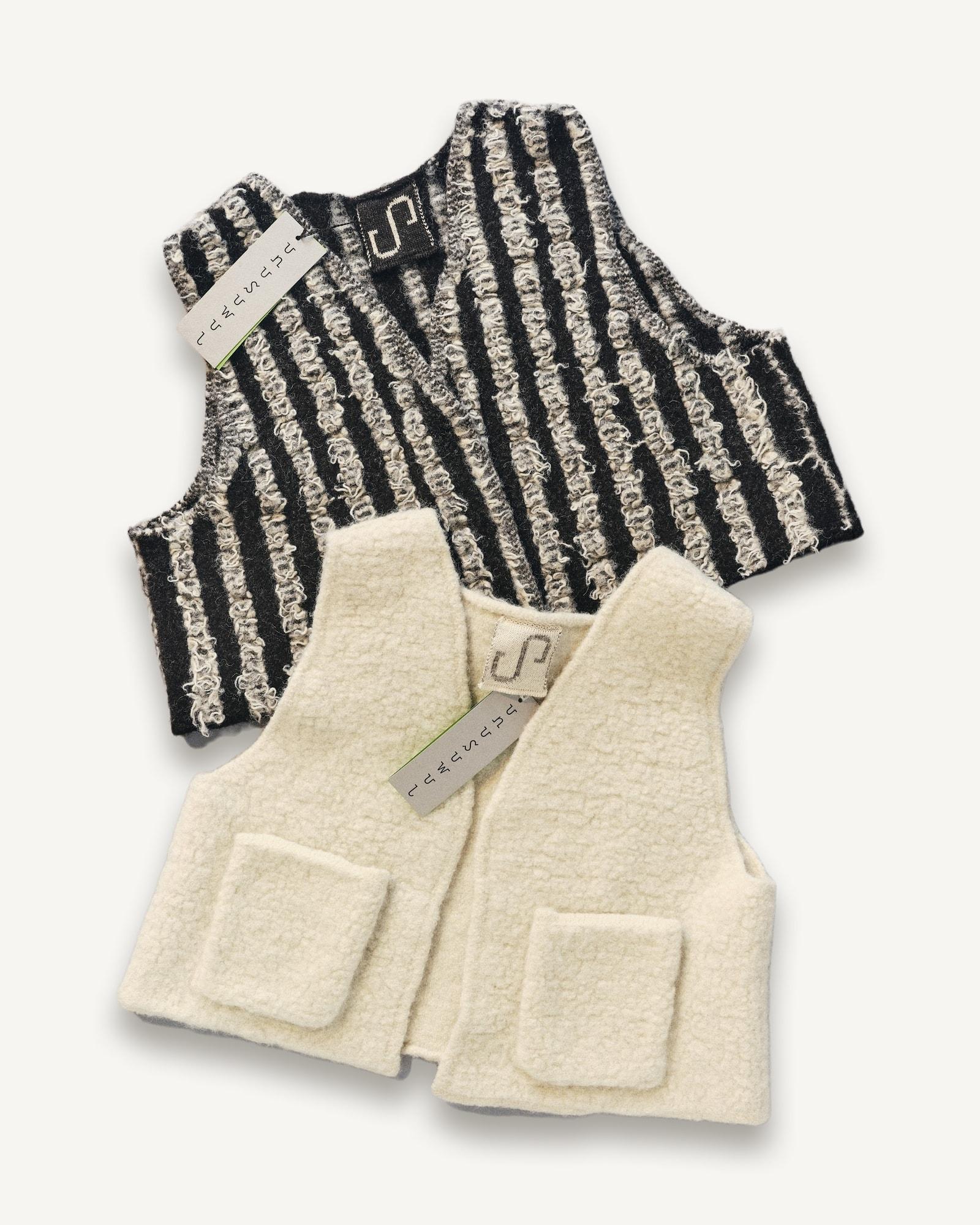
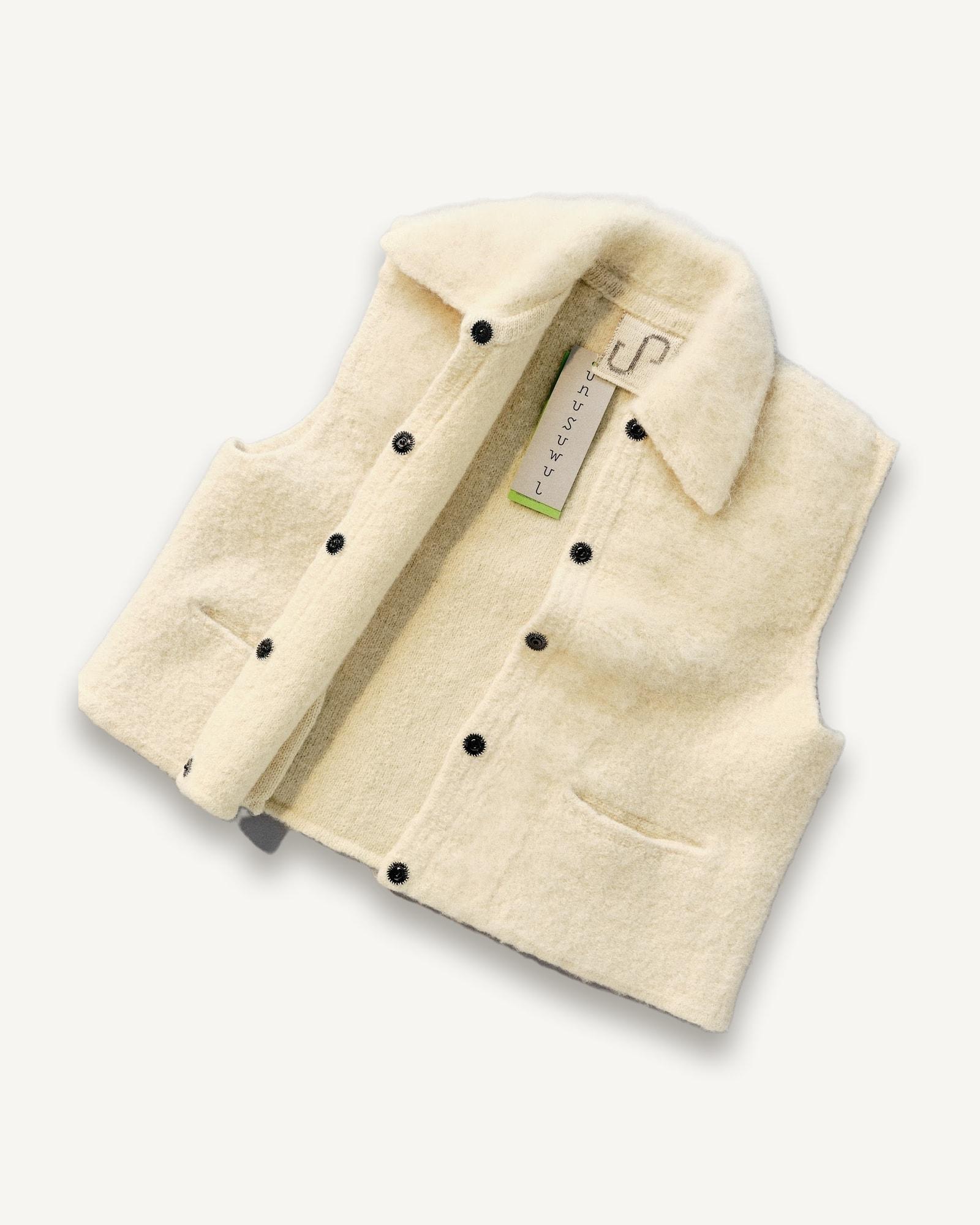
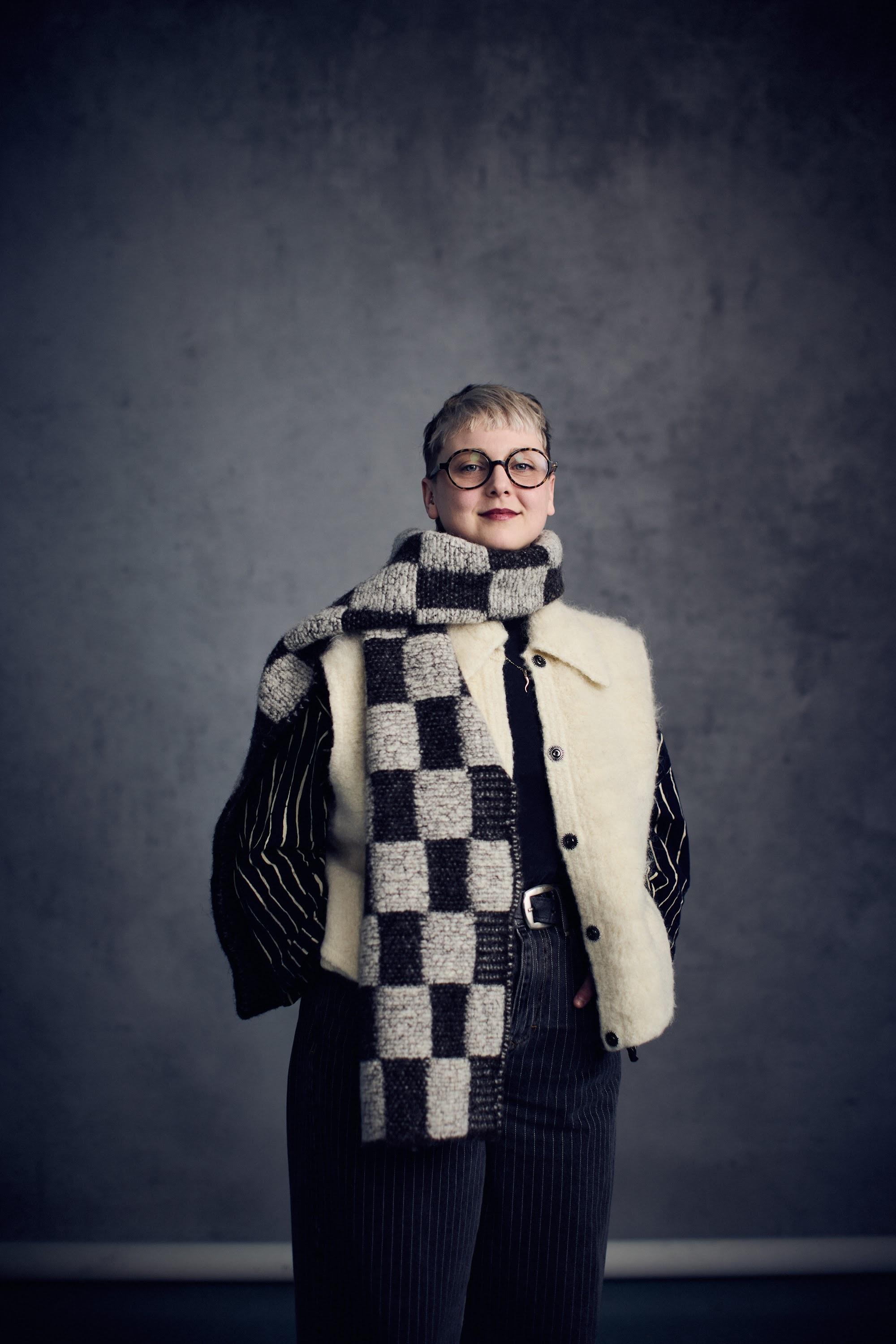
Nicci trained in fashion at Manchester School of Art, where her menswear knitwear collection won an international design competition. A job in industry followed, and by her own account it nearly finished off her creative spirit. The experiments behind her work began when she went back to study, for an MA in Fashion Knitwear at the Royal College of Art.
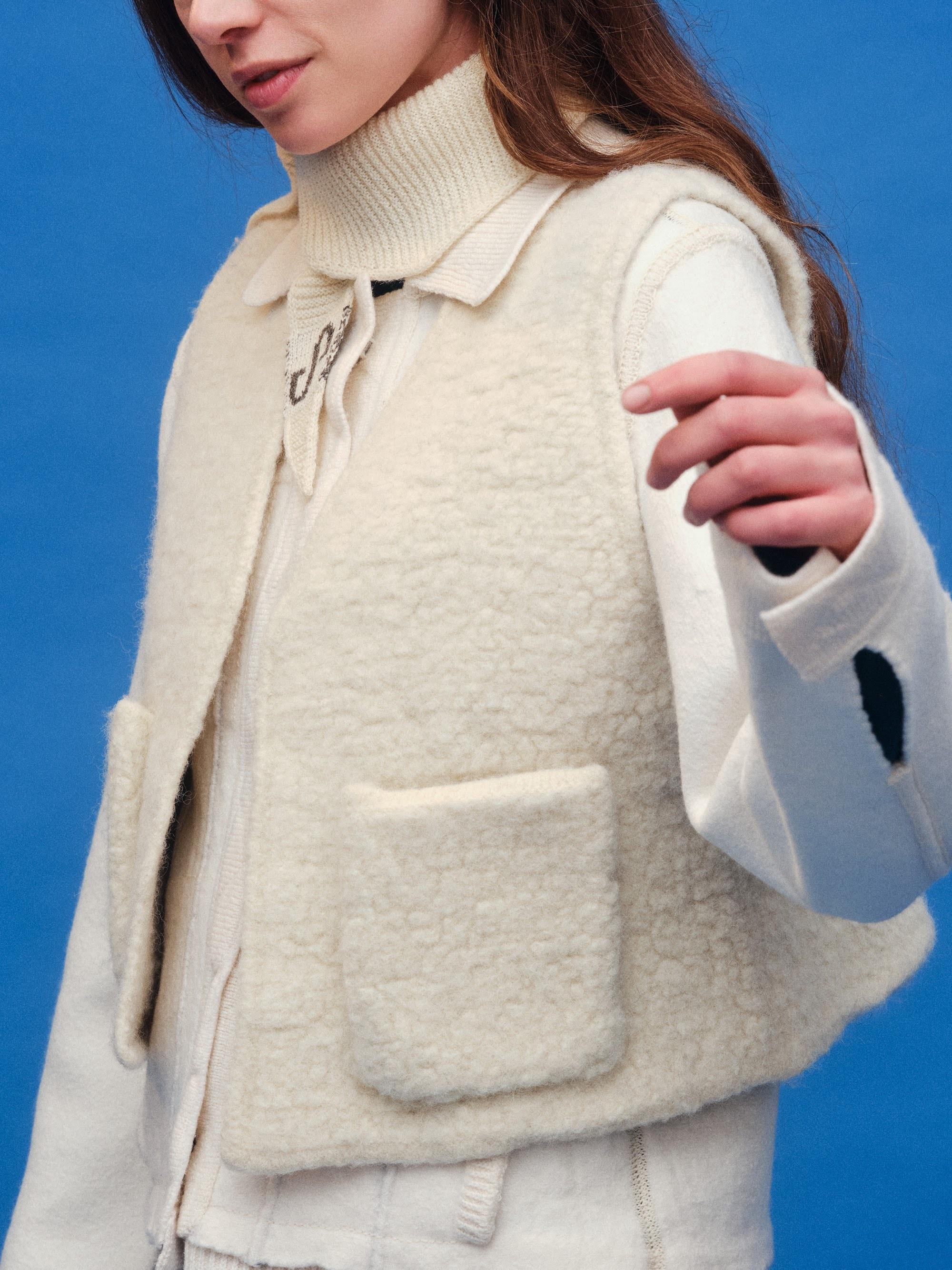
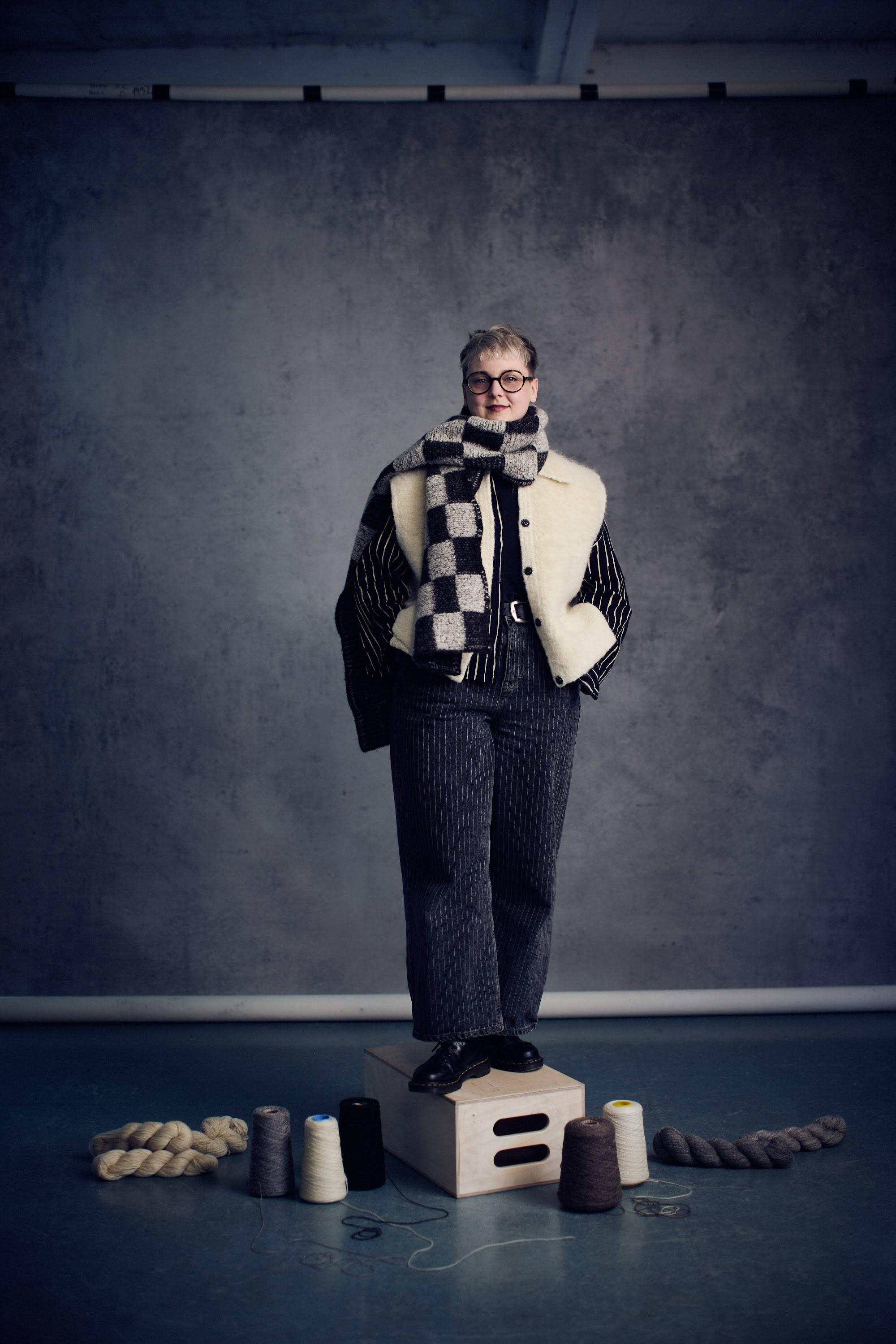
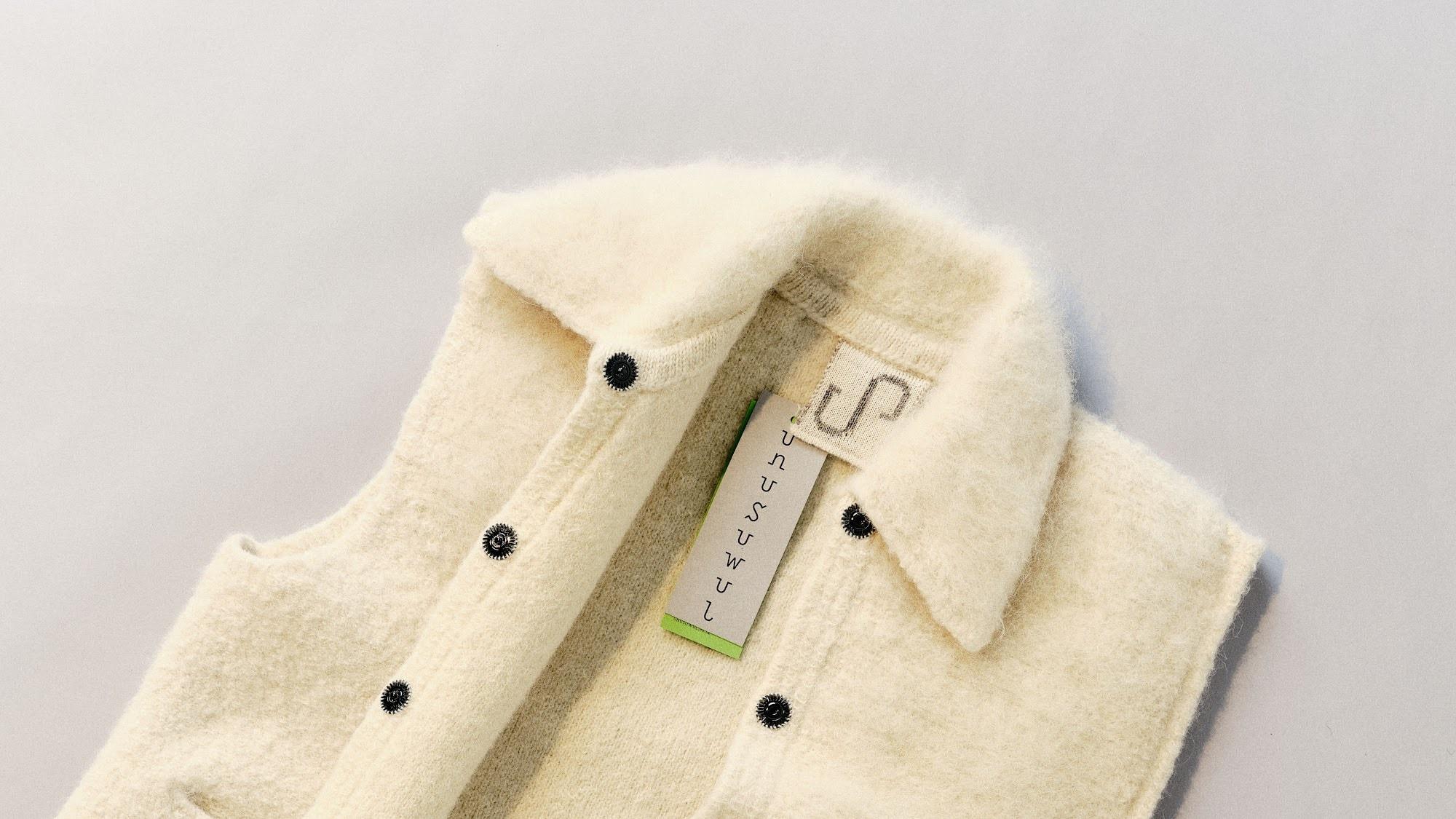
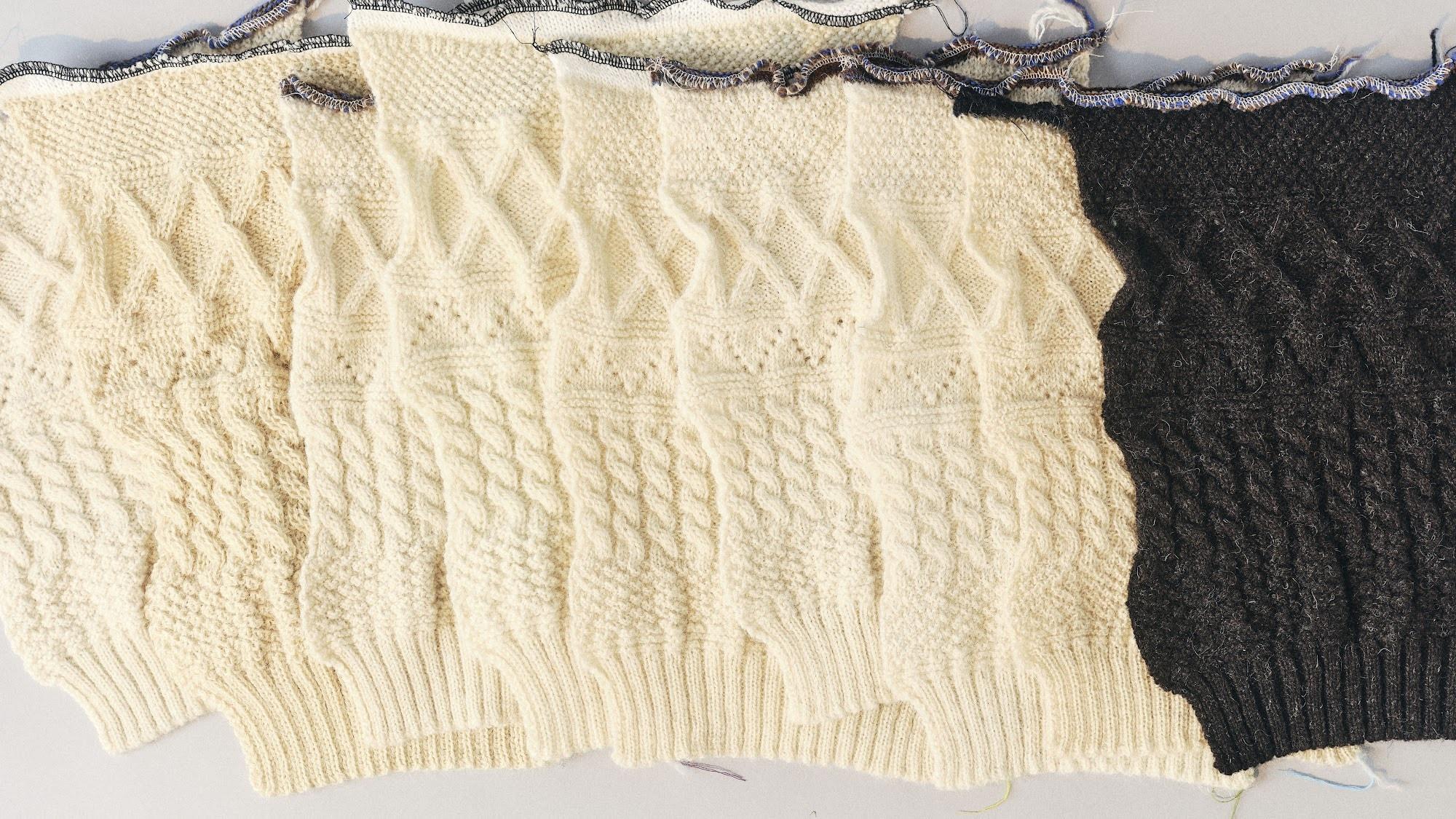
Anyone who has shrunk a jumper in the wash knows that wool felts. Nicci builds that into the design. She knits on industry-standard machines, engineering the fabric so that it changes in finishing, tightening and gaining strength exactly where it is needed, with no other fibre, thread or adhesive added. Innovate UK funded her to prove the method could scale, and she founded the UNUSUWUL studio in 2023, partly, she says, so that everything stopped being her own name.
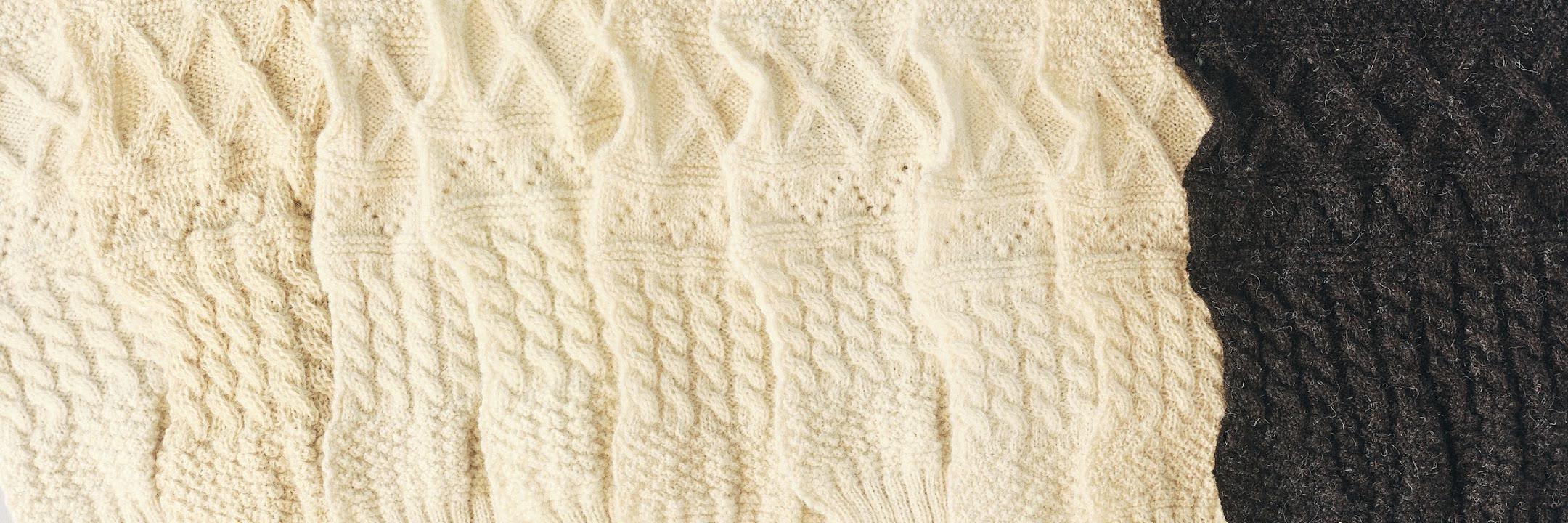
British wool arrived through Southeast England Fibreshed, which asked her to work with the fleece of particular breeds from particular farms. That turned into research: an IMPACT+ funded project with London College of Fashion, Northumbria University and British Wool, testing breed-specific yarns through her process. Alongside the studio she teaches machine knitting at a university and began a PhD in October 2026. She works from Cockpit Studios in Deptford, where she won the Haberdashers' Award in 2024, and her work has also won the Young Innovators Award and a Fashion District award for circular design.
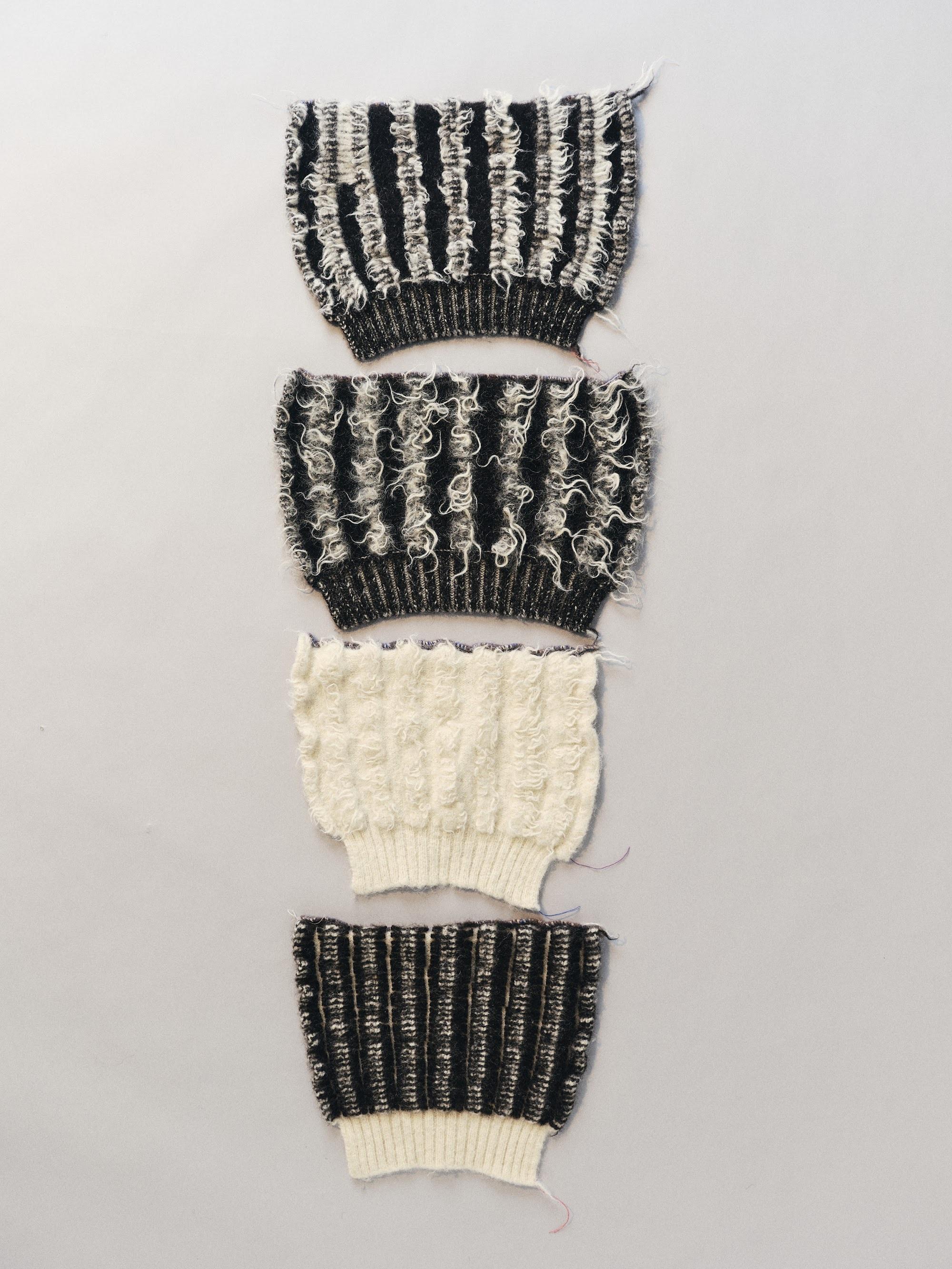
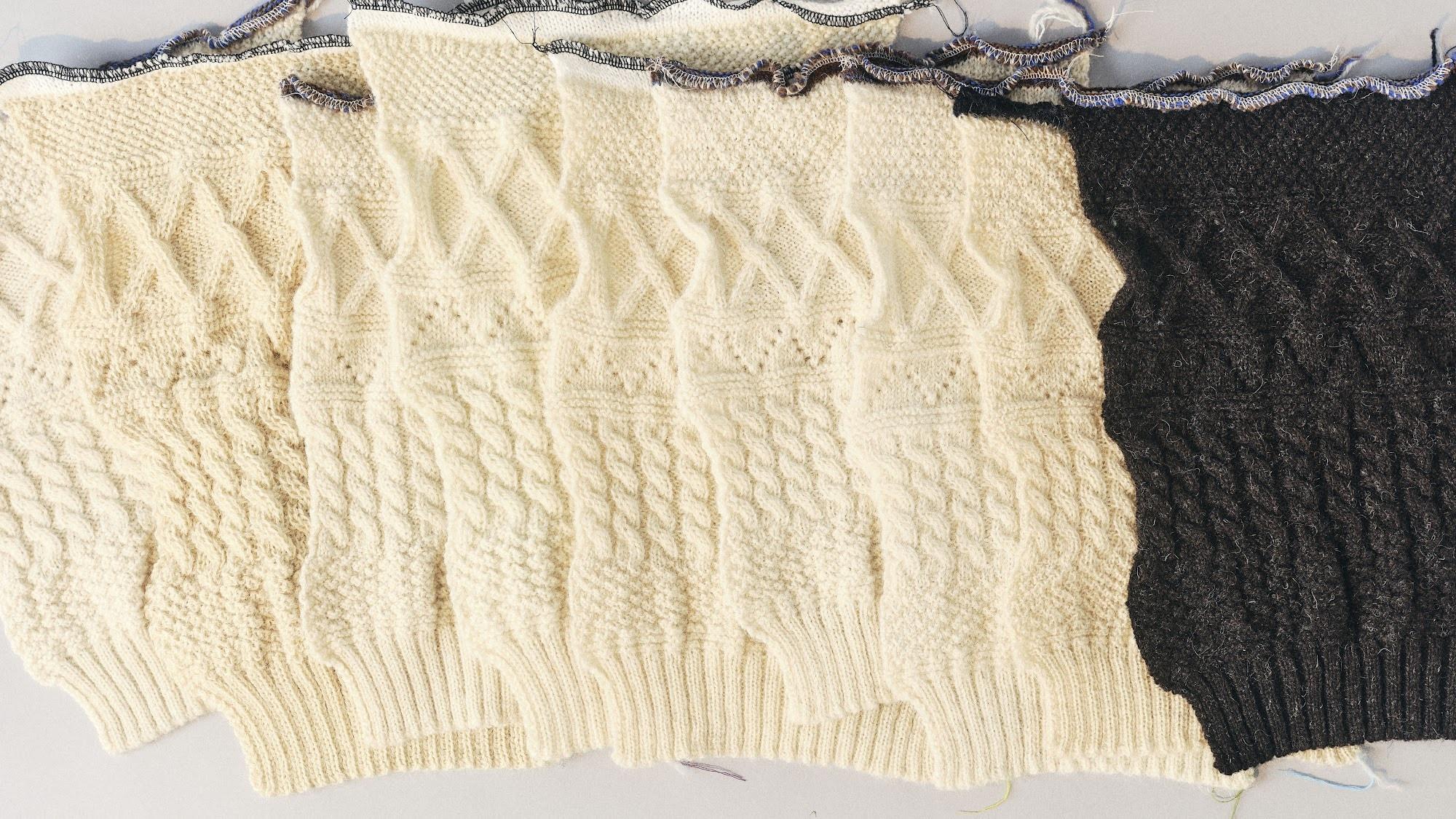
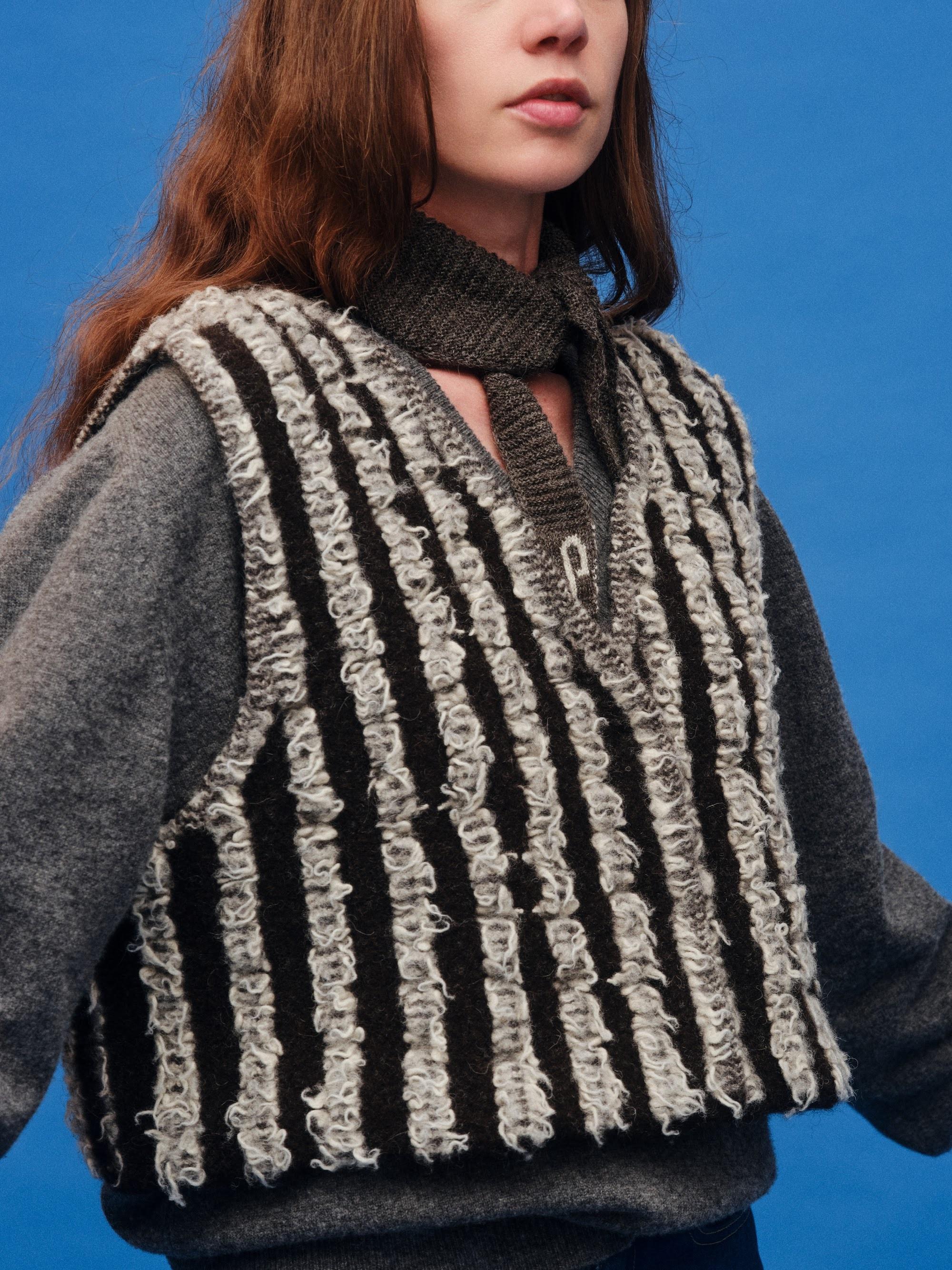
Nicci treats wool the way people treat wine or cheese. A Shetland fleece is not a Romney fleece, and even one flock changes from year to year with the weather, the soil and what the sheep are eating. She designs for the properties of the yarn in front of her rather than reaching for softness by default, which is why a cable suits one breed and a lace another.
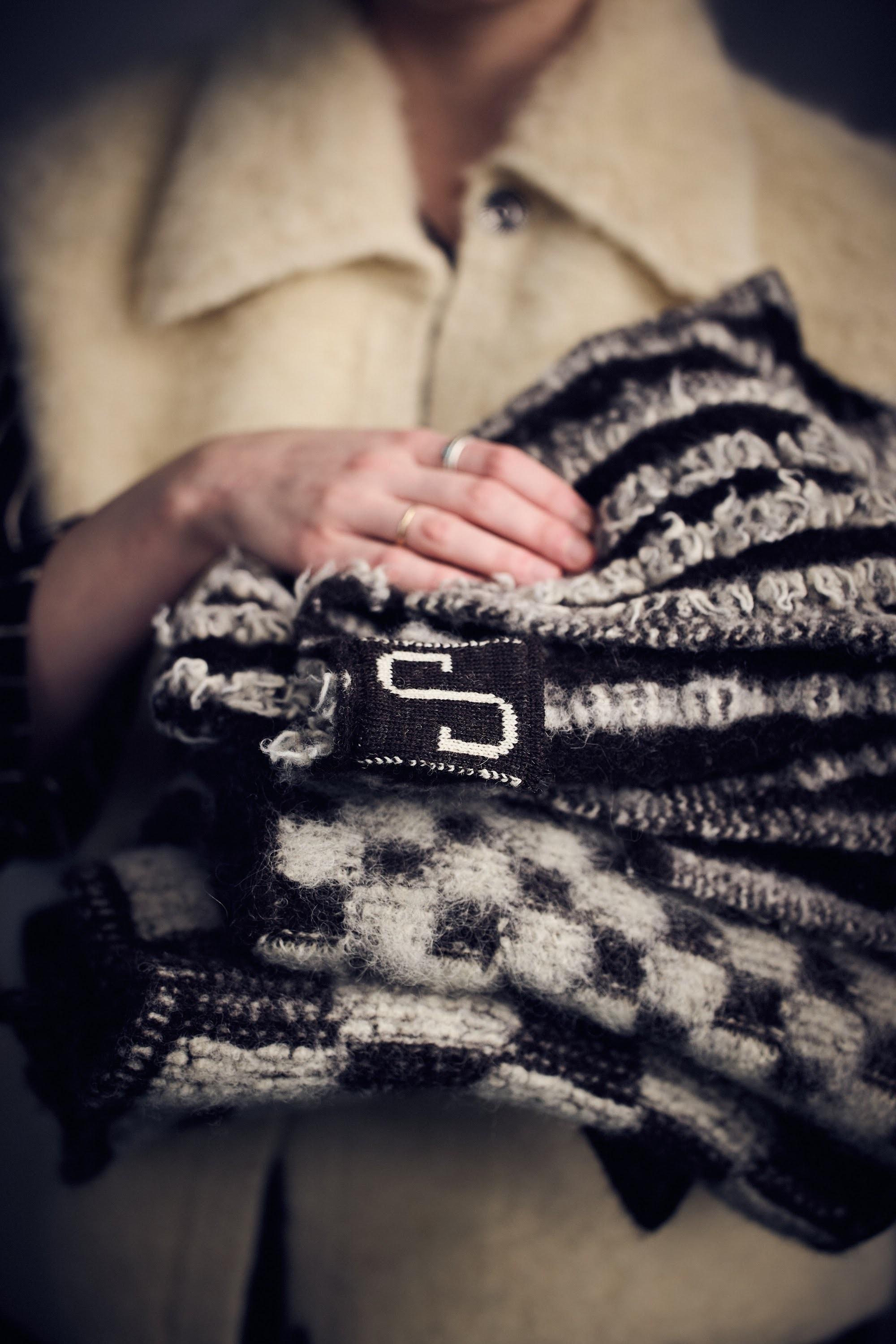
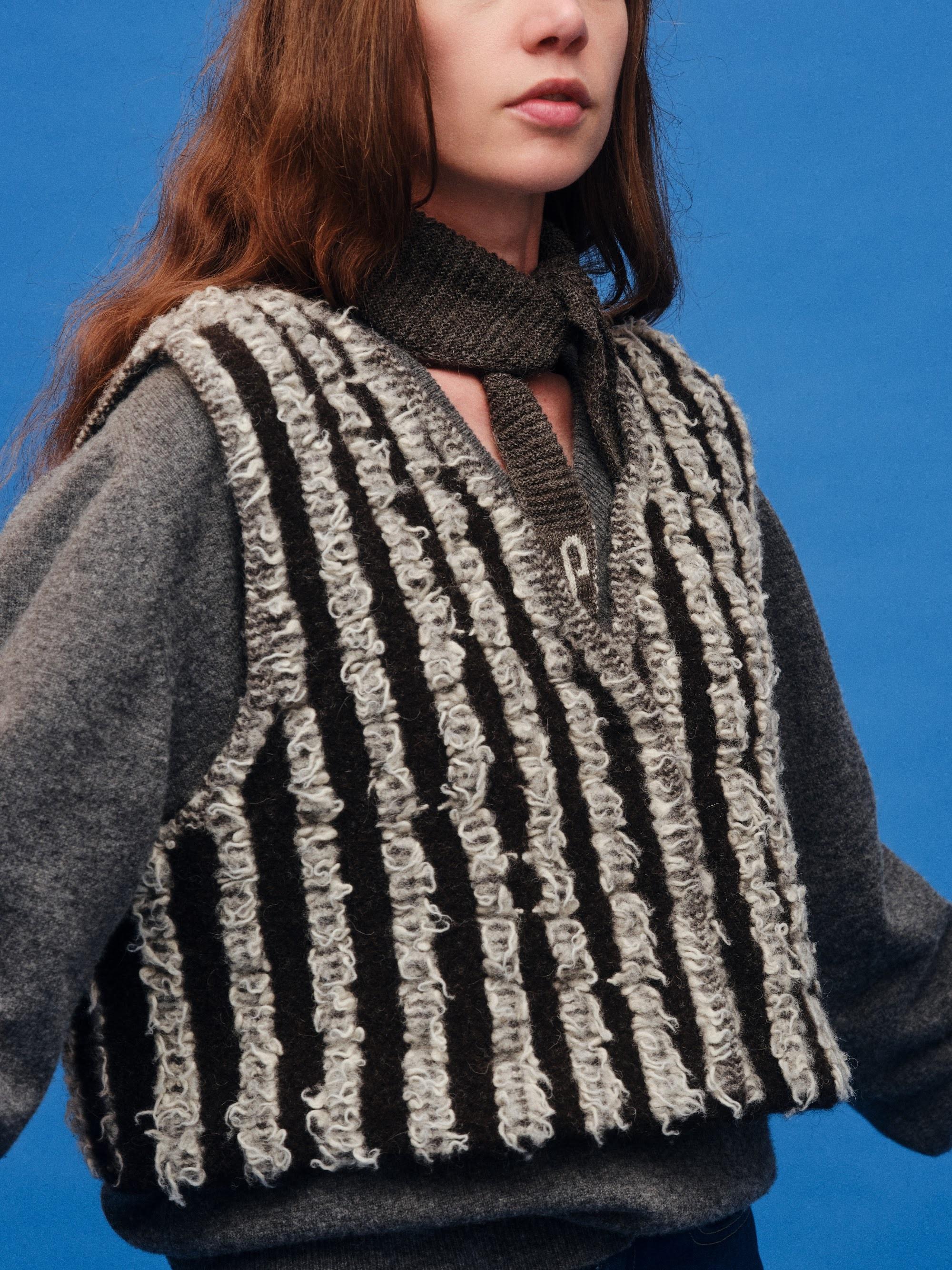
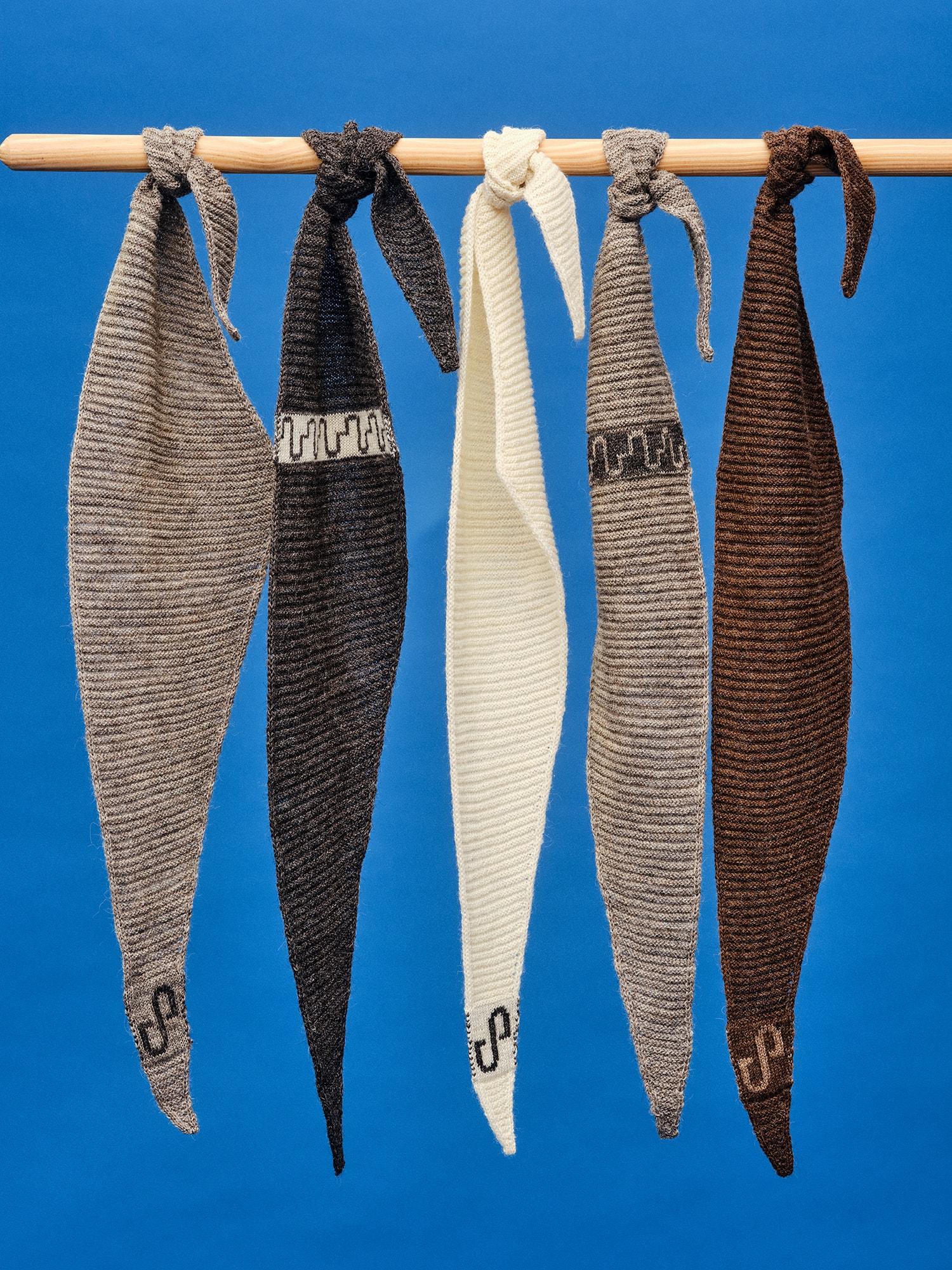
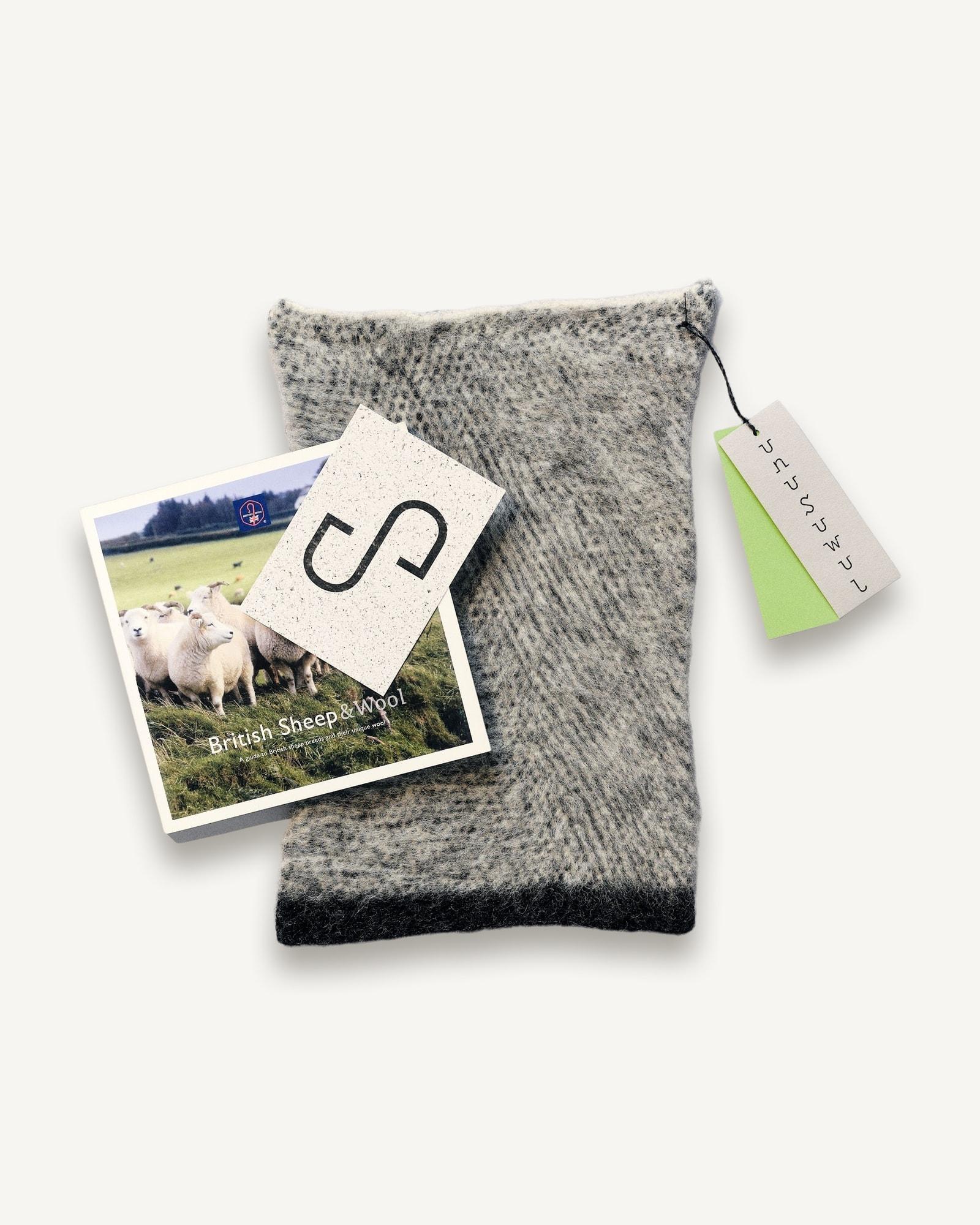
The Shetland mini-scarves are the first of a breed-specific collection. They are knitted in a 100% undyed, worsted-spun Shetland yarn from sheep reared by crofters on the Shetland Isles, in the breed's own natural shades from white through browns and greys to almost black. Other breeds will follow, each with a design of its own.
British fleece is often worth less than the cost of shearing it, and rare breeds are dismissed as too coarse or too unpredictable. Small, affordable pieces are her way of starting the conversation: someone asks what it is, and the answer is a breed and the farm it came from.
The Value of British Wool, a film by Nicci James, shown at Dutch Design Week