

In the Keeping | Wood, once the heating goes on
Wood keeps taking in and giving up moisture for as long as it exists, long after it has been cut, dried and made into something, so the week the central heating comes on is the week a wooden box starts to behave differently. Warm indoor air is dry air, and as the wood gives up some of its moisture it shrinks slightly across the grain, which is when lids that fitted in September start to rattle, and when a crack can open in a piece that has sat happily on a shelf all summer.
None of this needs special products, because almost everything that keeps a wooden piece well through the winter comes down to where you put it and how you clean it, and the makers who made these pieces have each said, on their own listings, what theirs needs.
HOW DO YOU STOP WOOD CRACKING WHEN THE HEATING GOES ON?
The most useful thing is to keep it away from the heat itself, because a shelf directly above a radiator, a mantelpiece over a working fire or a sunny windowsill will dry one side of a piece faster than the other, and uneven drying is what splits wood, far more than dry air on its own. A spot on an inside wall, out of direct sun, is the best place for anything wooden you care about.
Steady conditions matter more than any particular level of humidity. A piece that lives in one room all winter will settle, whereas one that moves between a cold hallway and a warm sitting room, or comes in from a freezing car straight onto a radiator shelf, has to keep adjusting. If you give a wooden piece as a present this Christmas, it is worth letting it sit in its box at room temperature for a day before it goes anywhere warm.
CARVED BOXES, FINISHED WITH BEESWAX
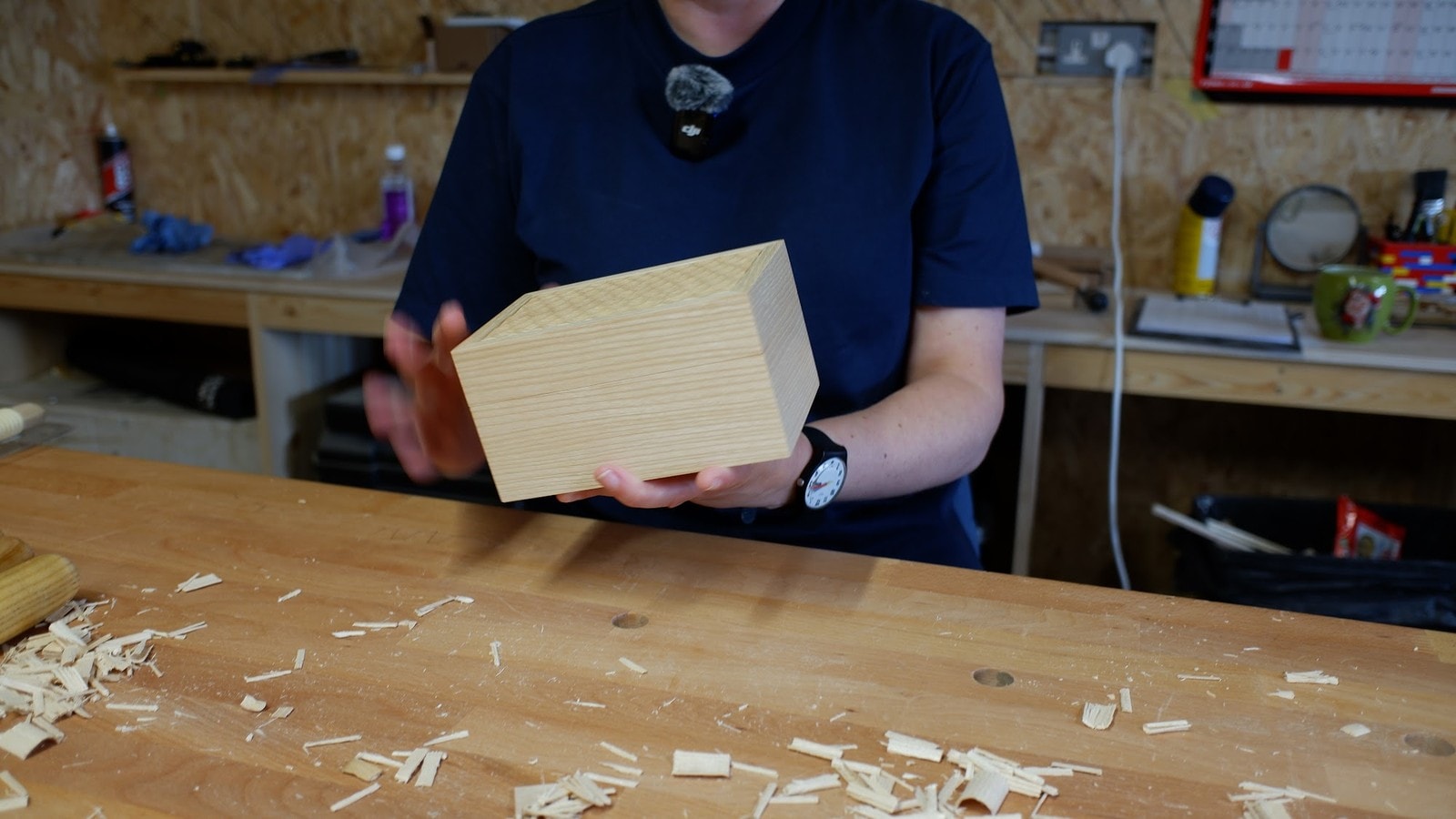
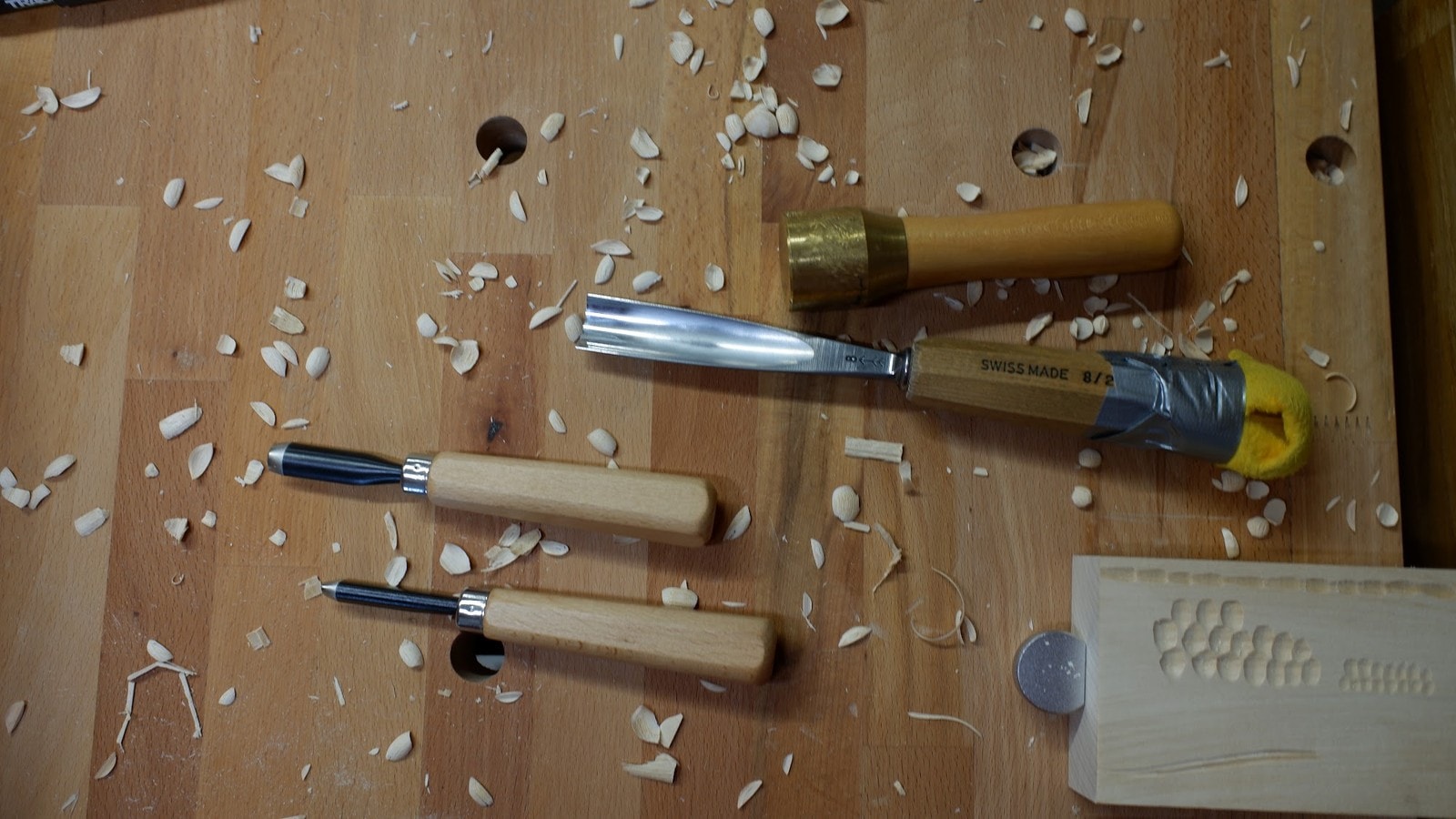
Claire Broad makes her boxes in a farm workshop in Staffordshire, and the ash, oak and cherry boxes on The Haud are solid timber with lids she carves by hand (on the ash box the timber is wrapped so that the grain continues all the way round). They are finished with beeswax, and Claire says on her listings that a light dust is all they need, with no spray polish, because a wax finish is meant to build up a patina rather than be stripped back. If a box is handled a lot, she suggests wiping on a further light coat of beeswax and buffing it off to bring the sheen back.
A waxed box is also the piece most likely to show the heating. If a lid starts to feel loose, leave it be rather than trying to pack it, because it will usually tighten again in the spring as the air takes on moisture.
MARQUETRY, AND WHY IT STAYS OUT OF THE SUN
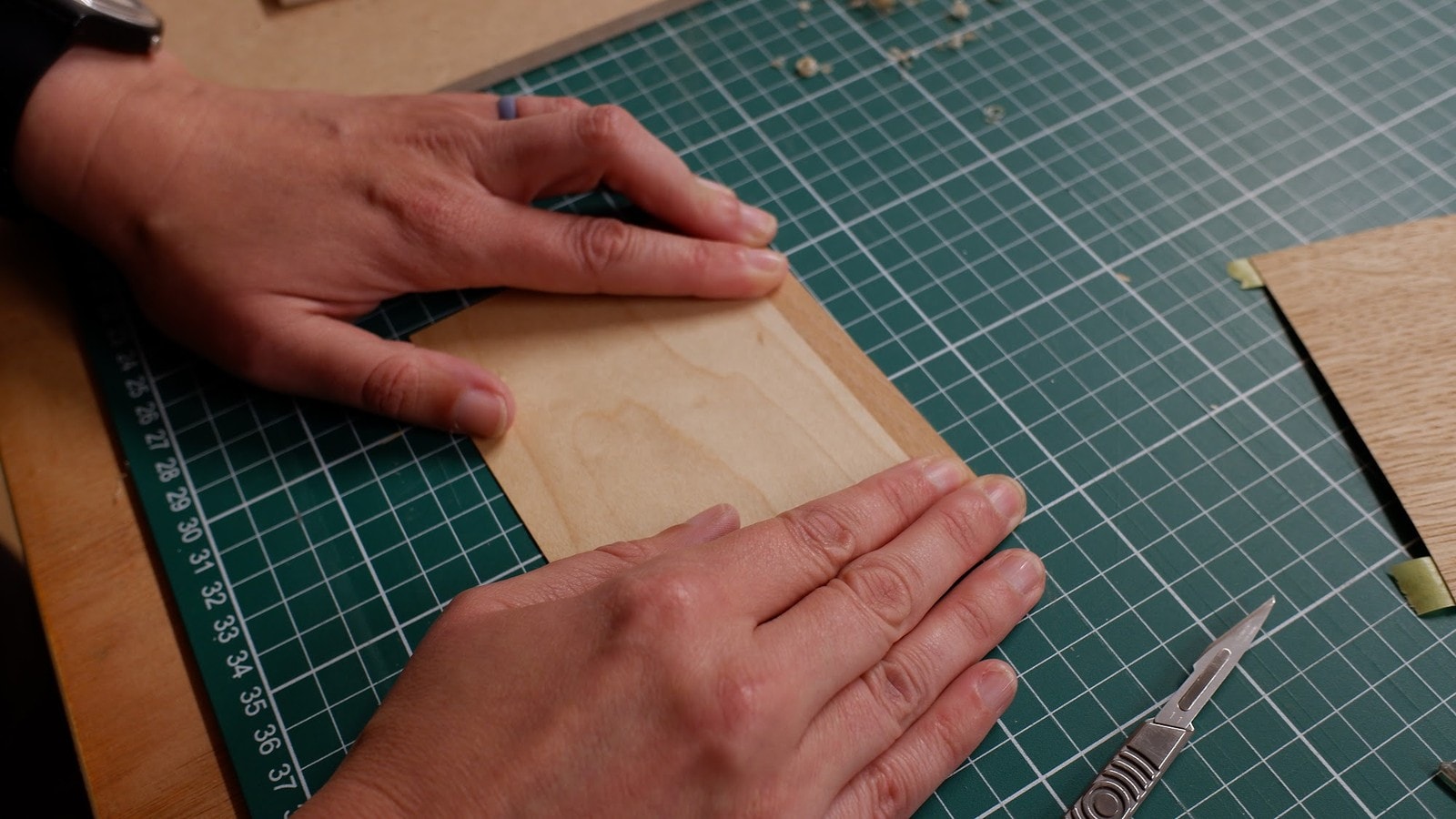
Marquetry is a picture made from veneers, sheets of wood often thinner than a millimetre, cut and fitted together and laid onto a backing. Because every piece in the picture is a different timber, each one reacts to light in its own way, with some woods darkening and others fading, so a panel hung where the sun reaches it will slowly lose the contrast that makes the picture. Hung on a wall that doesn't get direct sun, it will keep that contrast for far longer. Claire's small marquetry artwork is finished with hardwax oil, and she says a light dusting is all it should need.
TURNED WOOD, HOLLOWED THIN
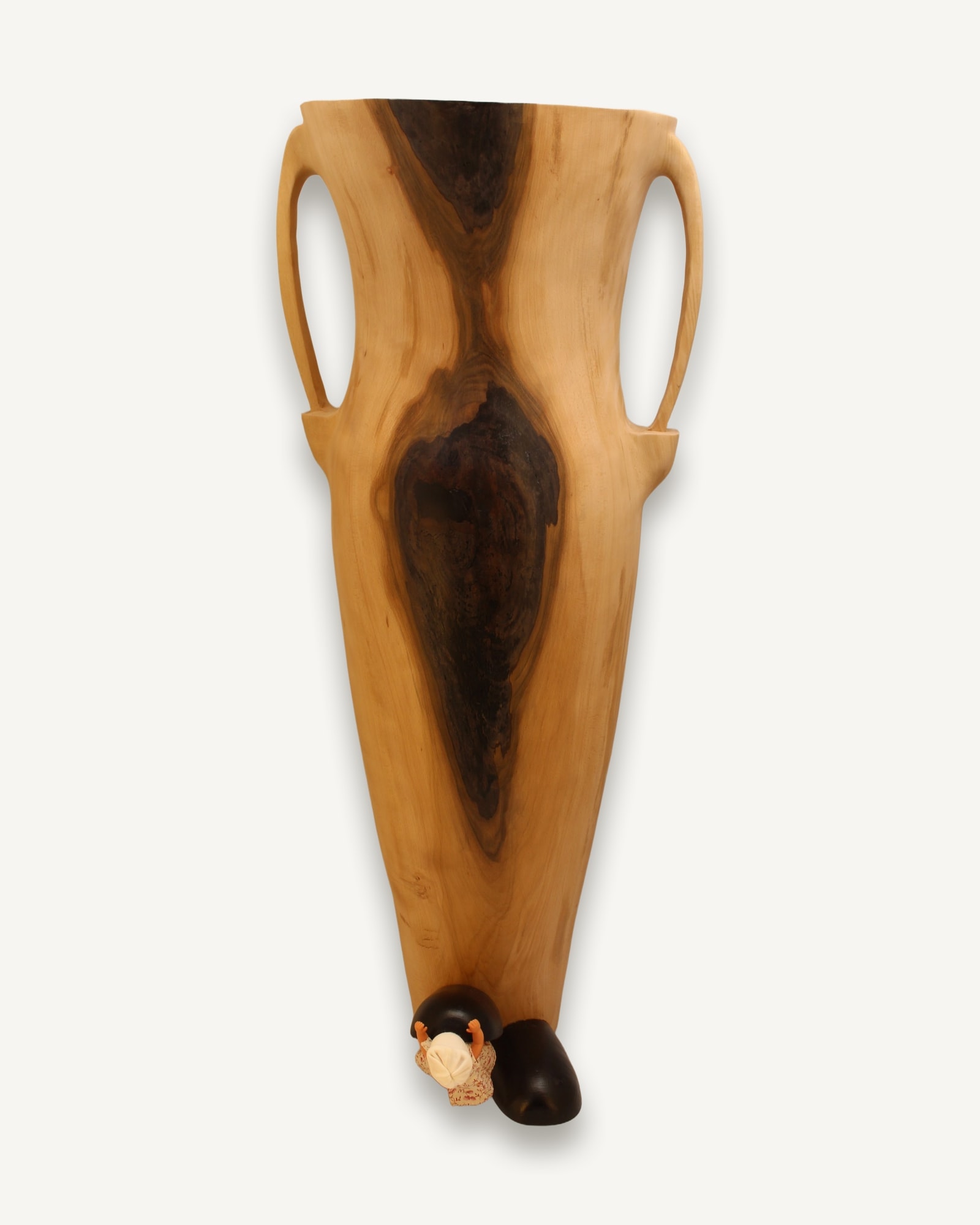
Greg Kent turns large vessels in Pilling, Lancashire, from salvaged wood, mostly beech, and he deliberately uses the rot and discolouration deep inside a log as part of what a piece says. A hollow form like his has walls much thinner than a solid block, so it responds to the air faster, which makes the advice about radiators and sunny windows matter even more. Dust it with a soft dry cloth, and treat it as a sculpture rather than a vase for fresh flowers, because standing water inside a wooden vessel is the quickest way to stain or split it unless the maker says otherwise.
BENTWOOD RINGS, WORN EVERY DAY
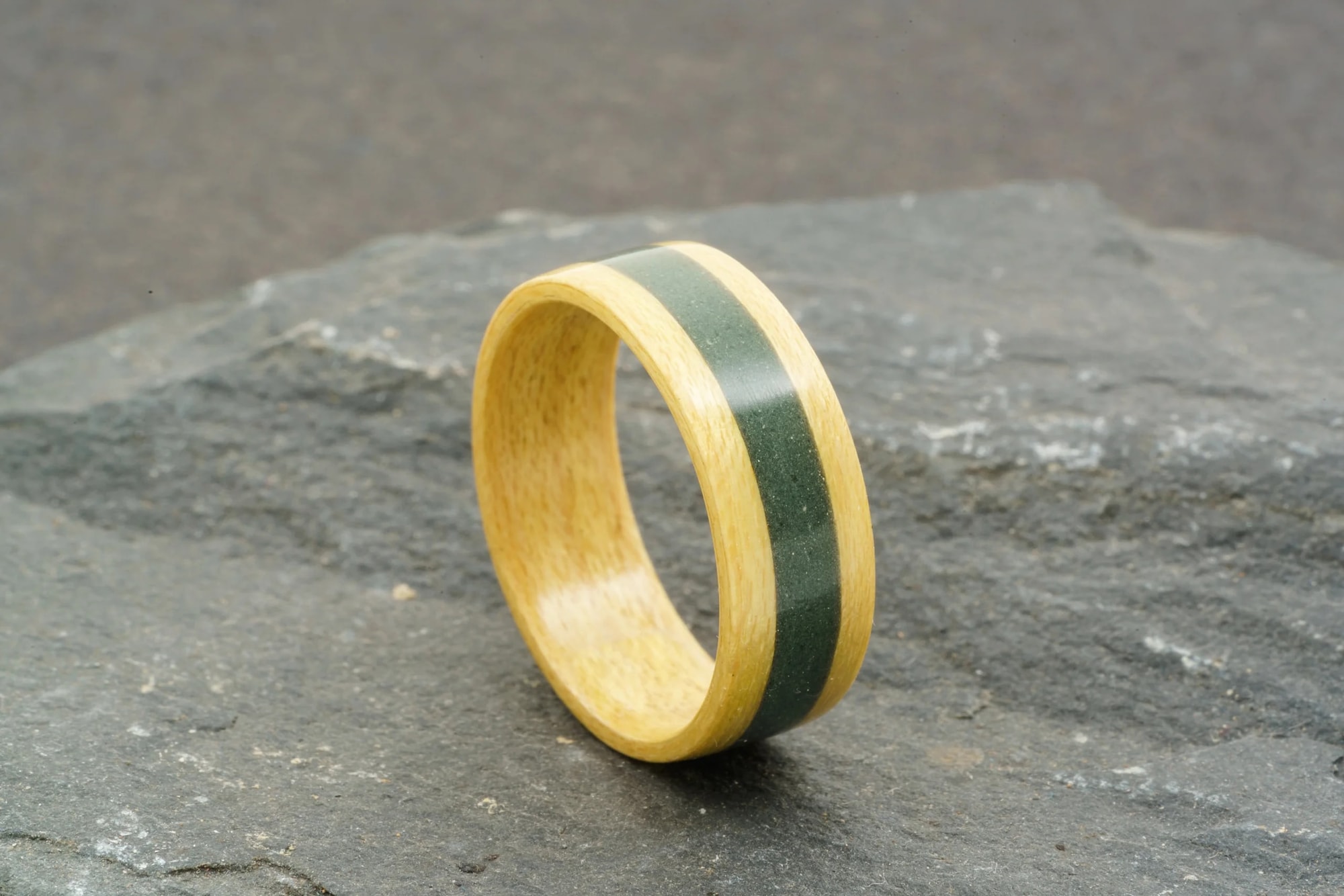
Mark Pettit of Ammonite Studio makes his rings in Cumbria by steam bending a thin strip of wood around itself and gluing it as it goes, then shaping it on a lathe and by hand and finishing it with either oil or a highly polished glue-based finish. With each ring he sends a small tub of carnauba wax or natural oil, depending on the finish, along with a guide to caring for it. The rings are waterproof, but Mark recommends avoiding prolonged contact with water and harsh chemicals, so it is worth taking yours off for the washing up and for cleaning the bathroom.
OAK SWILL BASKETS, BUILT FOR WORK
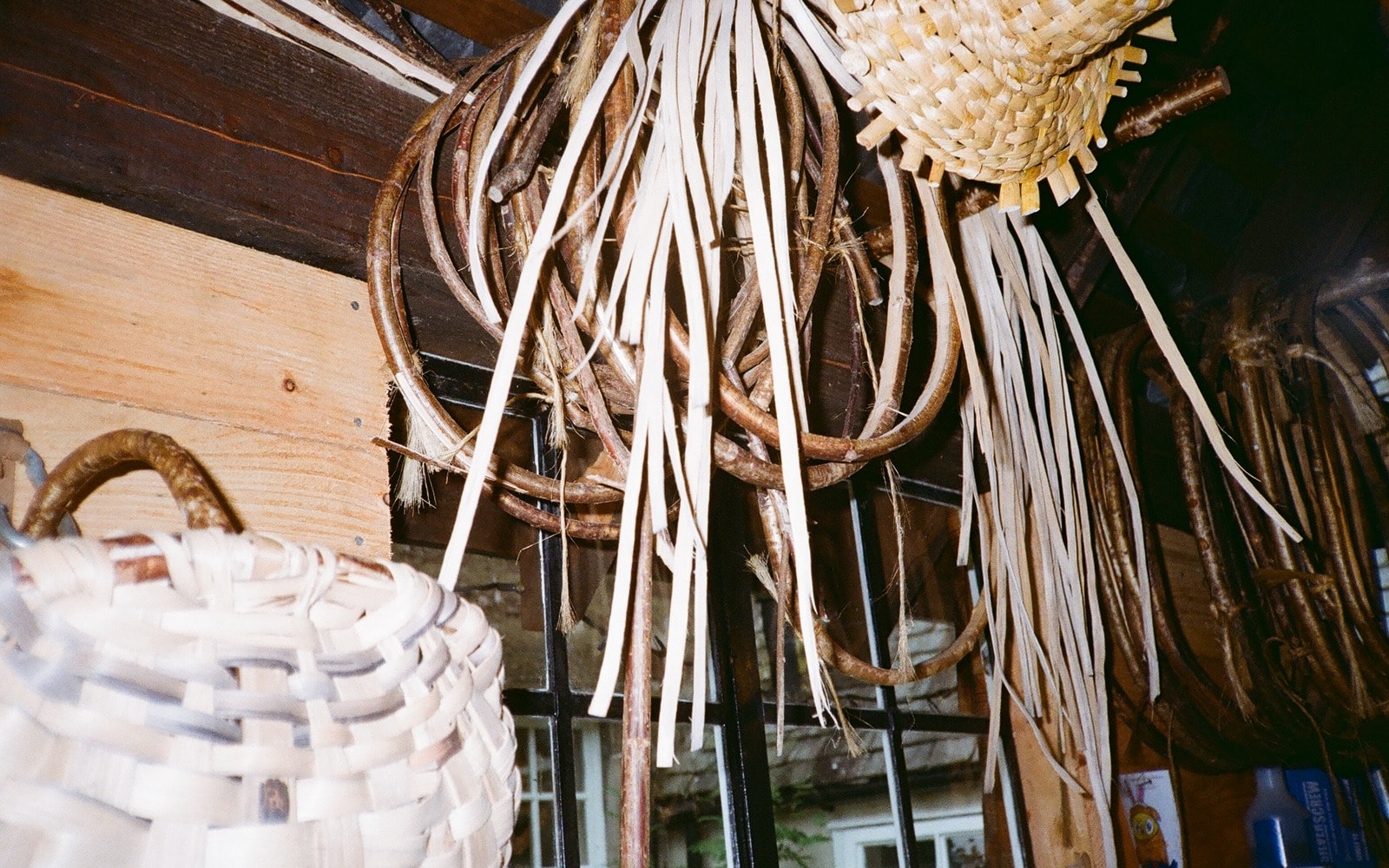
An oak swill is woven from strips of coppiced oak that have been split, shaved thin and boiled, which is why it is one of the toughest things here and needs the least looking after. Simon Cooper's care note is short: wipe it with a damp cloth, let it dry thoroughly before it goes away, and keep it out of prolonged direct sunlight, and he gives its expected lifespan as decades. Swill basket making is Critically Endangered on the Heritage Crafts Red List, whose 2025 review counts two people in the UK making their main living from it, and Simon is the only oak swill maker left in Scotland.
The heating will go off again in April, and a box whose lid has been rattling all winter will most likely close properly again by May.
More stories like this
One thoughtful email a month, not a marketing torrent. New makers, seasonal edits, and the stories behind the craft.
How we look after your details: privacy policy