

Craft to be used, and craft as art
I've been trying to work out how I feel about craft, and in particular where the line sits between craft you use and craft that is treated as art. The Haud sells both, so I should probably have a view.
Where I've got to is that I like beautiful things that get used. A bowl I eat from every day means more to me than one on a plinth. I've never really understood the art world or what it's for, so I've been doing some reading to find out whether that's a position or just a preference.
THE CASE FOR USE
William Morris put it most simply in 1880: "Have nothing in your houses that you do not know to be useful, or believe to be beautiful." He wasn't choosing between the two. He wanted everyday things to be both.
In Japan, Yanagi Sōetsu went further. He founded the mingei, or folk craft, movement in the 1920s and argued that the most beautiful objects were ordinary things made for daily use by makers whose names nobody knew. He called it the beauty of use.
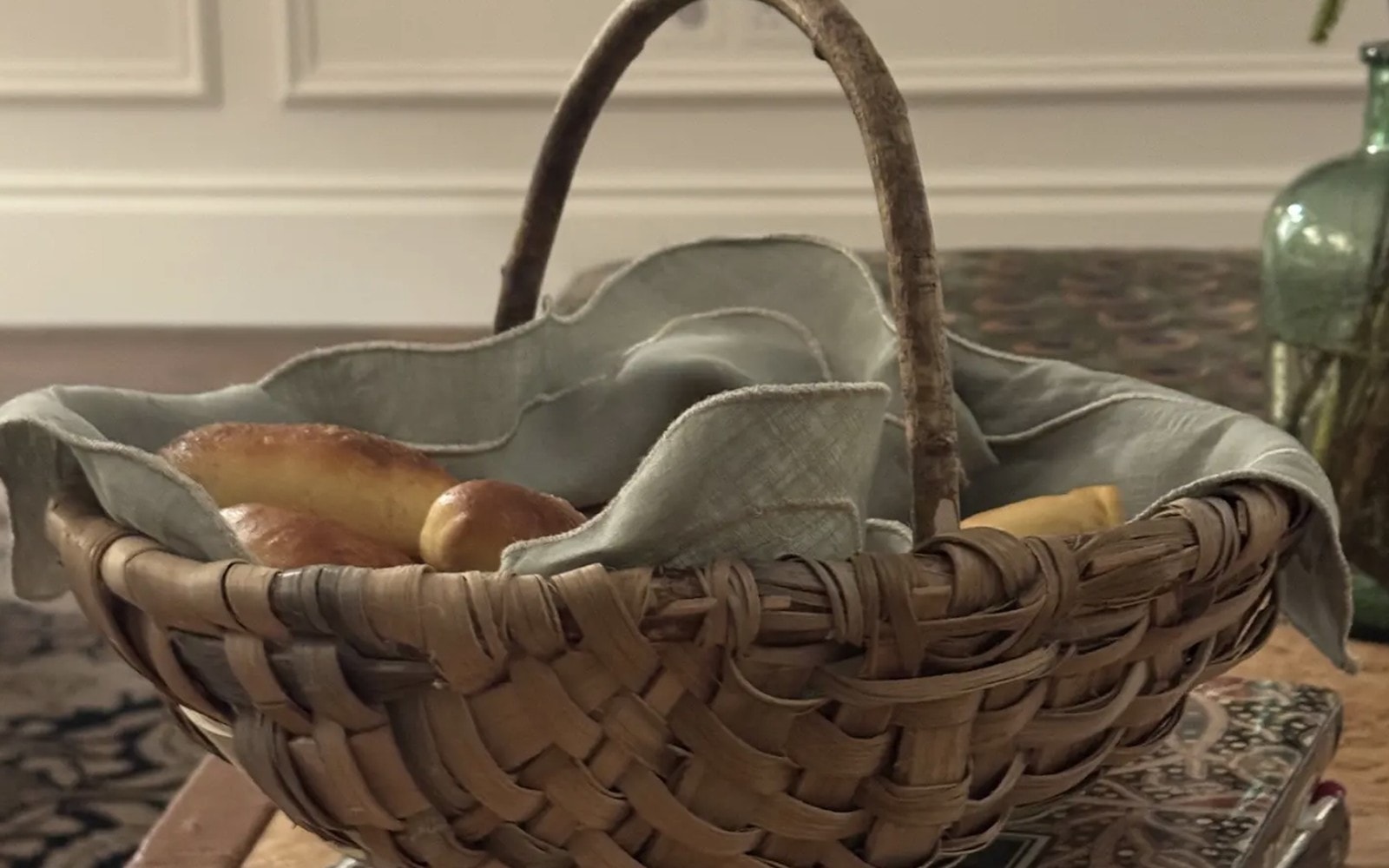
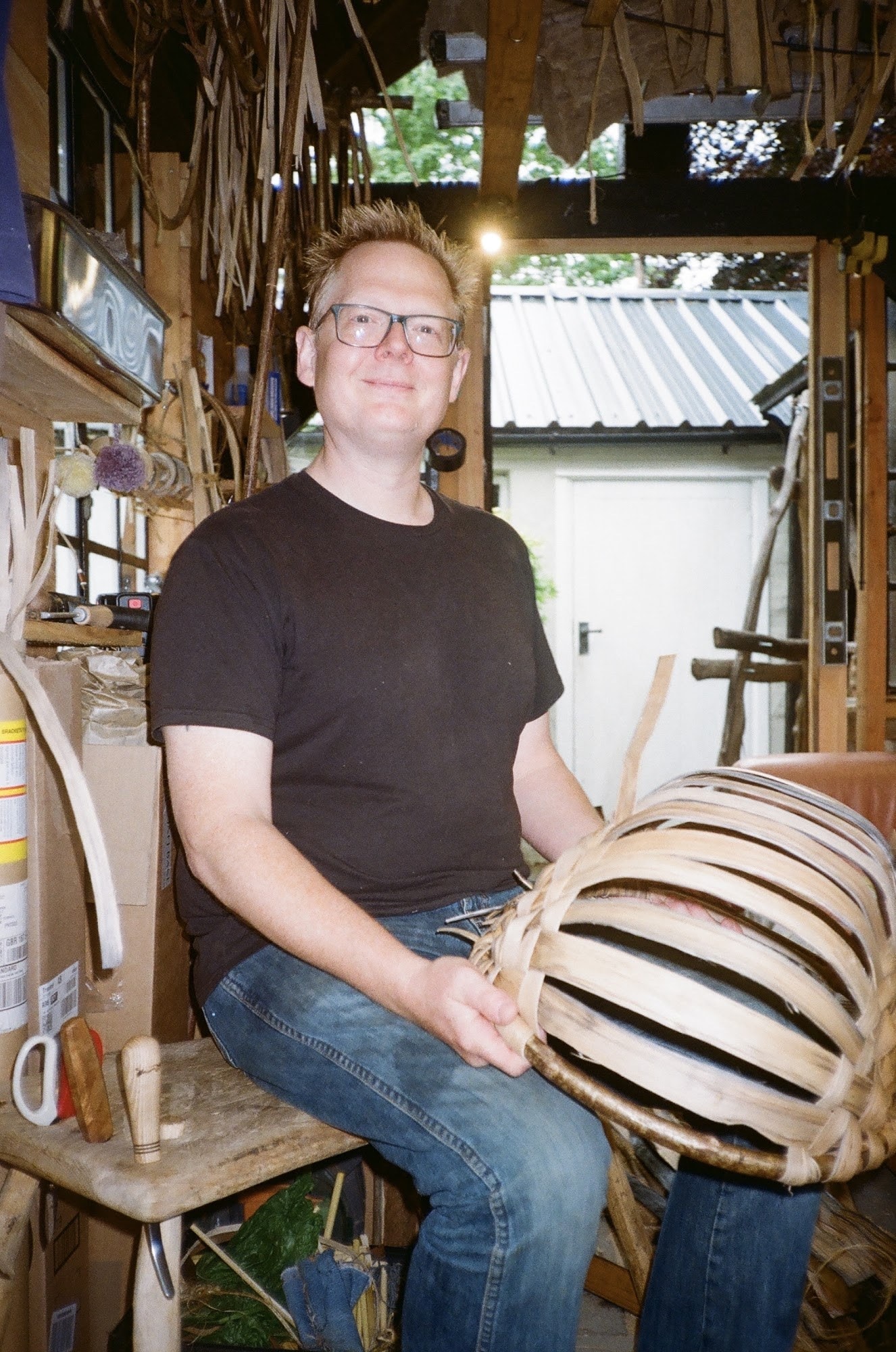
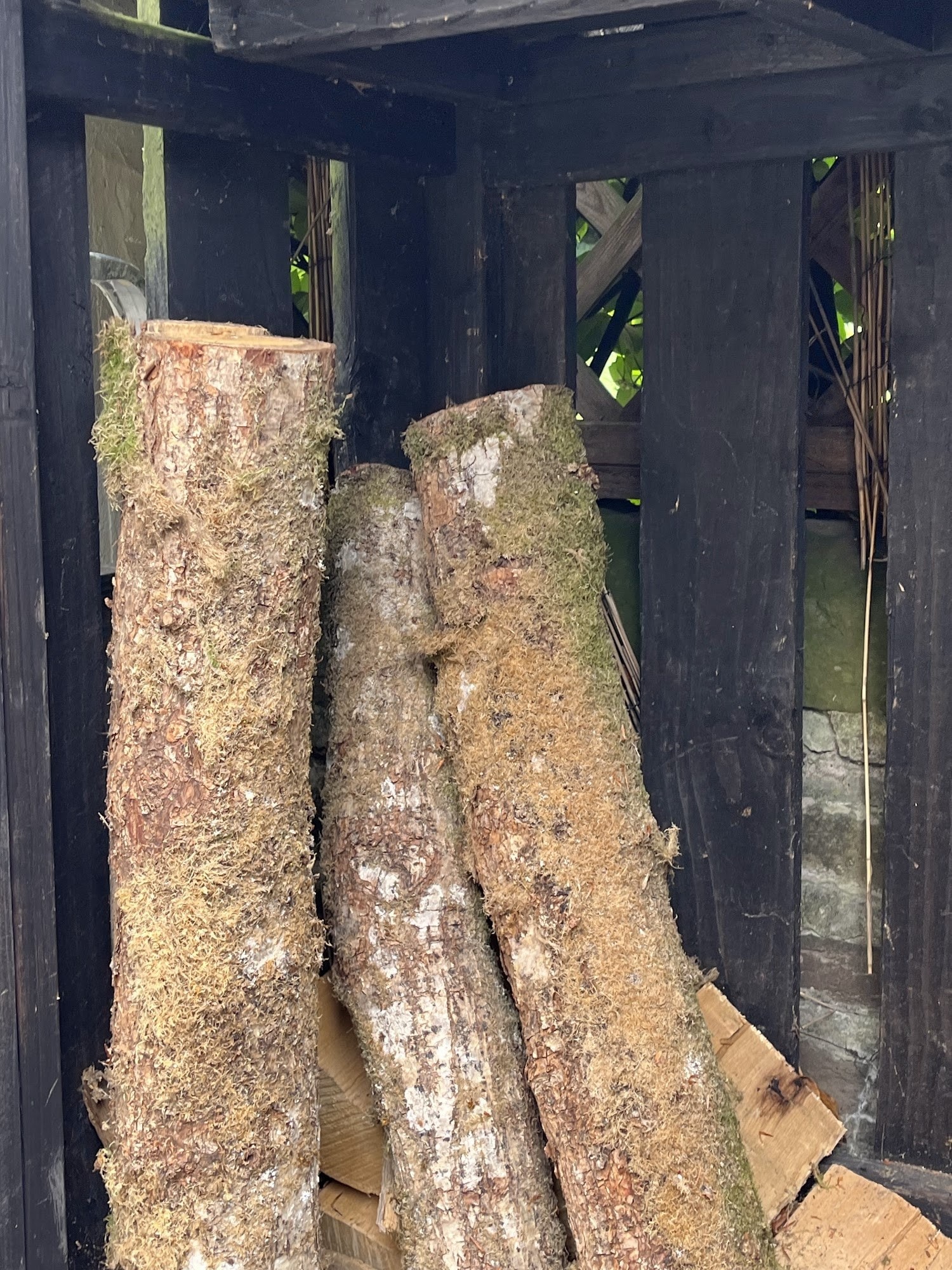
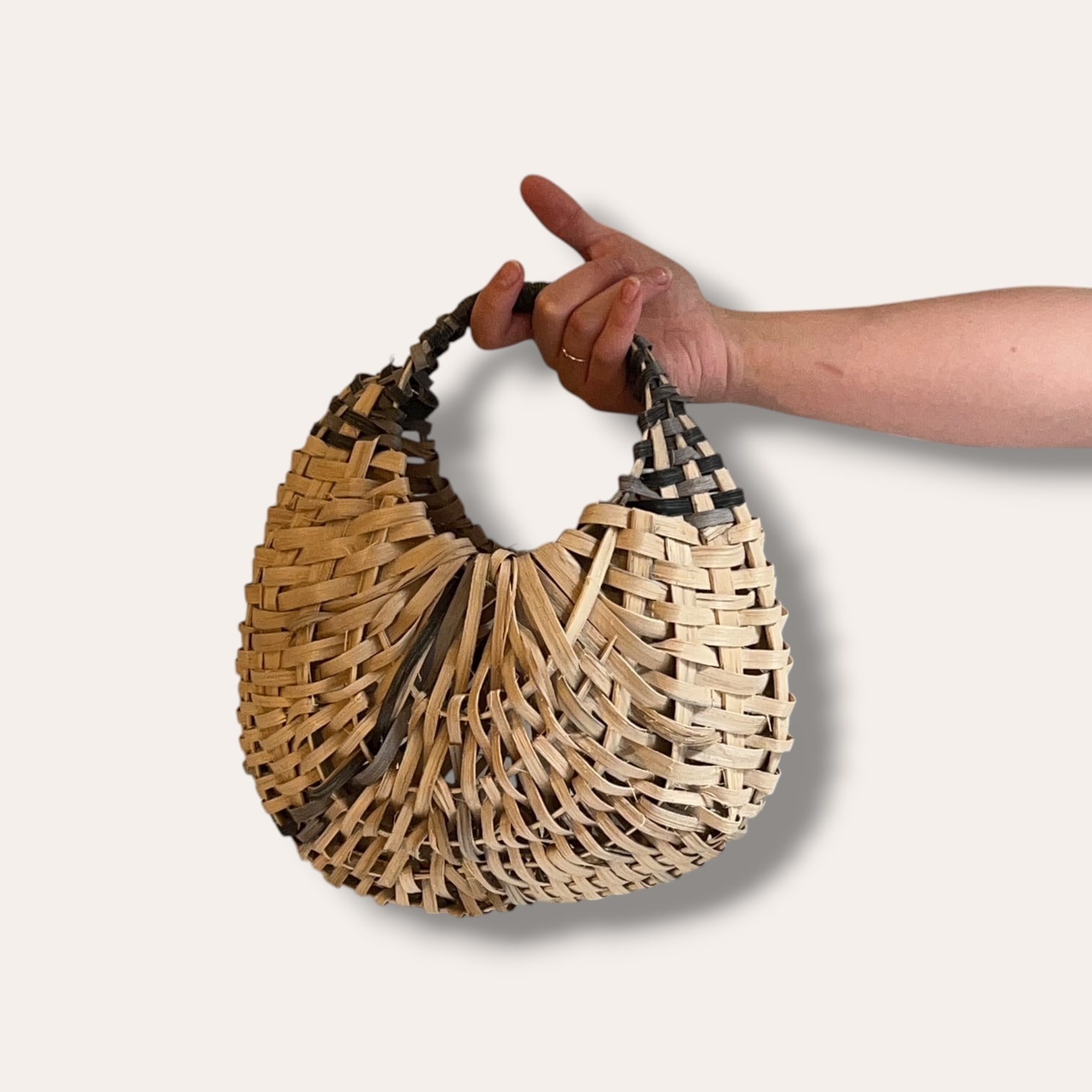
Reading him, I kept thinking about Simon Cooper's oak swill baskets. Simon makes them in Crieff, splitting oak into thin strips and weaving them round a hazel rim. Swills were working baskets, made for gathering potatoes, carrying coal and feeding animals, and oak swill basketry is now critically endangered on the Heritage Crafts Red List.
DO WE ACTUALLY NEED A BASKET?
But I have to be honest here. We no longer pick tatties in the fields by hand (thank god). So what do we really, truly need a basket for?
I see people on Instagram, not unlike me, holding these baskets as they pick vegetables from a carefully planted garden, and I sometimes wonder whether the basket was chosen from a wide range for being just battered enough to look used. It's easy to be cynical about that.
Then I think about how I actually use mine. I've put bread rolls in one at a dinner party. I've carried plates and food to a picnic in one. And more than anything, I've used one to hide blankets, magazines and general clutter, scooping it all up and shoving it in during the frantic ten minutes before a guest arrives. None of that is what a swill was designed for, but it's all real use, and the basket has been good at every one of those jobs.
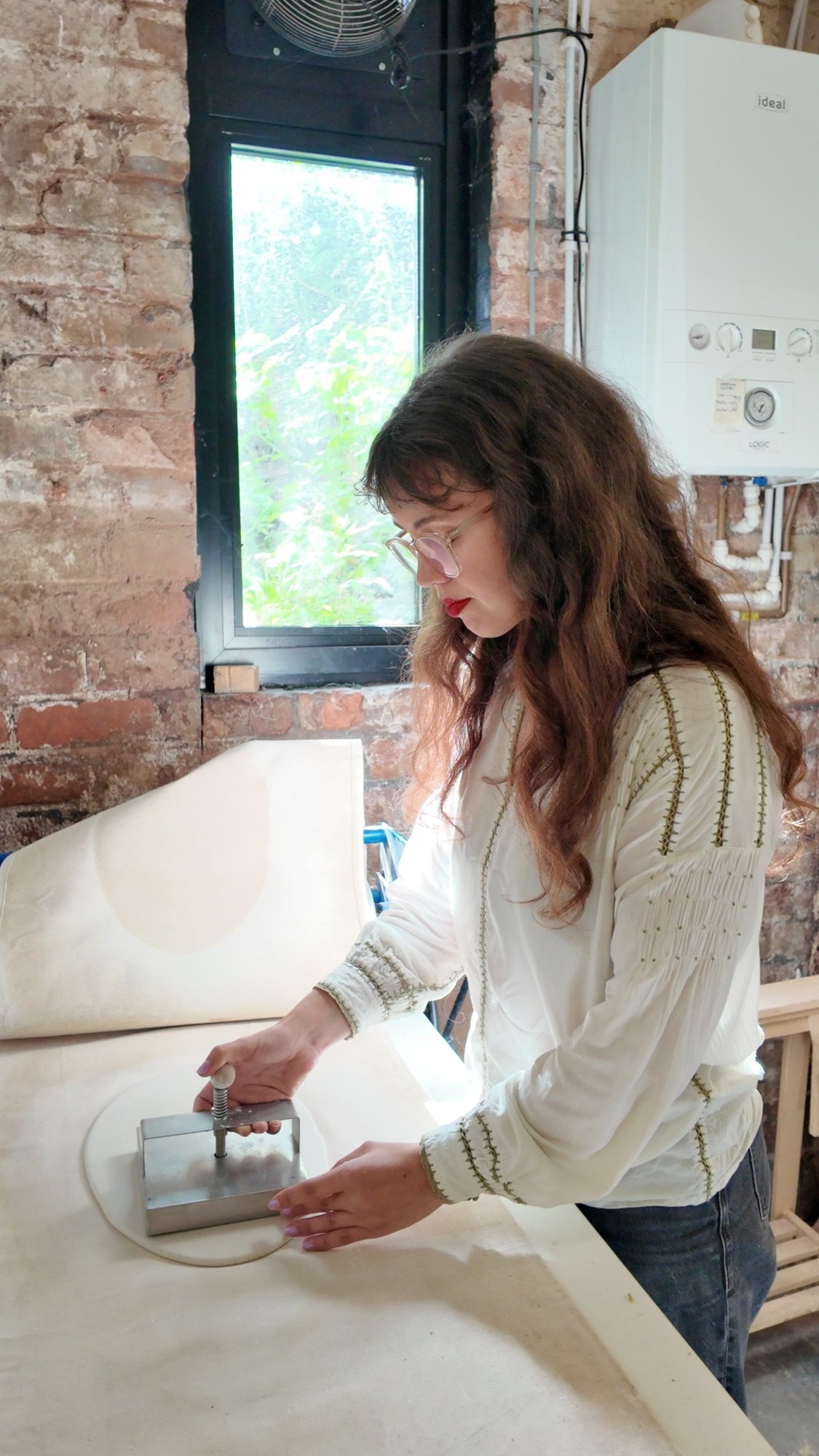
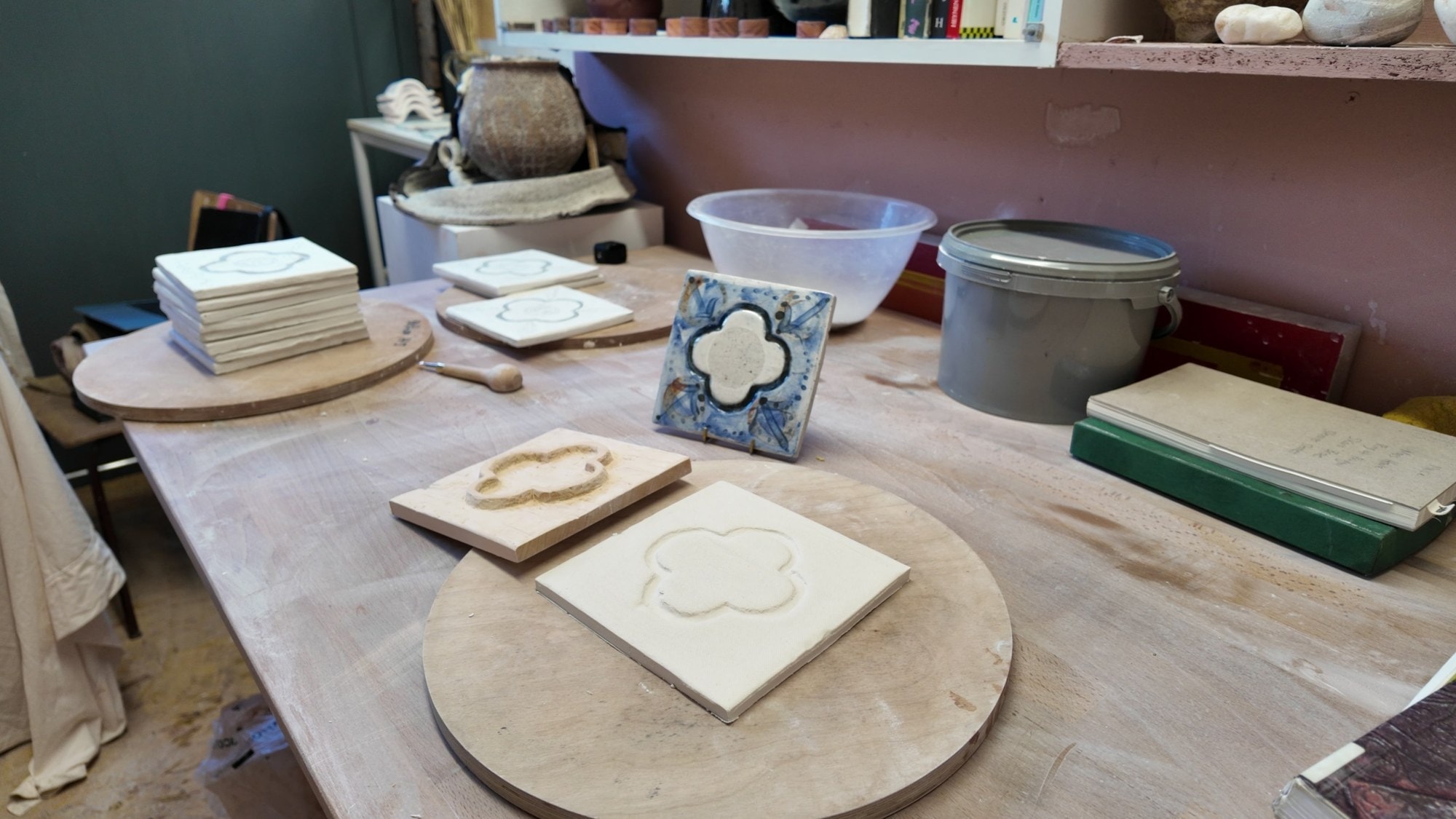
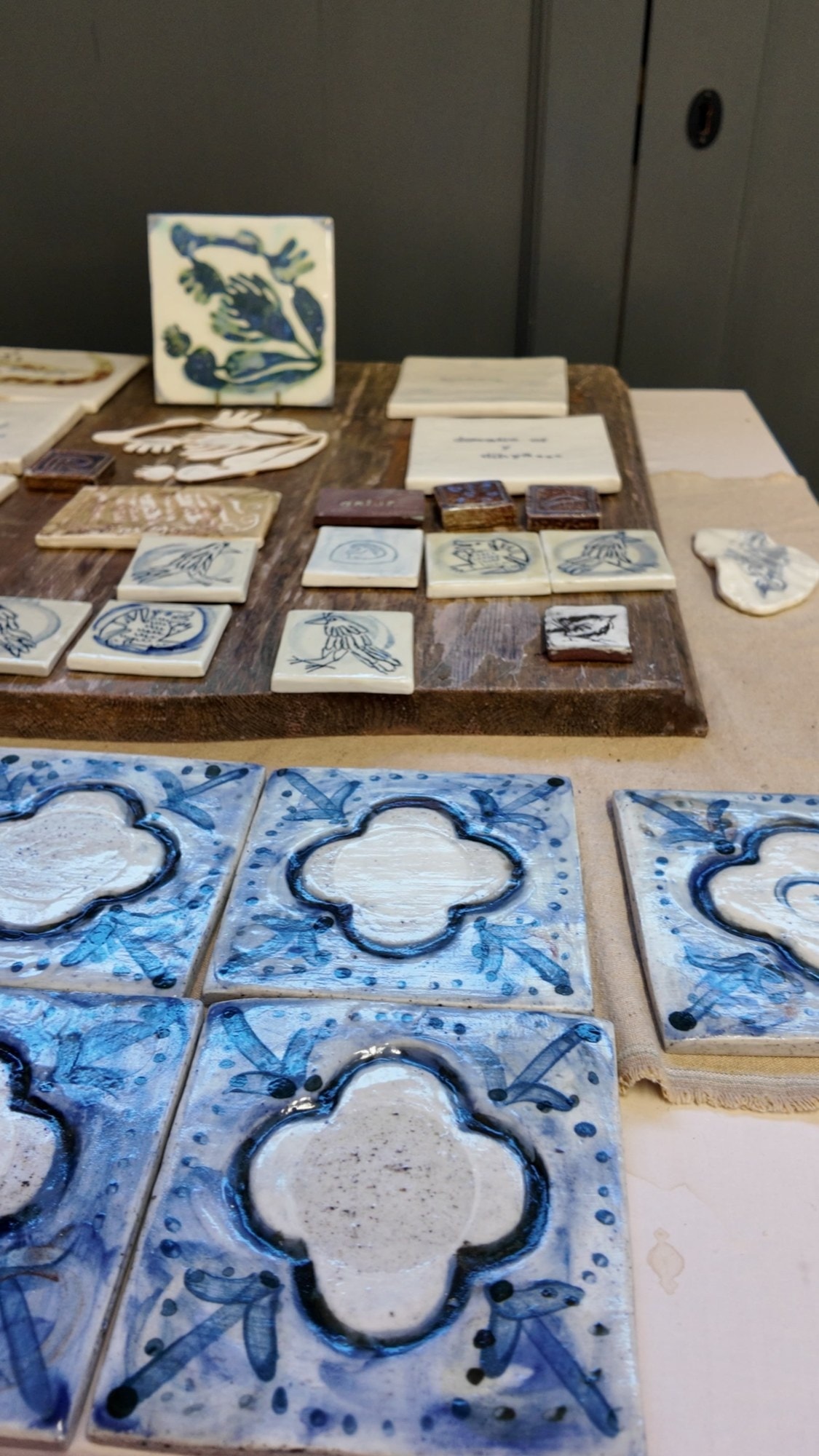
Some pieces have a more obvious purpose. Bethan Hughes Jones makes inlaid tiles, where the pattern is set into the clay rather than painted on the surface. That's why medieval floor tiles are still readable after seven hundred years of being walked on; the whole technique exists so a tile can be used hard. It's critically endangered too. And yet most people who buy one of Bethan's tiles will prop it on a shelf, not lay it in a floor.
ARE WE AFRAID OF USING THEM?
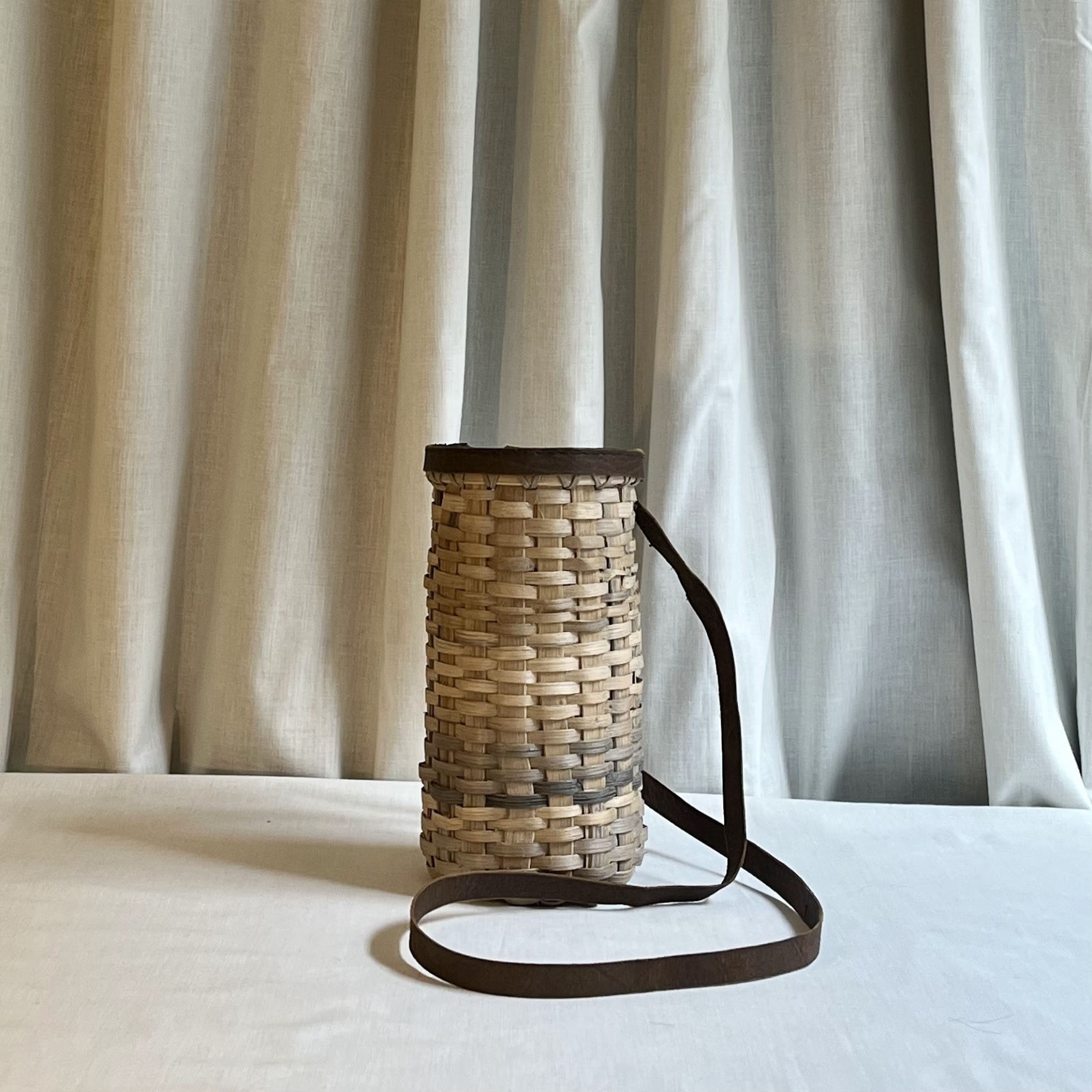
I think a lot of us are a bit afraid of using beautiful things. We save the good plates for a day that never comes, and we put the handmade basket where it can be seen rather than where it's needed. I understand why. If you've spent real money on something made by one person over several days, a scratch feels like a loss.
I'm not sure it is, though. The anthropologist Grant McCracken writes about patina, the wear that comes from years of use. Before fashion took over, that wear was a sign of status: old silver told people your family had owned it for generations. Kintsugi works the same way, mending broken pots with gold so the repair becomes the beautiful part. Even Patek Philippe's advertising says you never really own one of their watches, you just look after it for the next generation.
So does use make a piece more or less valuable? In money, it probably depends on the object. In every other way I think it makes it more valuable. A basket that has carried twenty years of picnics is worth more to the family who owns it than a new one, and I'd rather sell things that end up like that.
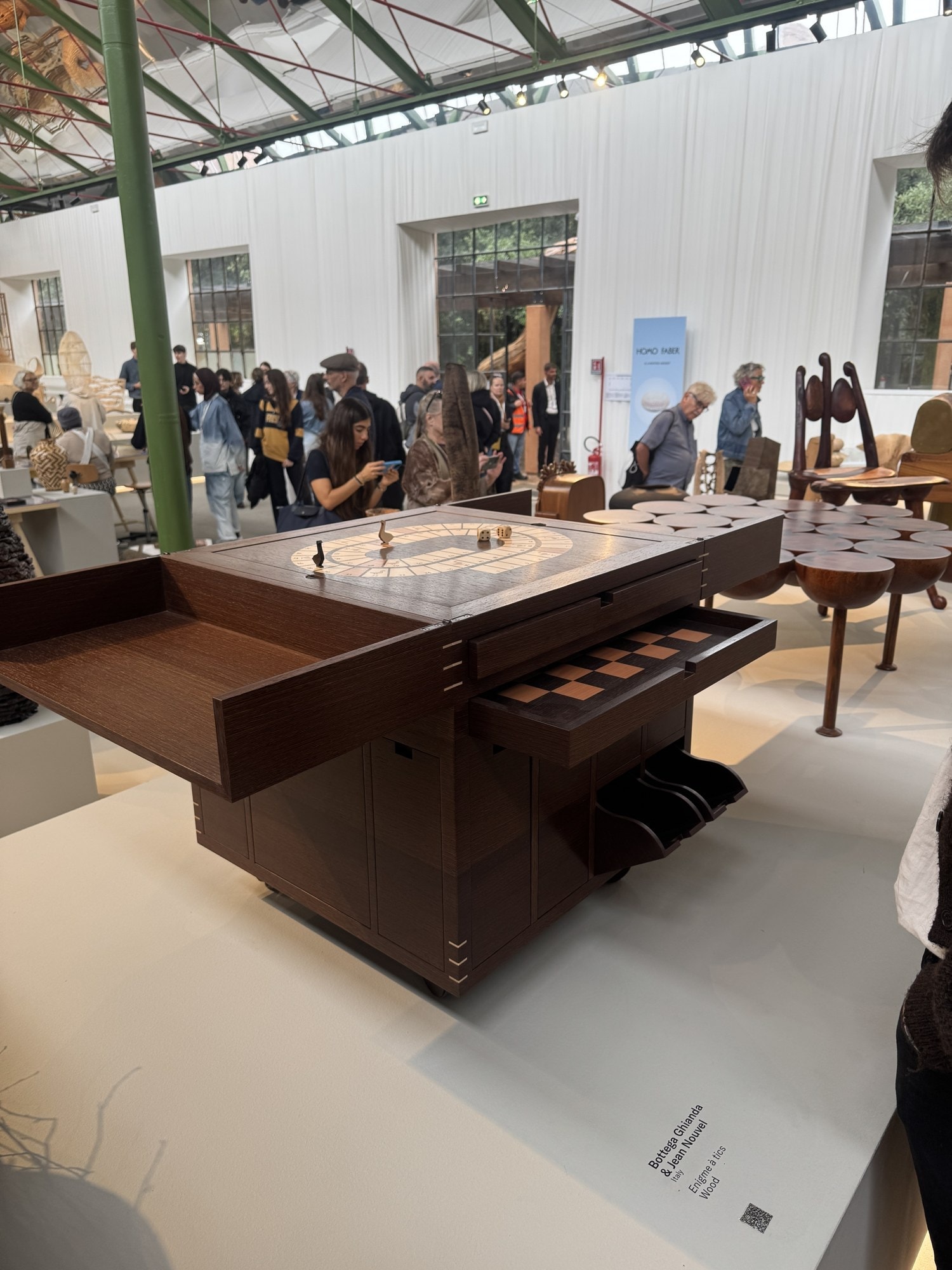
There's one piece I keep coming back to. I've been going through photos of crafts made to be used, and among them is Enigme à tics, a games table designed by Jean Nouvel and made by Bottega Ghianda, the Italian cabinetmakers. It's a beautiful thing. The boards can be switched in and out, and there are pockets for the dice, the chess pieces and every pack of cards you could need. I can picture using it on an evening with my partner, my children and eventually my grandchildren. If I could afford it, and I really wish I could, it's the kind of piece my grandchildren and great-grandchildren would fight over in the will. Hopefully not too bitterly, since the point of it is to bring people together.
WHERE ART COMES IN
The other side of the argument goes back to Kant, who ranked beauty enjoyed for its own sake above beauty tied to a purpose. A painting counted for more than a chair, and that ranking has stuck.
What helped me most was reading about what the art world actually is. The philosopher Arthur Danto argued that something becomes art partly because galleries, critics, museums and collectors agree to treat it as art. His example was Warhol's Brillo boxes, which looked just like the ones in the supermarket. So the art world gives things status, and it runs a market where work is often bought as an investment. Use isn't part of its job.
I'll admit I don't understand art in the way I understand a basket or a games table. This is a regular and fairly passionate argument in our house, because my partner is an oil painter. I sell paintings on The Haud and I'm glad to. The closest I've come to making sense of it is that you don't use a painting, but you do live with it, and seeing it every day is its own kind of use. My partner would say that's missing the point entirely.
WHAT THE MARKET PAYS FOR
The art market pays for a name, for scarcity and for provenance (the record of who made something and who has owned it). Everyday craft gets priced against the shop version, so a maker is paid for their hours and materials and struggles to go beyond that. The Crafts Council found that 73% of UK adults bought craft in 2019, but most of that market is cautious about cost.
Even the prizes lean towards art. The Loewe Foundation Craft Prize is one of the best known in the world, and its last two winners were both ceramic sculptures.
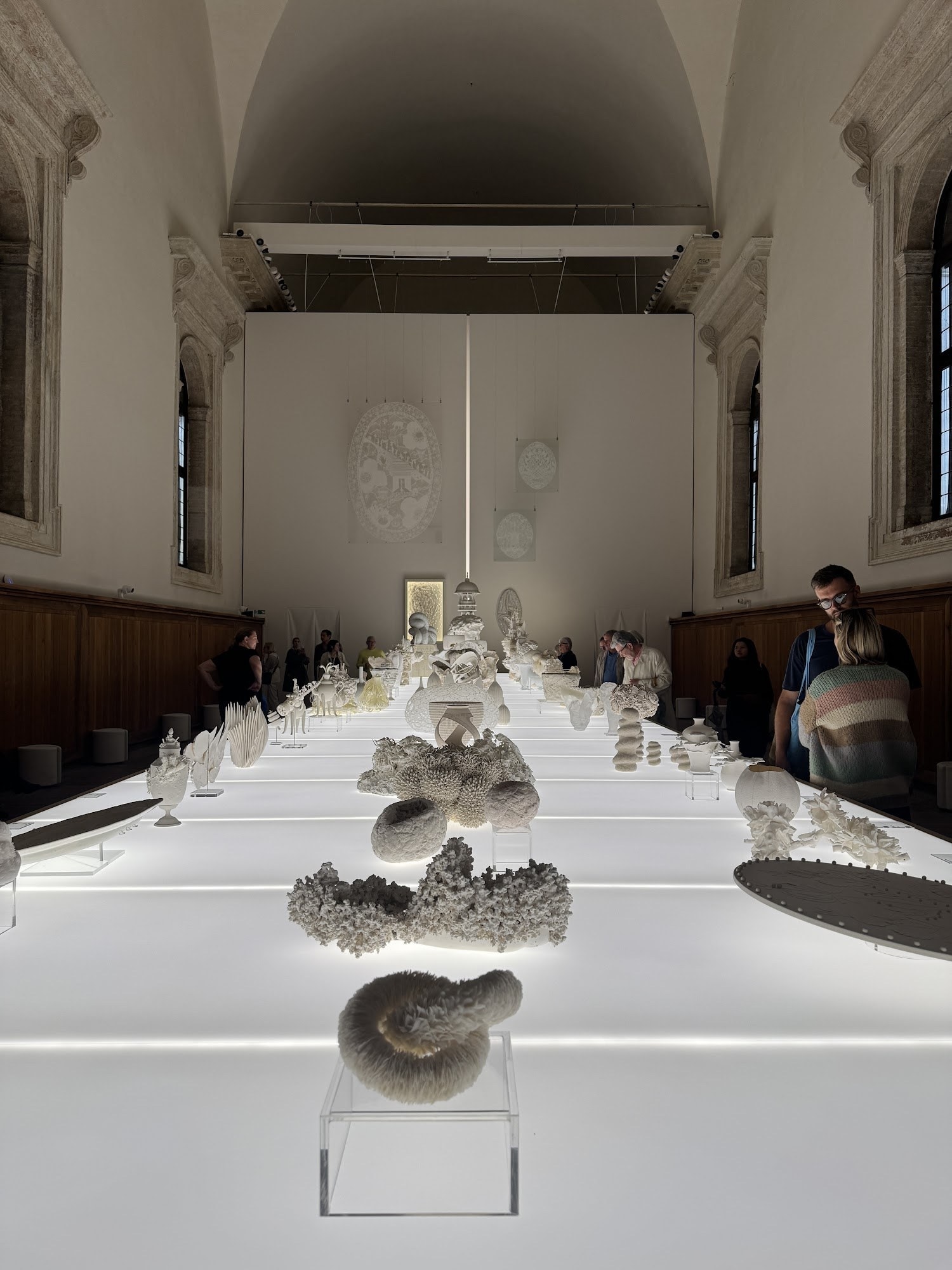
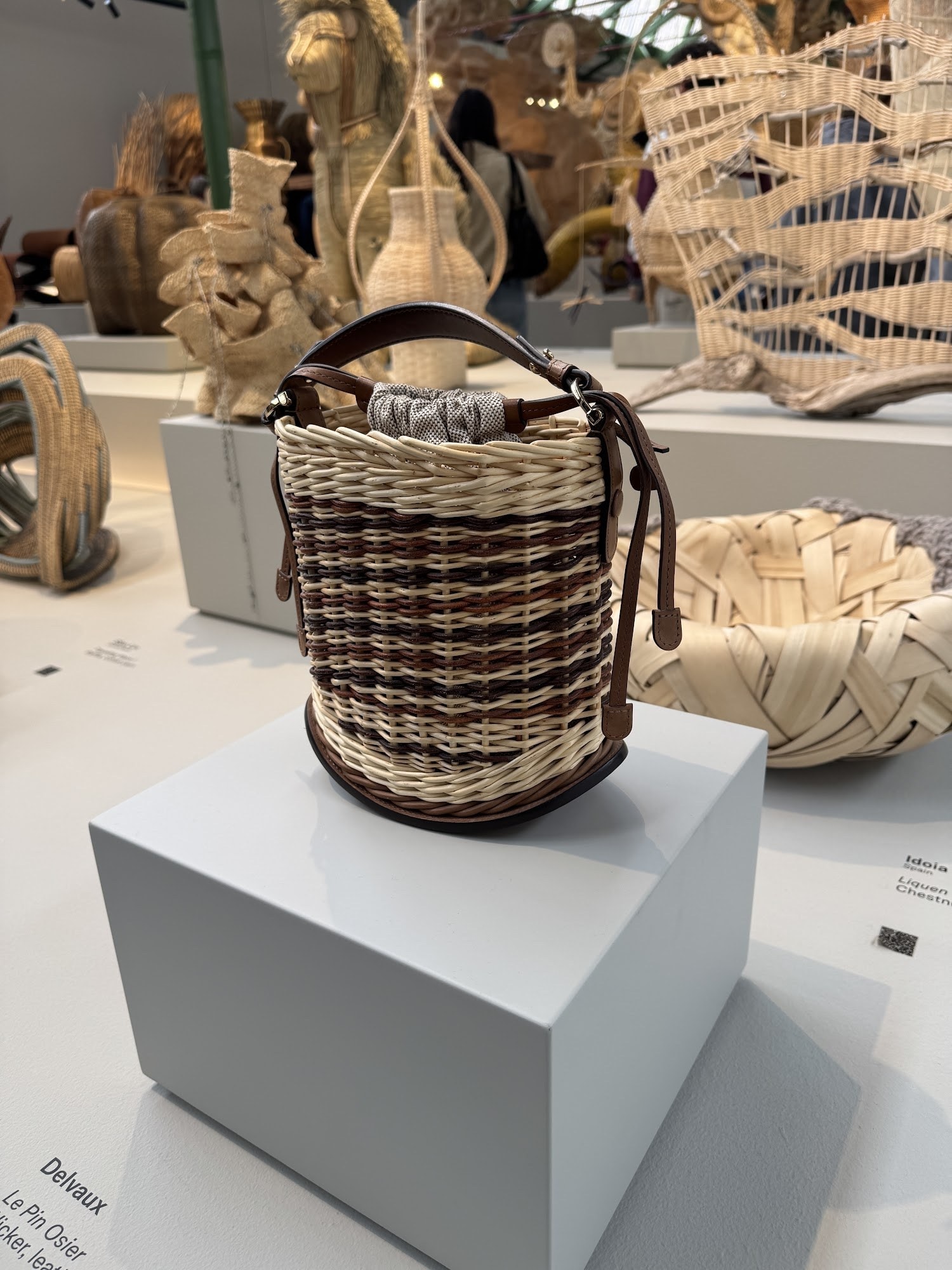
I was at Homo Faber in Venice this month, which I'll write about properly in another piece. It brings together more than 500 craftspeople from over 70 countries, and walking round it I kept asking myself which pieces were made to be used and which were made to be looked at. The exhibition is deeply immersive, with immense attention to lighting, moving stages and set design, and at times it feels like being in a film. It's beautiful, but sometimes the staging distracts from the making itself.
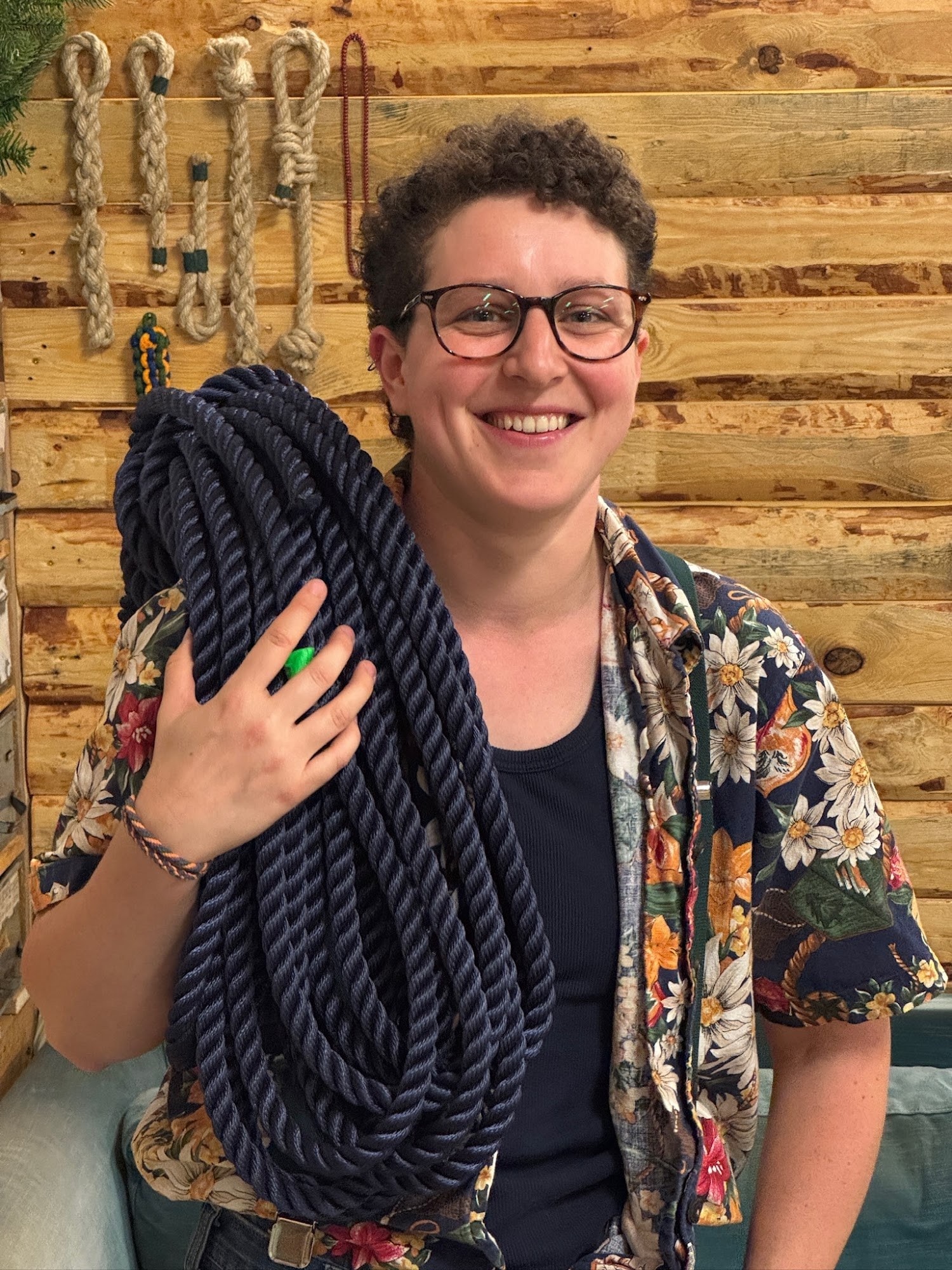
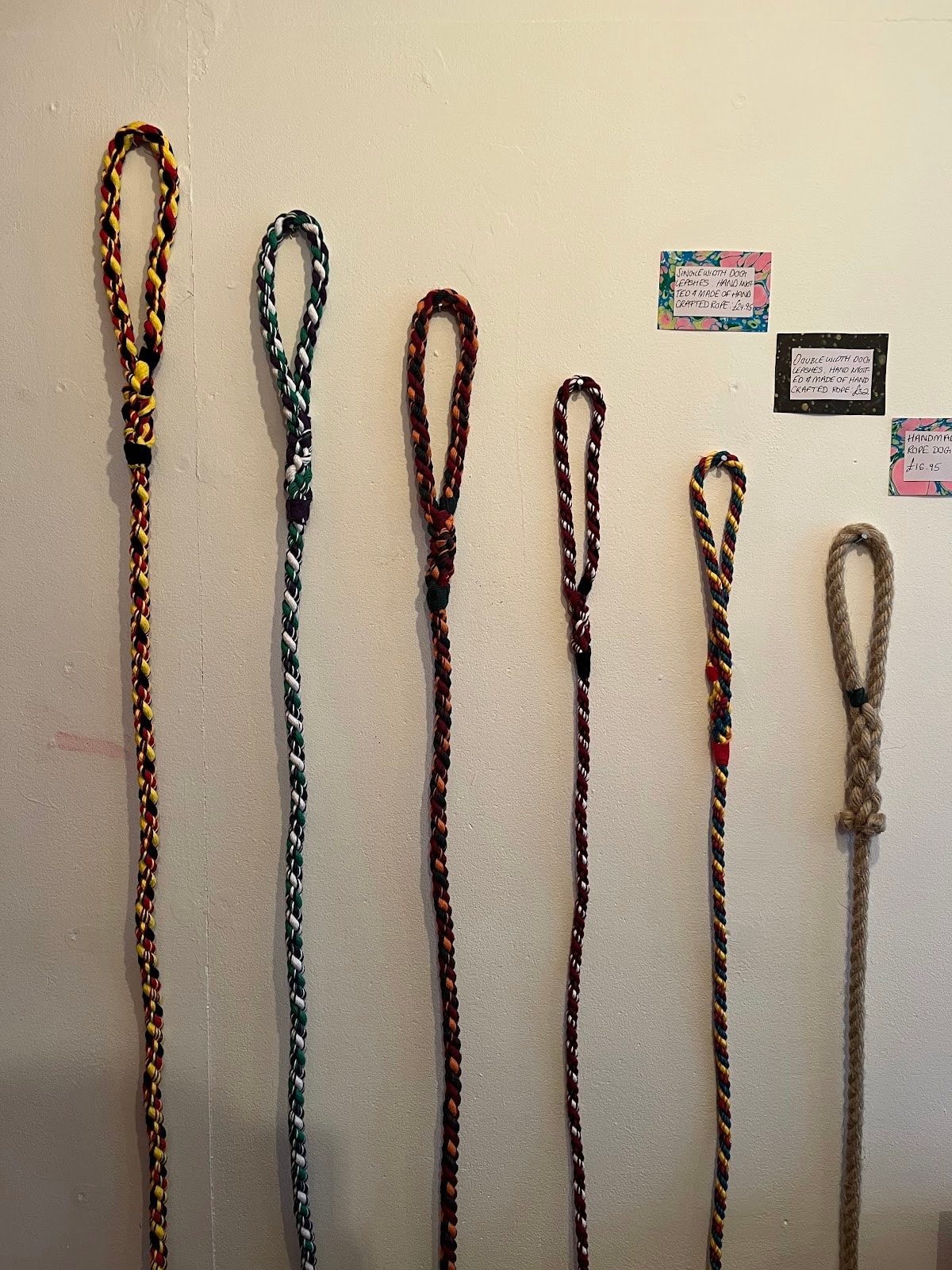
That's the tension I feel at The Haud. The obvious way to lift craft above the £4 comparison is to borrow the art world's tools: the maker's name, the story behind the piece, how few people still do it. I do a lot of that, and the Red List is part of it. I think it's right, because a buyer should know that Gem Bowes makes the rope for the Tightrope Knots dog leads by hand, or that Lucy Hook-Child's harvest tokens are an endangered craft. What I don't want is for that story to turn a dog lead into something people are nervous about using.
WHERE THE HAUD GOES FROM HERE
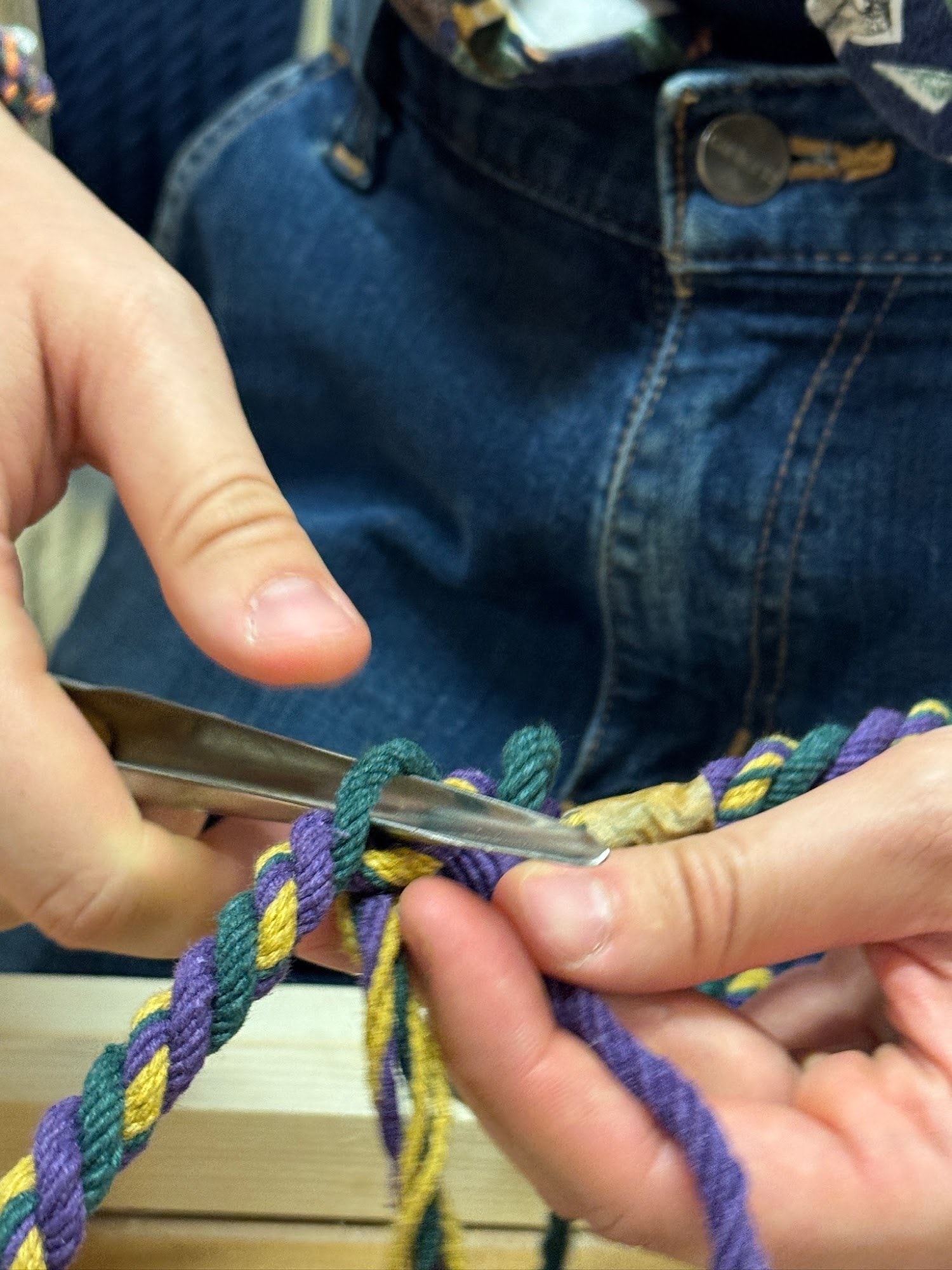
Bernard Leach's pottery in St Ives made affordable "standard ware" for everyday use alongside one-off pieces. The one-offs gave the workshop its reputation, and the standard ware paid the bills and ended up in people's kitchens. I think The Haud already looks a bit like that. There are the pieces people will use every day, like Mark Pettit's bentwood rings, the rope leads and the swills, and there are the pieces made to be looked at, like Greg Kent's turned vessels and the paintings. I don't want to choose one, and I don't think I need to. What matters is that the second group doesn't set the terms for the first.
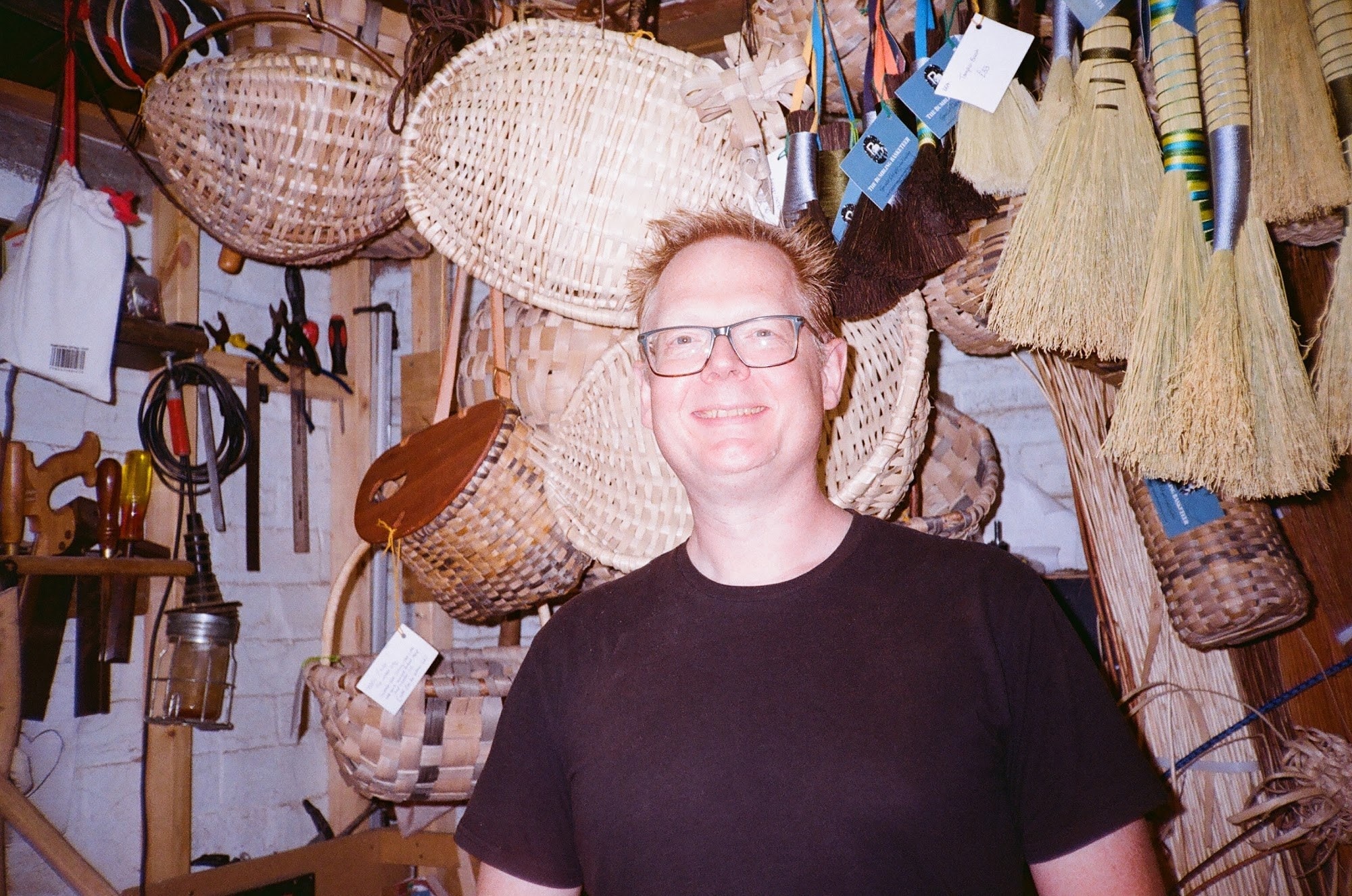
As The Haud grows, the thing I want to get right is how we talk about value. I'd like the story around a piece to make people more willing to use it, not less. That probably means writing more about how things are looked after and mended, and showing pieces with some wear on them as well as fresh from the workshop.
I also don't know how this sits with the Red List. Part of me thinks the best thing I can do for an endangered craft is sell it as something ordinary and useful, because that's what it was for and that's what will keep people making it. Another part of me knows the rarity is exactly why some people will pay a fair price. I suspect I'll be going back and forth on that for a while.
For now, my view is that the best objects are the ones that earn their place by being used, and the most useful thing The Haud can do is help people buy them and then actually use them.
More stories like this
One thoughtful email a month, not a marketing torrent. New makers, seasonal edits, and the stories behind the craft.
How we look after your details: privacy policy