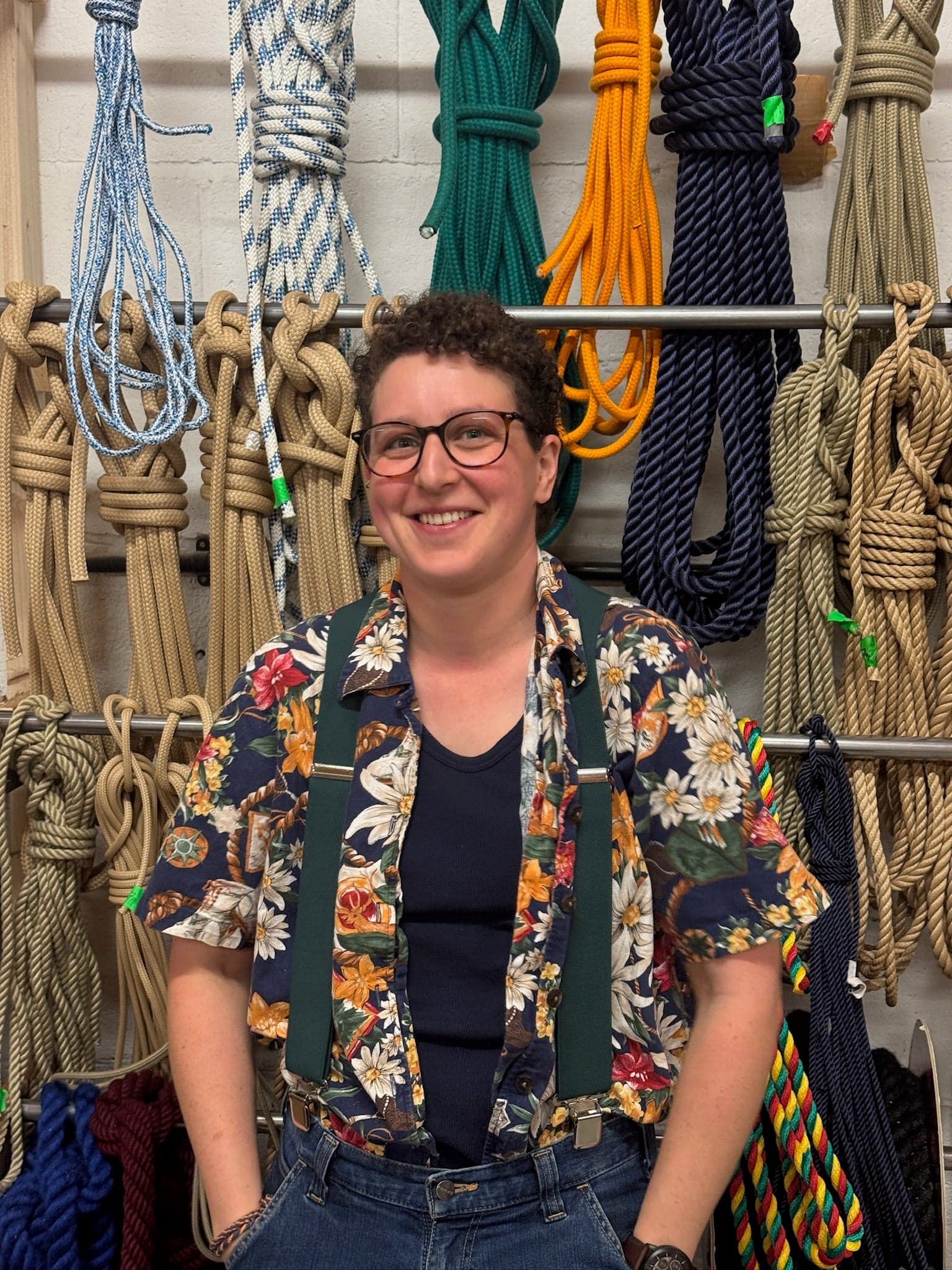
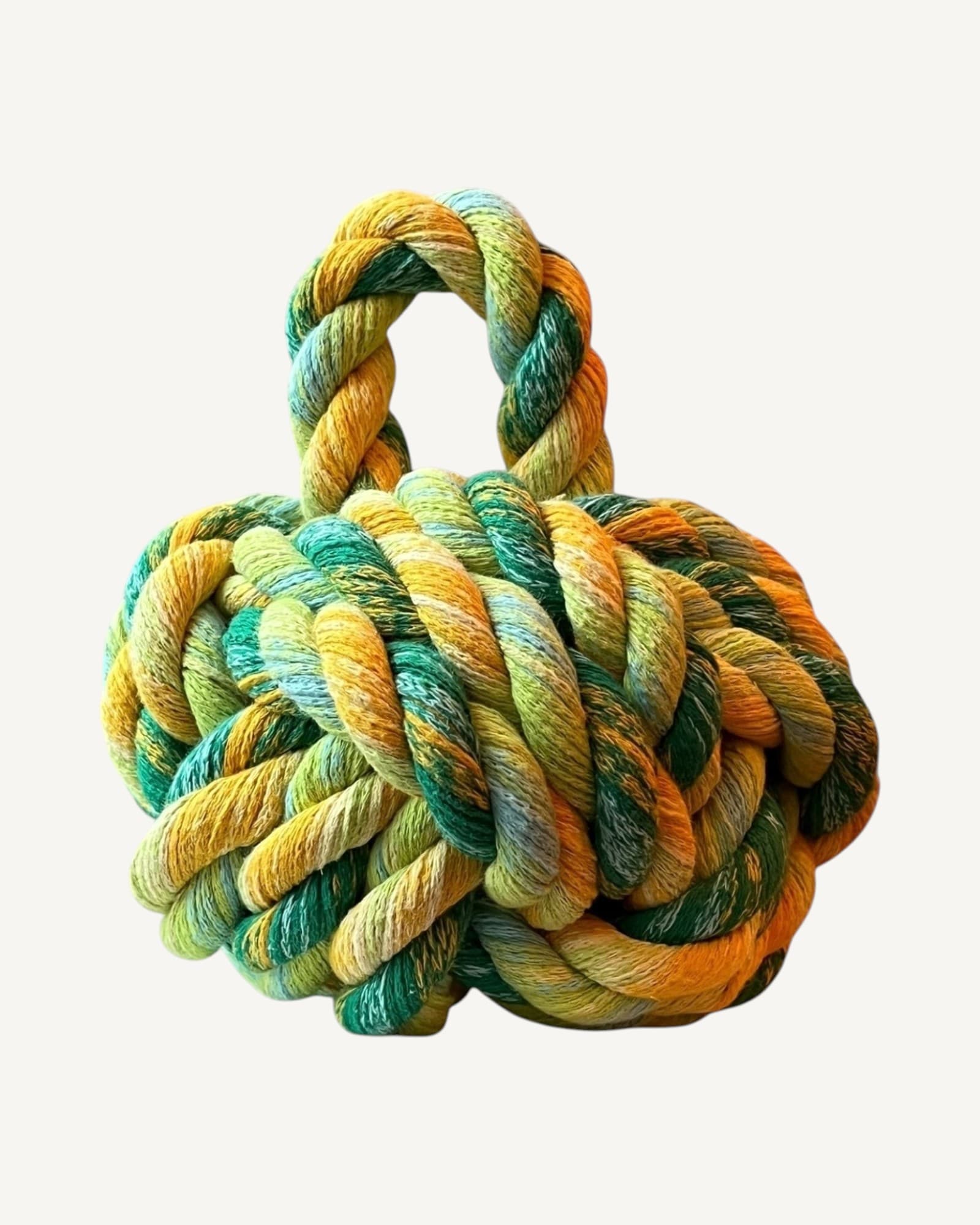
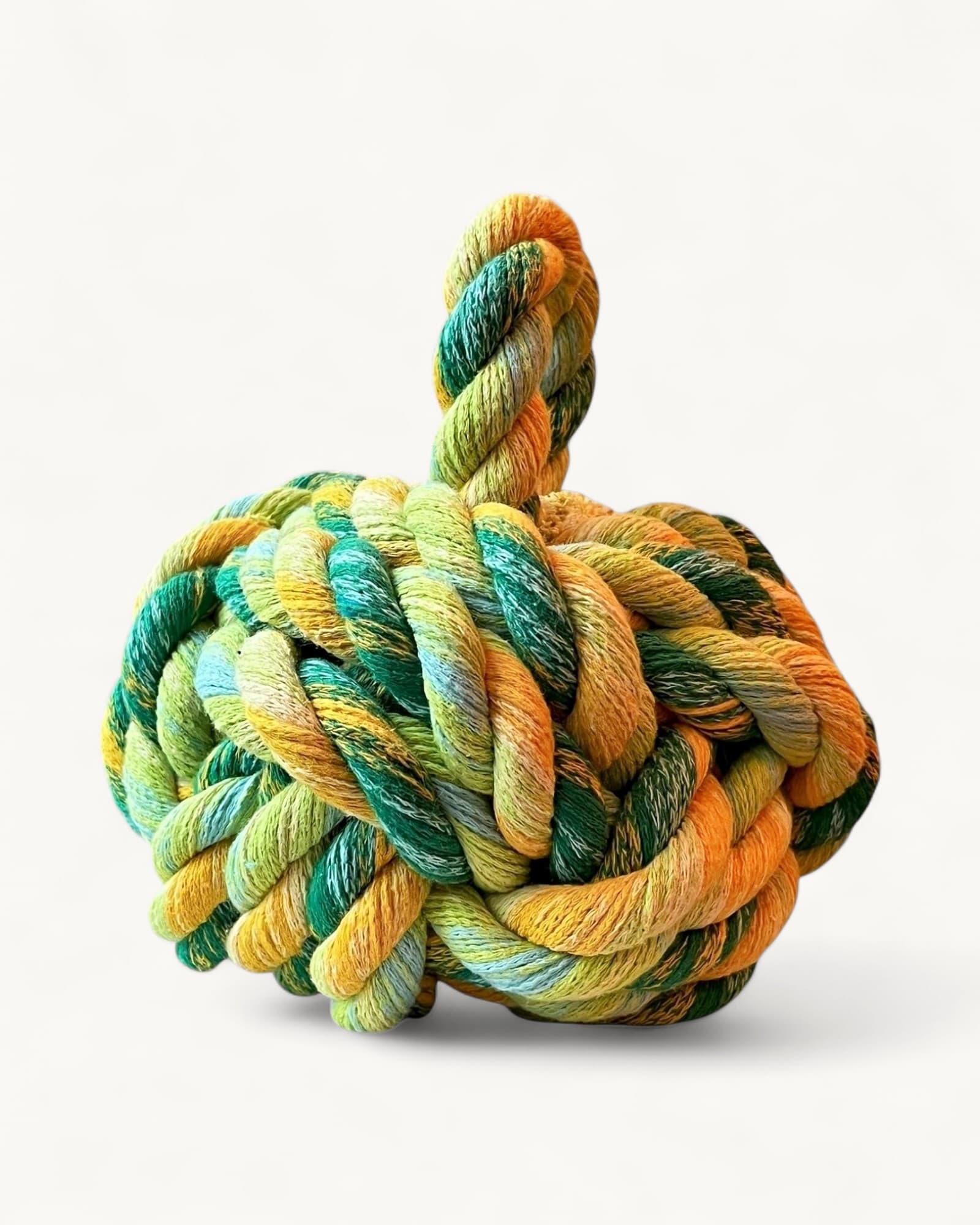
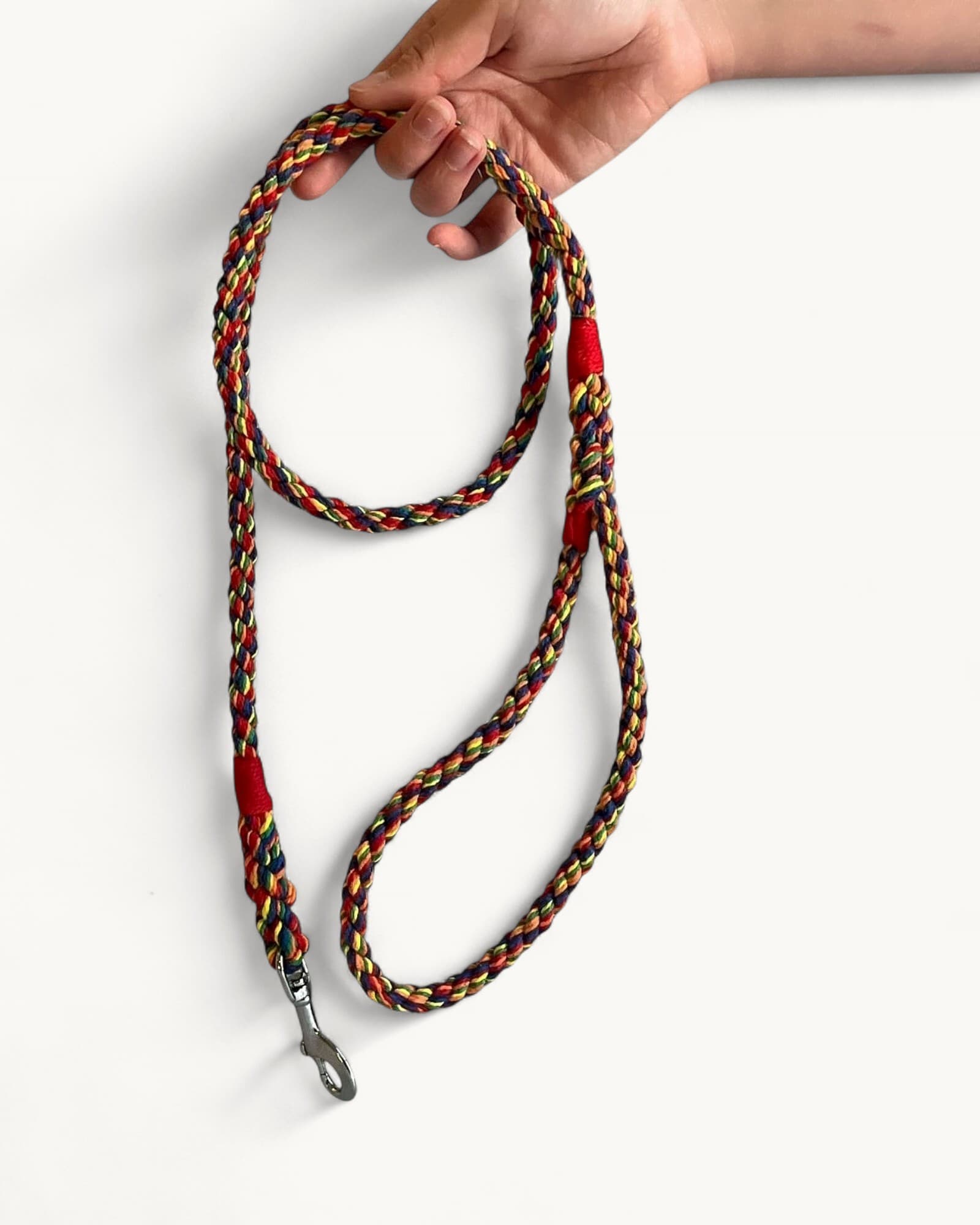
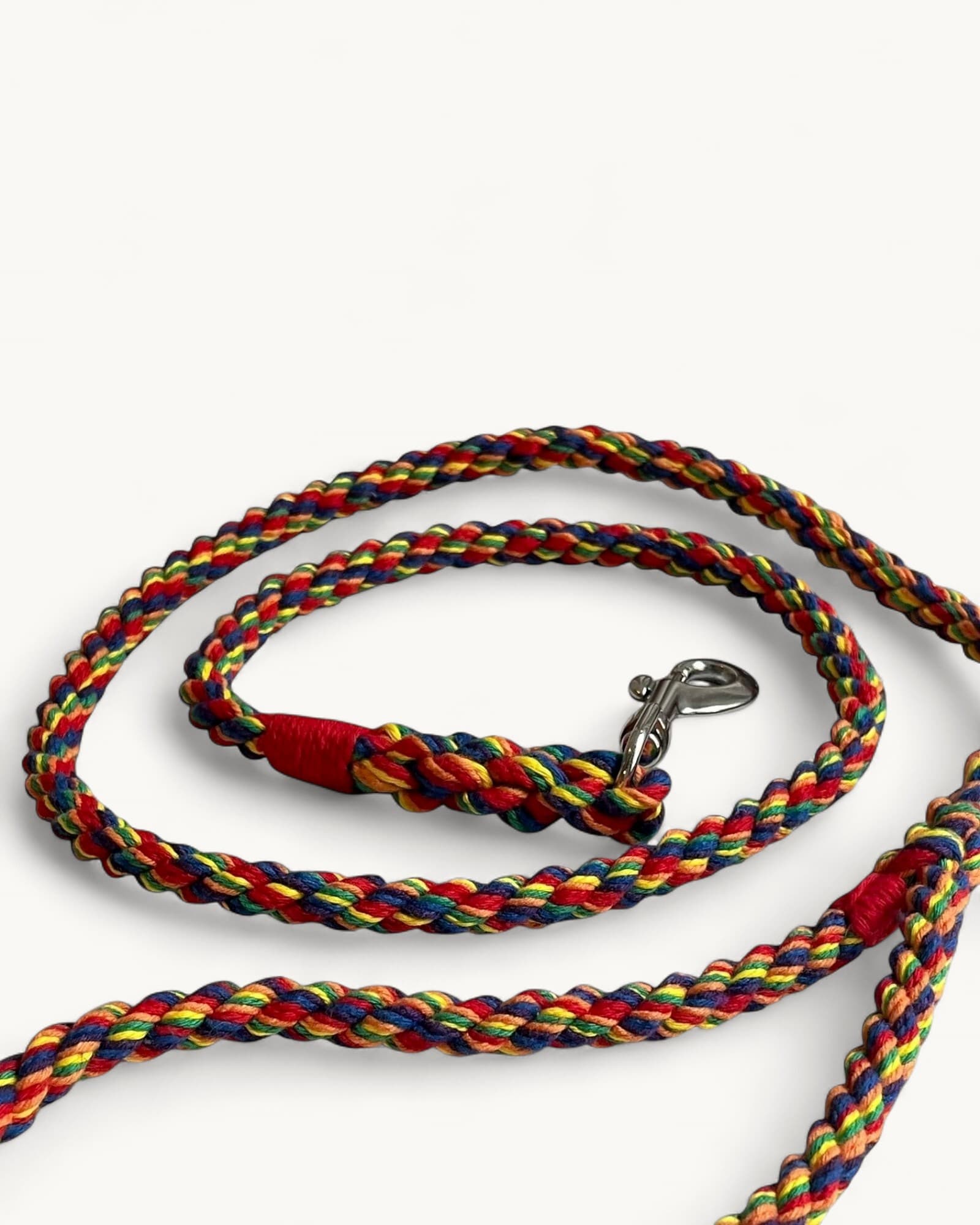
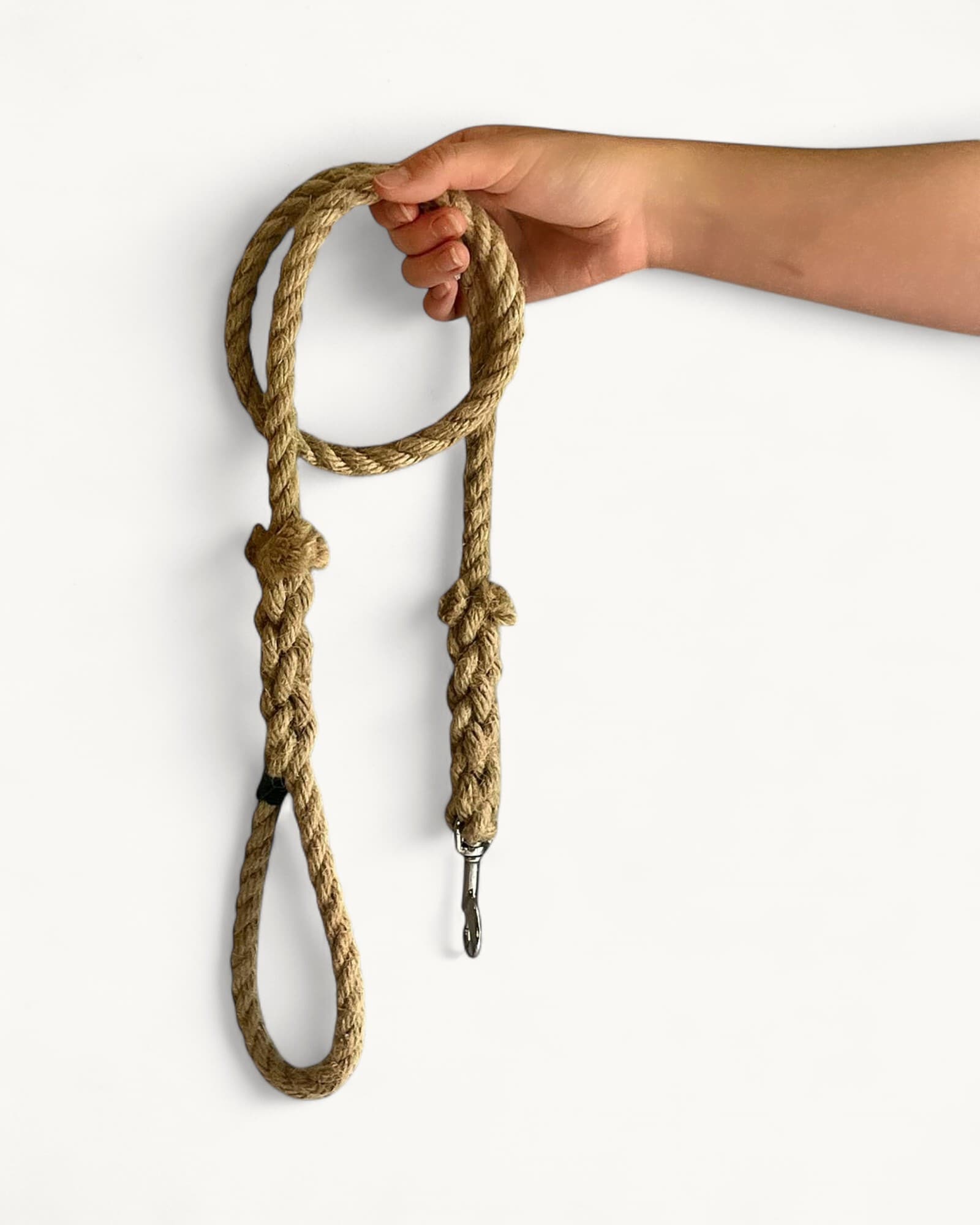
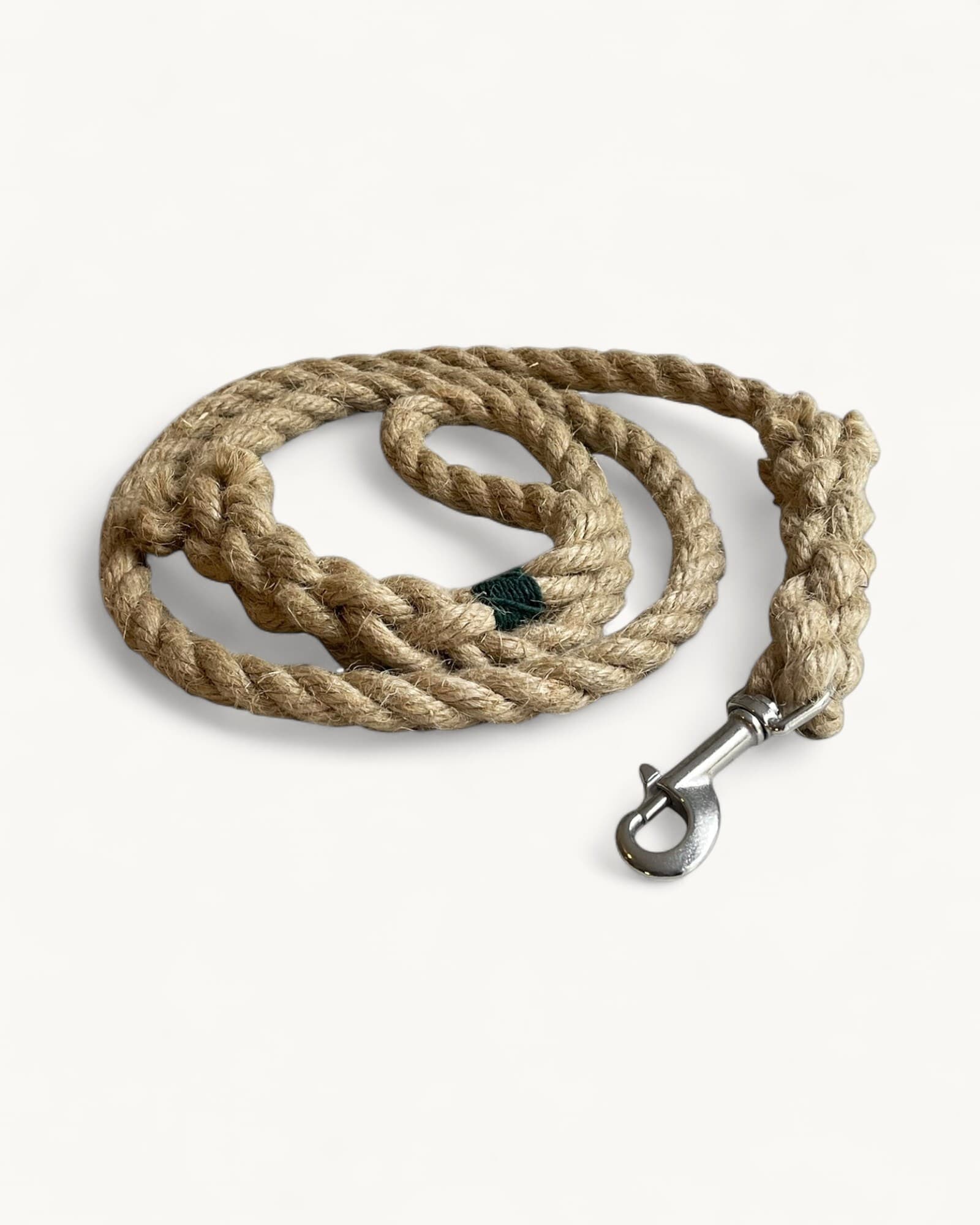
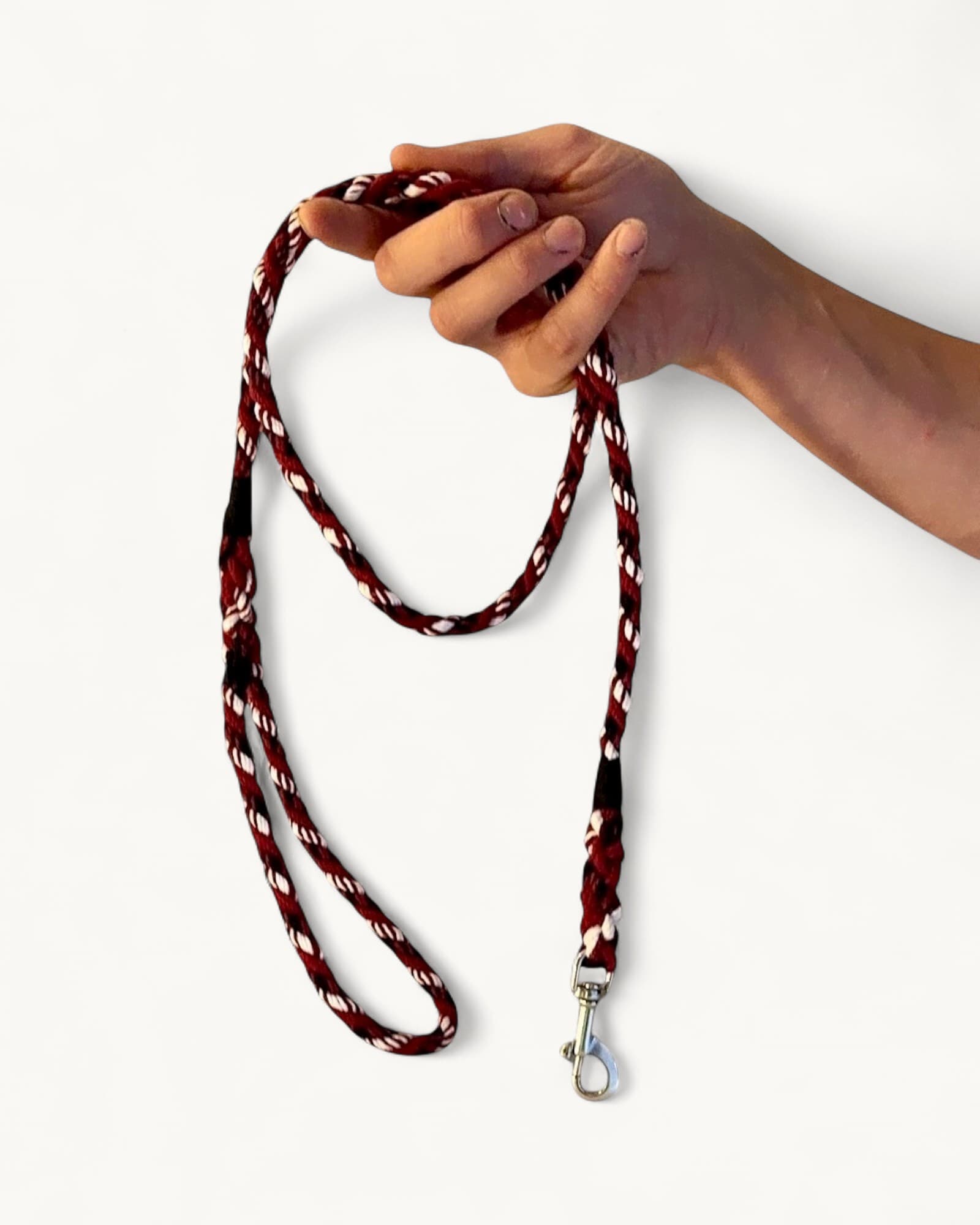
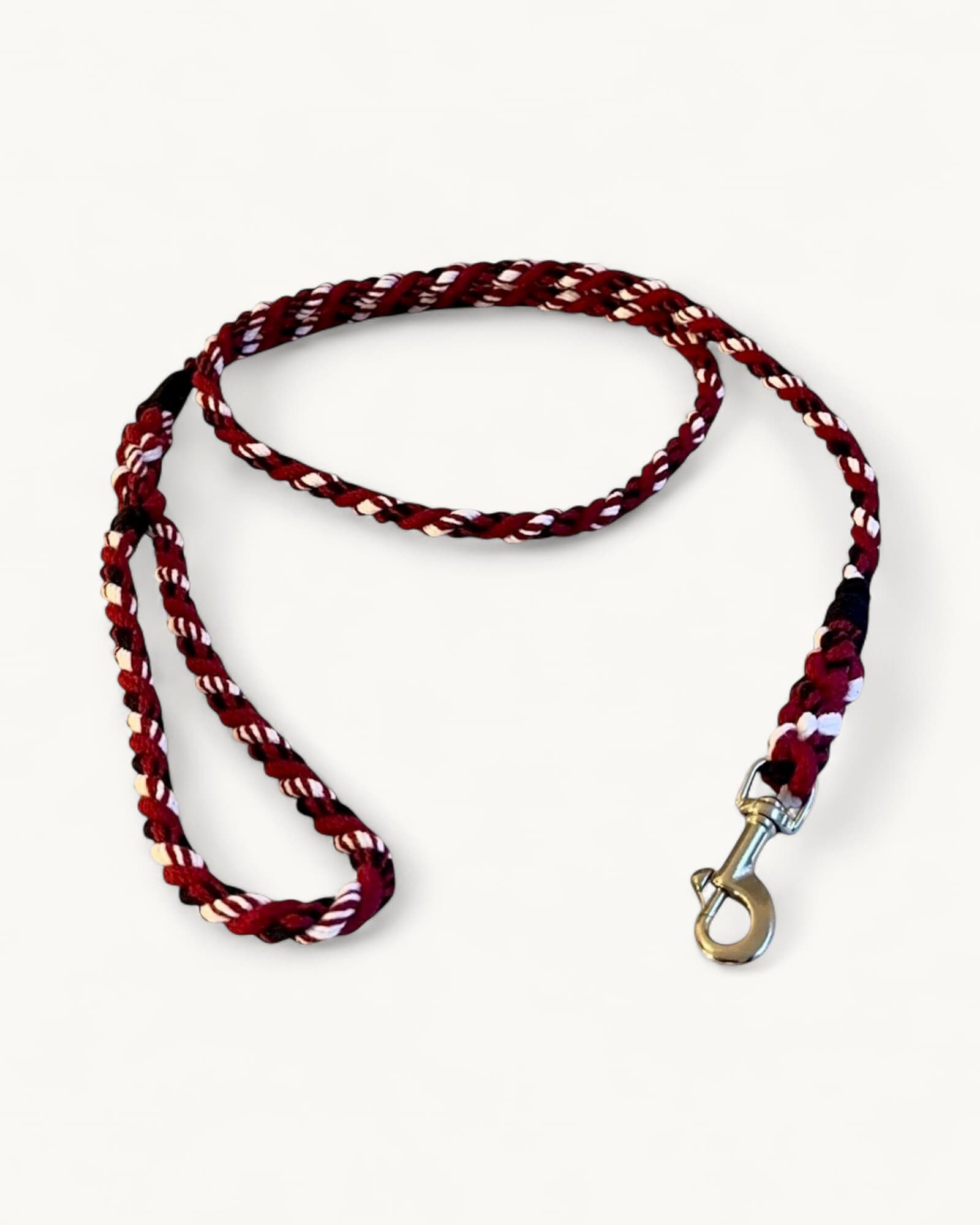
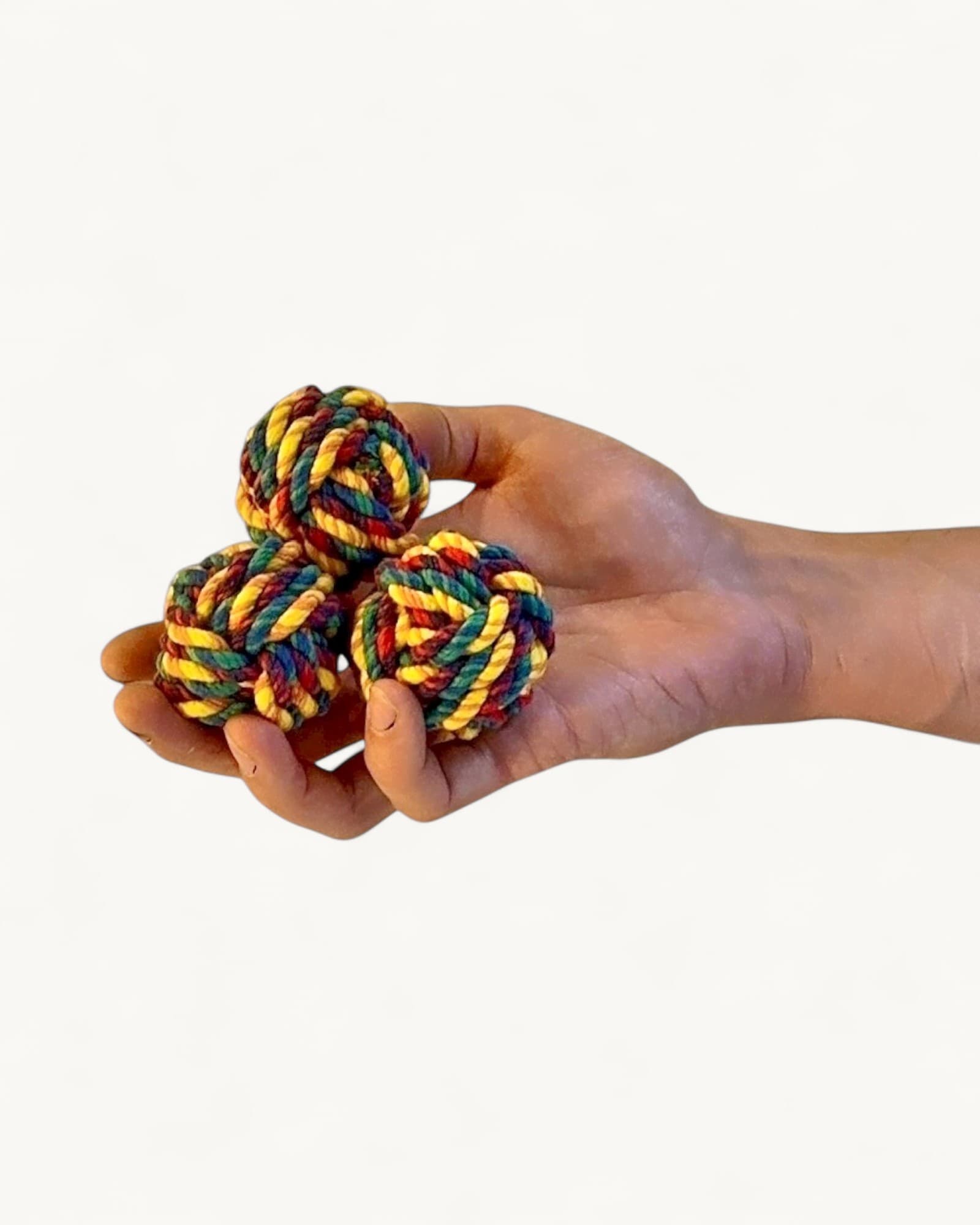
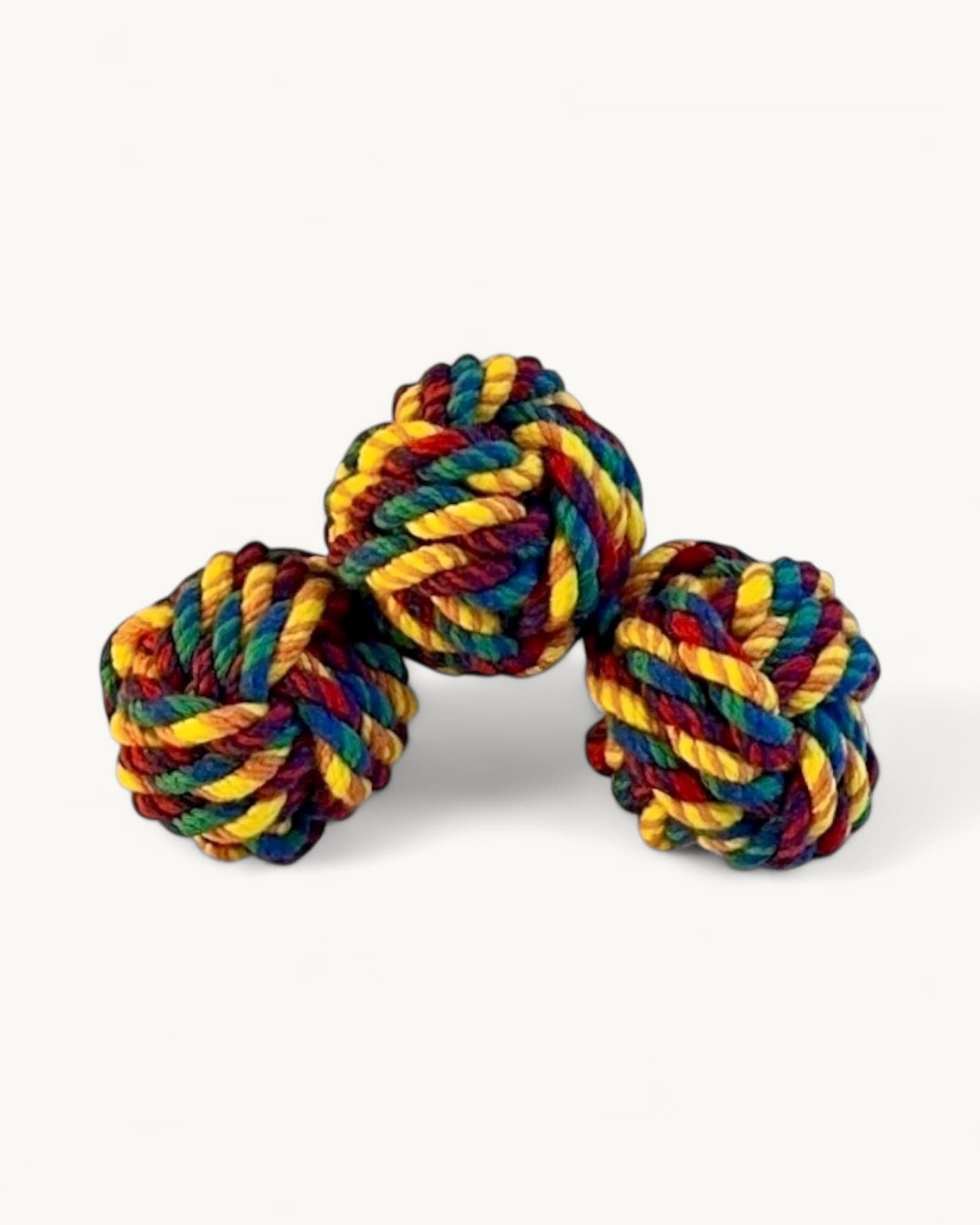
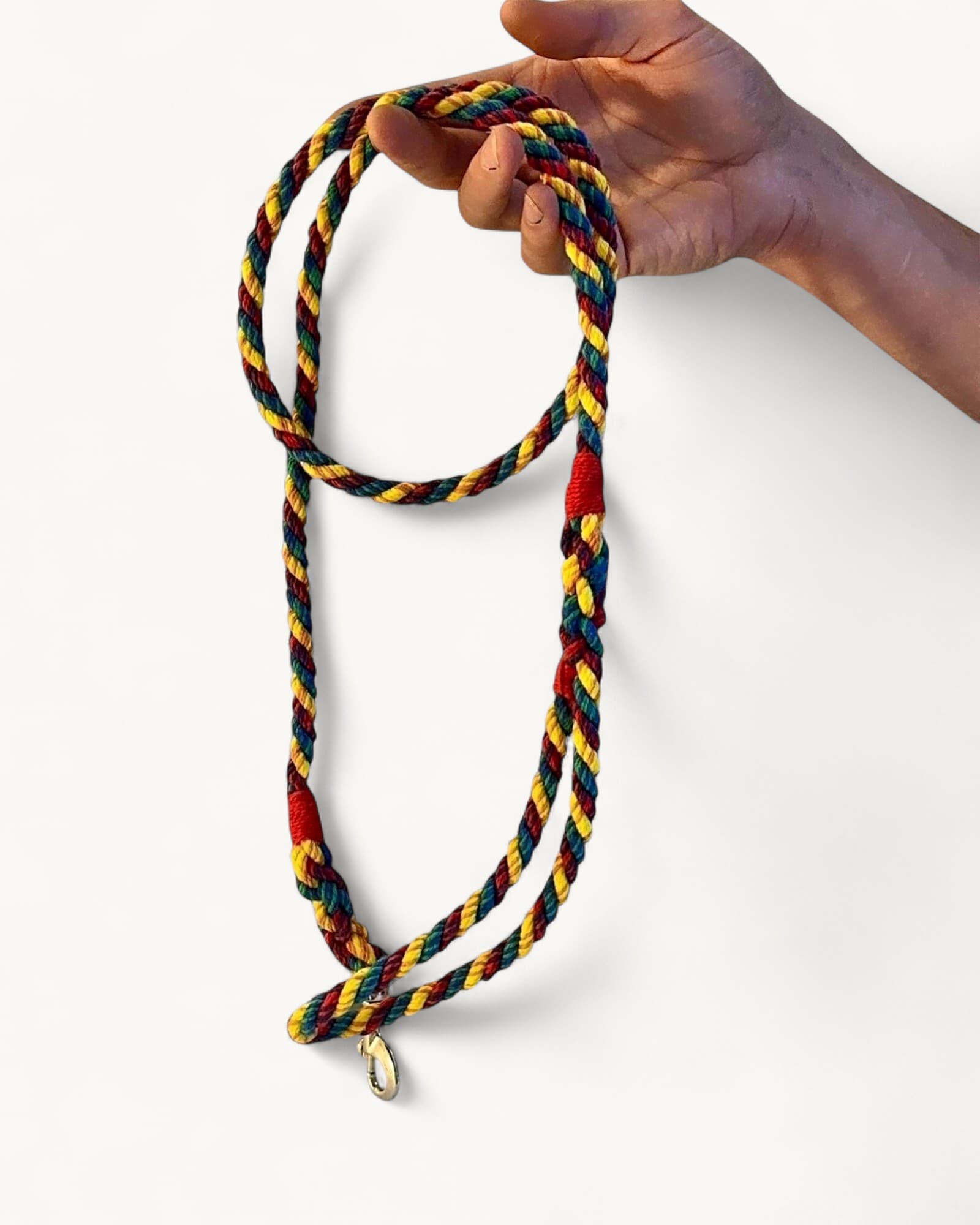
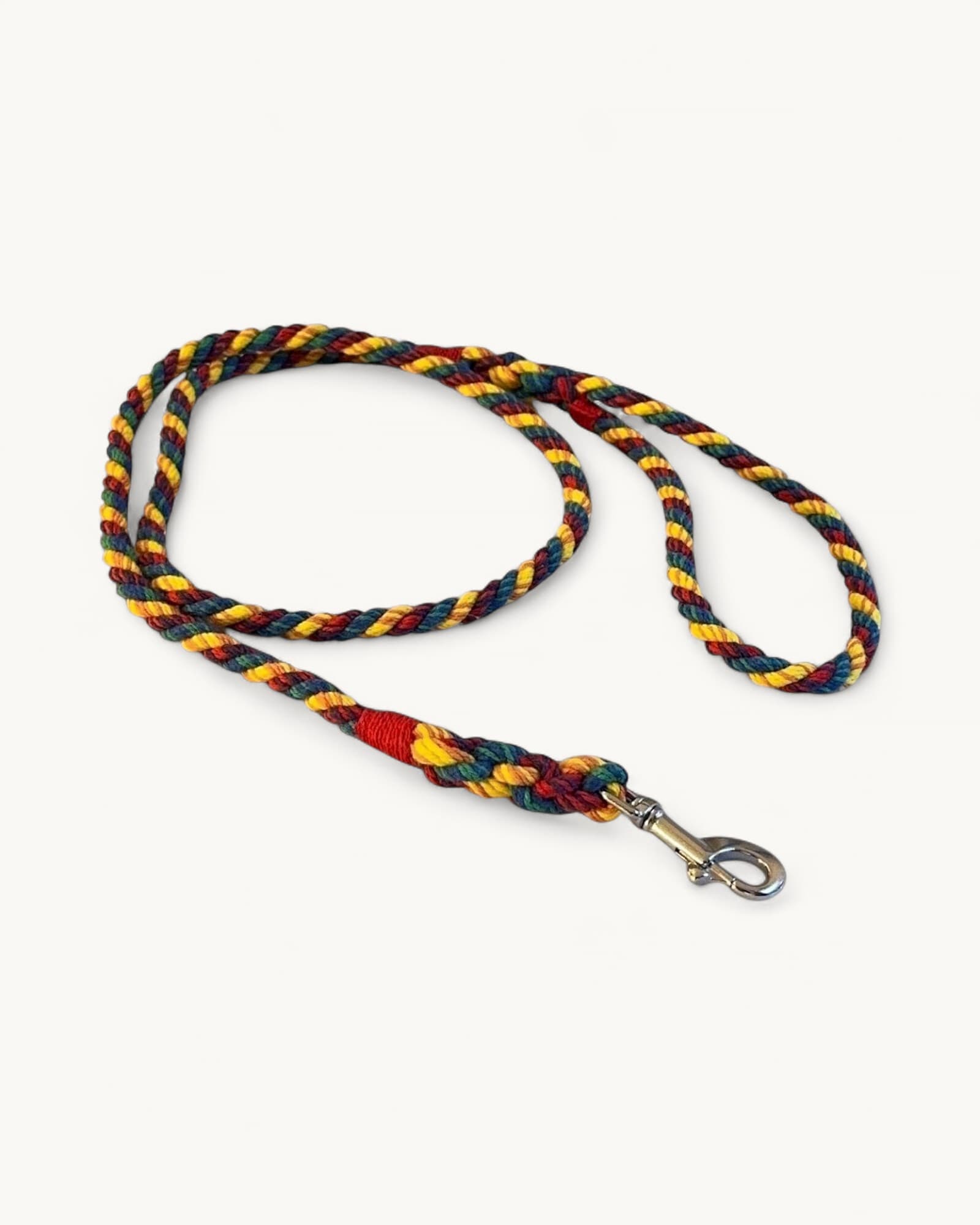
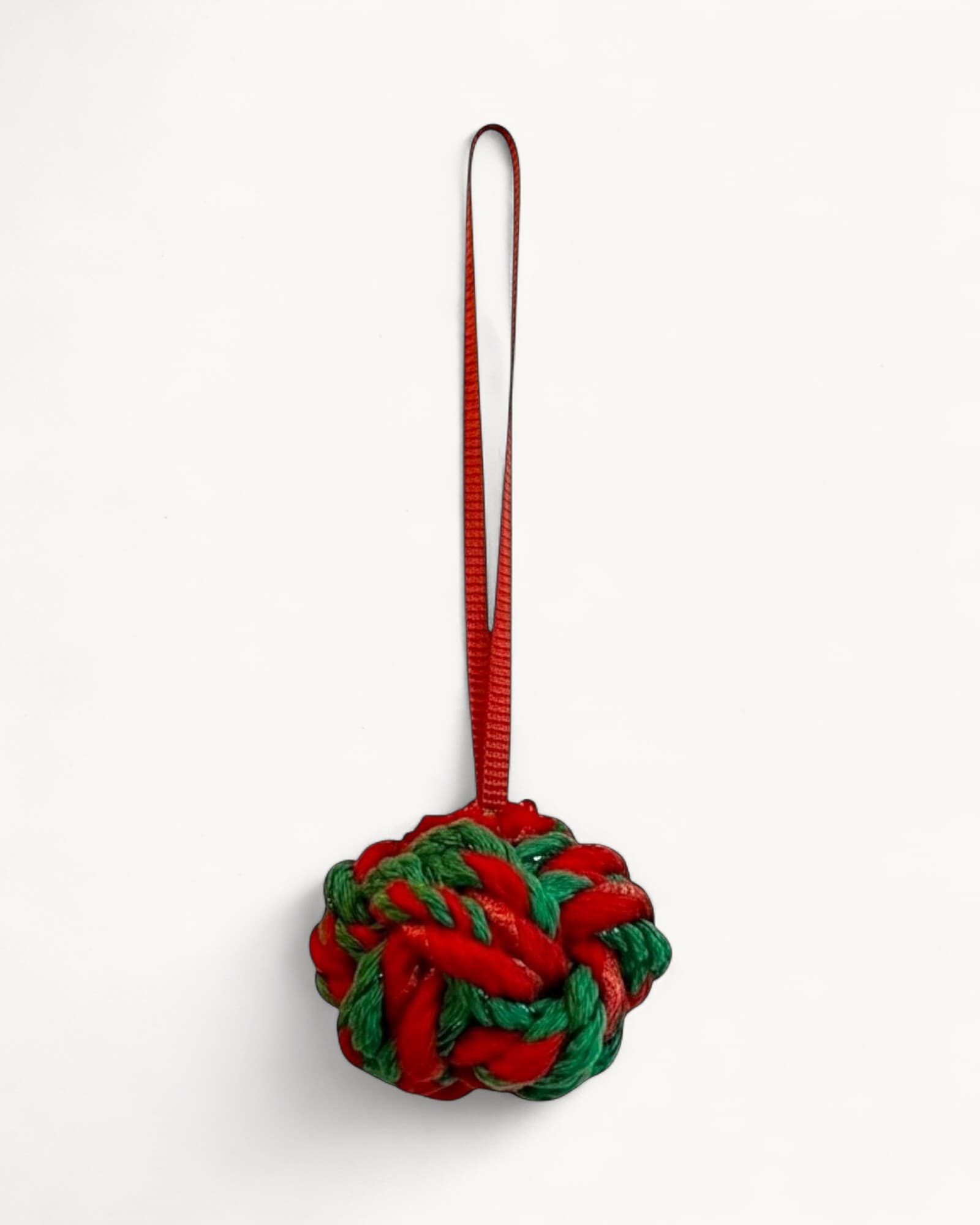
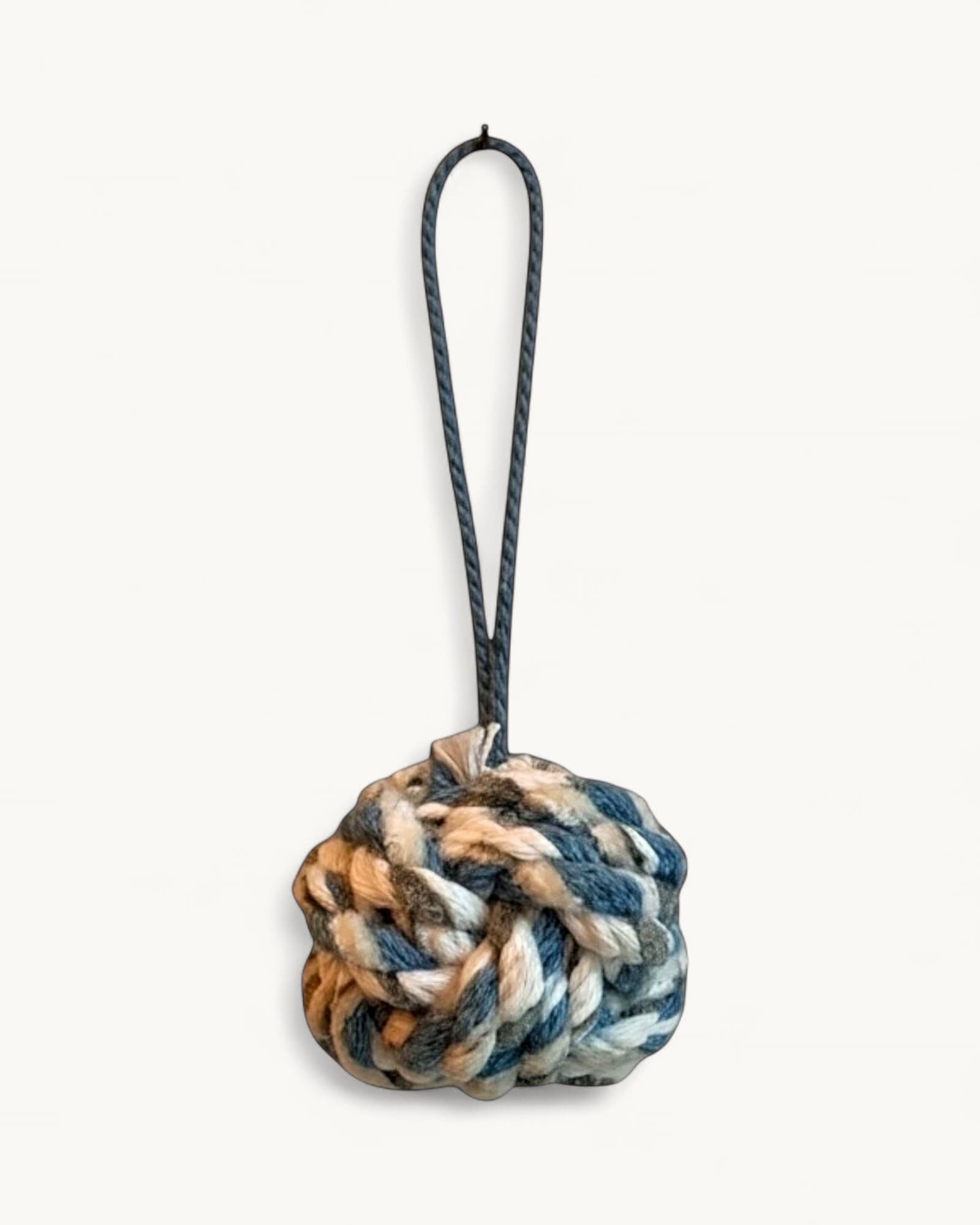
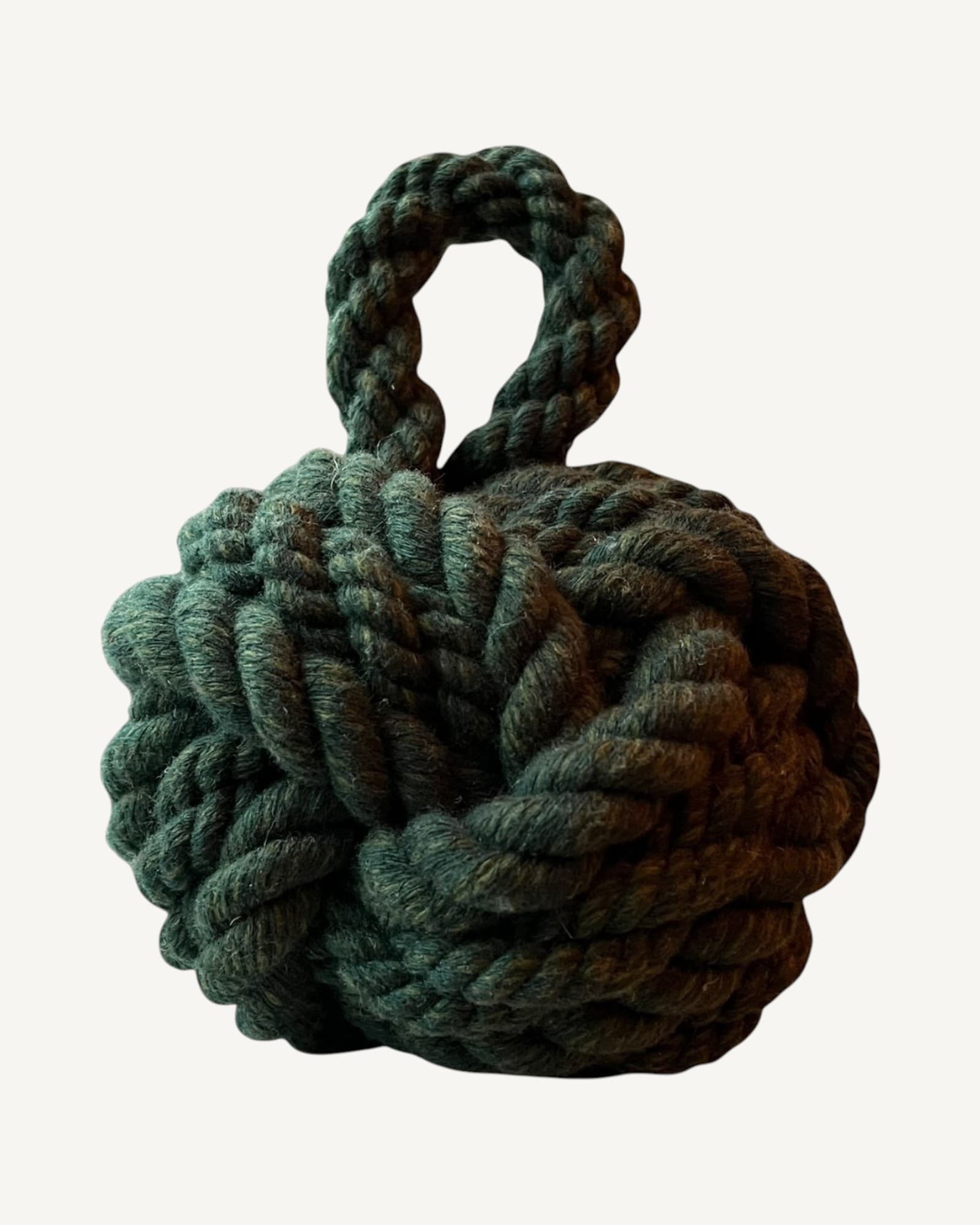
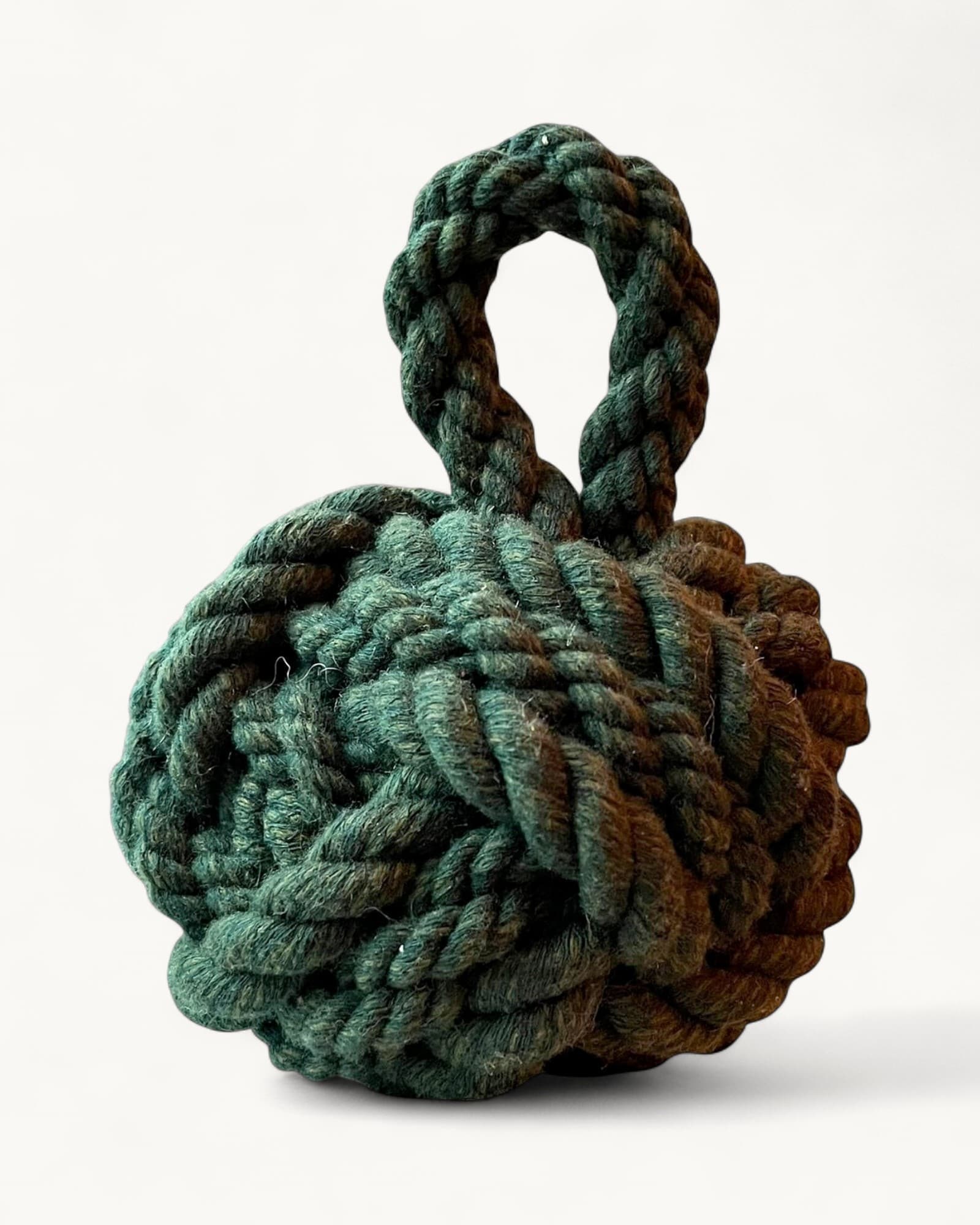
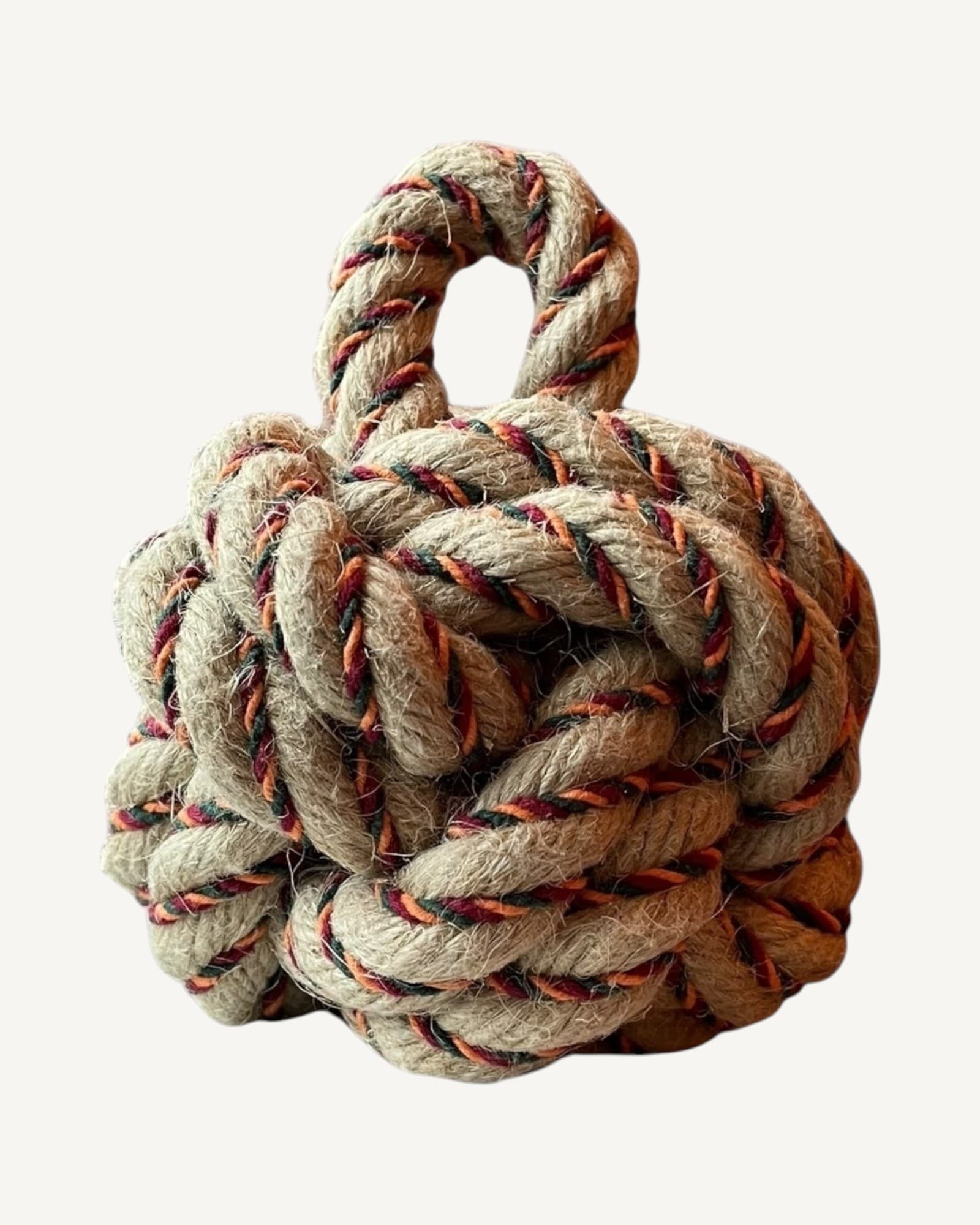
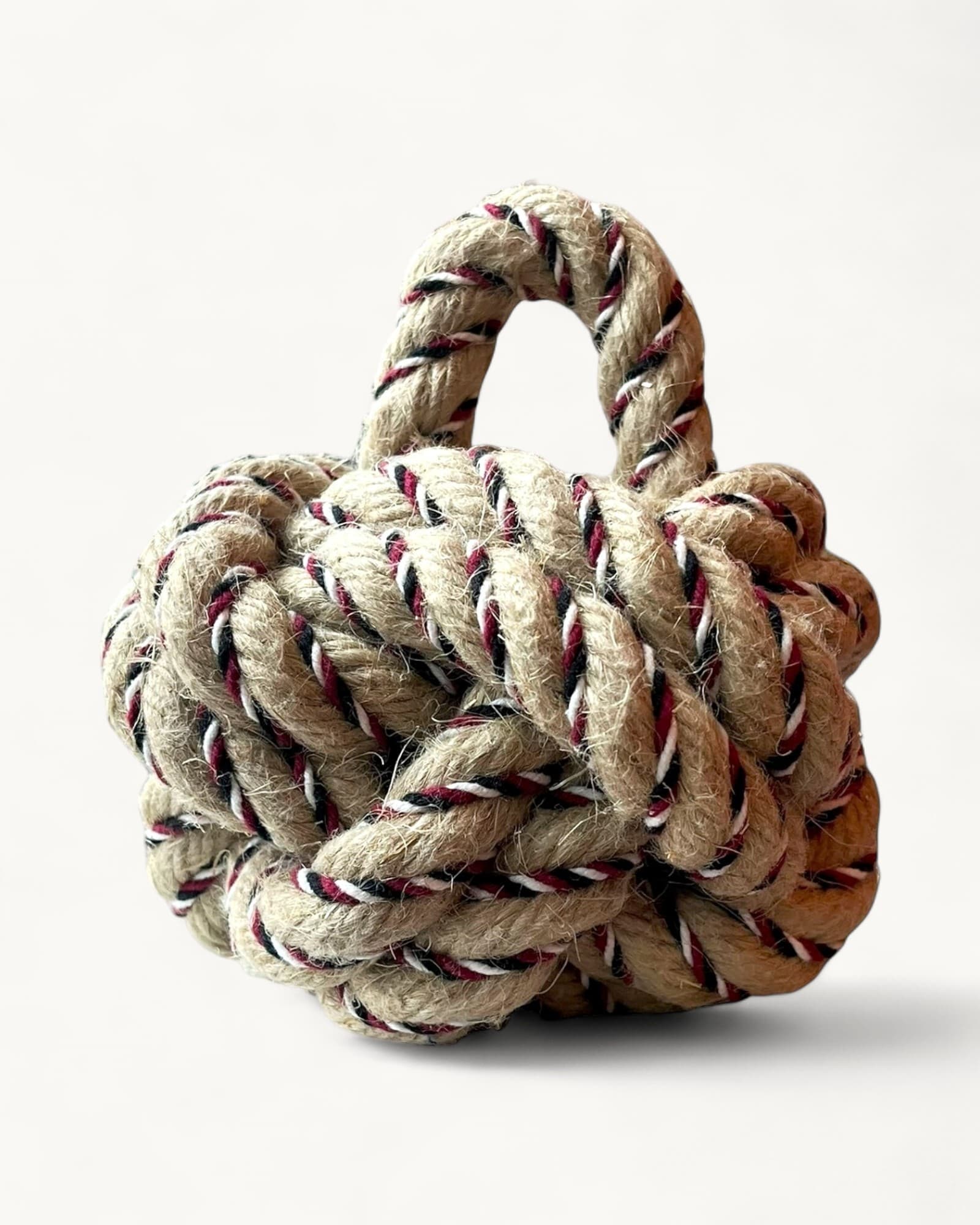
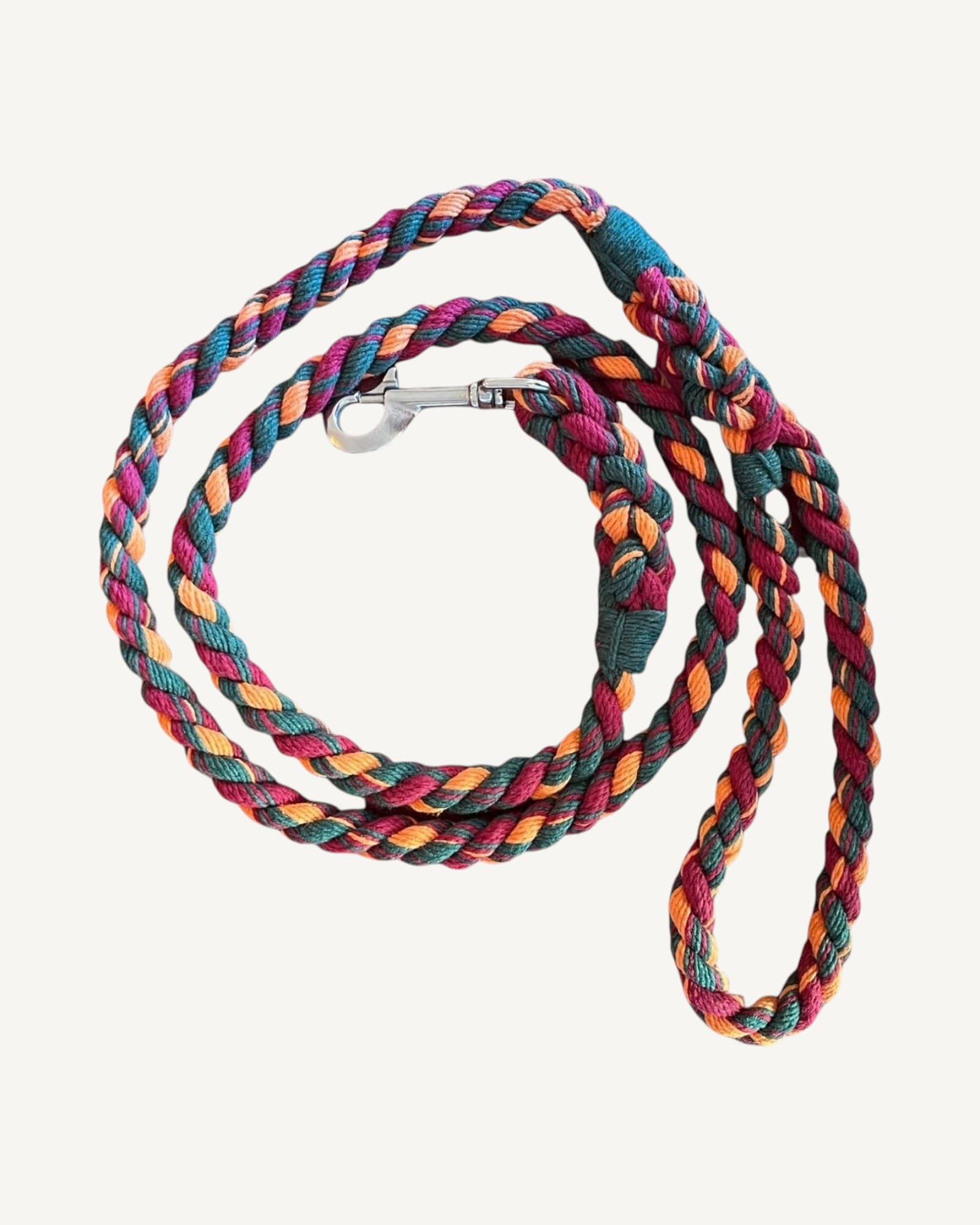
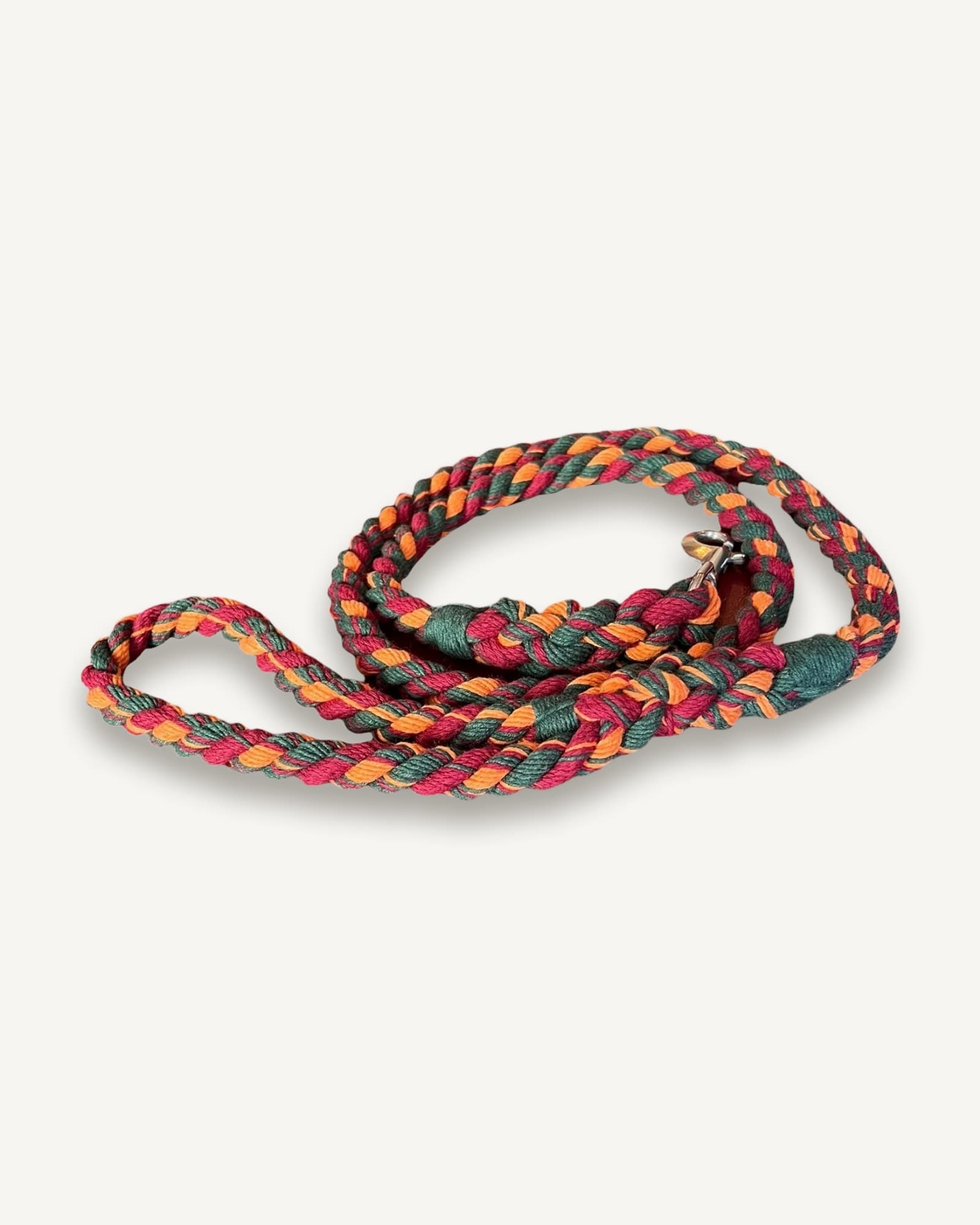
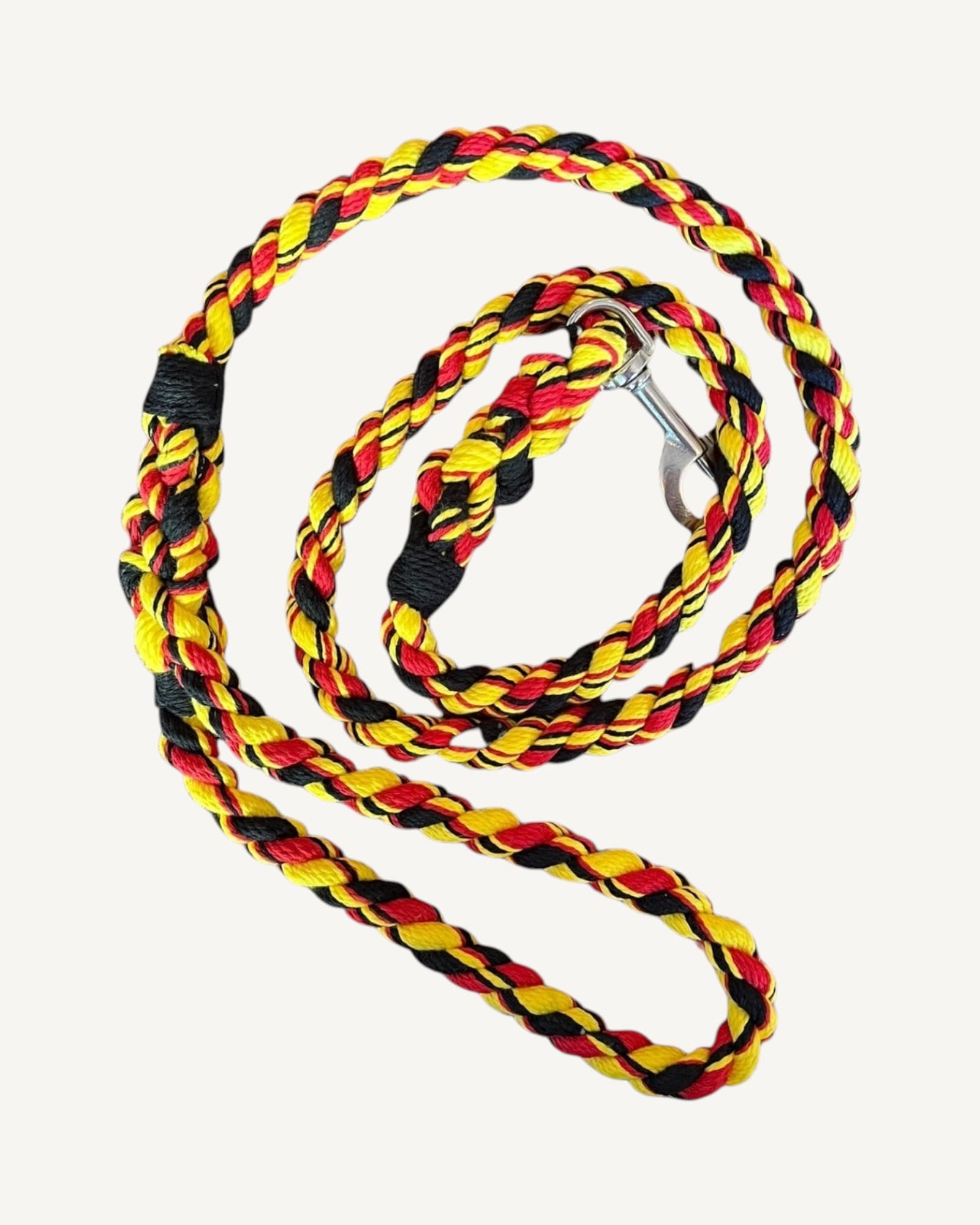
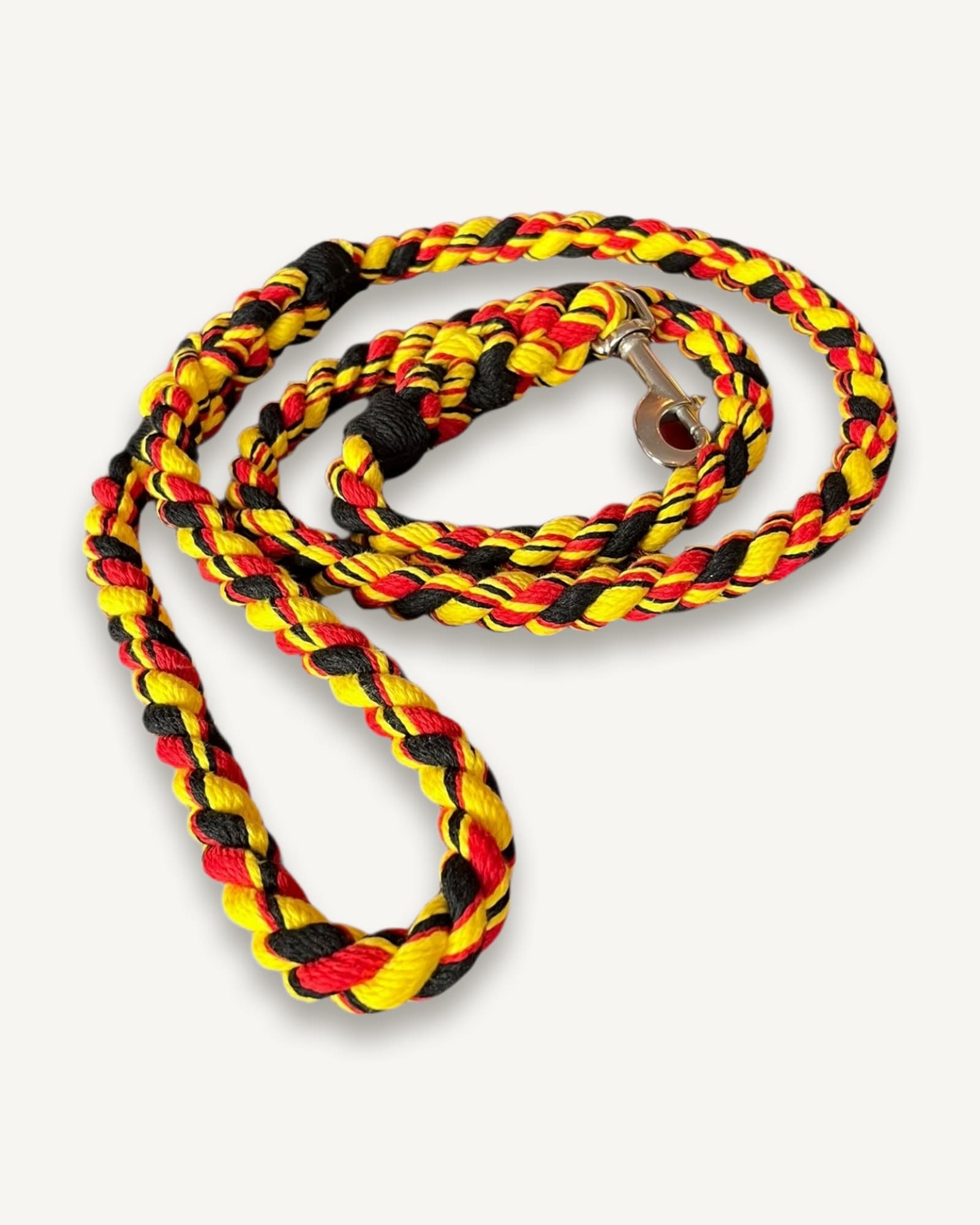
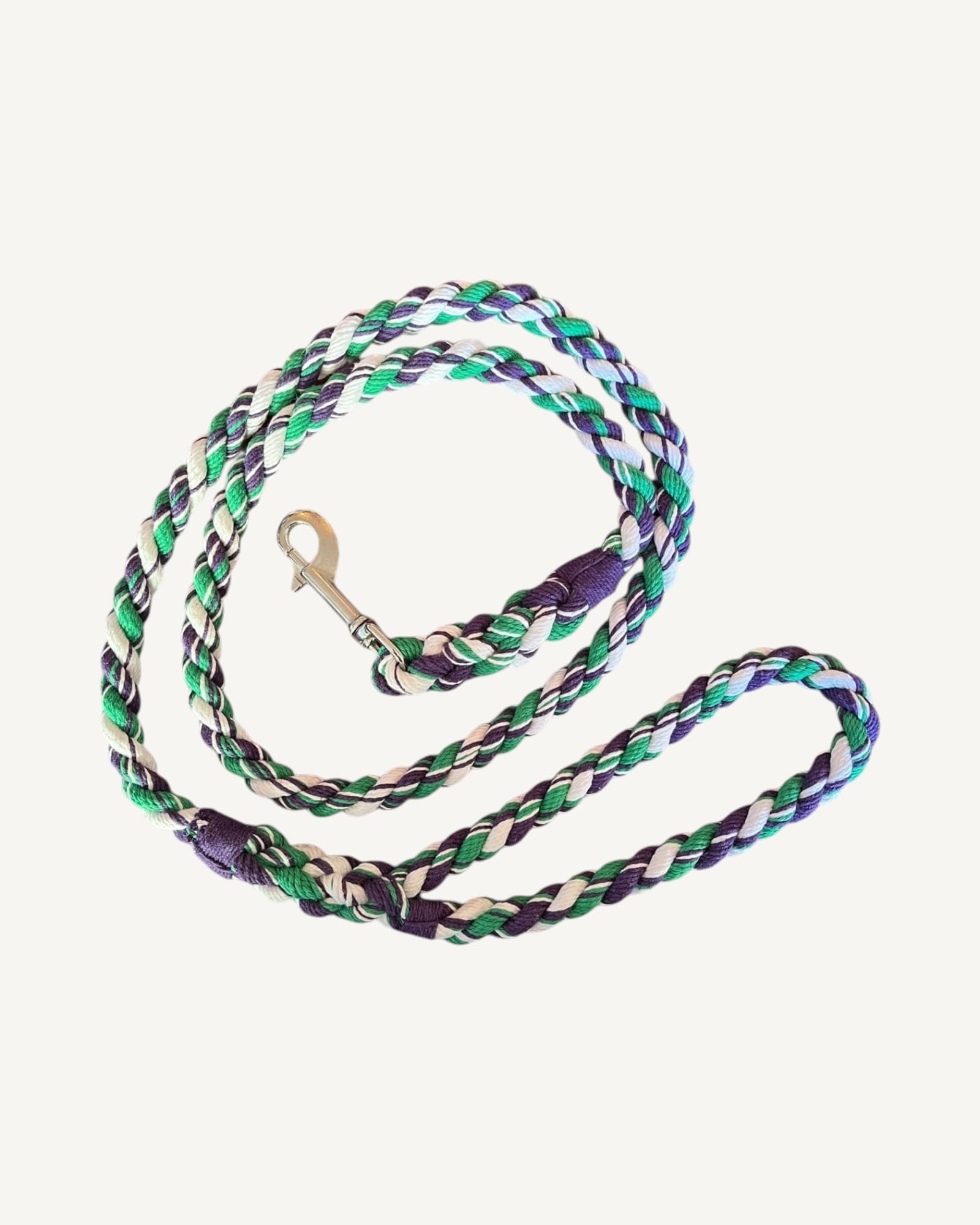
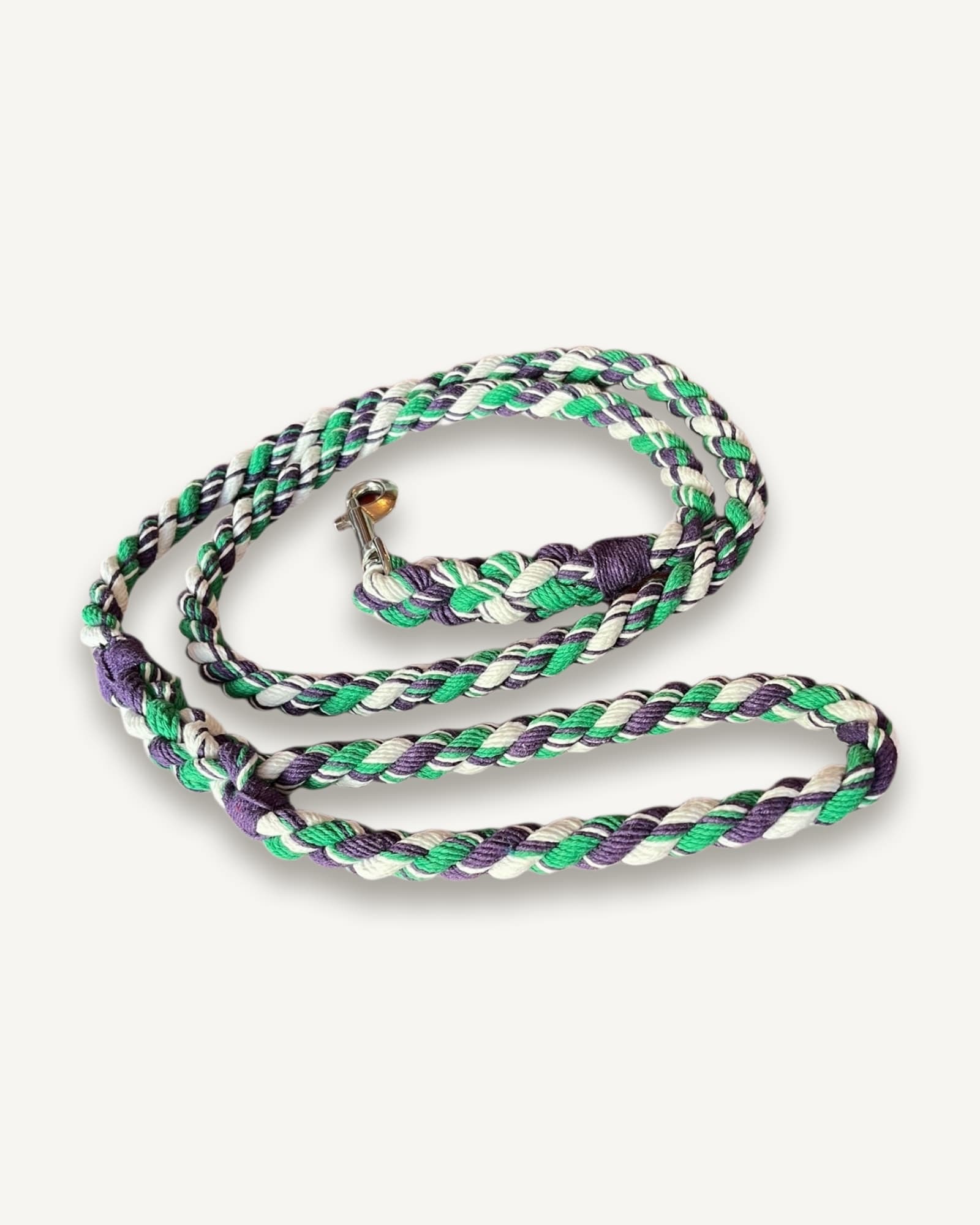
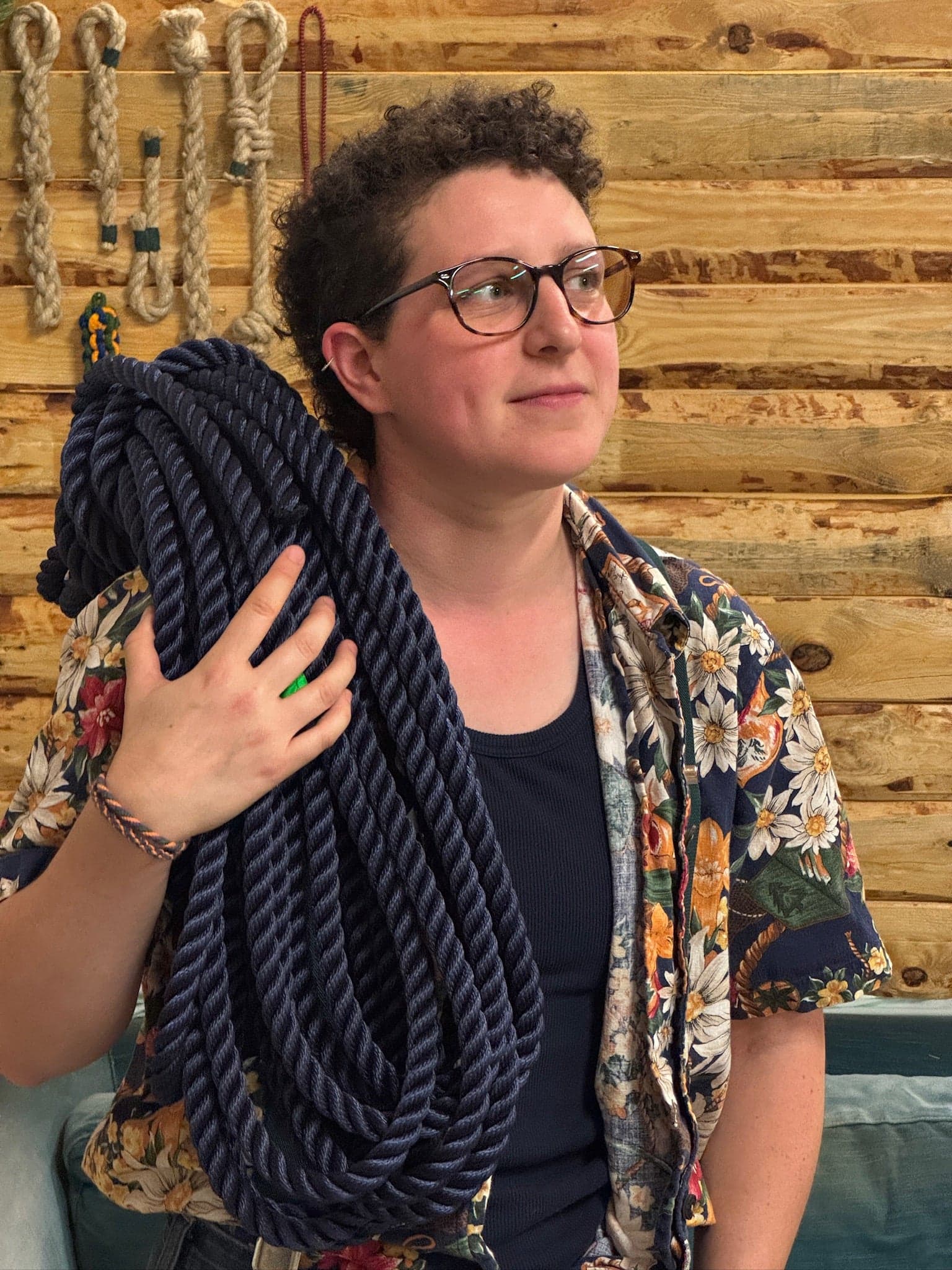
Gem Bowes hand-spins rope in a workshop in Cambridge, one of very few people in Britain still doing it by hand. She works in cotton, flax and dead-stock yarn, and makes dog leads, doorstops and juggling balls. The dead-stock yarn is her favourite to work with.
Learned on Arthur Beale's floor
The rope work came from Arthur Beale, the Shaftesbury Avenue chandlery that had been making rope and ship-fittings since the 1500s. Gem spent nearly seven years there and learned it on the shop floor, among the sailmakers' tools and brass blocks, in a building that had done the same job for four and a bit centuries.
Cambridge is home, born and raised. The leads are her steady seller, but she is happy to take on bespoke work. "I love problem solving how to make someone's design ideas a reality," she told me, "and I might regret saying this but I don't think any idea is too crazy!"
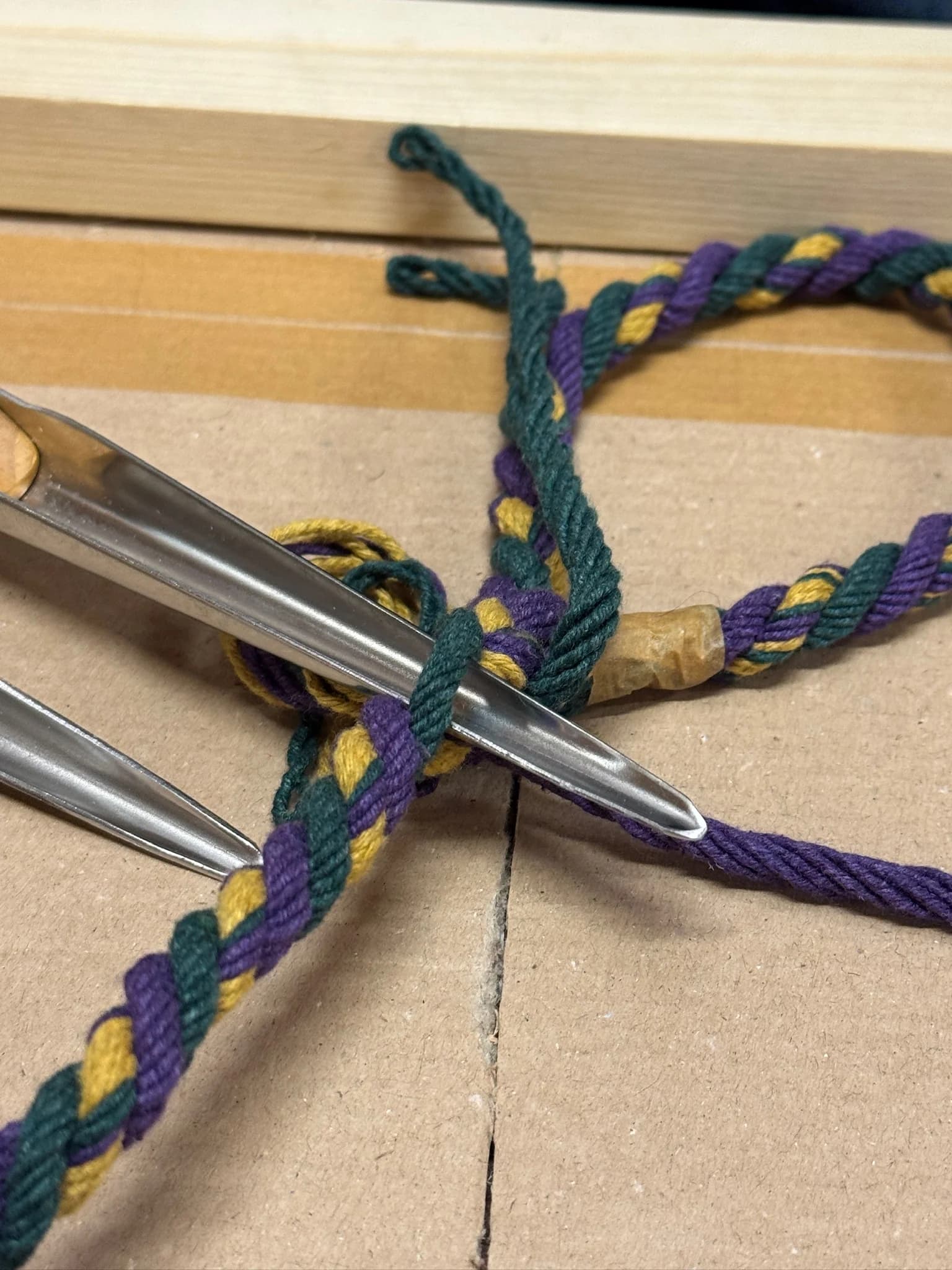
Rope-making is on Heritage Crafts' Red List of Endangered Crafts. Very few people still practise it in Britain, and almost none by hand, in colour, at this scale. The making is slow and physical: each strand measured, looped and twisted at the right tension, so the finished rope has a particular springy give.