

Medieval gifts for anyone who missed the Bayeux Tapestry
The Bayeux Tapestry has come to London for the first time in nine hundred years, and the country has gone slightly mad for it. The British Museum took two and a half million pounds on the first day of ticket sales, the biggest day in its history, and every date to the end of December sold out. If you are one of the many people who did not get a ticket, or you are buying for someone who did and has talked about nothing else since, this guide is for you.
Medieval is everywhere this winter, from Ralph Lauren's autumn catwalk to the castle bedrooms on Pinterest, but most of it is fancy dress. These nine presents are the real thing: crafts that were practised in medieval Britain and are still made by hand here, in much the same way, plus a few that come straight out of the old ballads and folk tales. They run from twelve pounds to three hundred and twenty.
WHAT IS A GOOD MEDIEVAL GIFT?
One made the way it would have been made then, rather than printed to look old. A floor tile with the pattern inlaid in clay, a window held together with lead, a print set letter by letter in metal type: each of these is a technique several hundred years old, and most of them are now on the Heritage Crafts Red List of endangered crafts. If you want the full history, I wrote it up in Medieval and folklore crafts still made in Britain today.
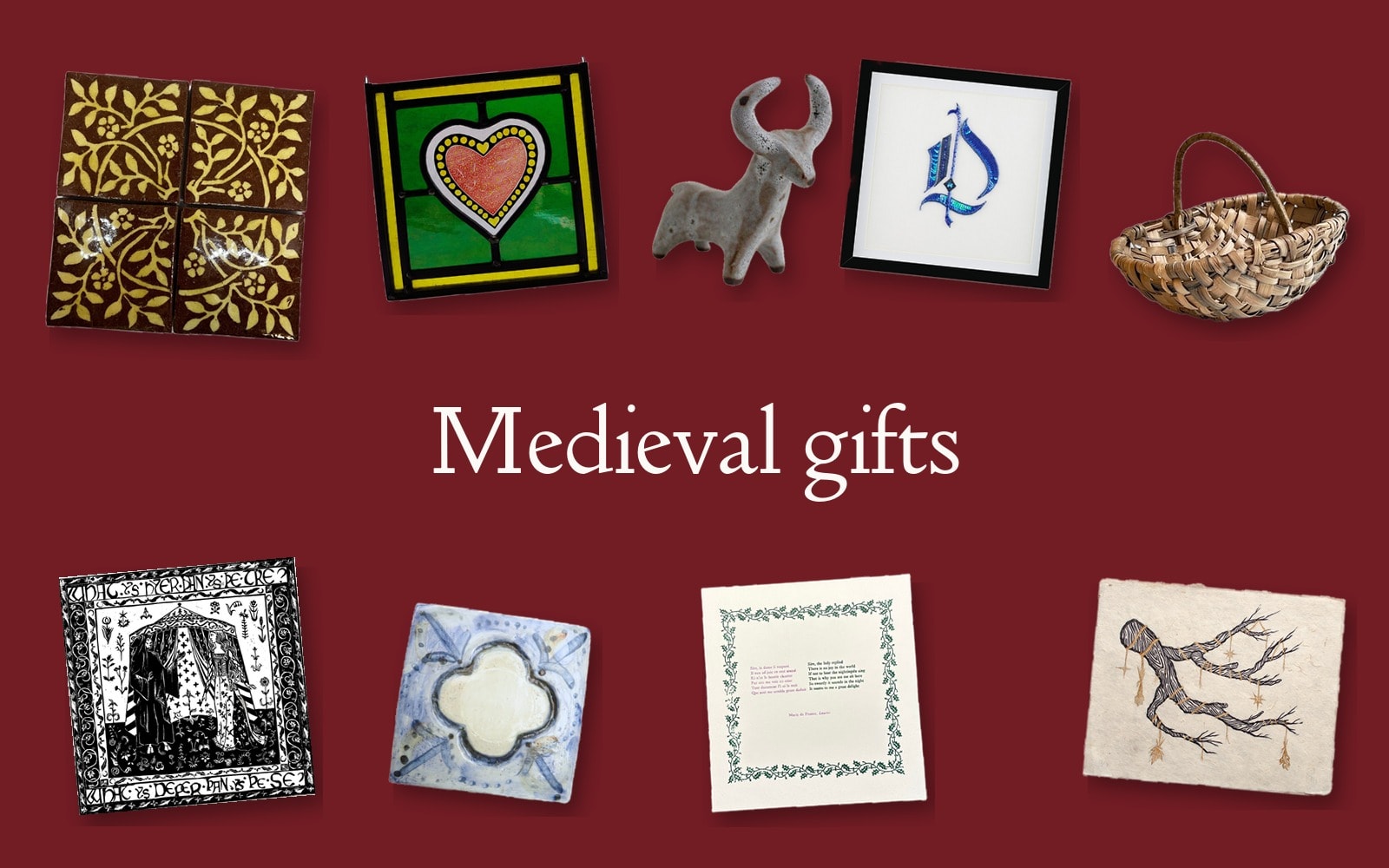
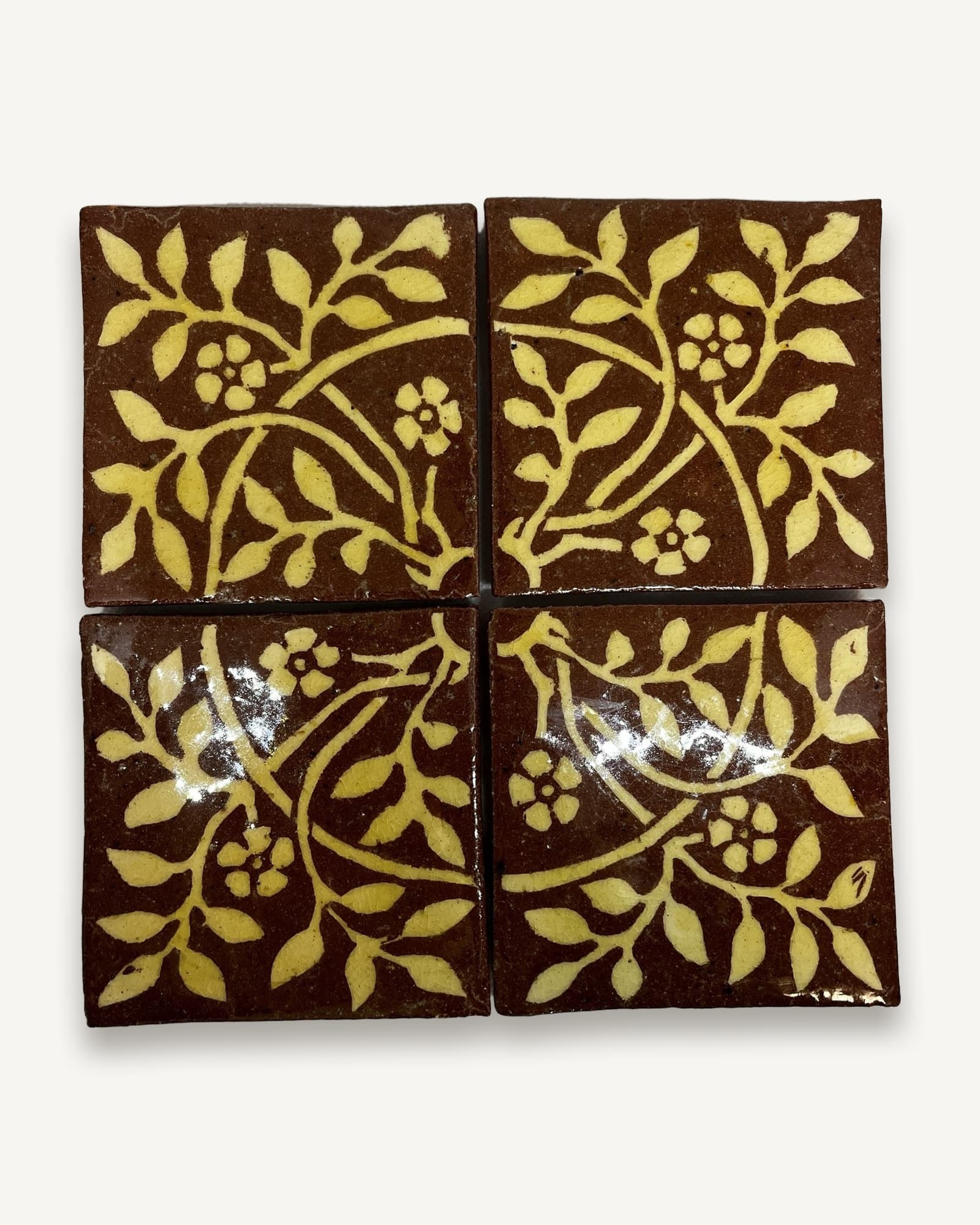
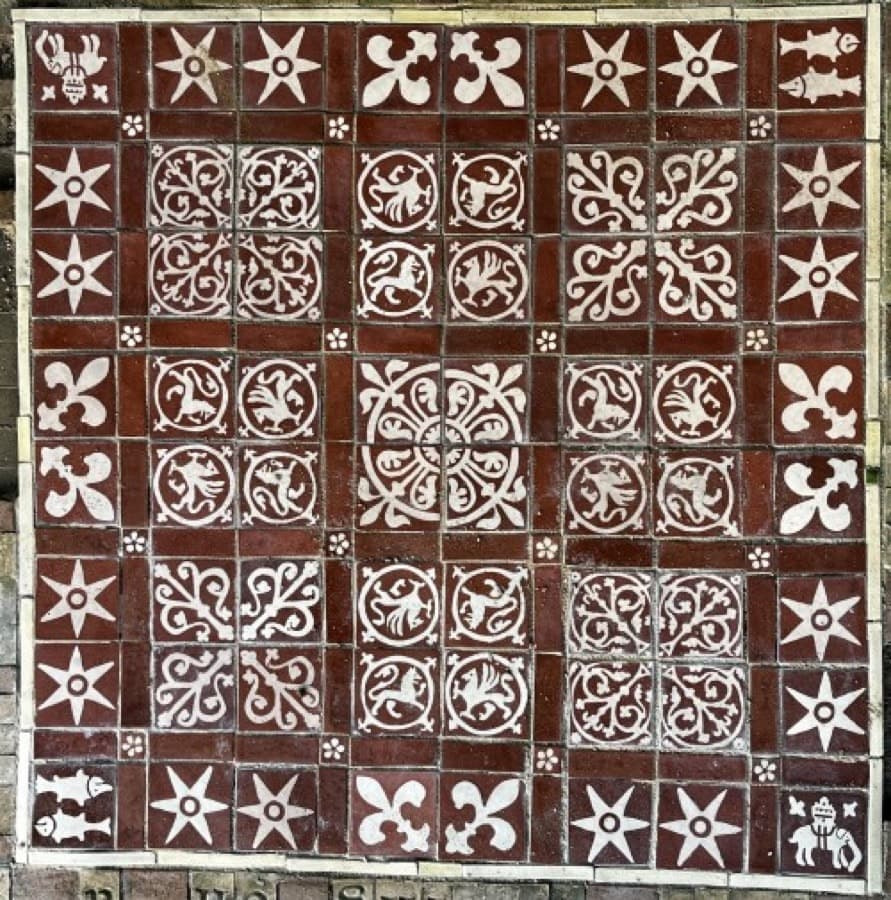
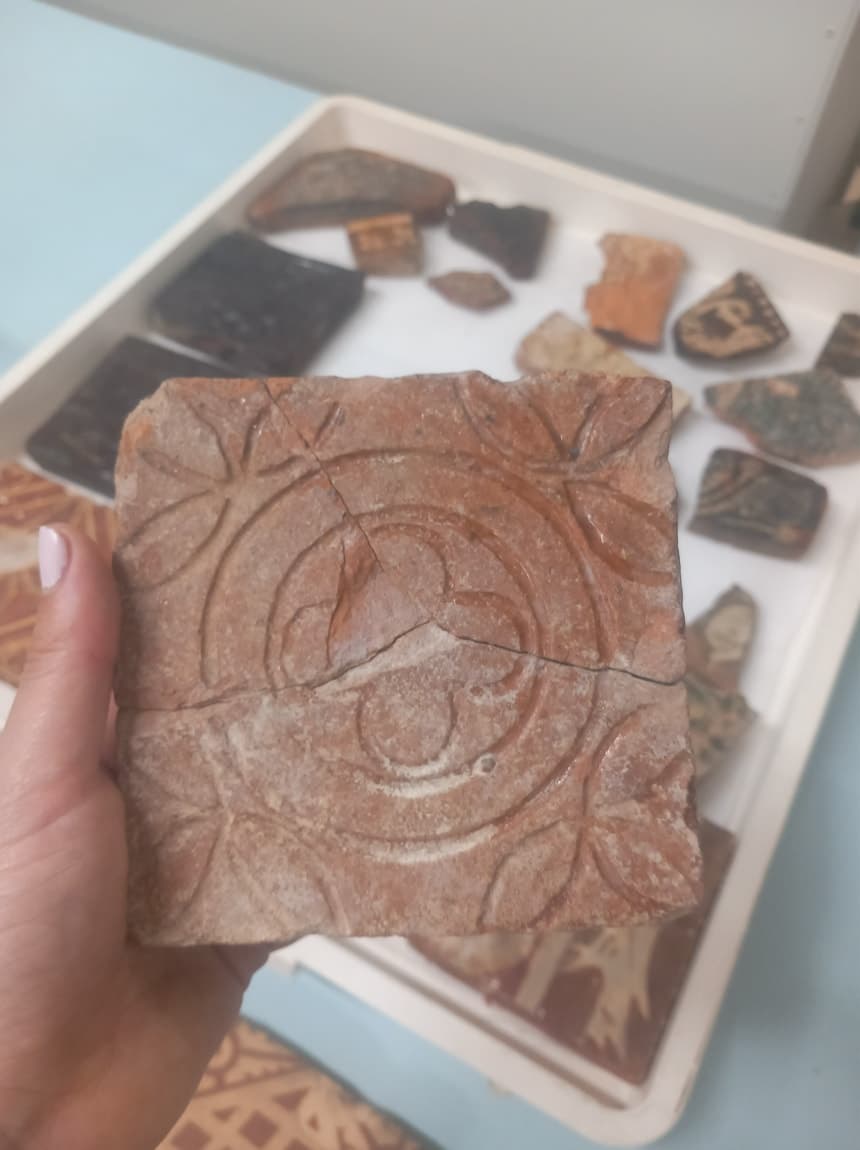
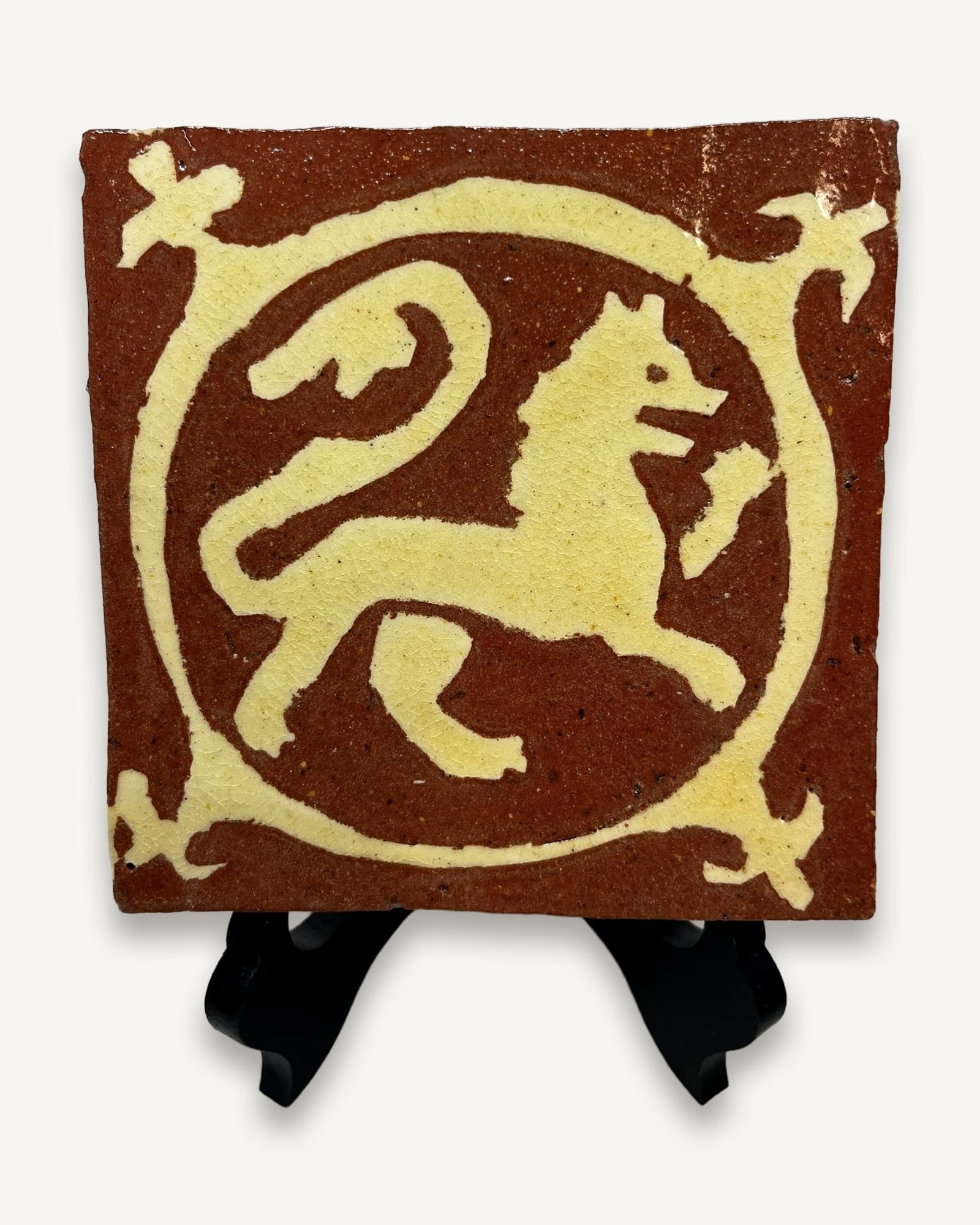
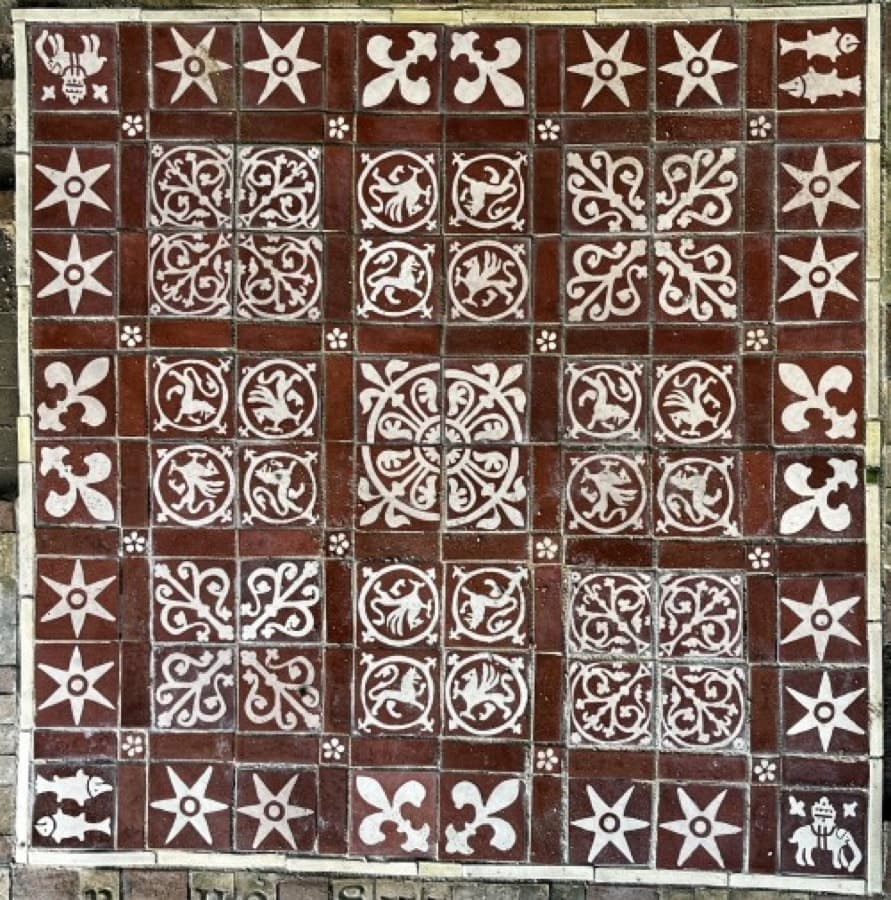
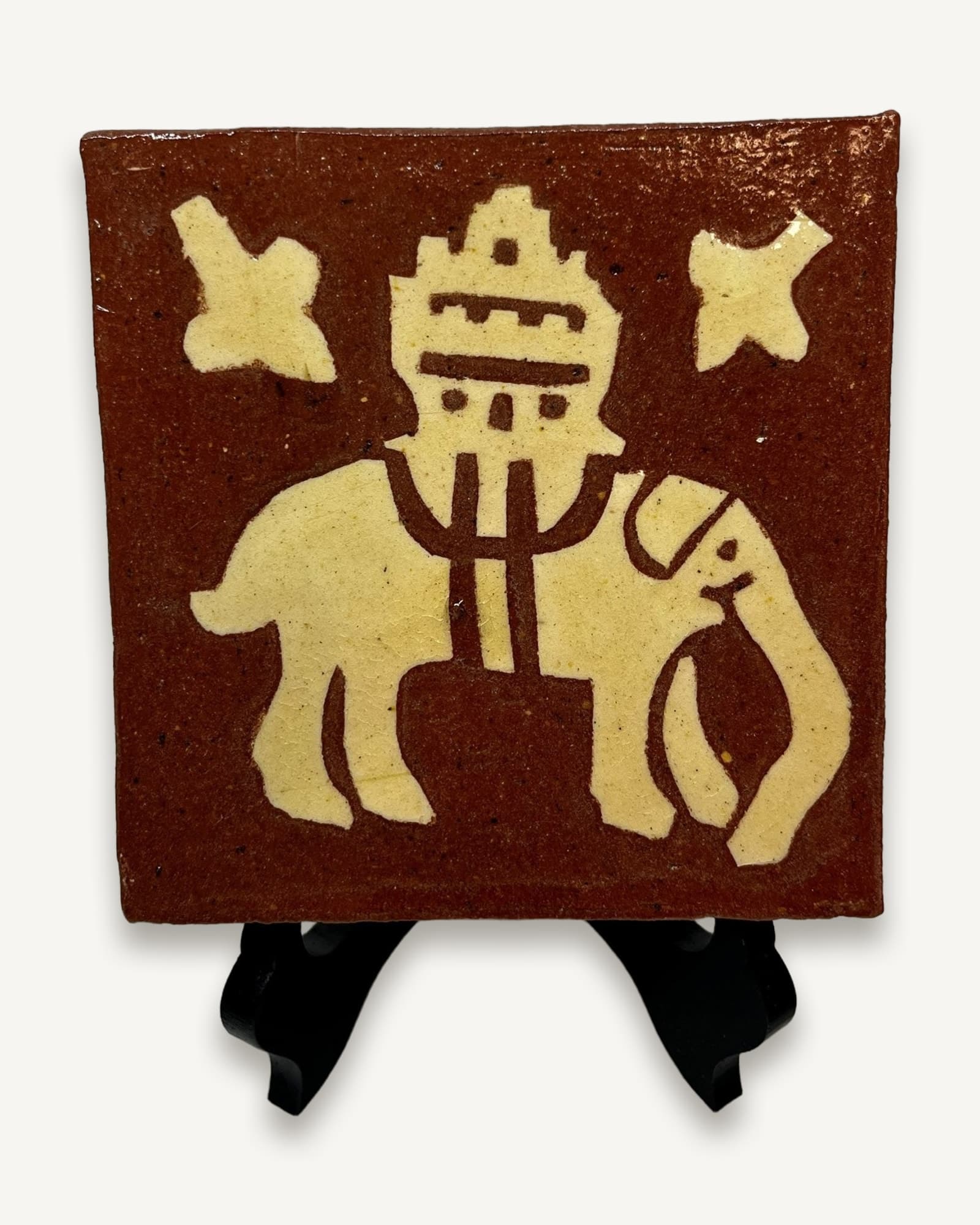
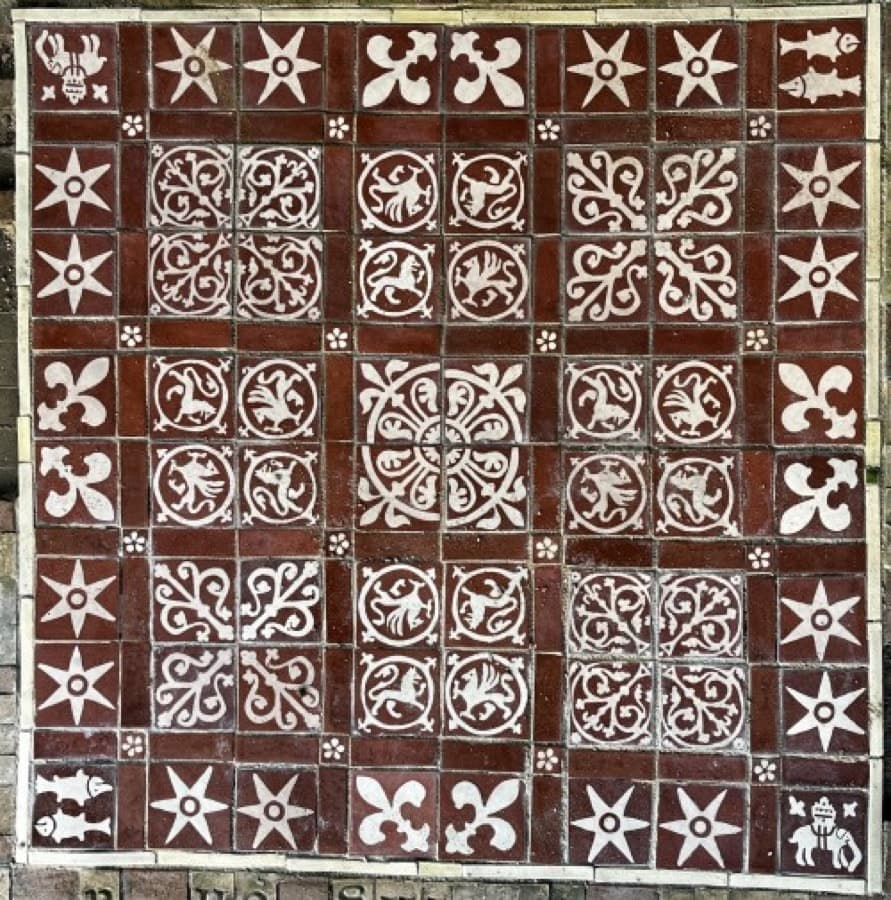
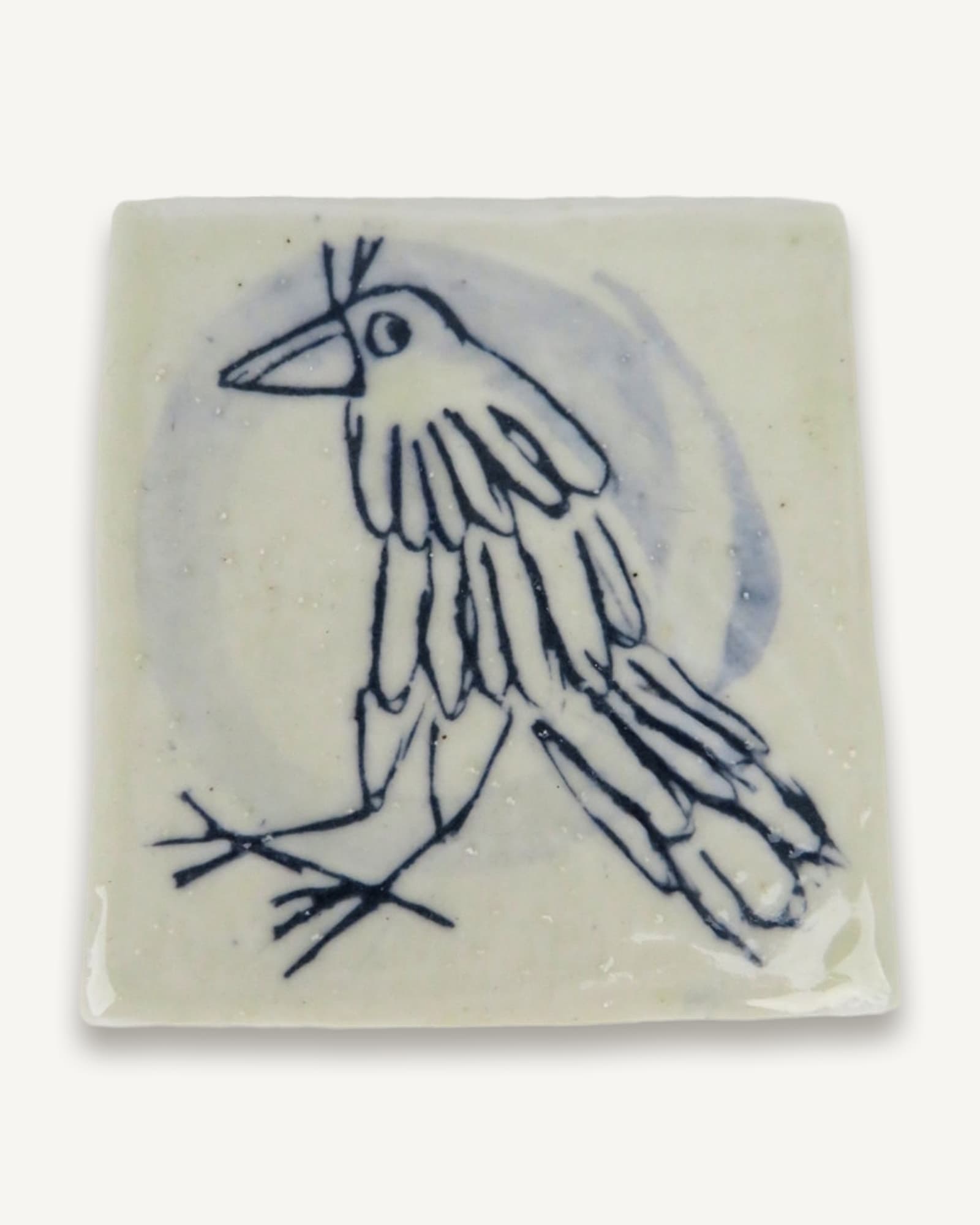
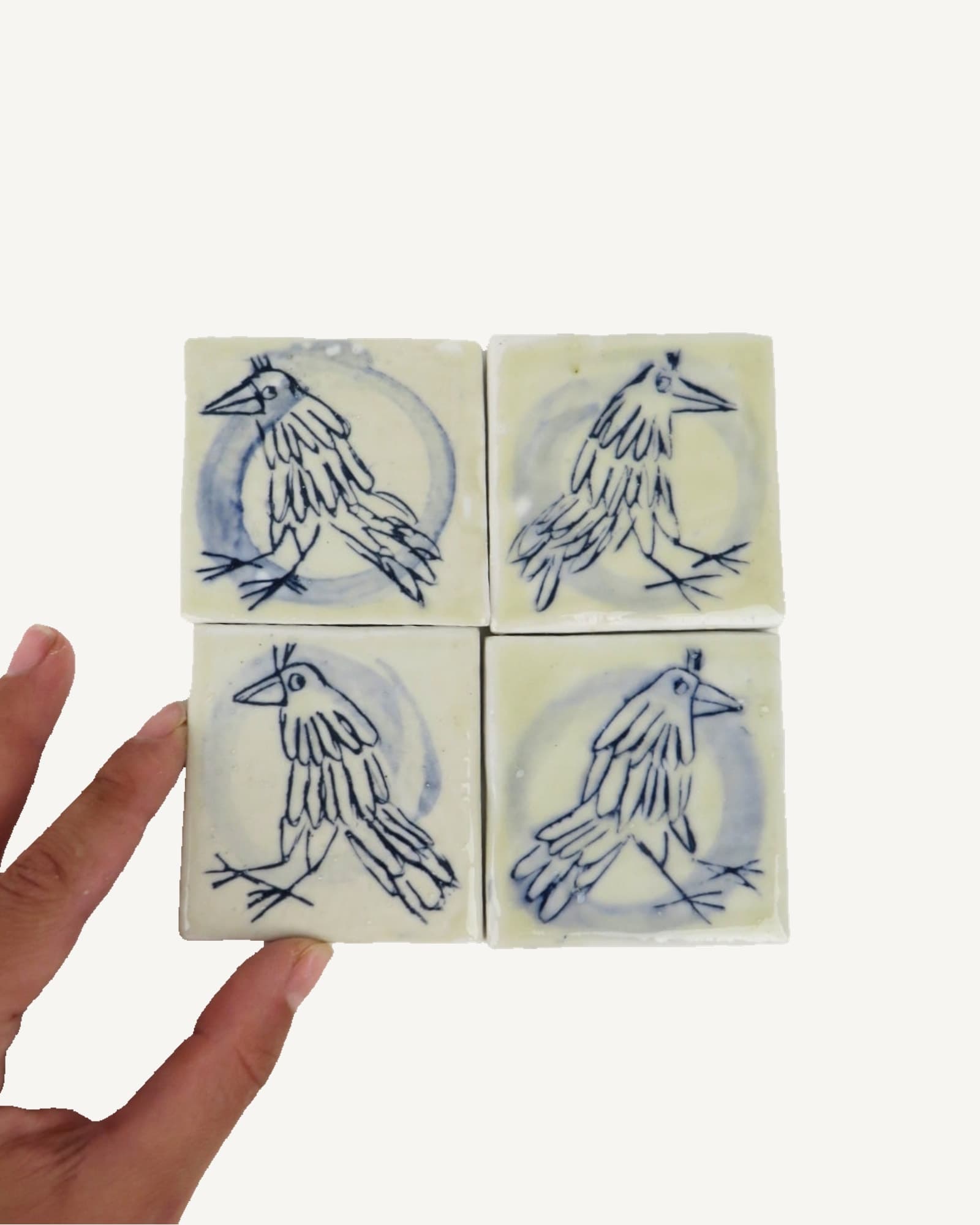
Abbey floors in the thirteenth century were laid with tiles like these, and because the pattern is inlaid into the clay rather than painted on, you can still read them after seven hundred years of feet. Tom Chamberlain makes his in Hampshire from red clay he digs out of his own garden, copying the designs from real medieval tiles. This briar rose comes from one in the Musée de Cluny in Paris and runs across all four when they are laid together. His lion, copied from a tile at Winchester, is twenty-five pounds on its own.
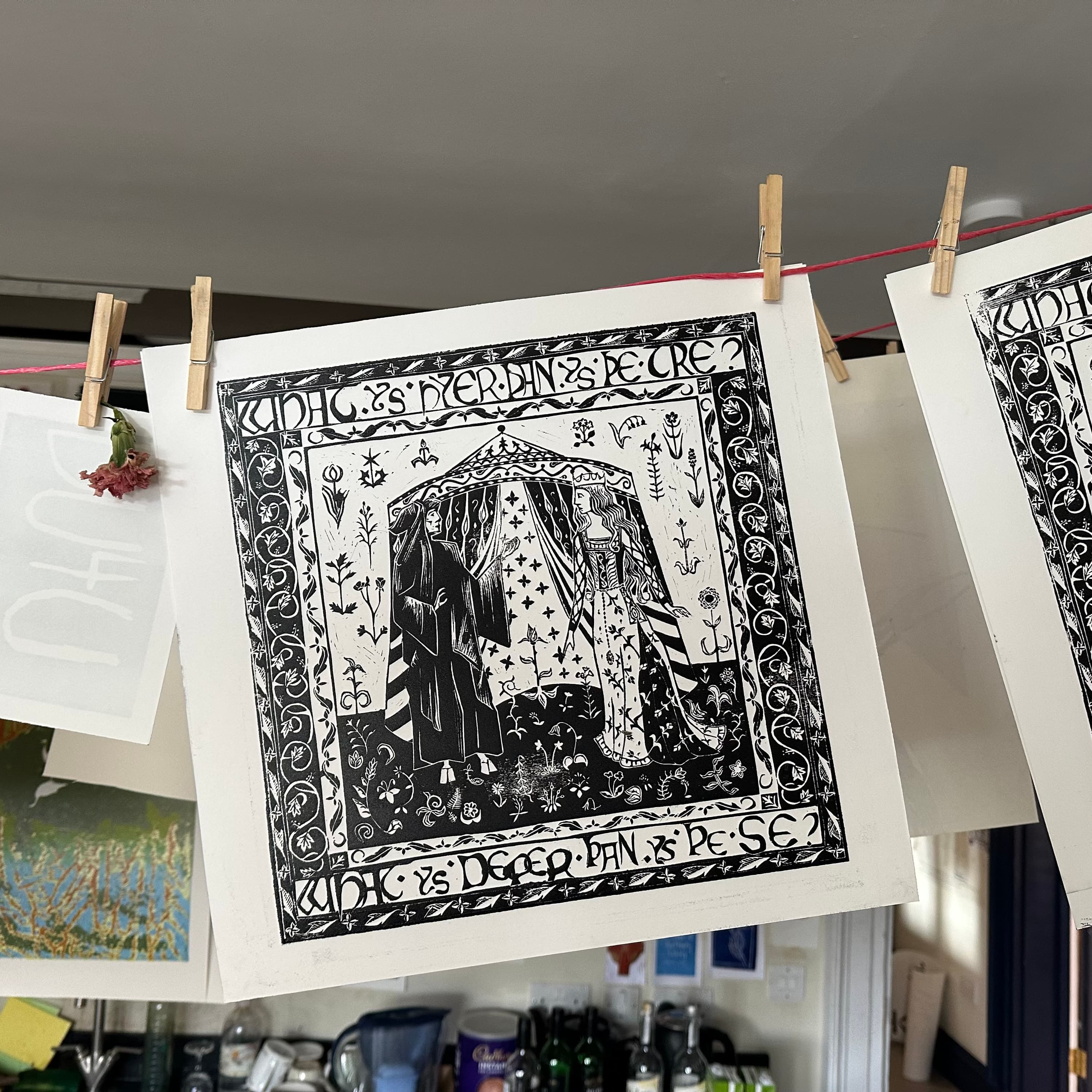
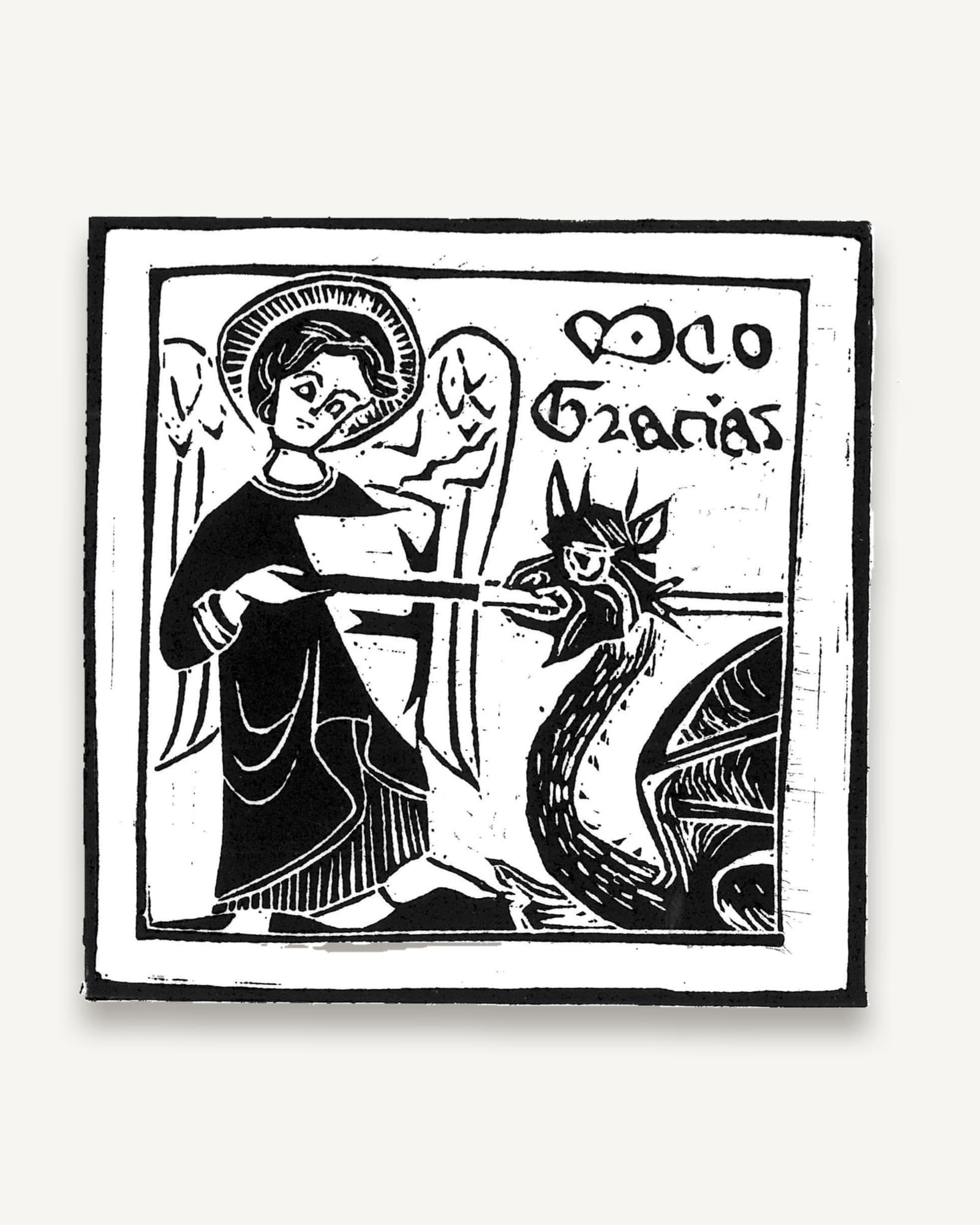
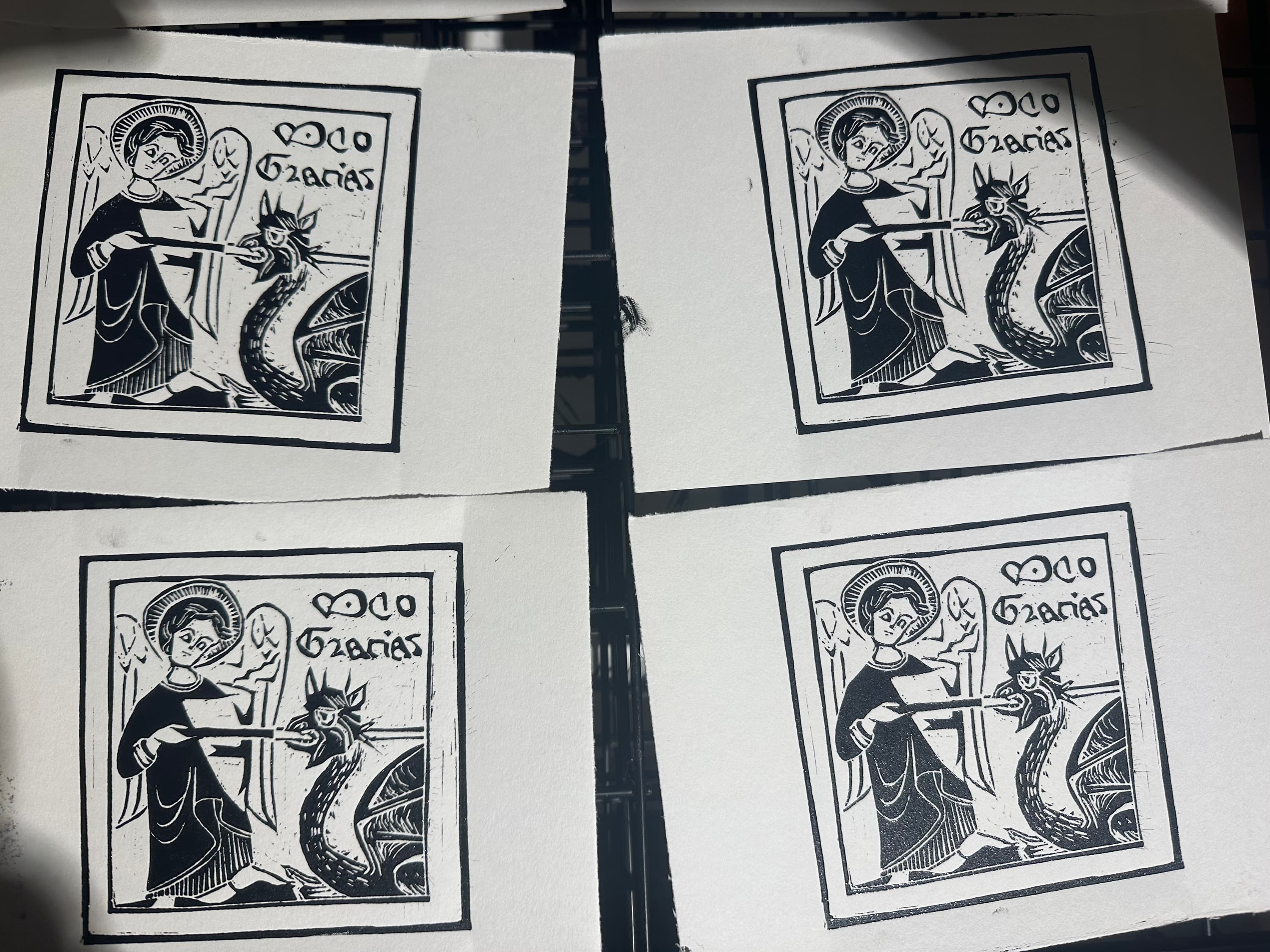
In the ballad Riddles Wisely Expounded, the devil turns up and tells a young woman he will carry her off unless she can answer his riddles, and she does, every one; the ballad was first written down around 1450. Natalie Tiede has cut the scene as a block print, with the devil in his cloak in front of a medieval millefleurs background, and two of the riddles running round the border in the old spelling: "What ys hyer than ys the tre?" and "What ys deper than ys the se?" The answers are heaven and hell.
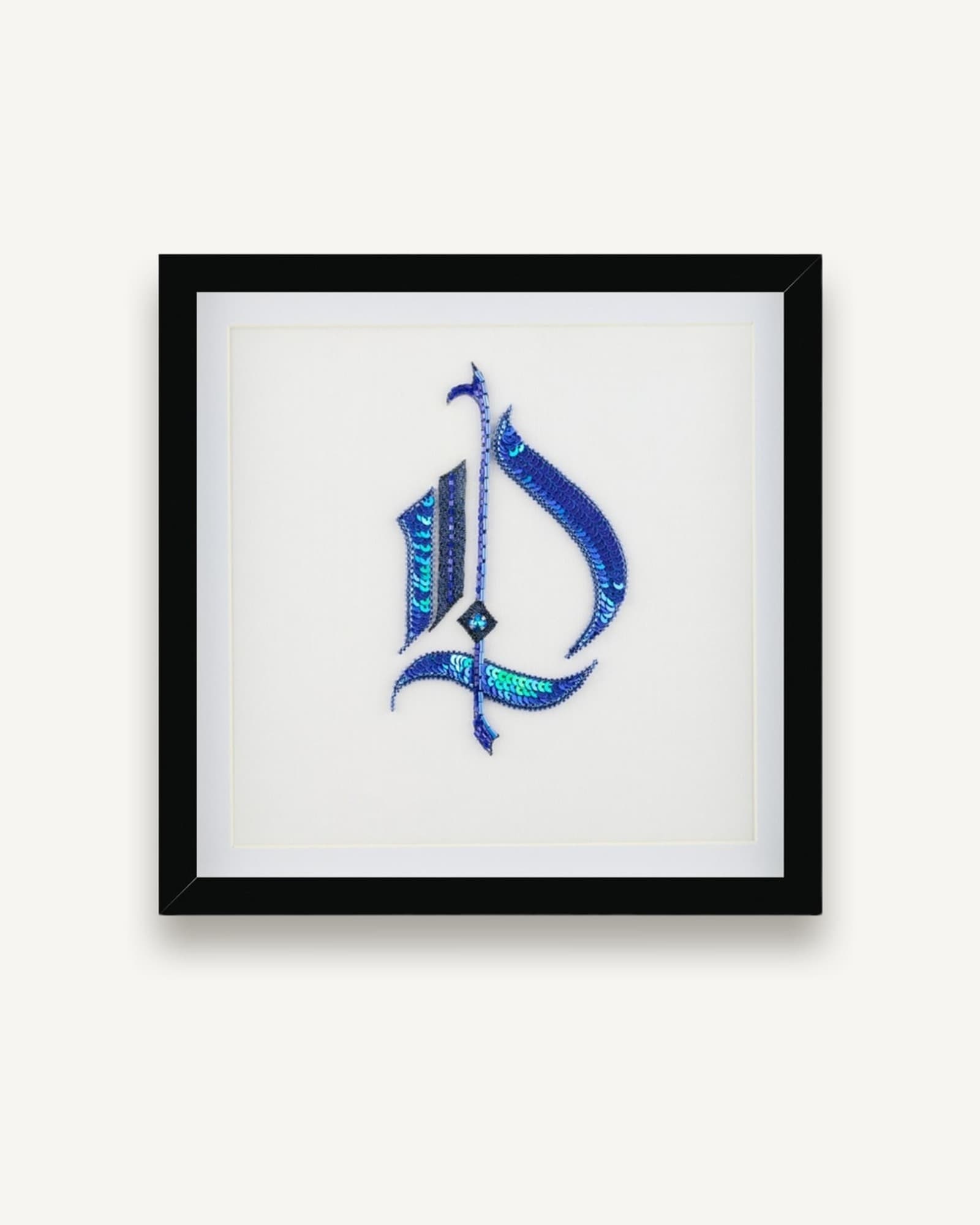
The Bayeux Tapestry is not actually a tapestry at all: it is an embroidery, stitched in wool onto linen. Ksenia Semirova embroiders by hand too, using the Lunéville hook, and this is a single gothic initial of the kind that opens a page in an illuminated manuscript, worked in shimmering blues and framed behind glass. You choose the letter, which makes it the most personal present here, and if the one you need is not listed she will make it to order.
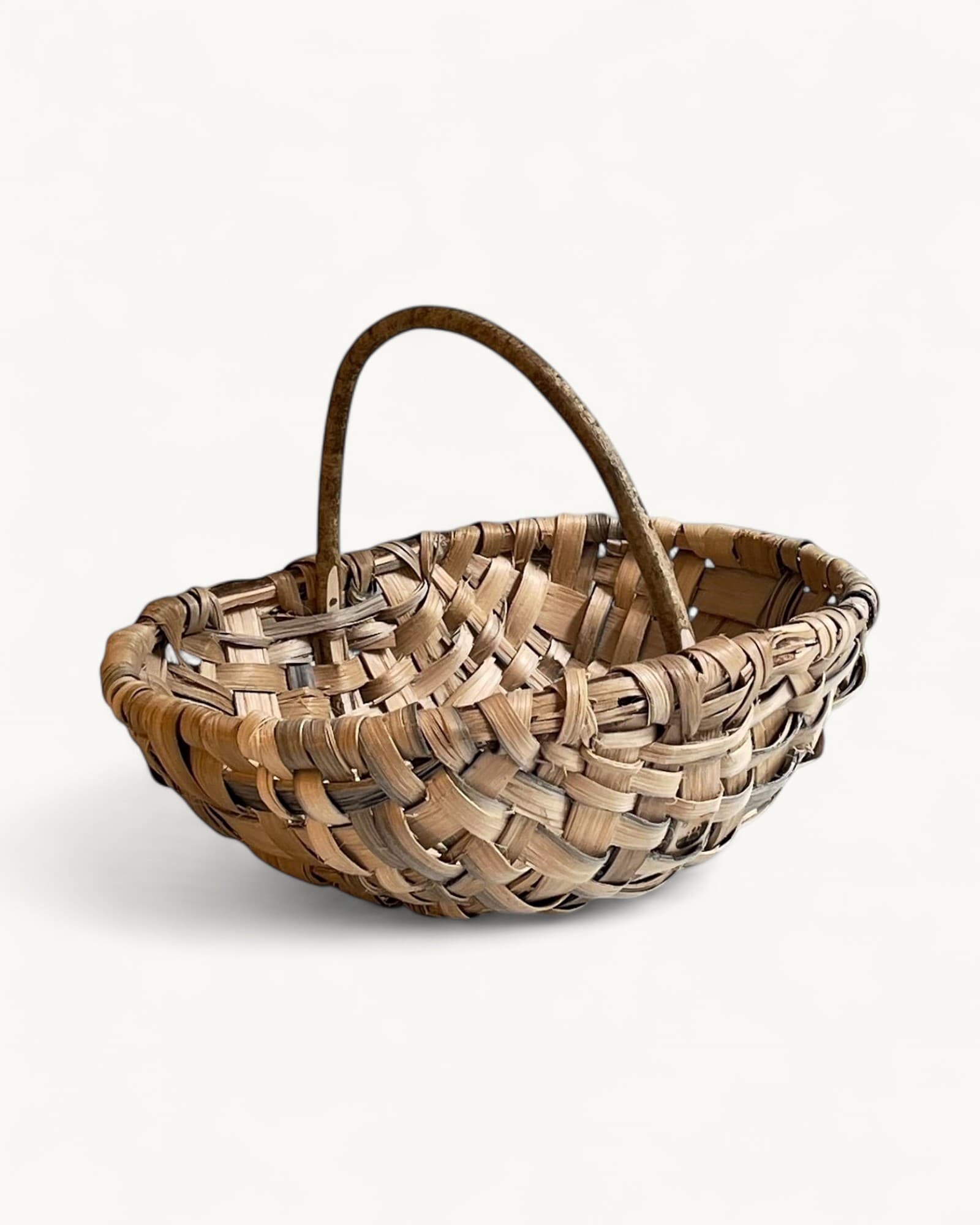
Swills were the workhorse basket of the north, used for potatoes, coal and market produce, and they were said to be so strong that apprentices tested a finished one by standing in it. Simon Cooper makes his in Perthshire from coppiced oak, split, boiled and woven while it is still wet, around a hazel handle, and in Scotland the same baskets are called tattie baskets. This is the smaller size, for onions on the kitchen counter or gloves and keys in the hall, and it will outlast the person you give it to.
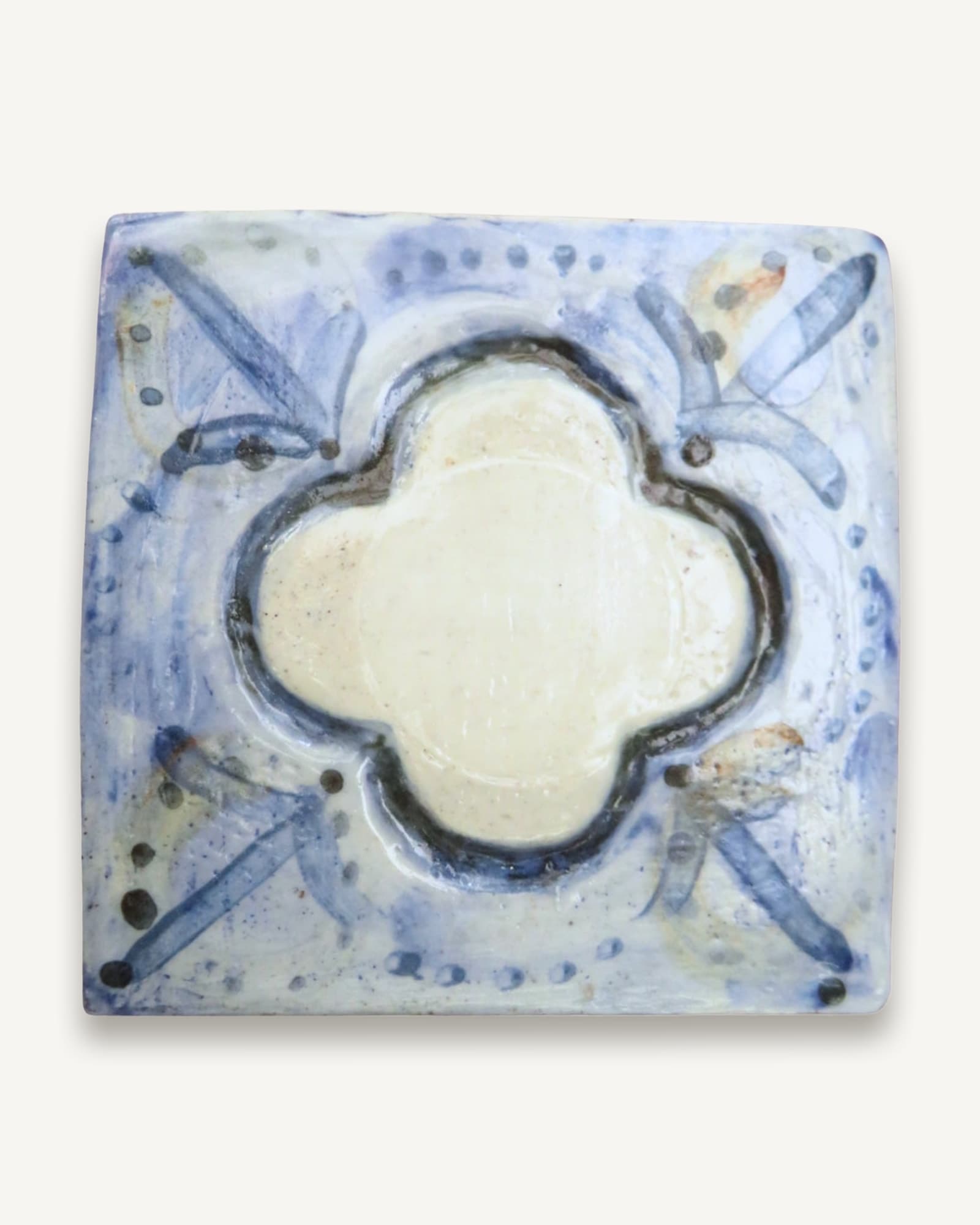
The quatrefoil, a four-lobed shape like a clover leaf, is all over Gothic churches, in window tracery, carved stone and floor tiles. Bethan Hughes Jones makes this one in Cardiff by pressing a stamp she carved herself into porcelain and filling the hollow with coloured slip, the same inlay technique as the medieval tilers but in blue and white. Encaustic tile making is Critically Endangered, with between one and five people in Britain earning their living from it, and this tile costs twenty-five pounds.
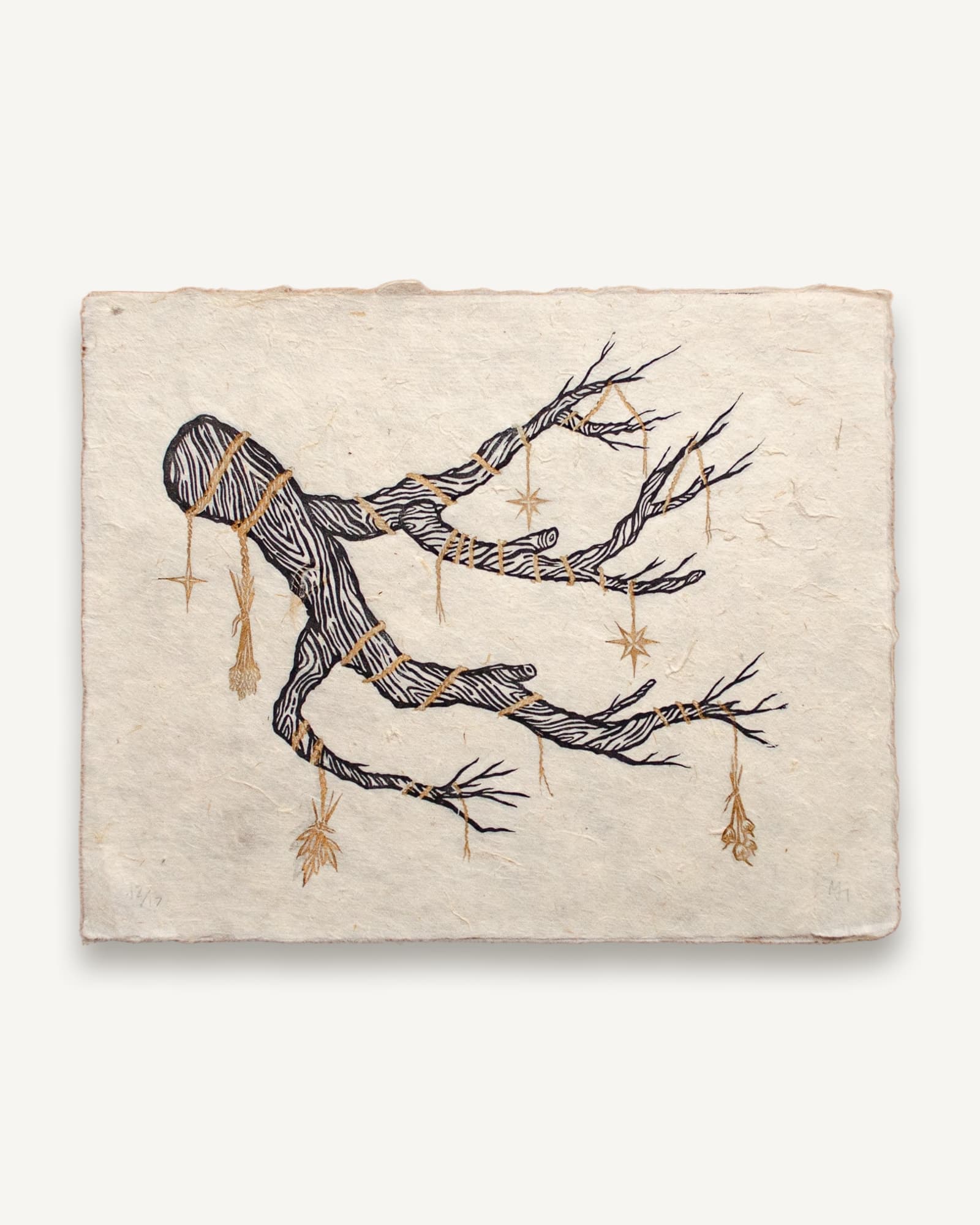
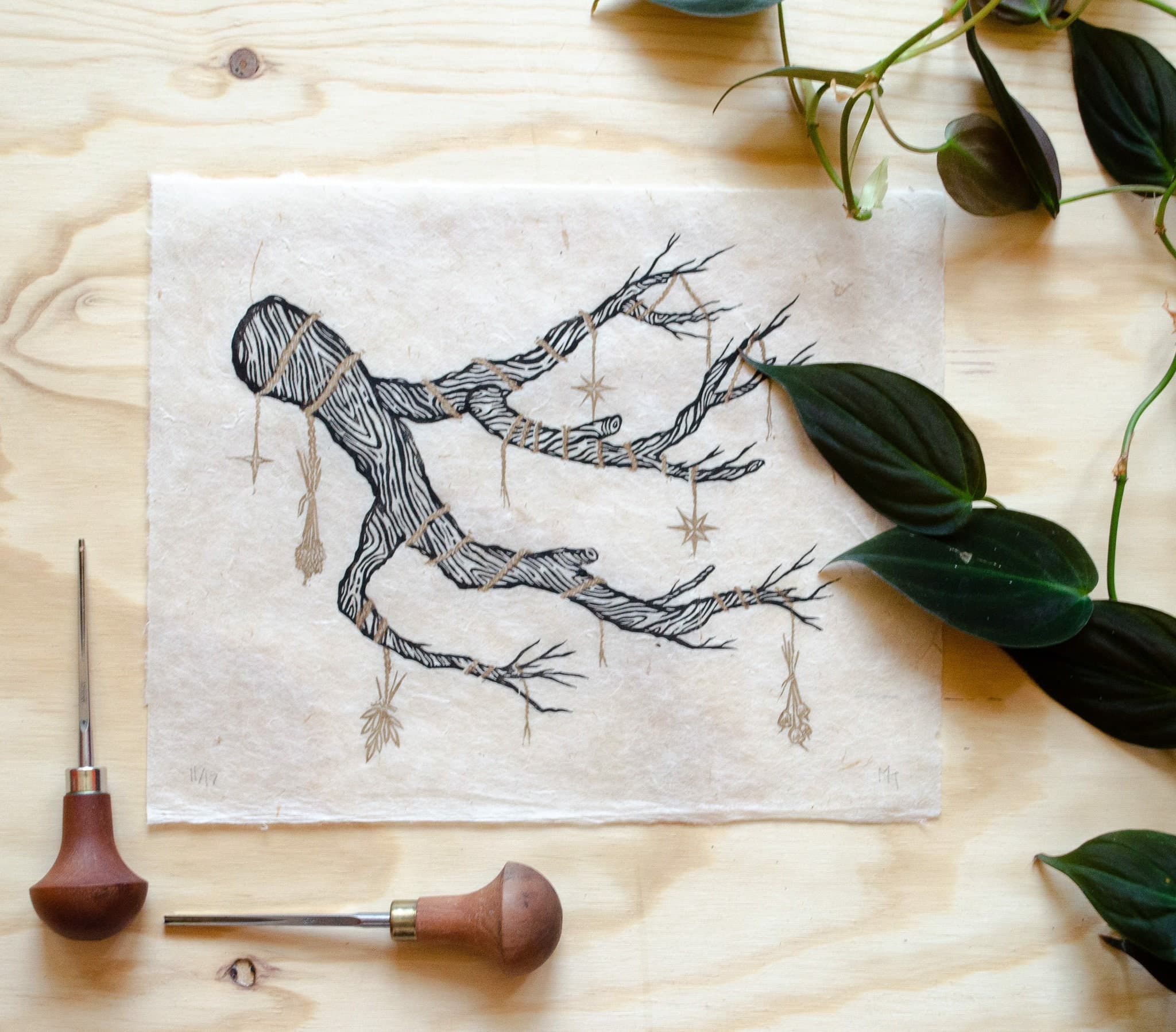
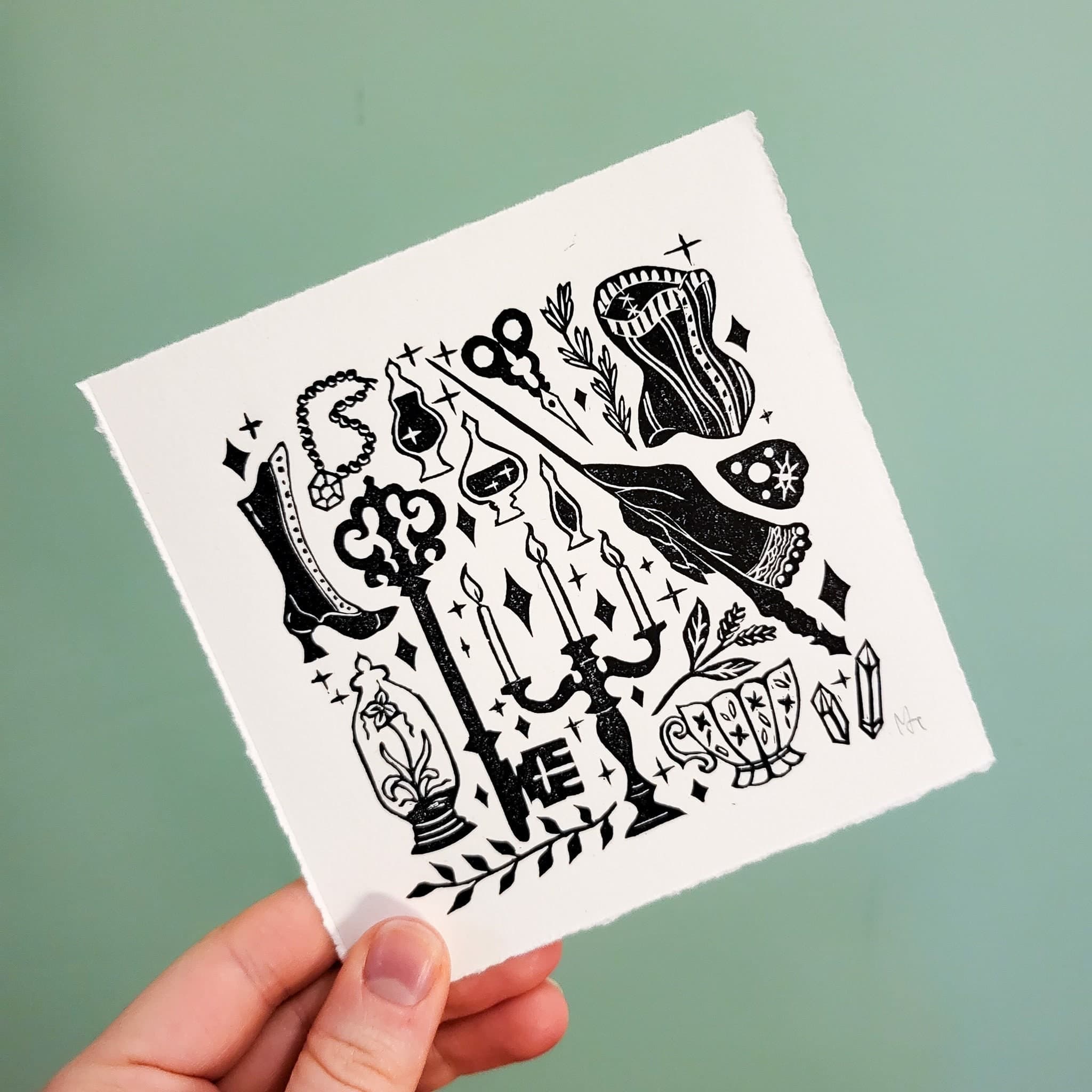
People in Britain and Ireland have tied rags and wishes to trees beside holy wells for centuries, and at the clootie wells of the Highlands they still do. Megan Tailford of Strange Meadows has cut a wishing tree hung with gold charms, printed by hand in Scotland from two blocks, one for the black and one for the gold, on translucent Nepalese paper. It is an edition of seventeen, signed and numbered, and once they have gone they will not be printed again.
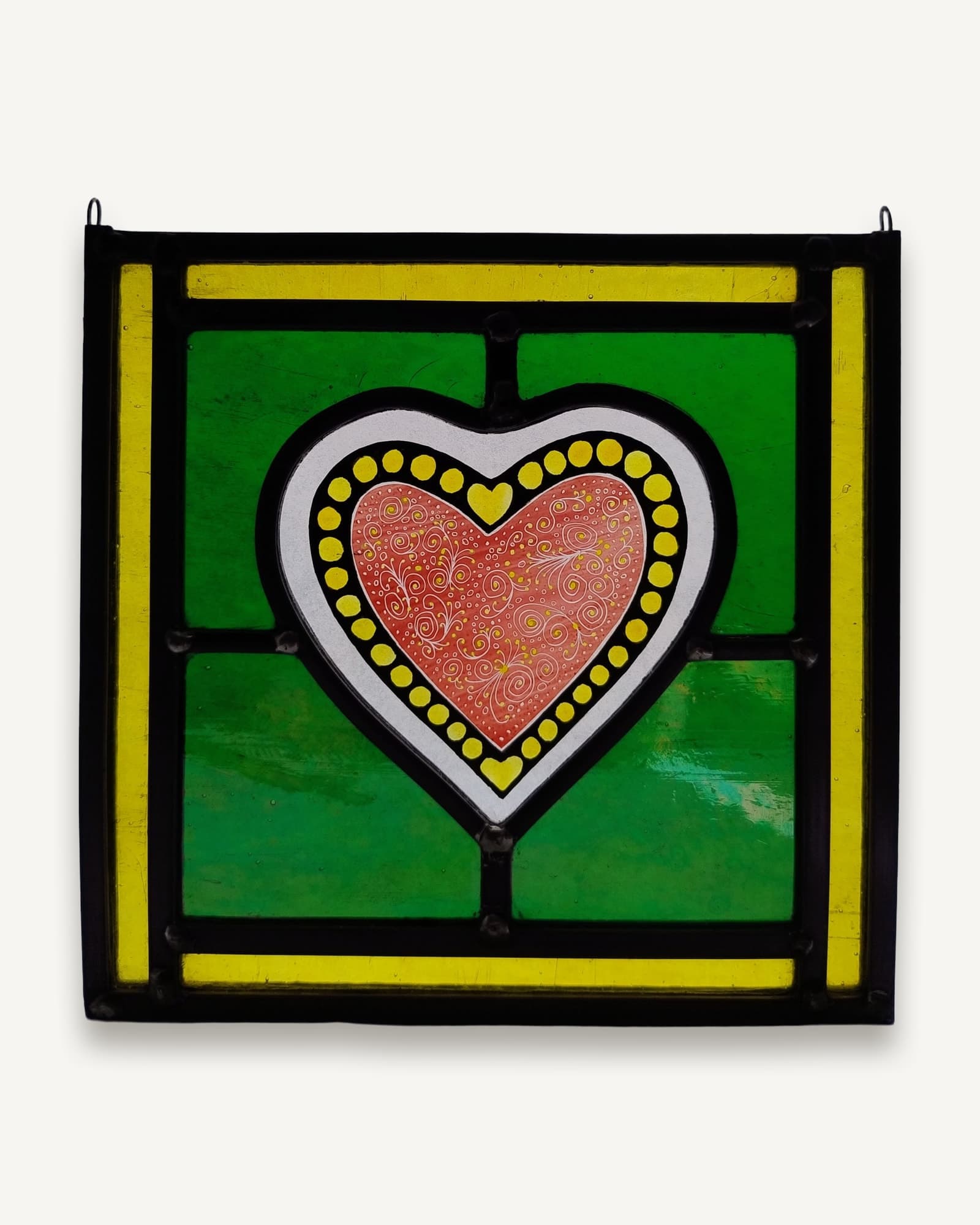
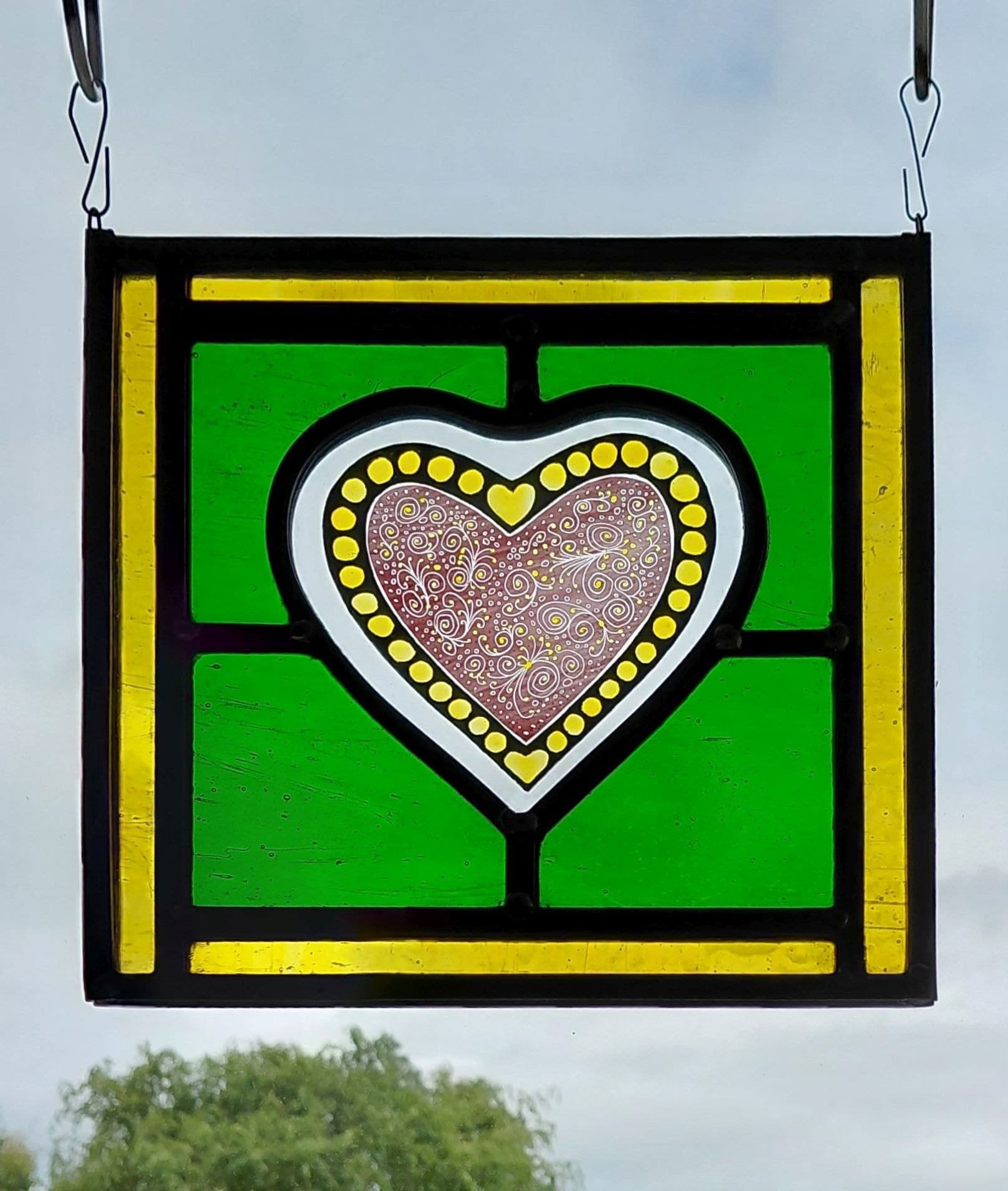
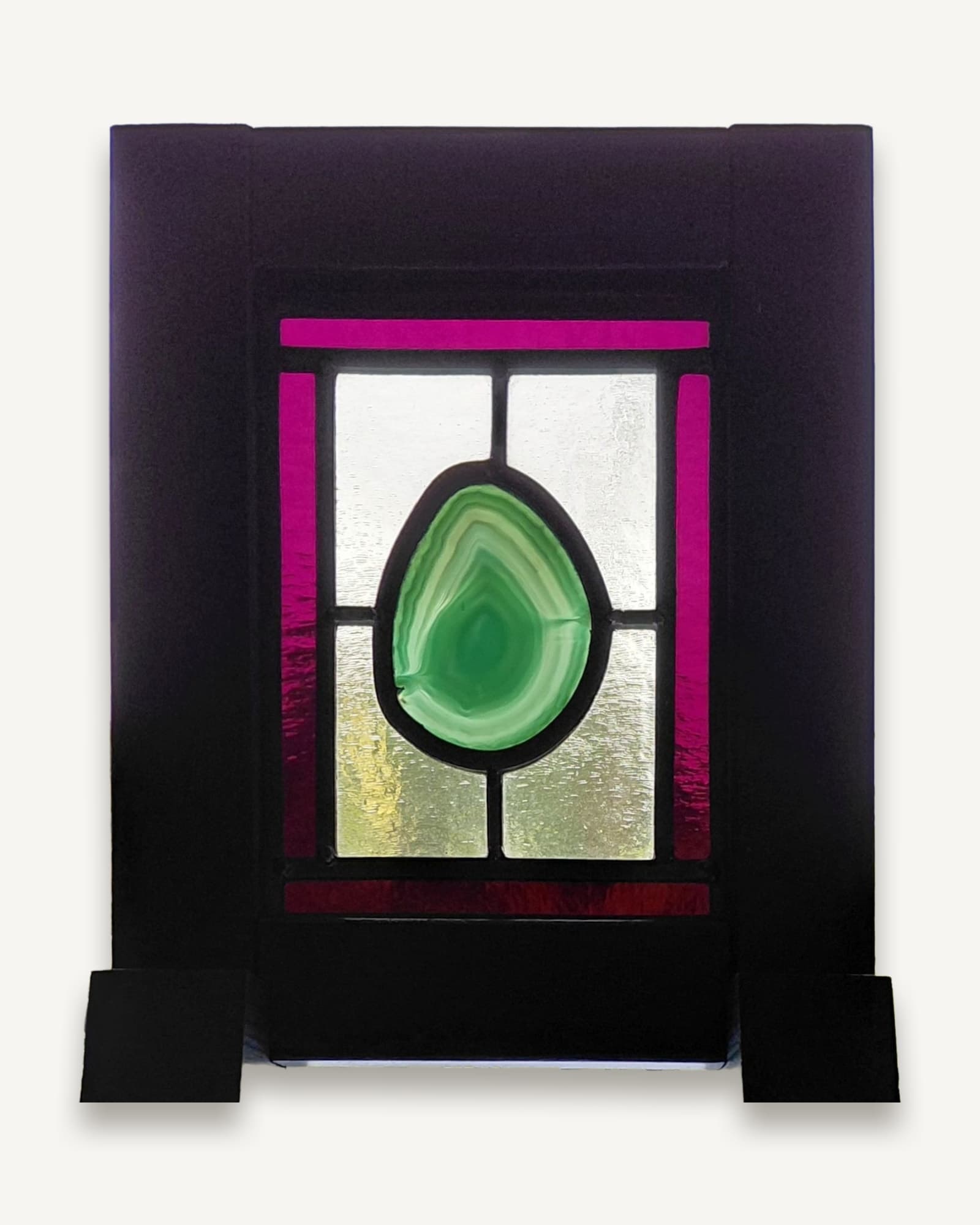
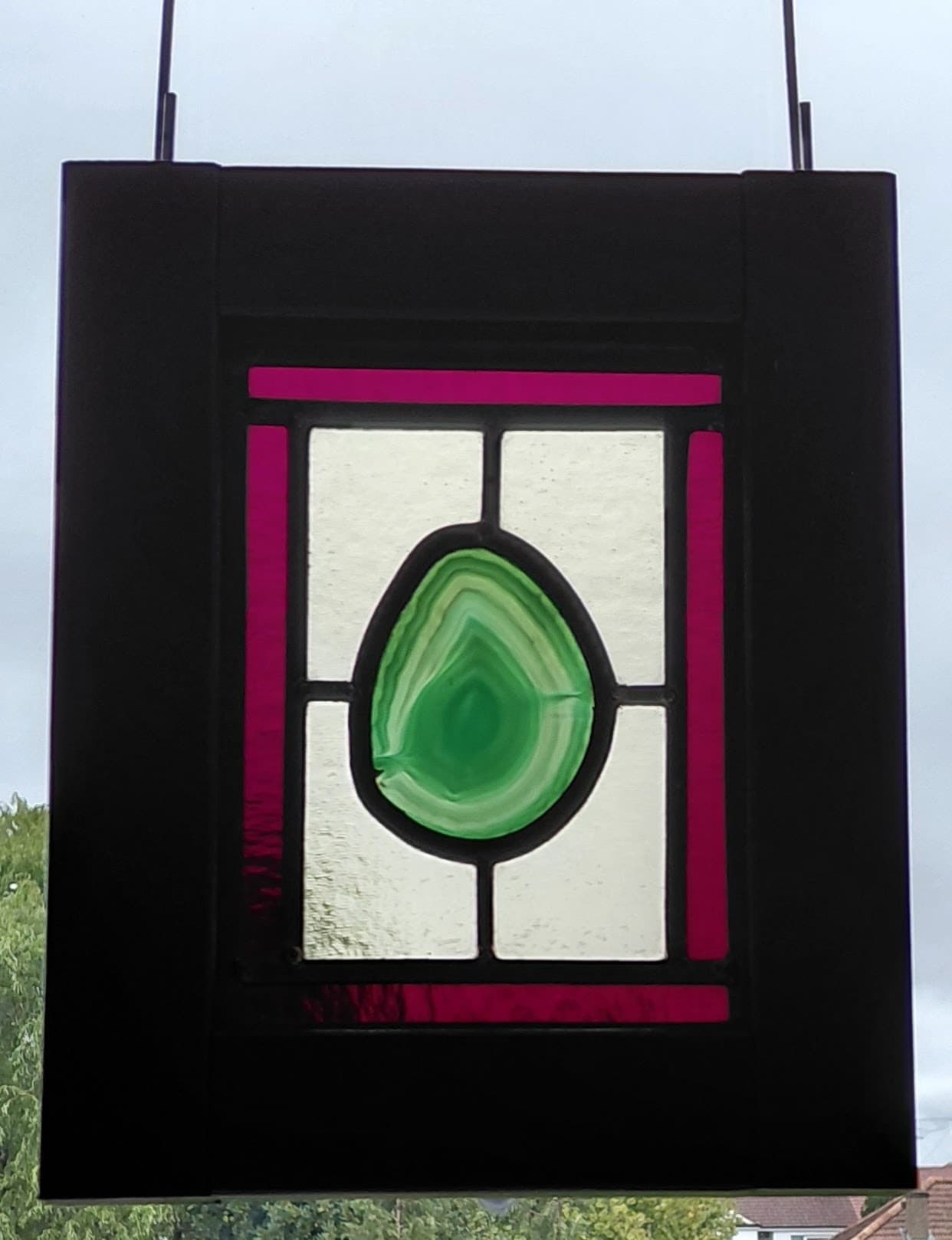
Mary Corkery of Alandale Glass makes her panels the way church windows were made: she paints the glass, fires it in the kiln, then leads, solders and cements every piece herself. This one is a red heart covered in fine painted scrolls, set in green glass with a yellow border, and it took her many days. Hang it in a window from its copper hooks and it changes colour with the light all day. Historic stained glass window making is Endangered, and this is a present for a wedding or a first home.
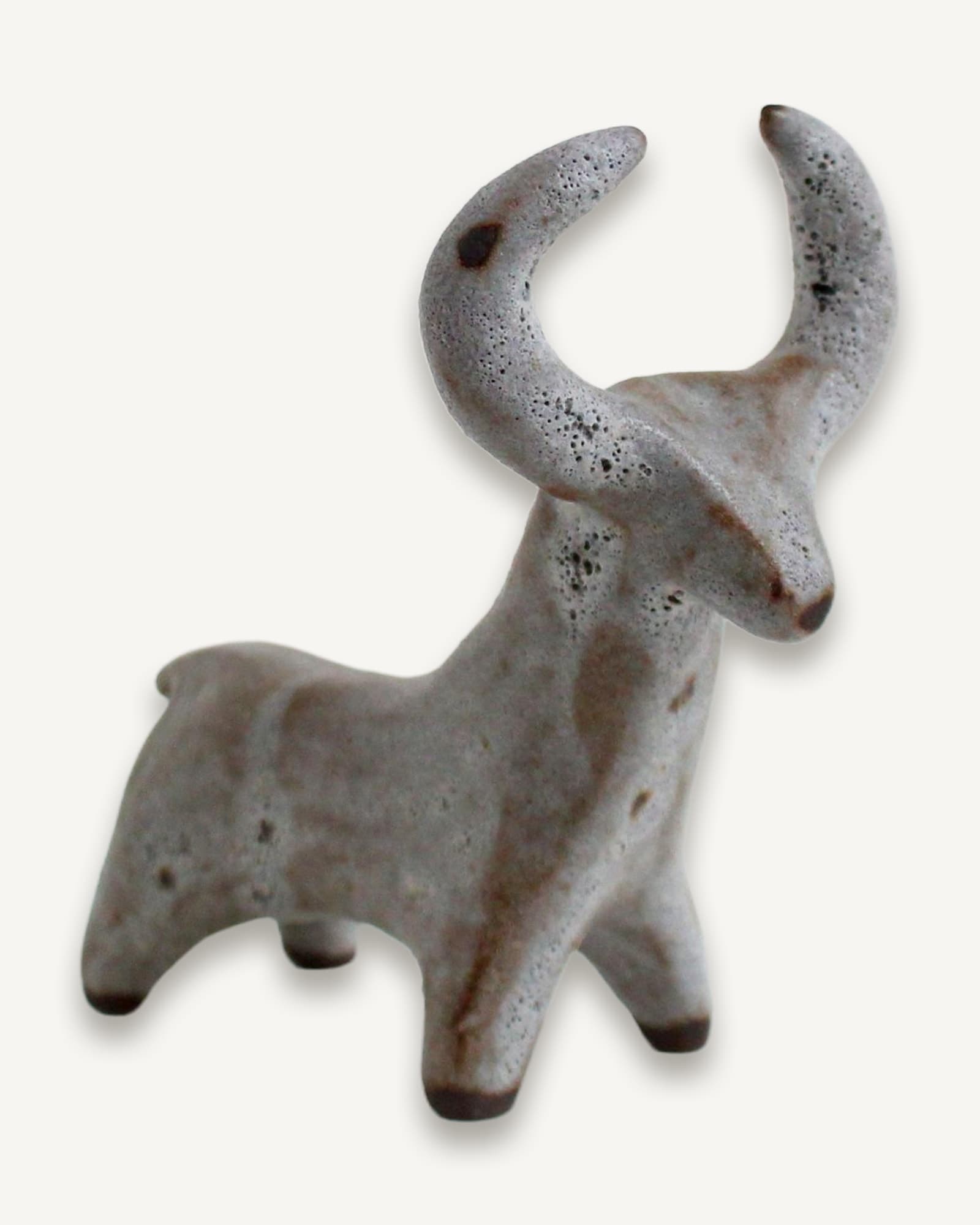
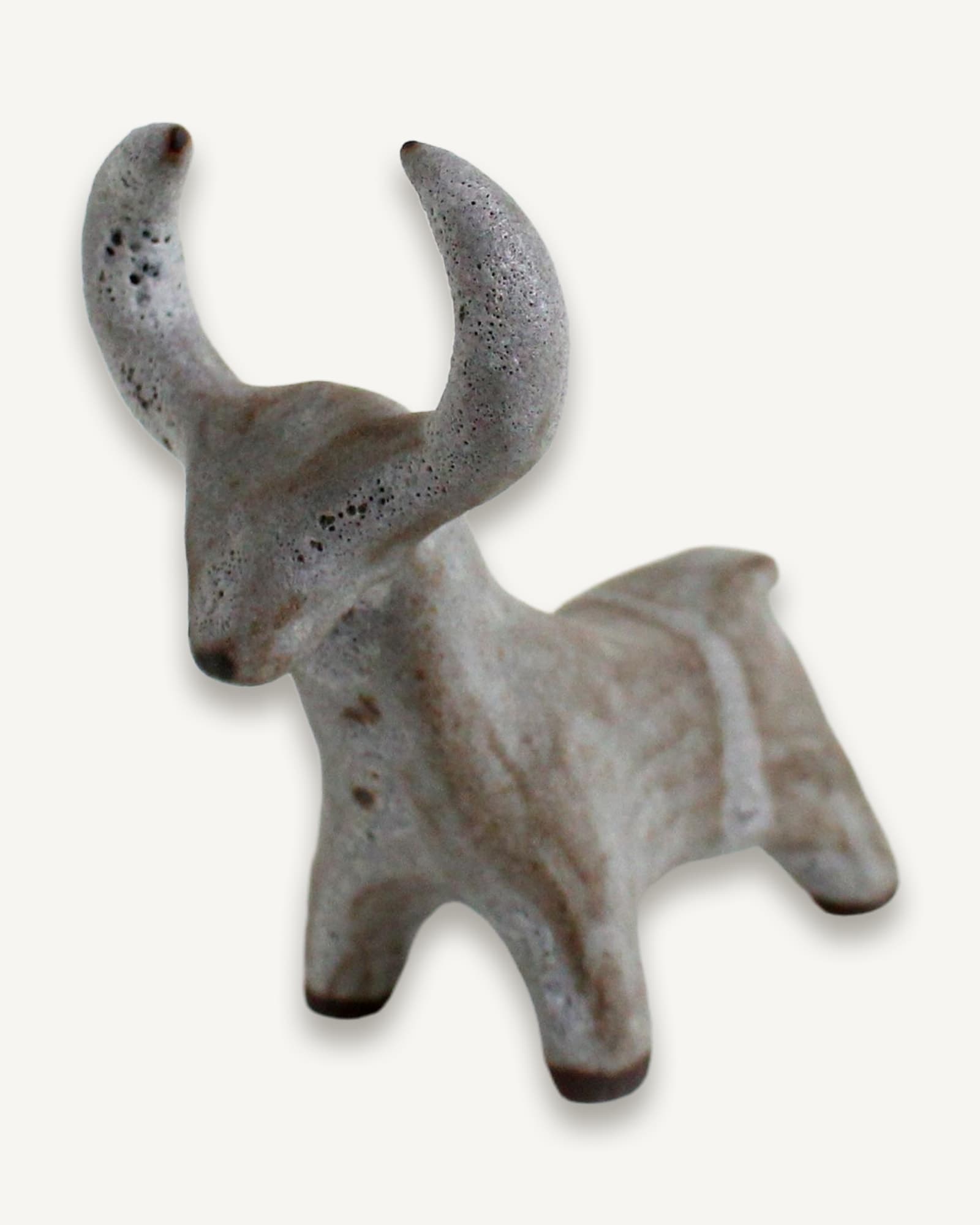
Ambrose looks as though he has wandered out of the margin of a manuscript. Annie Rose Edwards pinched him in New Cross from a single lump of black stoneware, with the horns drawn out of the same piece rather than stuck on, and a pale volcanic glaze has crawled over him so the black shows through in the cracks. She takes her animals from museum collections and from folklore in which animals are gods. He is about eight centimetres tall and the heaviest of her animals to hold.
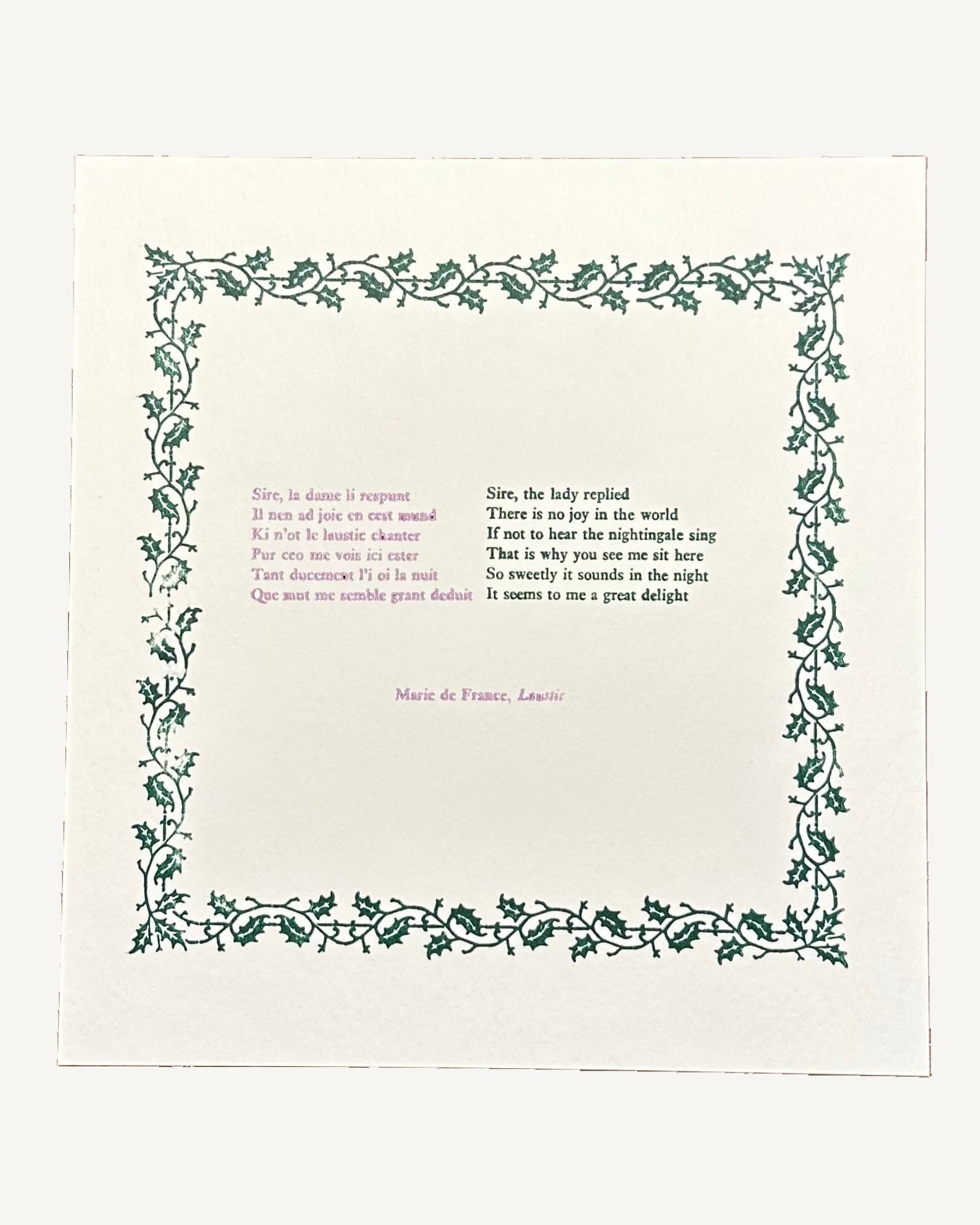
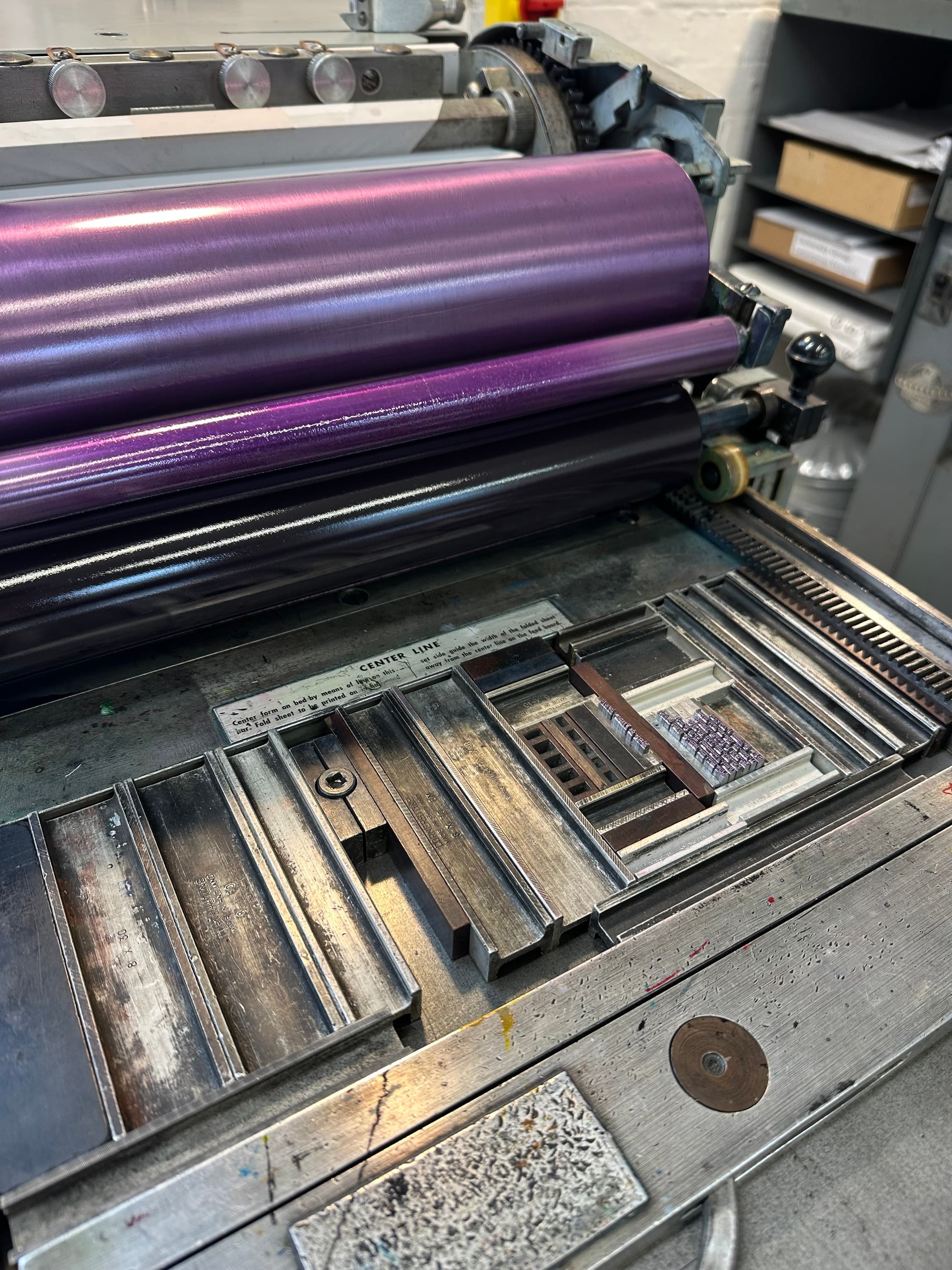
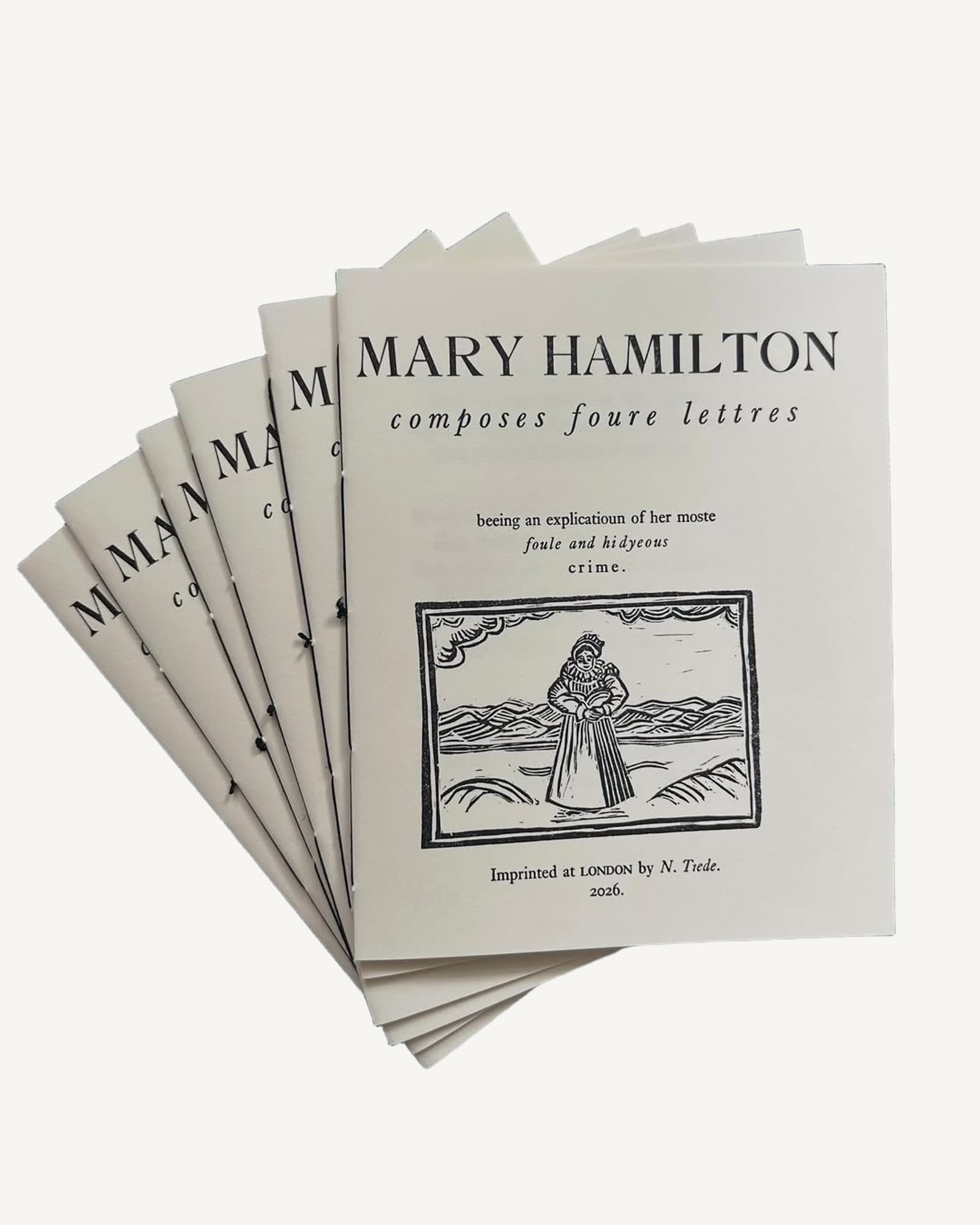
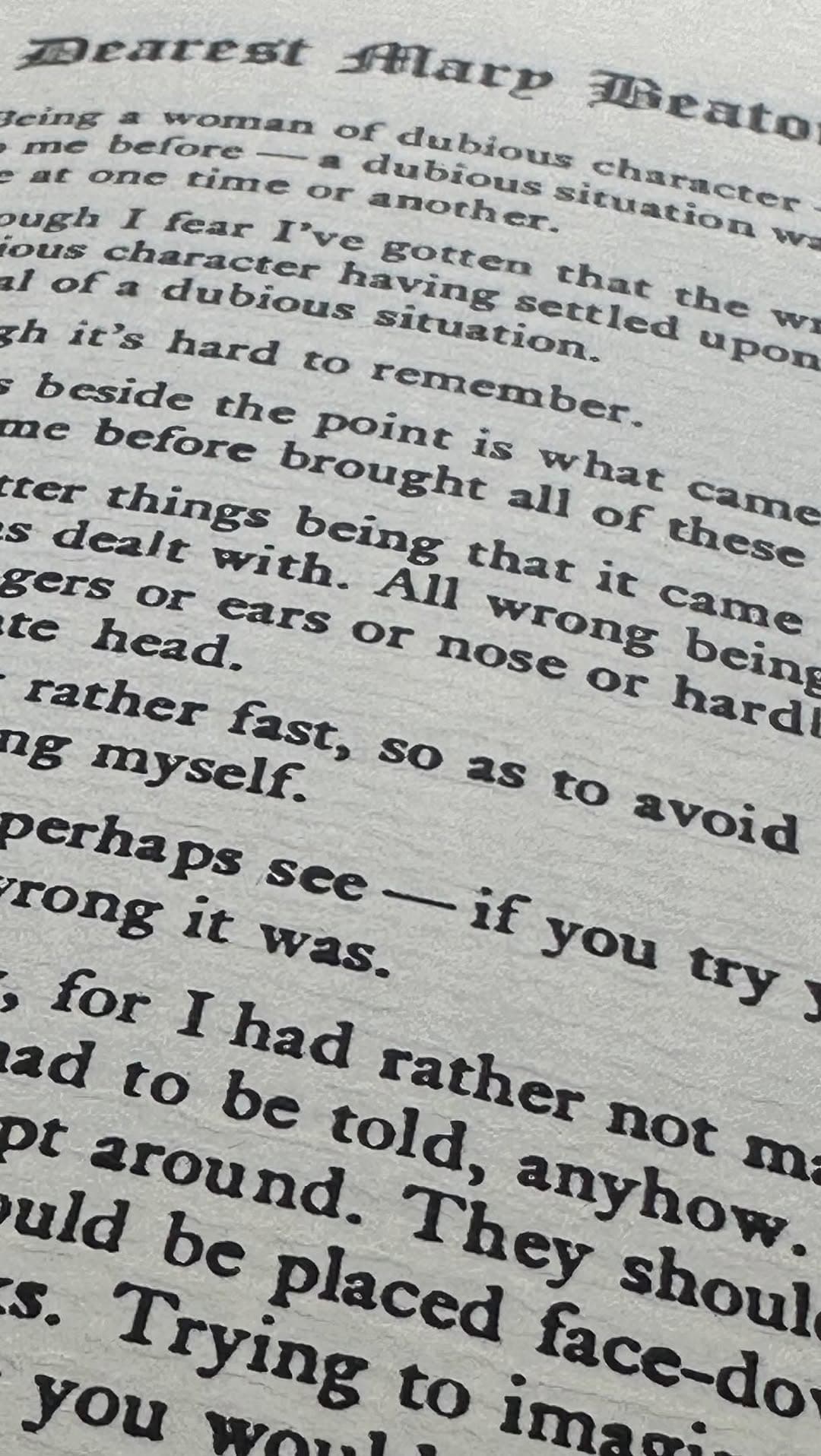
In Laüstic, a twelfth-century poem by Marie de France, two lovers meet at their windows every night on the pretext of listening to a nightingale, until the woman's husband catches the bird, and it does not end well for the nightingale. Natalie Tiede has set the lines by hand in metal type, in the original Anglo-Norman and in English, and every sale goes towards her short film of the tale. At twelve pounds, it is the stocking filler here.
THE ONE I'D CHOOSE
I would choose the briar rose tiles, because they are the nearest thing here to owning a piece of a medieval building, they are made from clay dug out of a Hampshire garden, and on a shelf the rose joins up across all four.
WHAT IS A GOOD MEDIEVAL GIFT FOR HIM?
The oak swill, which he will use every day, or one of Tom Chamberlain's single tiles for his desk; the lion is the obvious choice. For a reader, the Riddles Wisely Expounded print, framed.
WHAT IS A GOOD MEDIEVAL GIFT FOR HER?
Ksenia Semirova's embroidered initial in her own letter, or the stained glass heart for a window. For someone who loves folklore, the wishing tree in black and gold.
WHAT IS A GOOD MEDIEVAL GIFT UNDER £50?
A single inlaid tile from Tom Chamberlain or Bethan Hughes Jones at twenty-five pounds, Ambrose at thirty-eight, the wishing tree at forty, or The Nightingale at twelve.
Medieval & Folklore





More stories like this
One thoughtful email a month, not a marketing torrent. New makers, seasonal edits, and the stories behind the craft.
How we look after your details: privacy policy