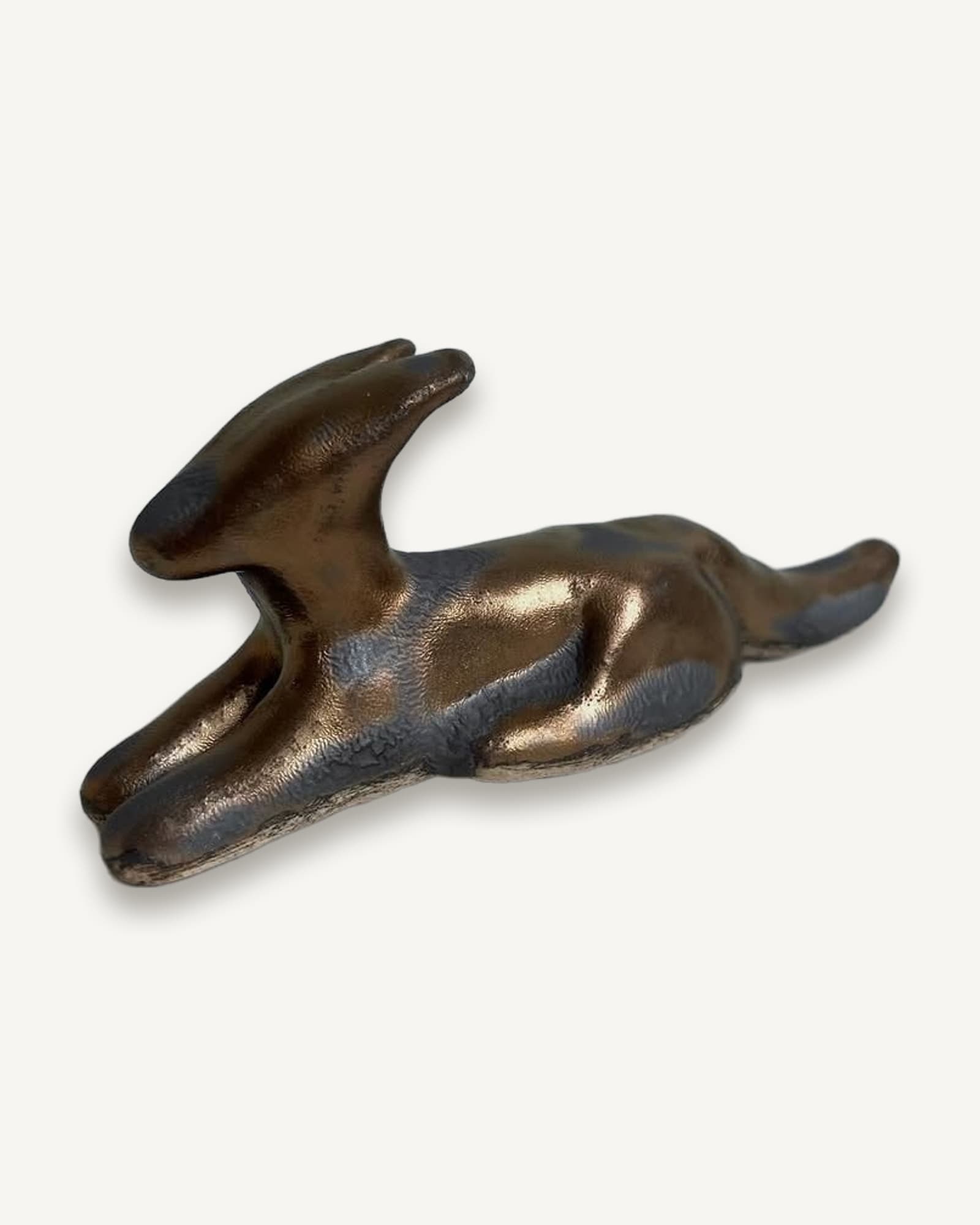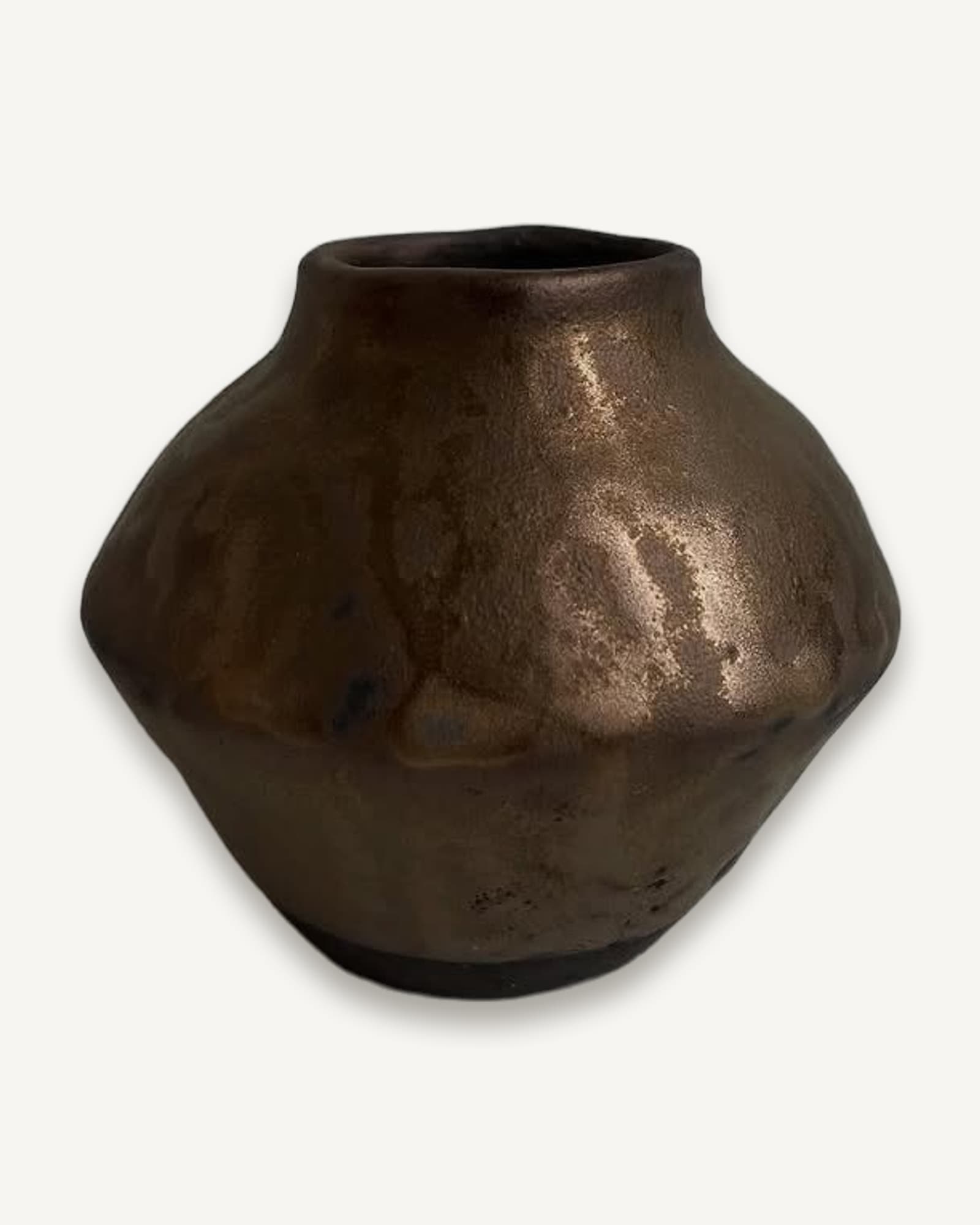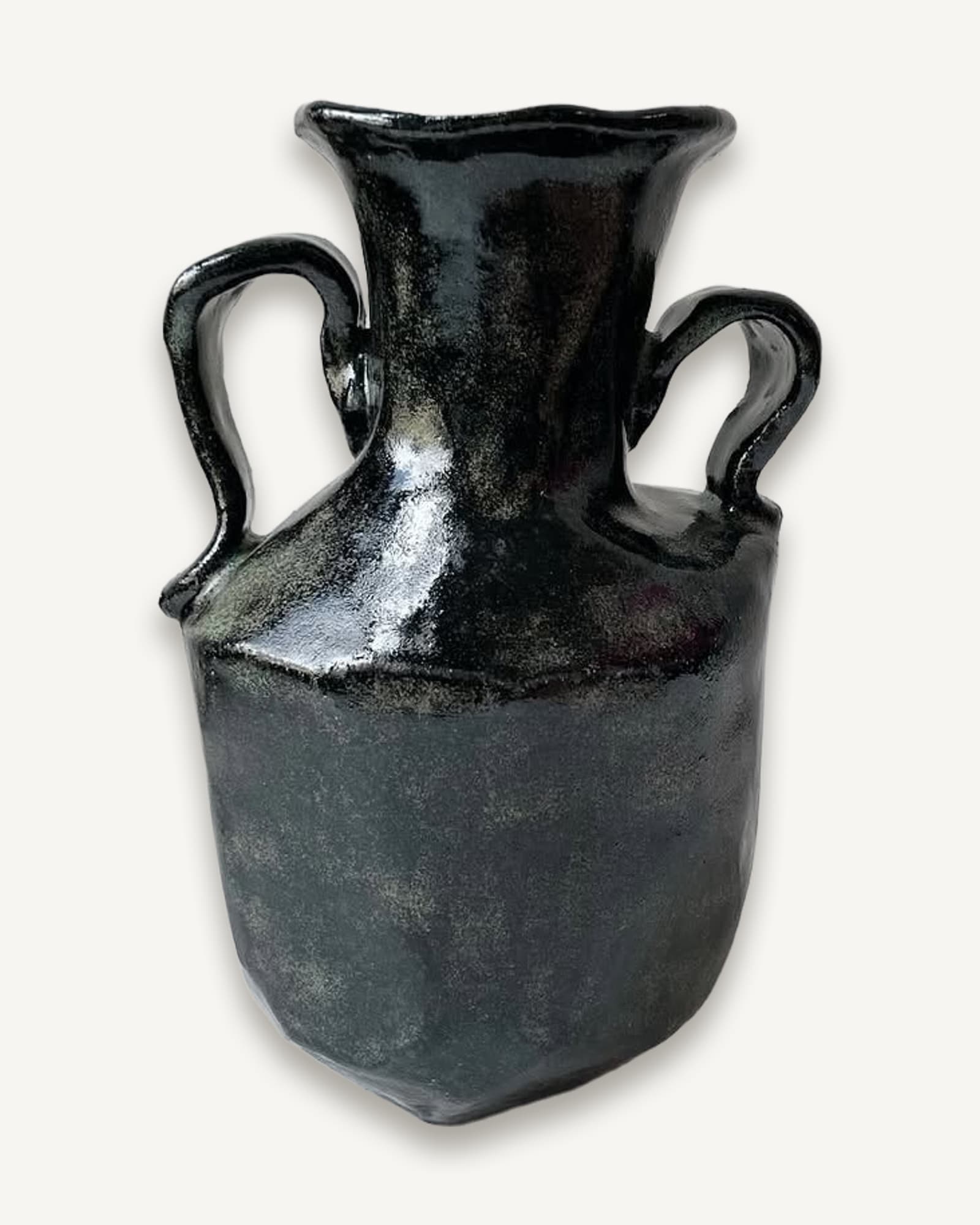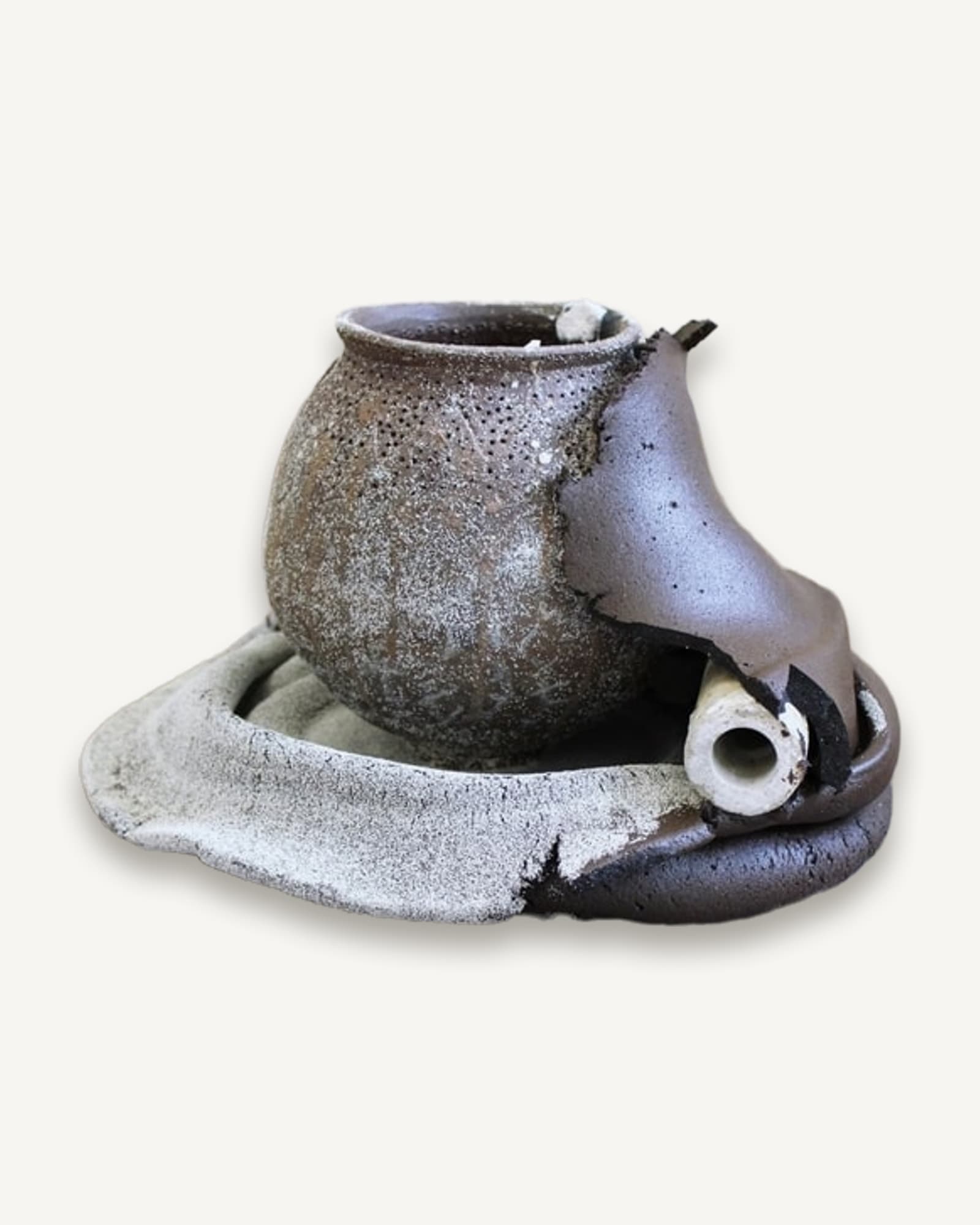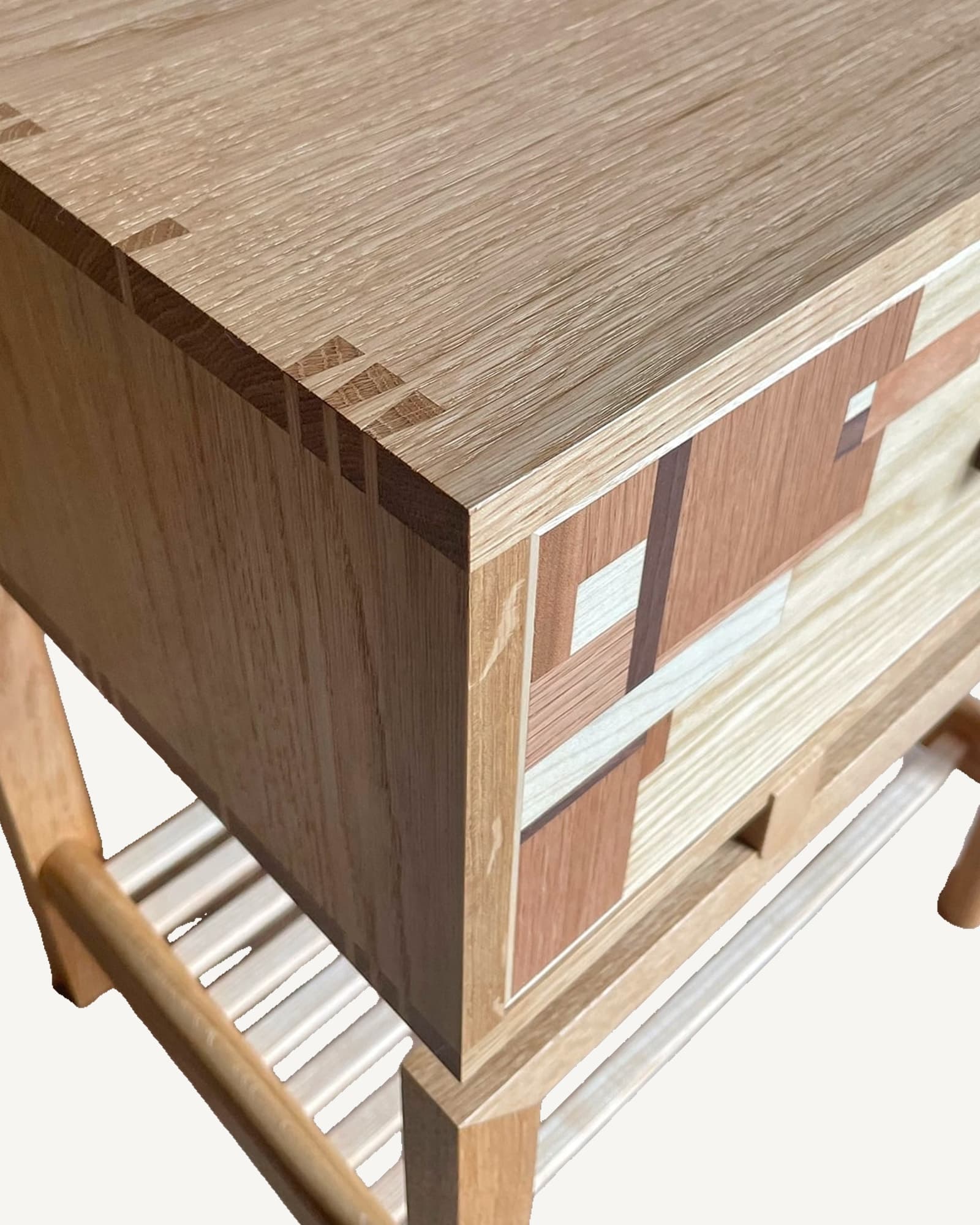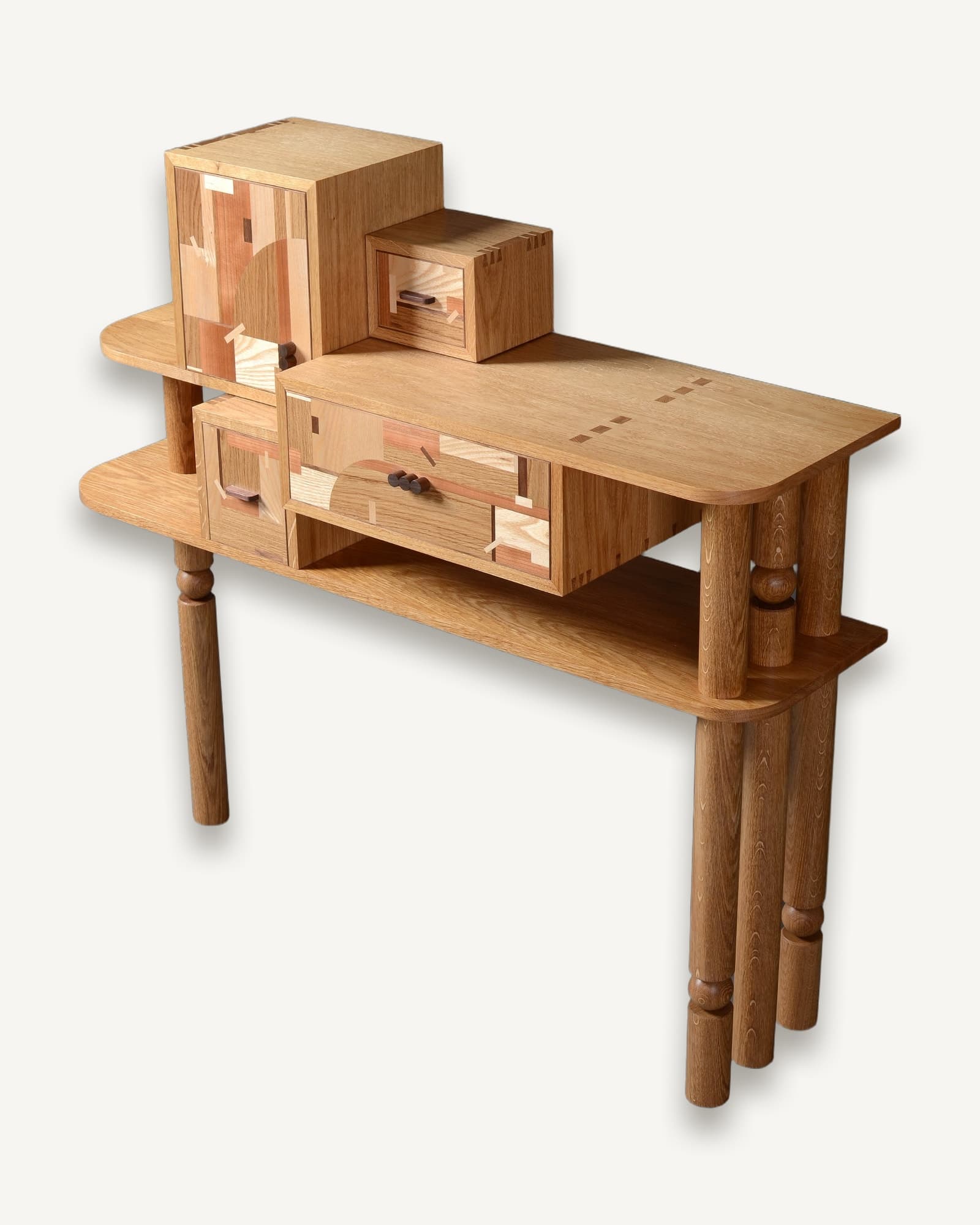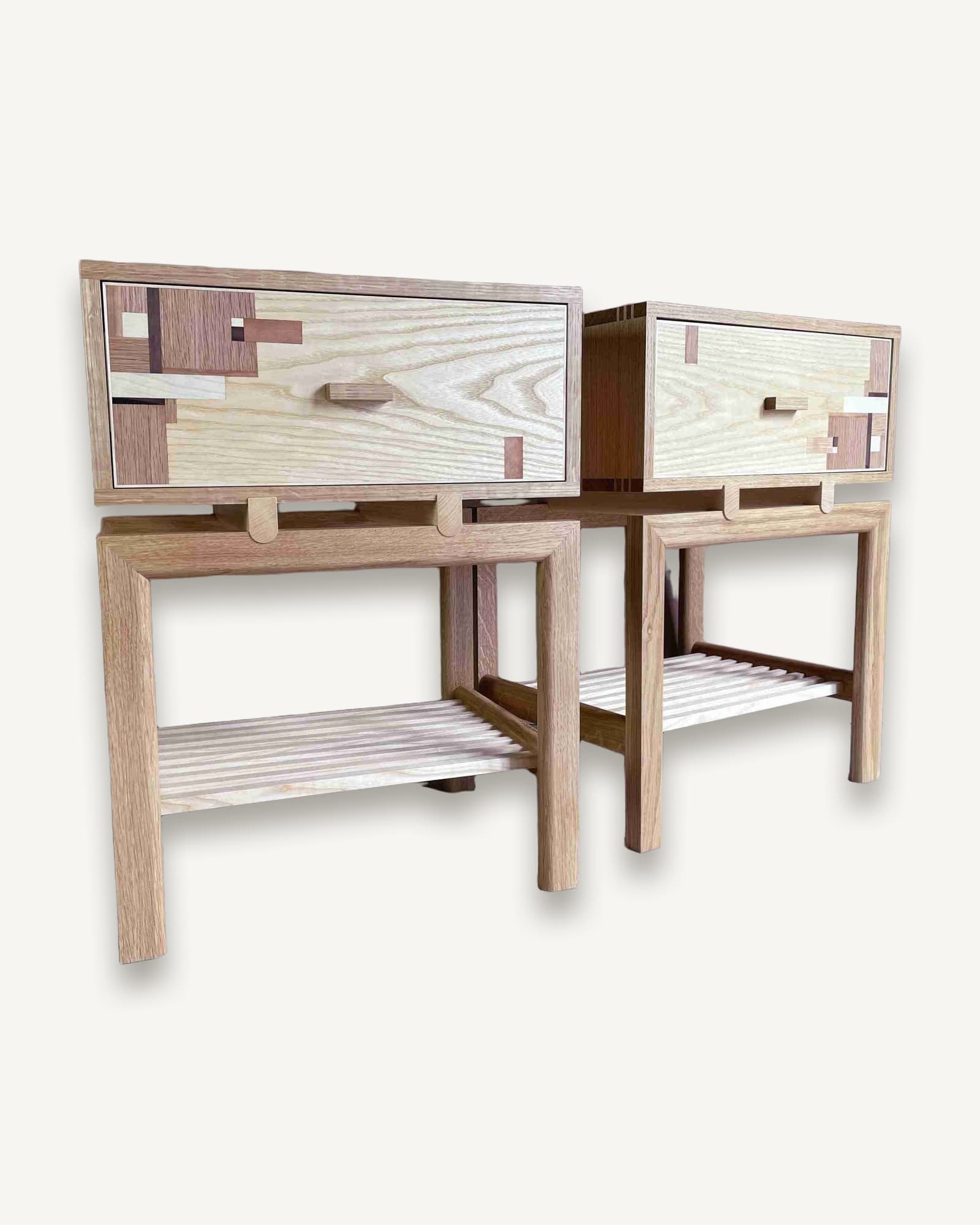

Commission a piece
Work made for you by a British maker you can read about. Browse examples and start a conversation.
- 01Enquire
Tell the maker what you have in mind and your budget.
- 02Discuss and quote
They shape the piece with you and agree a price.
- 03Made for you
The maker crafts it to order.
- 04Delivered
Your finished piece arrives.


Greg Kent Art in Wood
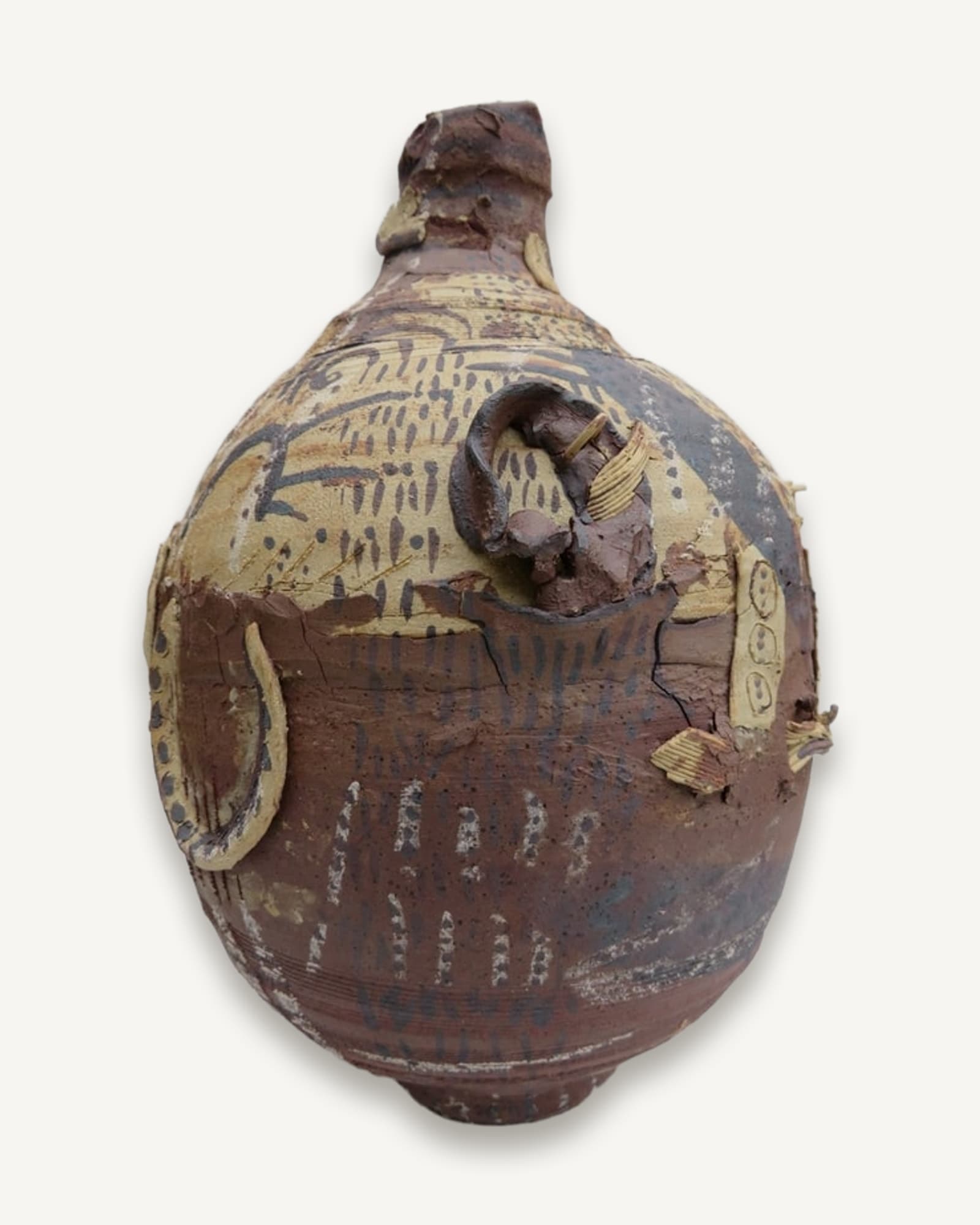
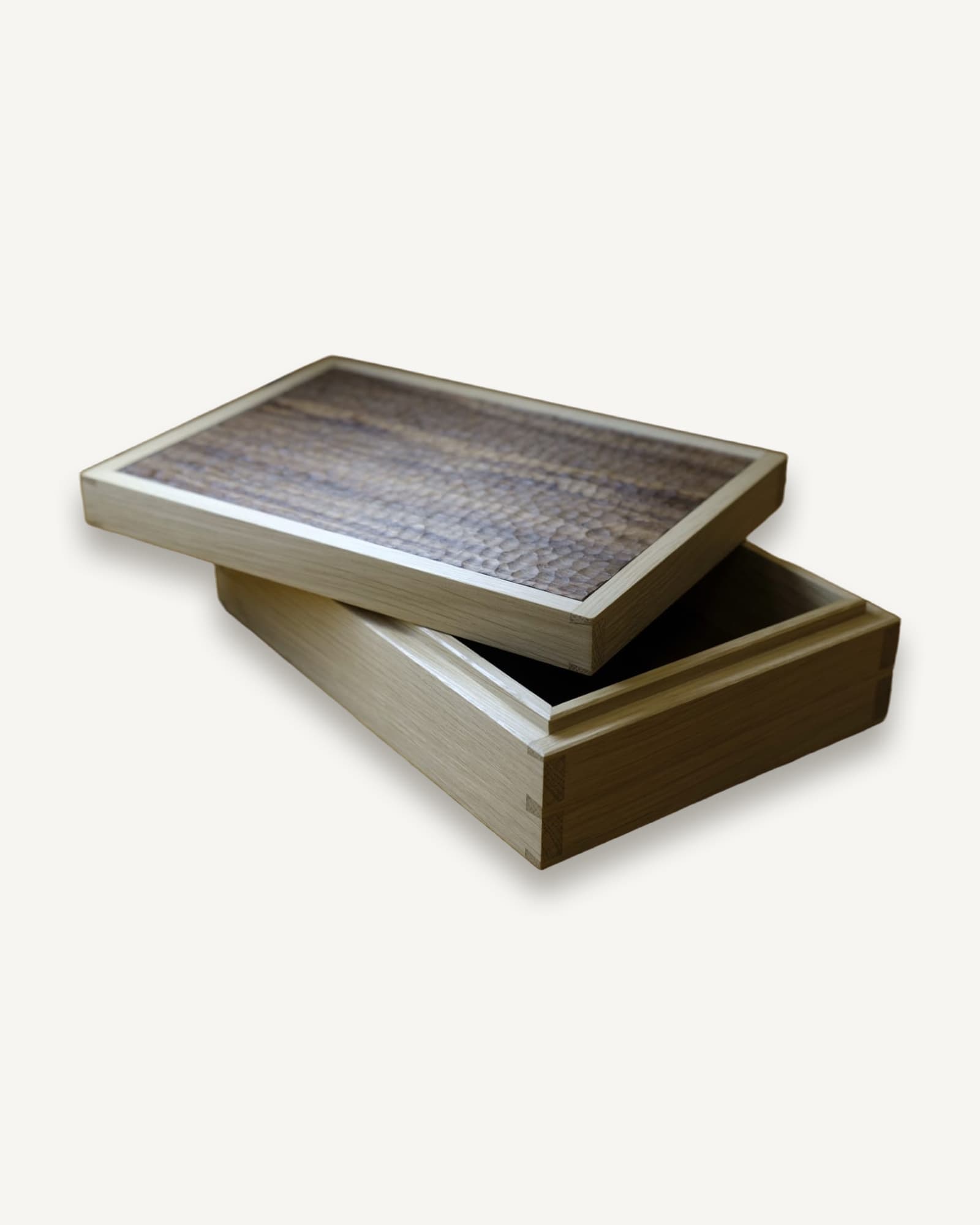
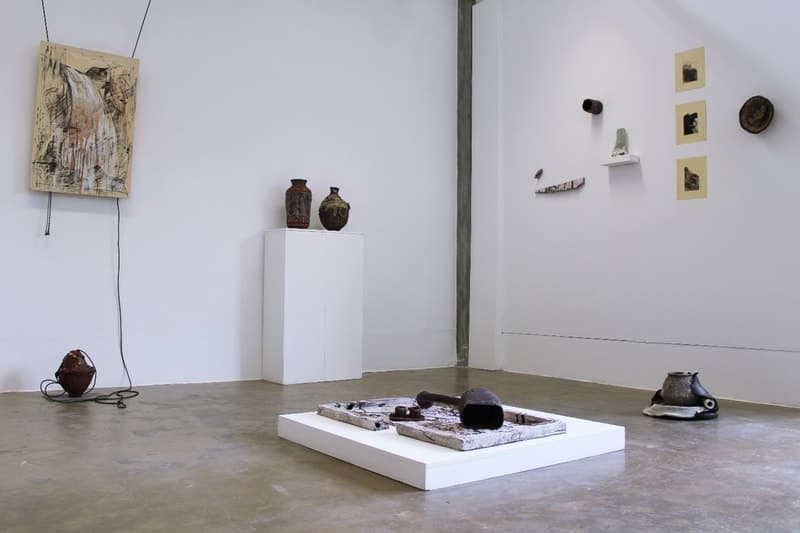
Large woodturned beechwood vessels with attitude, made from salvaged wood located in Lancashire. · Pilling, LancashireTakes commissionsThe basis of Greg’s work is a journey that explores the beauty of wood and the narratives he can create with it. His work is based around the traditional craft of woodturning and turning it into an art form. This is done by using functional forms as the canvas for exploring issues. The wood’s story is in its growth rings, colours, burrs and rot. This is fine art created by nature which is then revealed by a master craftsman. The traditional vessels, which are created, are then manipulated using a range of wood working techniques and are combined with a variety of objects to conjure a scene that needs to be understood. The existential issue that the observer is confronted with includes humour, hope, and cryptic references. Whilst the object is created with the narrative driving the form and inclusions, what interests Greg, as the artist, is how the viewer interprets it. This then means that people with different perspectives can engage in discussion about potentially difficult and provocative topics. By talking about what the vessel represents to the viewers and creator Greg hopes that people can explore issues by confronting the object and not each other. In this way the journey continues. Greg works to commission, talks to school groups about making a living from craft, and shows at Galleriesy in London. He is a QEST Turners' Company Scholar, a Yeoman of the Worshipful Company of Turners, and has shown at the Crafts Council's Collect Open and the Royal Academy Summer Exhibition.
Visit shop
Ksenia Semirova
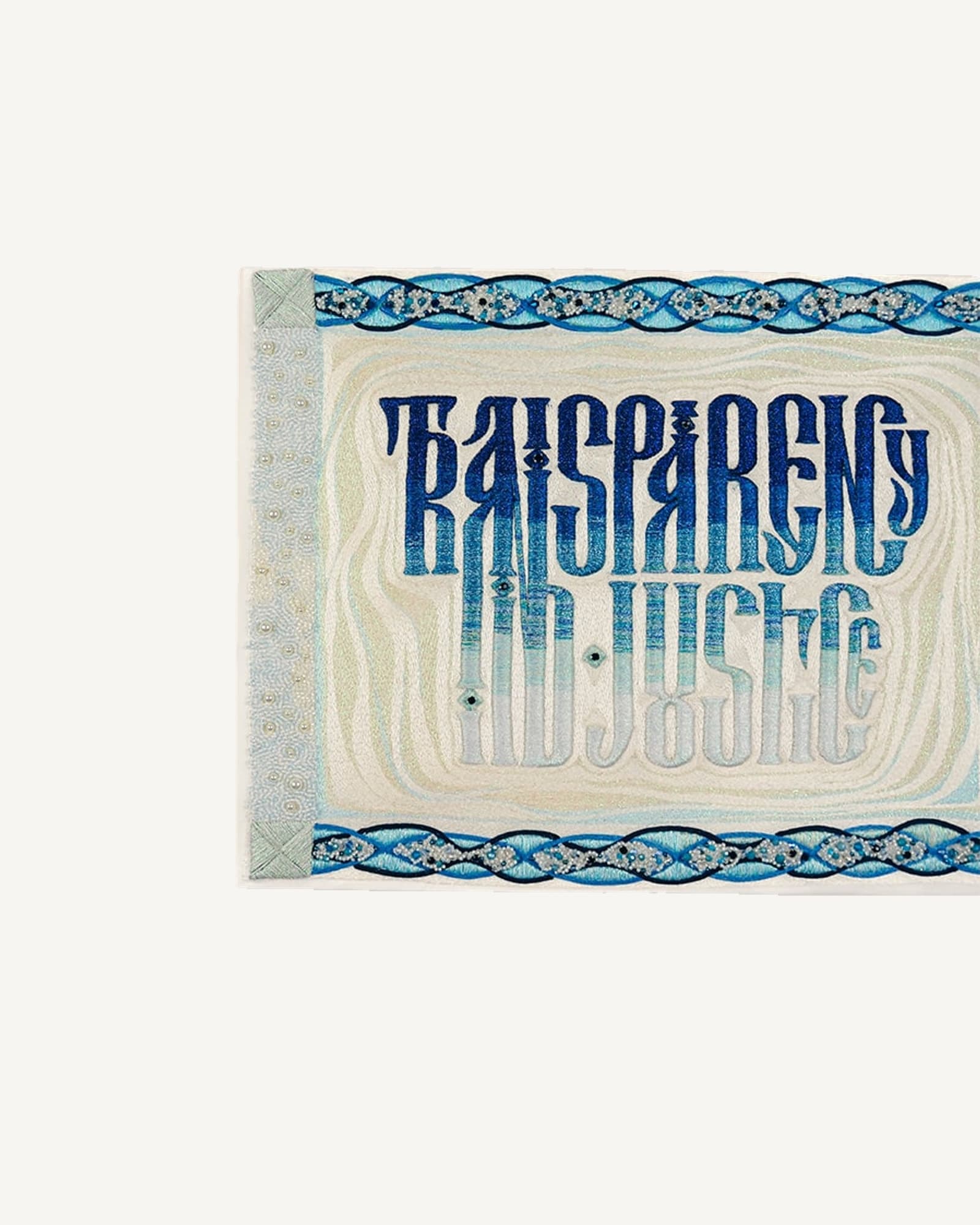
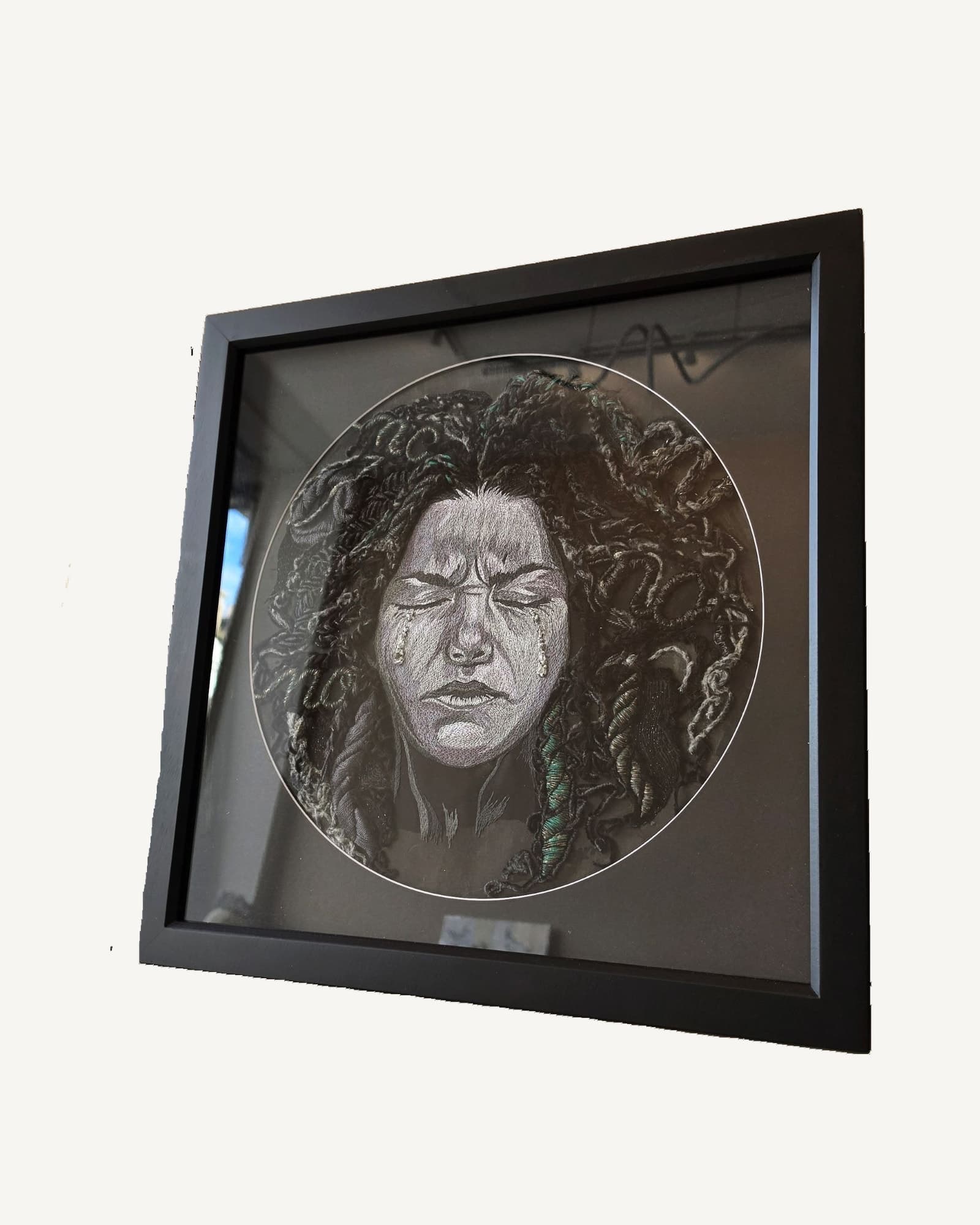
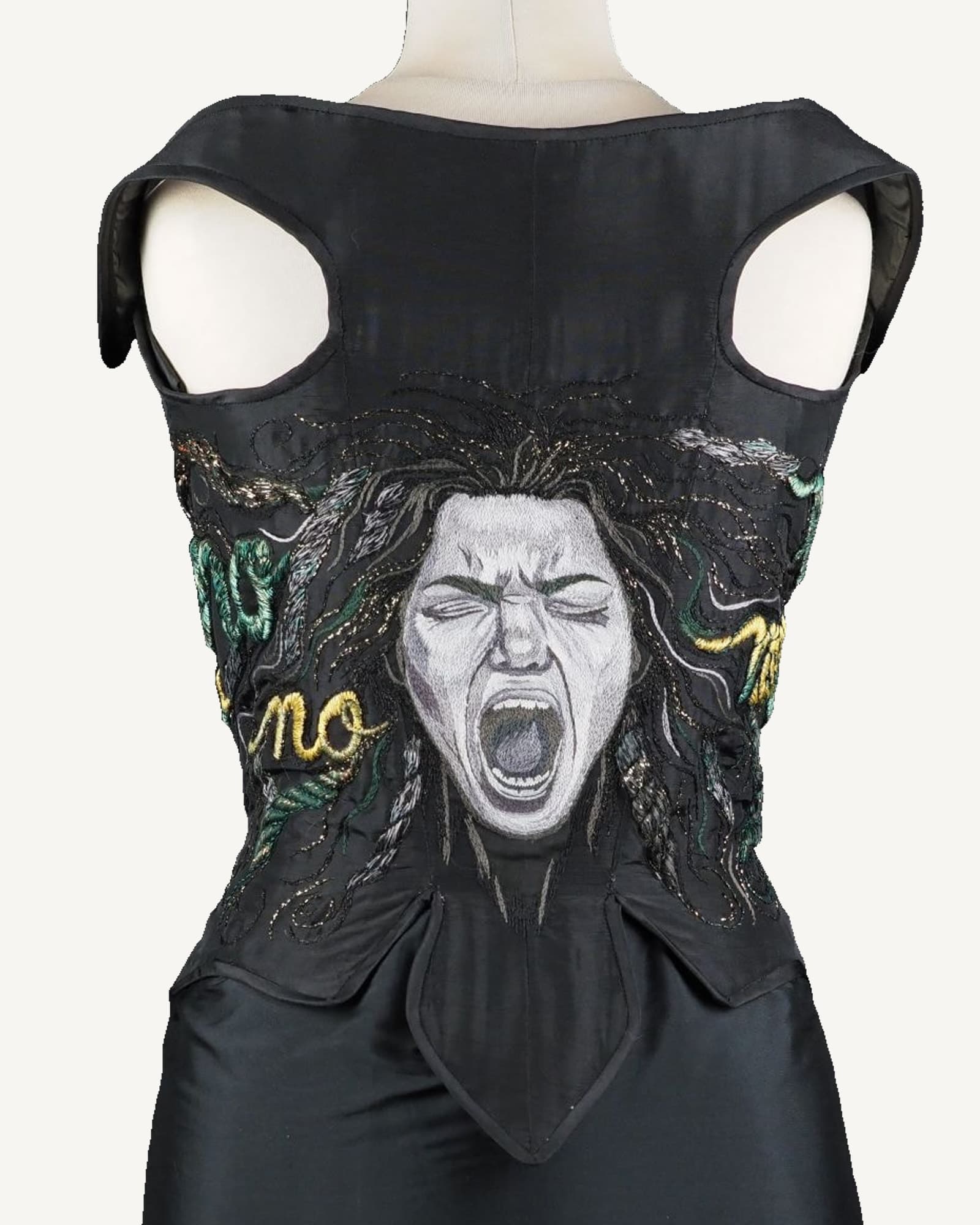
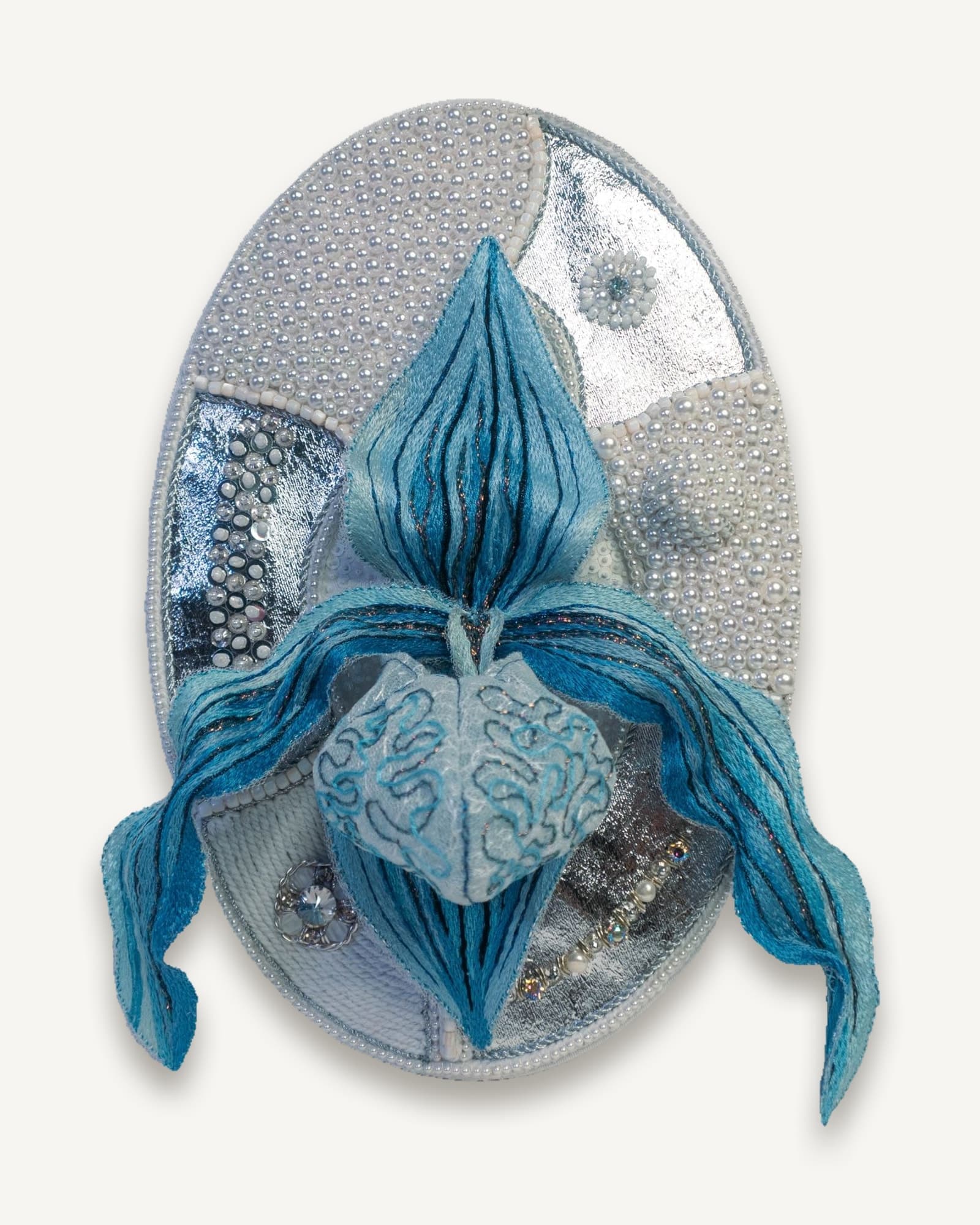
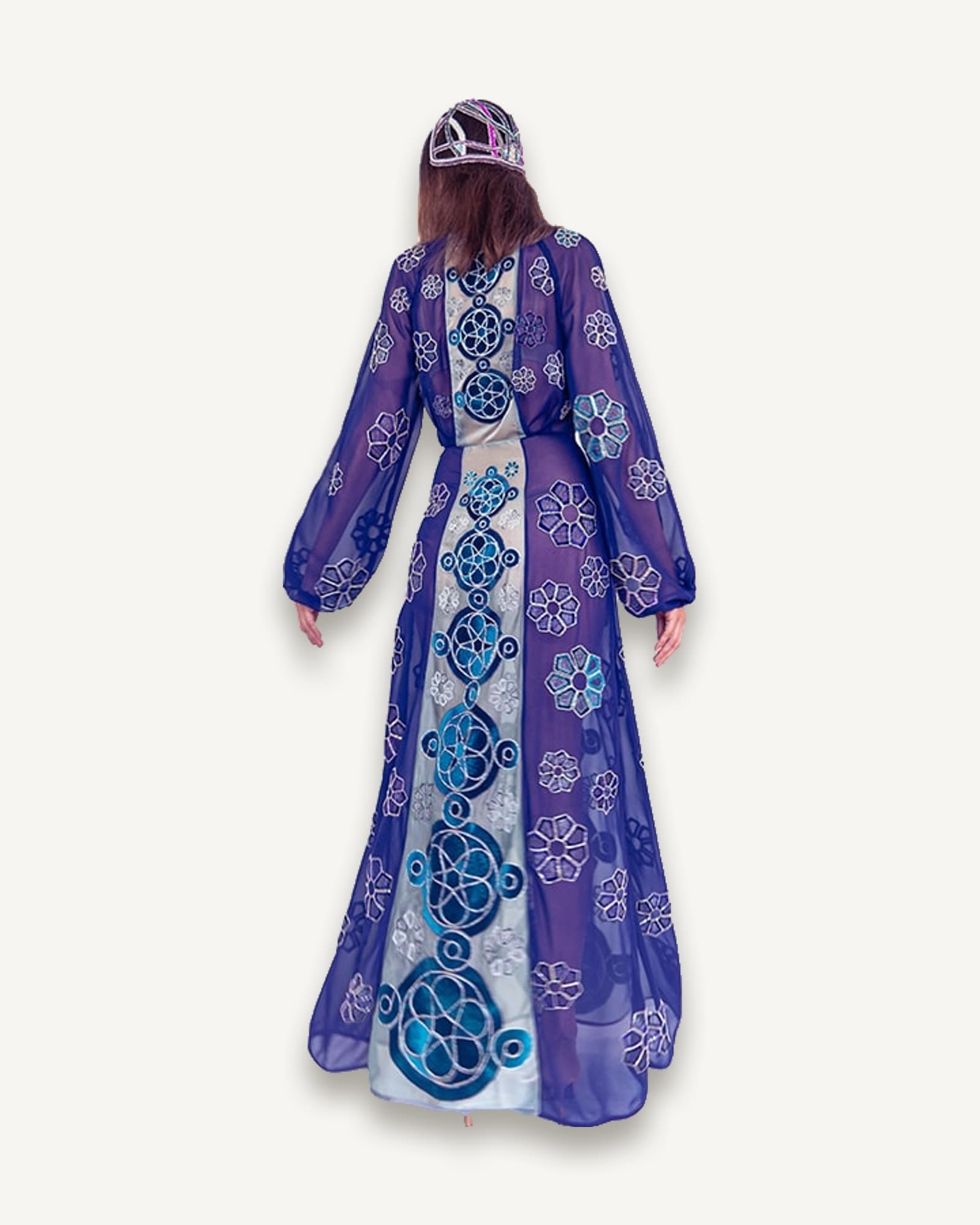
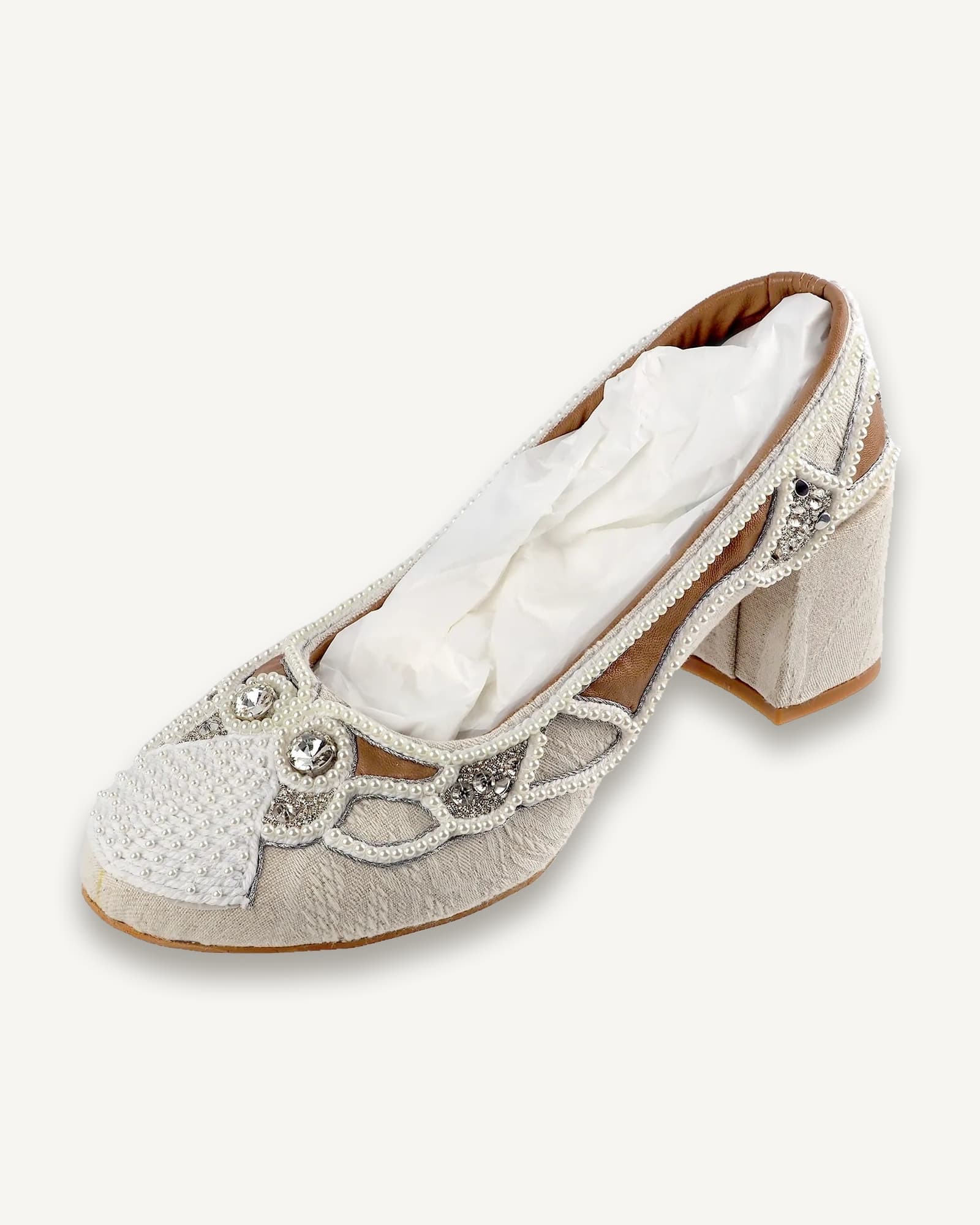
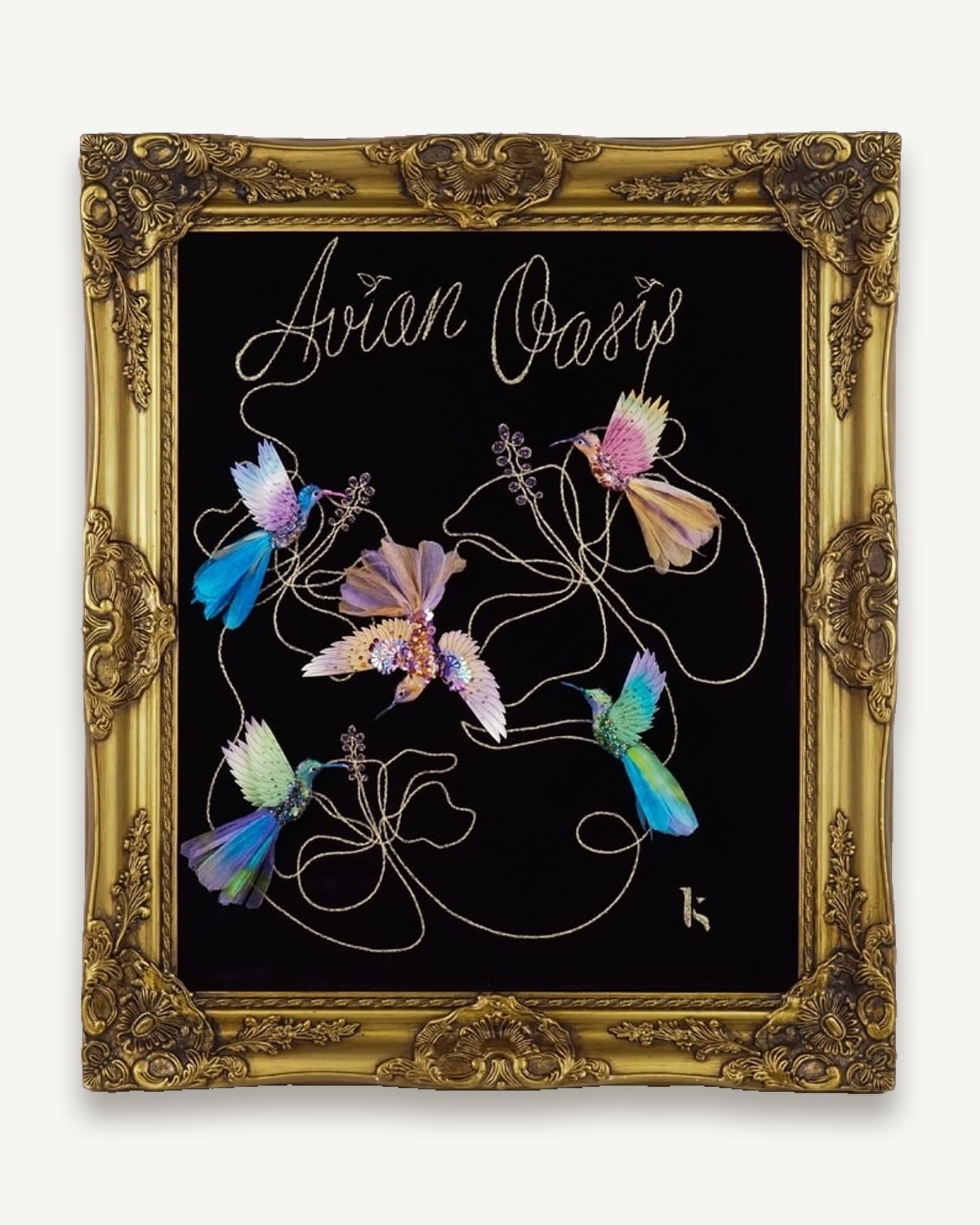
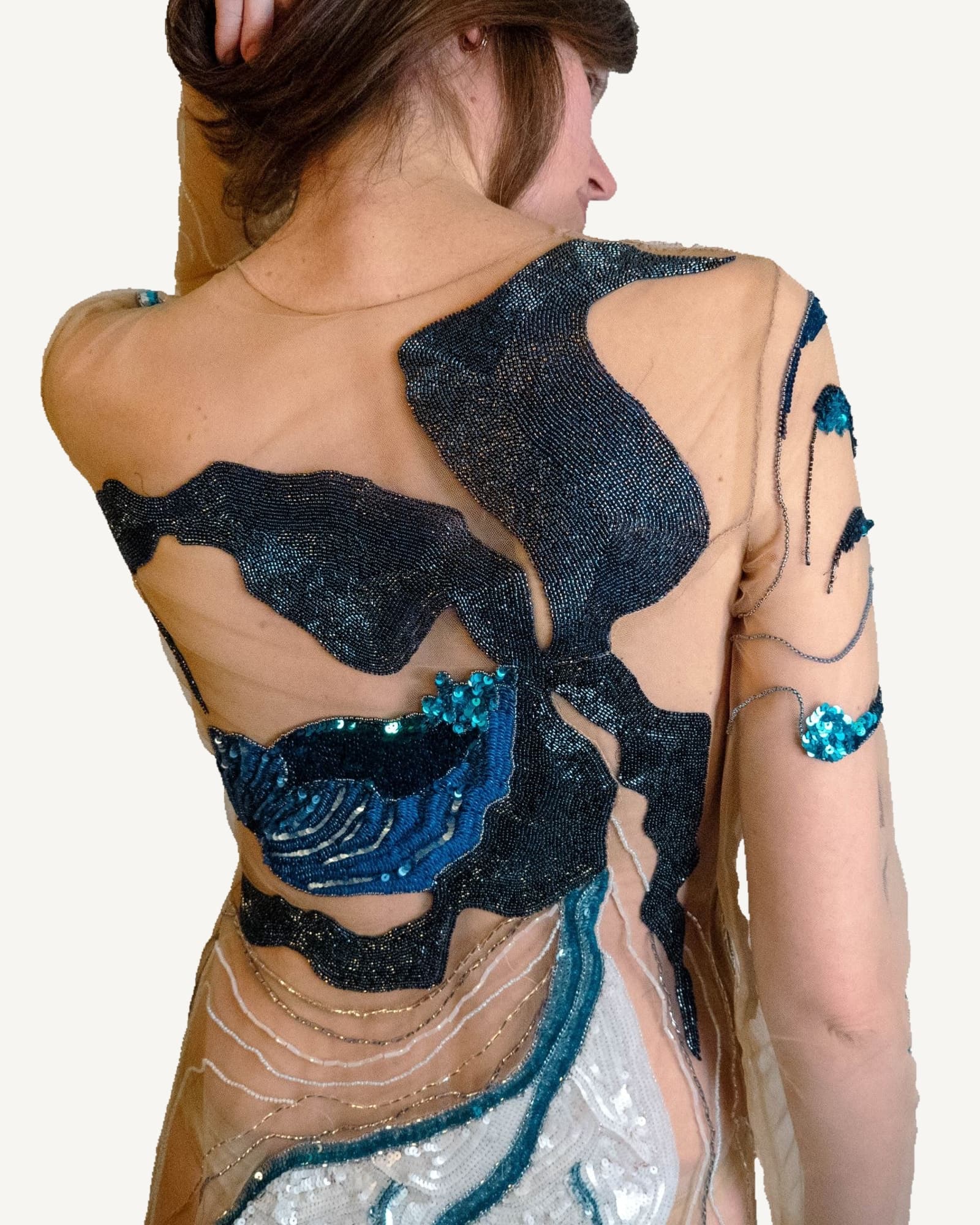
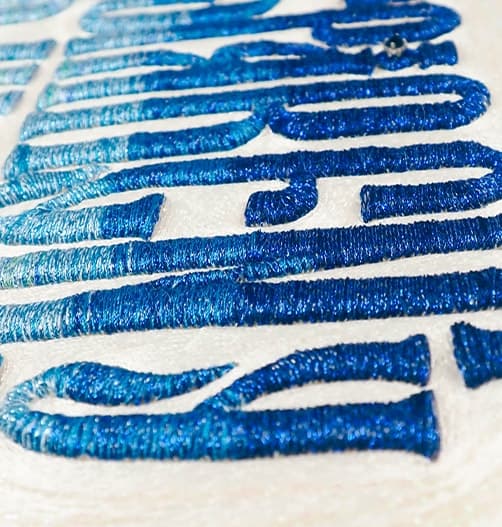
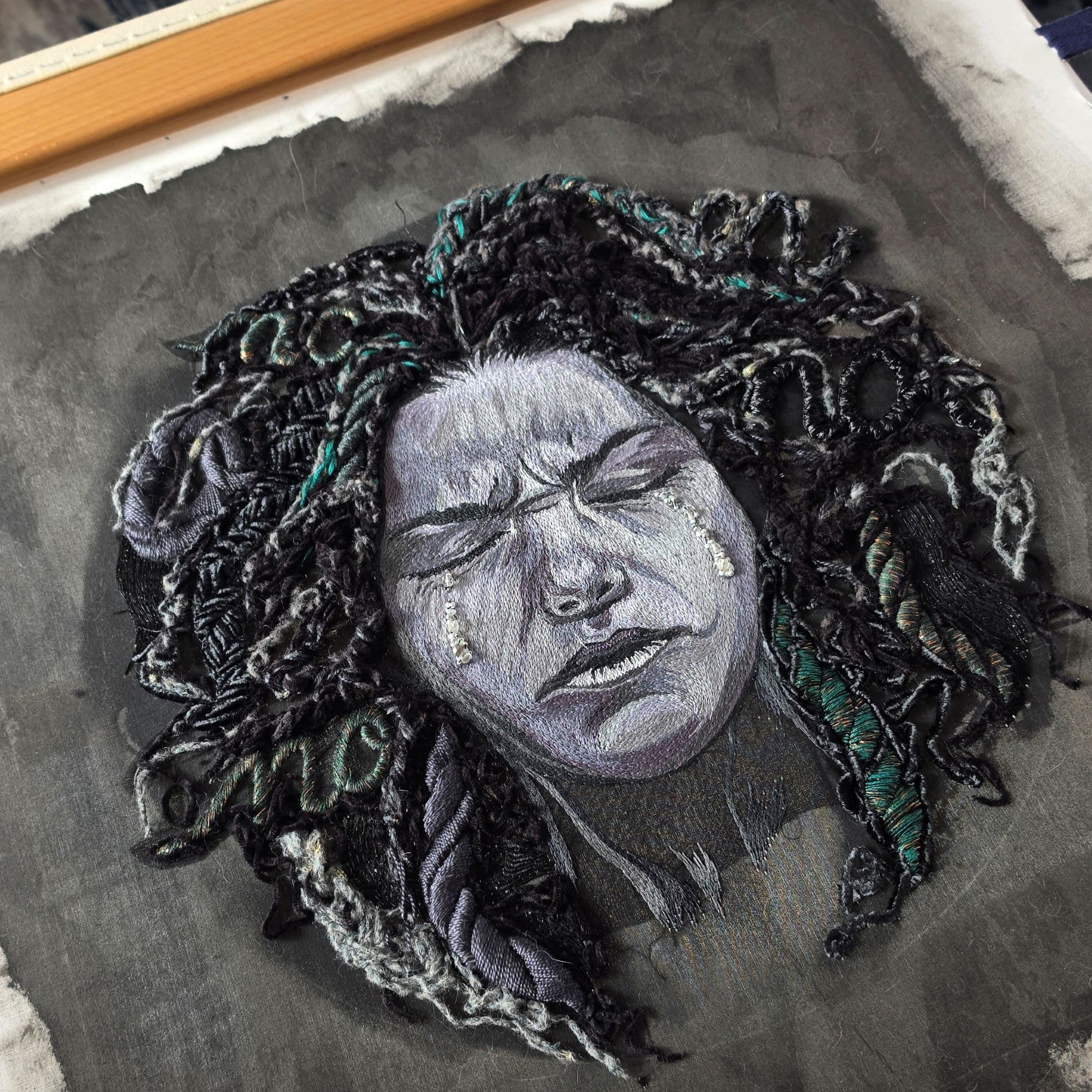
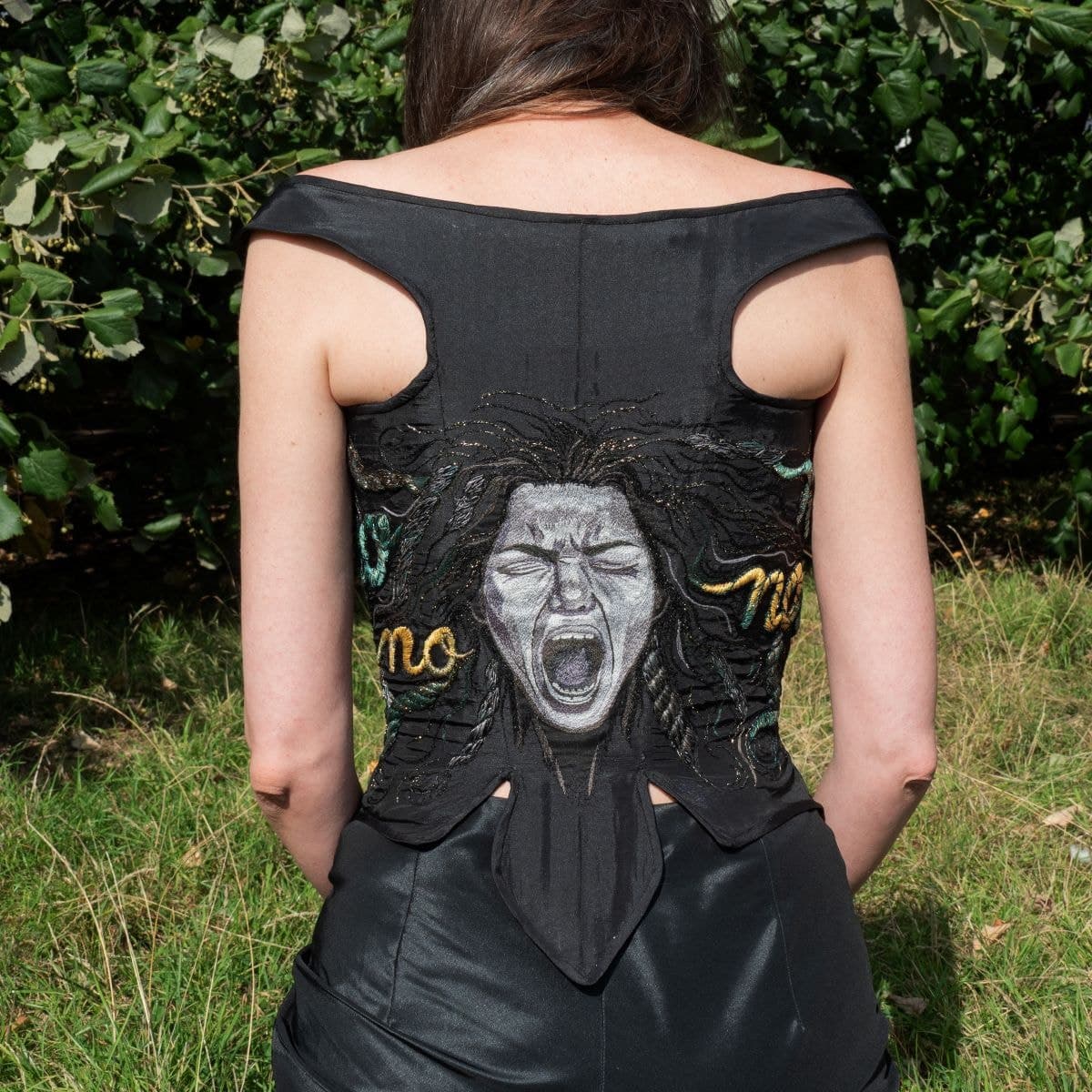
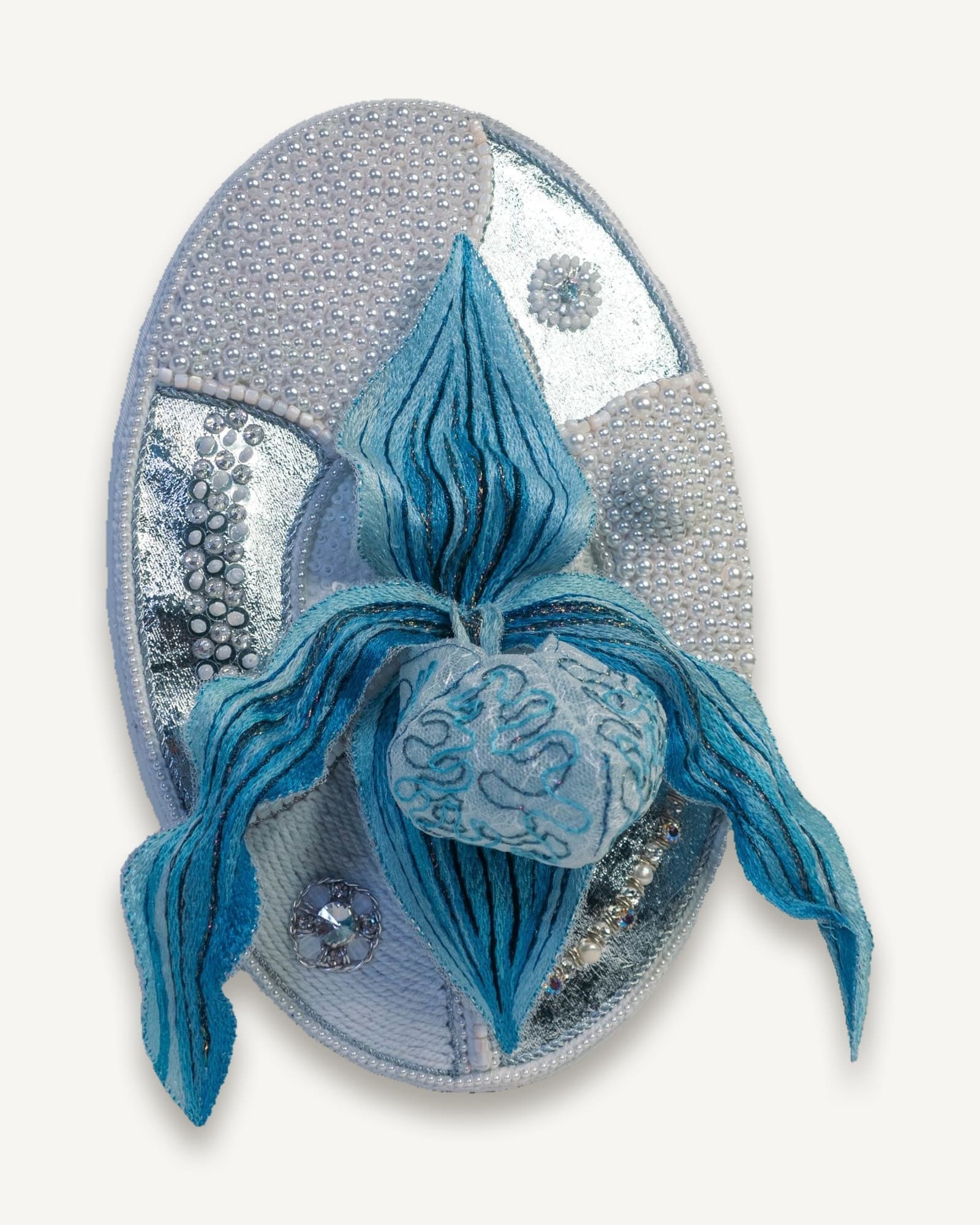
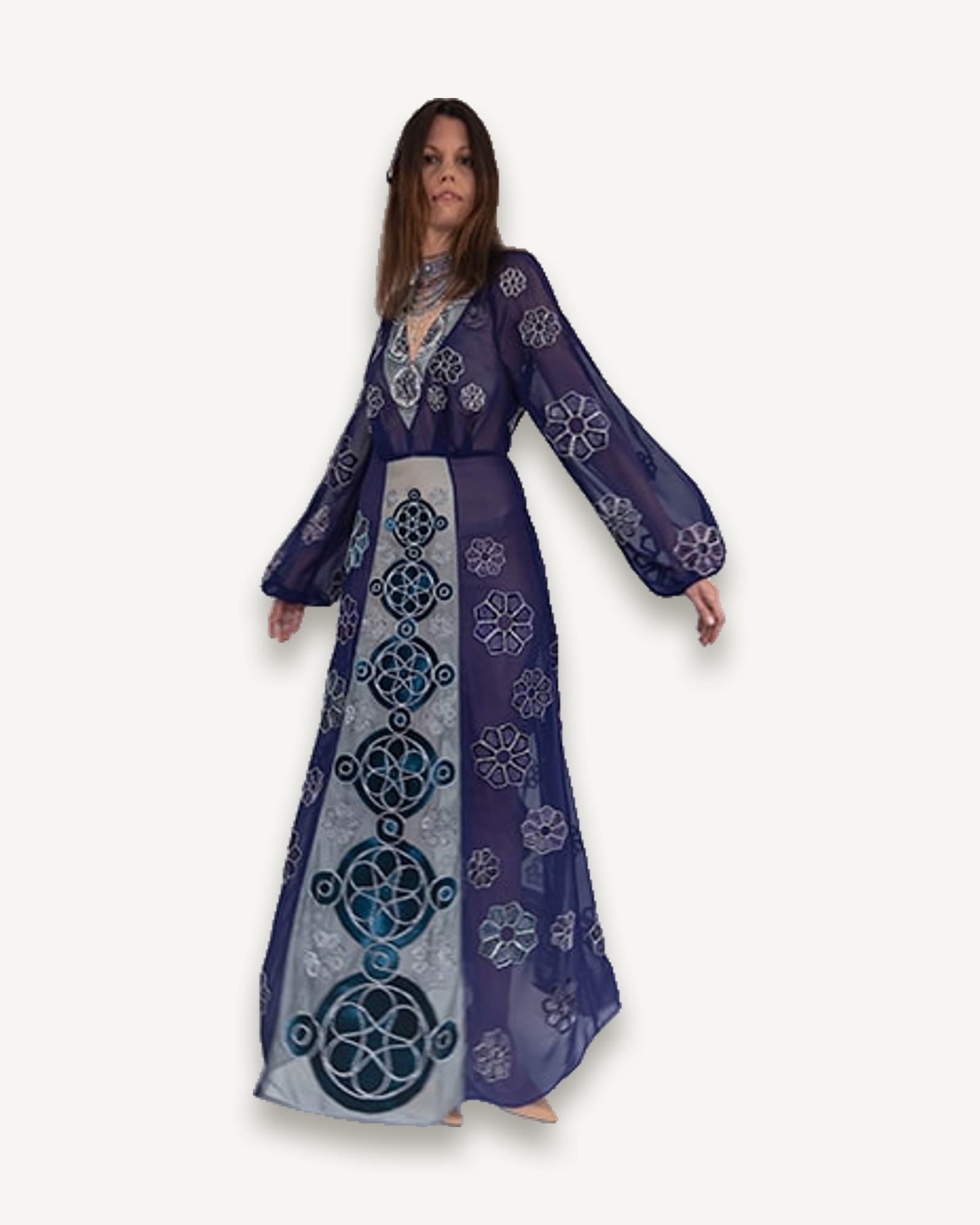
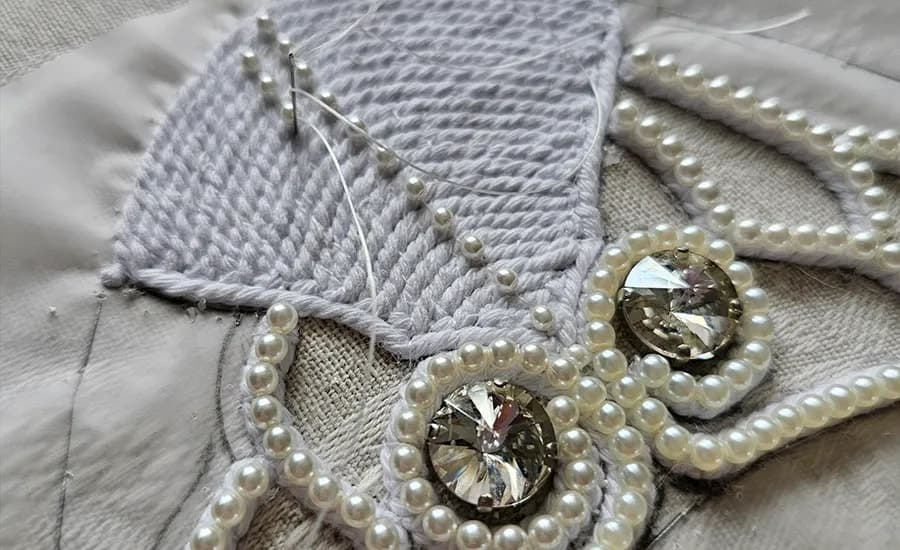
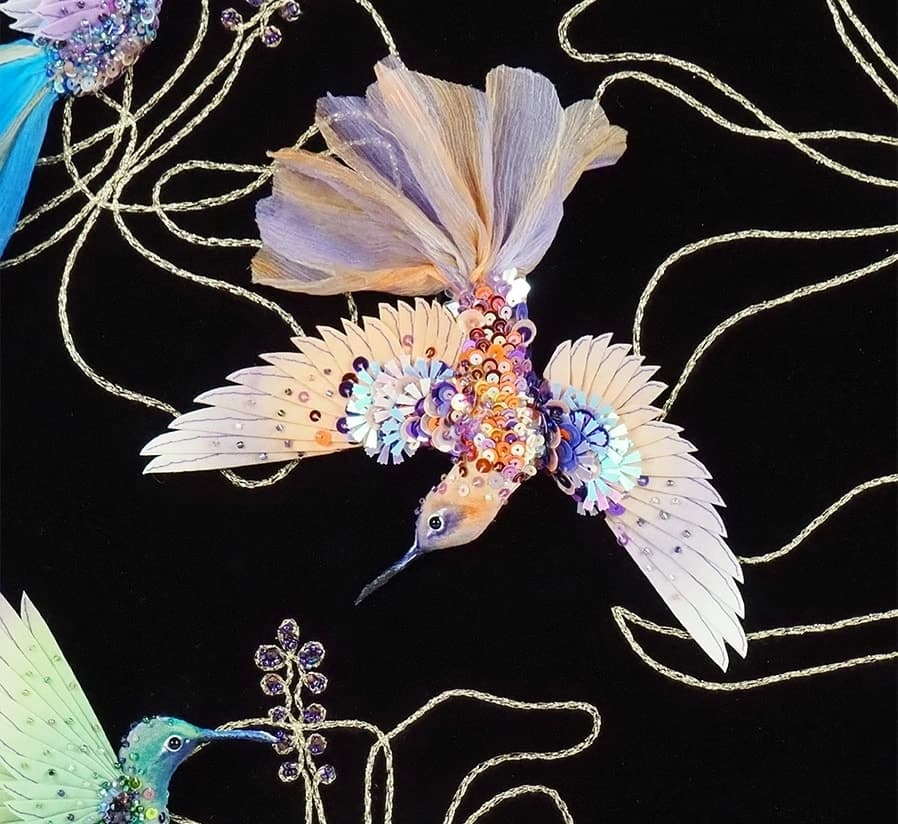
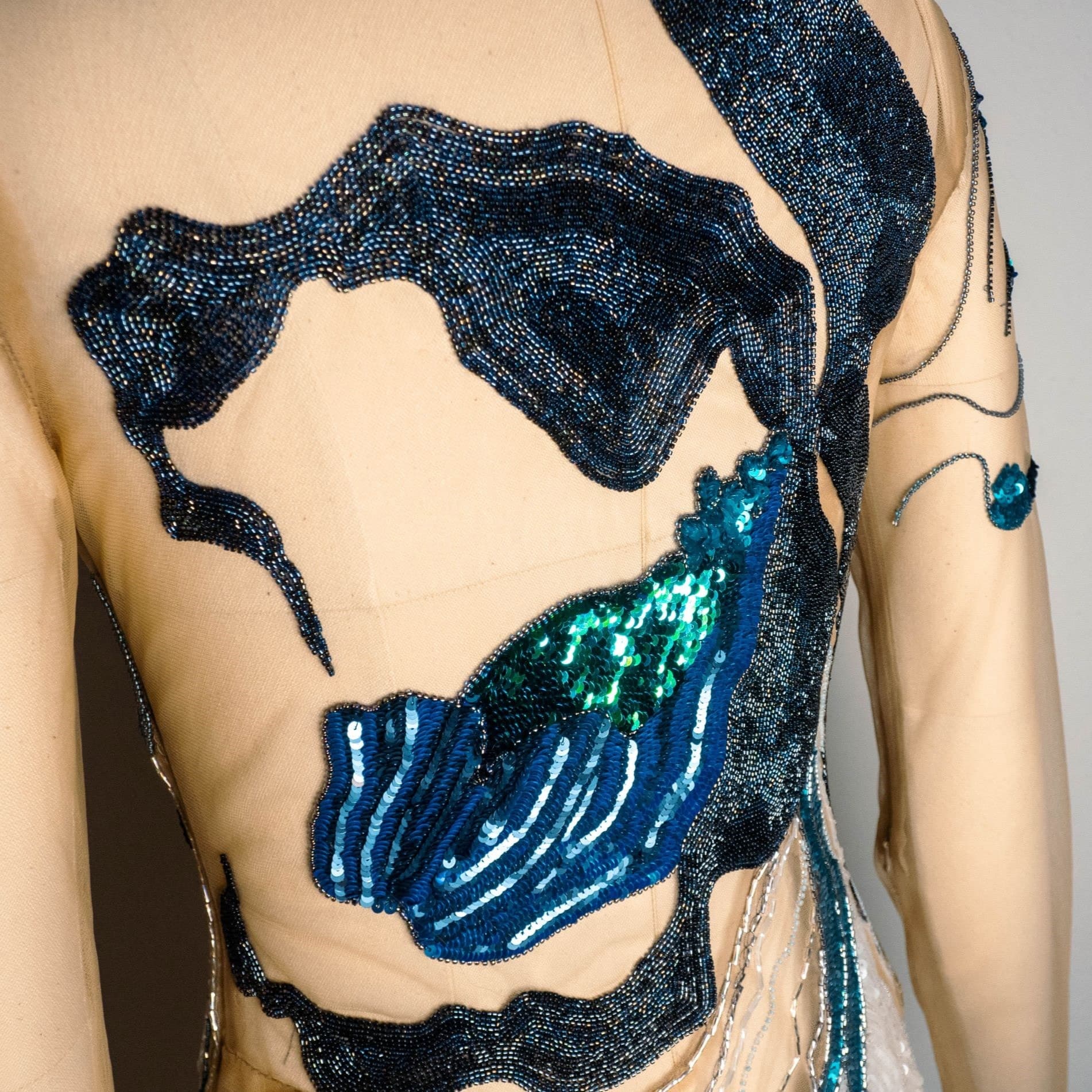
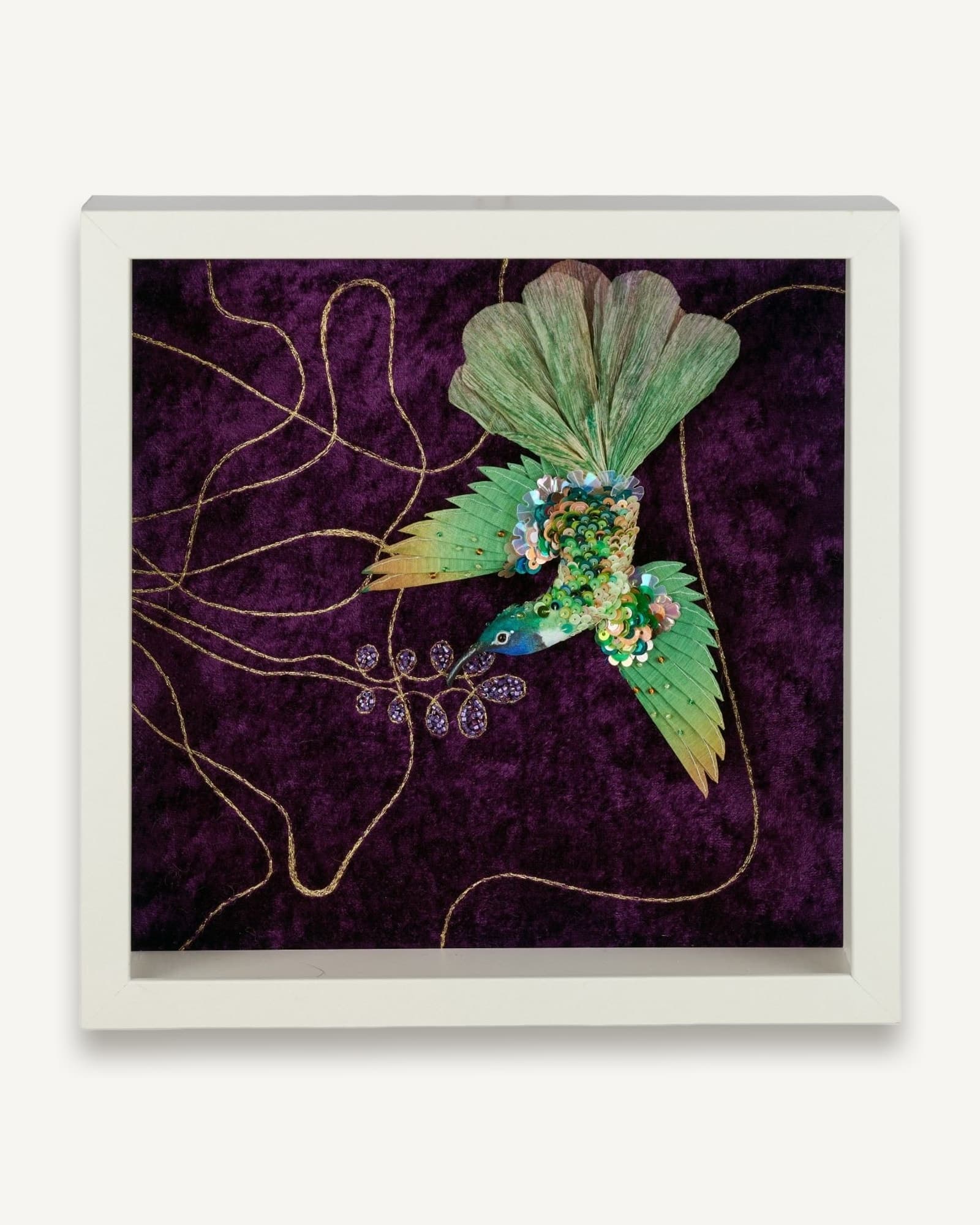
Textile birds, brooches and bridal embroidery, stitched by hand with a tambour hook in Hove. · Hove, East SussexTakes commissionsA hummingbird takes Ksenia four days. She used to sell them on the big marketplaces, next to fifty pound copies of work she prices at four hundred, and they collected saves and no sales. So she left. Craft does not sell to people who are browsing, she says. It sells to people who have been told the story first. The birds are silk and chiffon, cut and stiffened by hand, then loaded with beads across the shoulder so they catch light the way the real ones do. She works from real species rather than a general idea of a bird. In the framed version it sits on deep purple velvet and lifts out of the frame to pin to your coat. Pearls on a cord Before textiles she trained as an industrial designer, and left. A year-long couture embroidery diploma came next, then an MA at Brighton, where she went after a Russian technique called pearl setting: each pearl seated on a fine cotton cord, the cord stitched down so it disappears. Most of the knowledge went in the twentieth century, and almost no historic footwear survives to copy. So she built a pair of shoes from the base up and covered them. A veil four metres long Commissions come with a rule. She will not copy someone else's picture, so she proposes the materials, draws an original design, and tests it before it goes near the finished thing. On a wedding veil in 2025 that caution earned its keep. The Madeira threads she had planned sat too heavy on the client's tulle, so she swapped to a softer cotton floss and worked over a second, stiffer layer underneath, then cut that layer away with manicure scissors. Four metres by two point three, embroidered directly onto the veil itself. Any mistake would have been permanent. Why nobody learns it alone Lunéville, also called tambour beading, is worked with a hook from underneath the fabric, so you cannot see what your hands are doing. British terminology does not help: half the trade calls it one thing and half the other. Ksenia teaches it online, one to one, and at a tailor's shop in Pimlico. She makes up kits of pre-strung beads and sequins too, so a beginner can spend the evening stitching instead of hunting for supplies. She has shown at Ditchling Museum of Art and Craft and at the Woodlawn Needlework Show in Virginia, and won the evening wear award at the Stitch Festival in 2023.
Visit shop
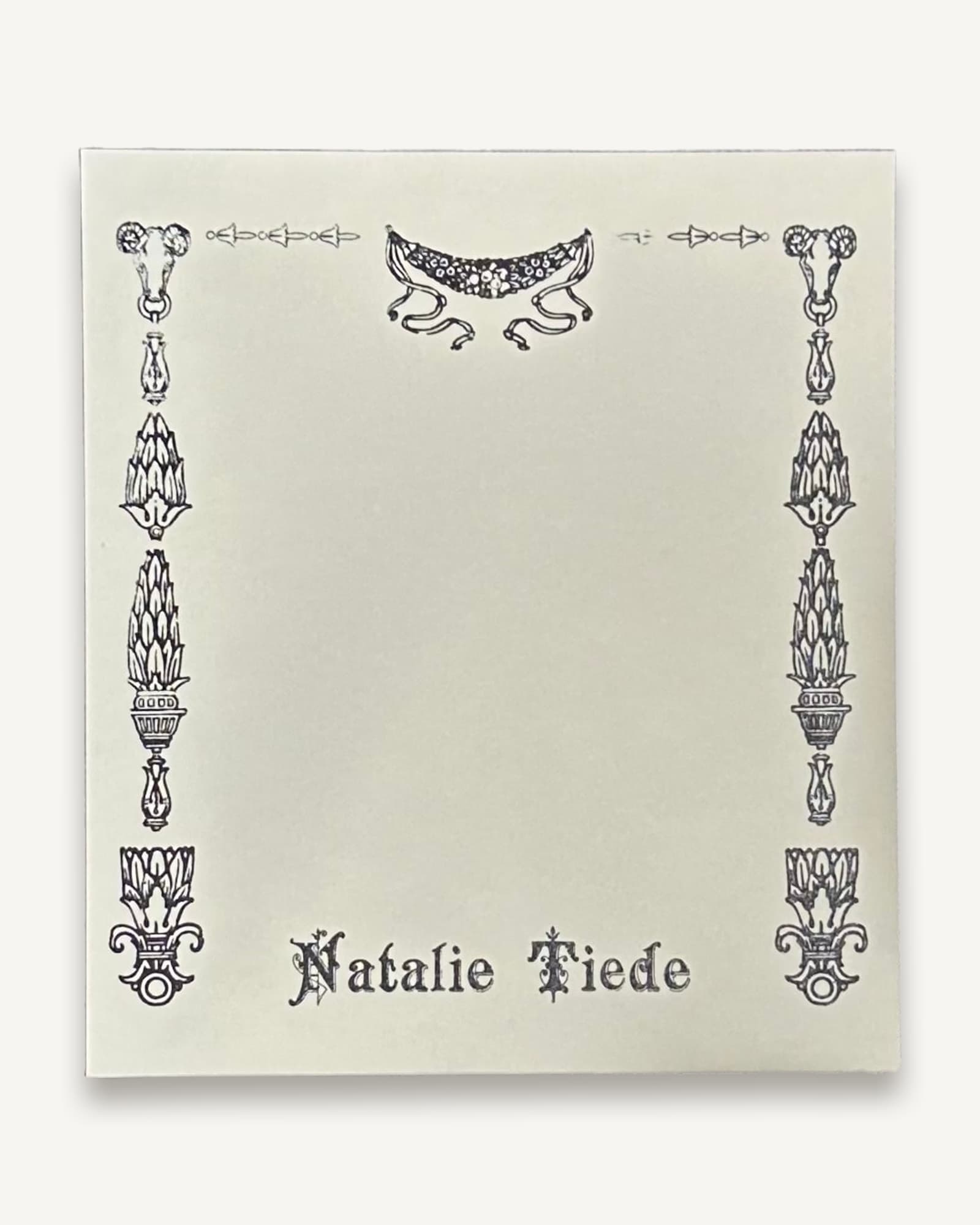
Natalie Tiede
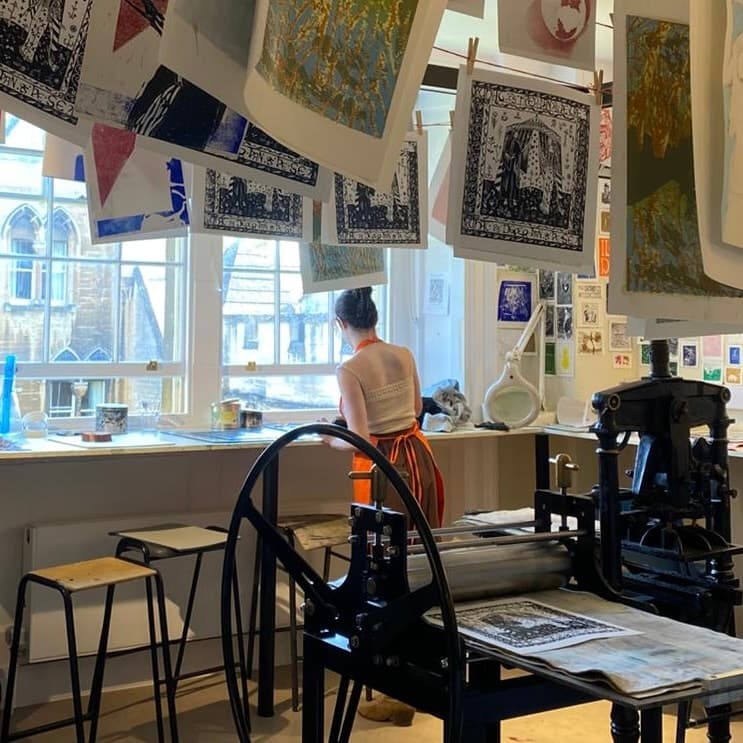
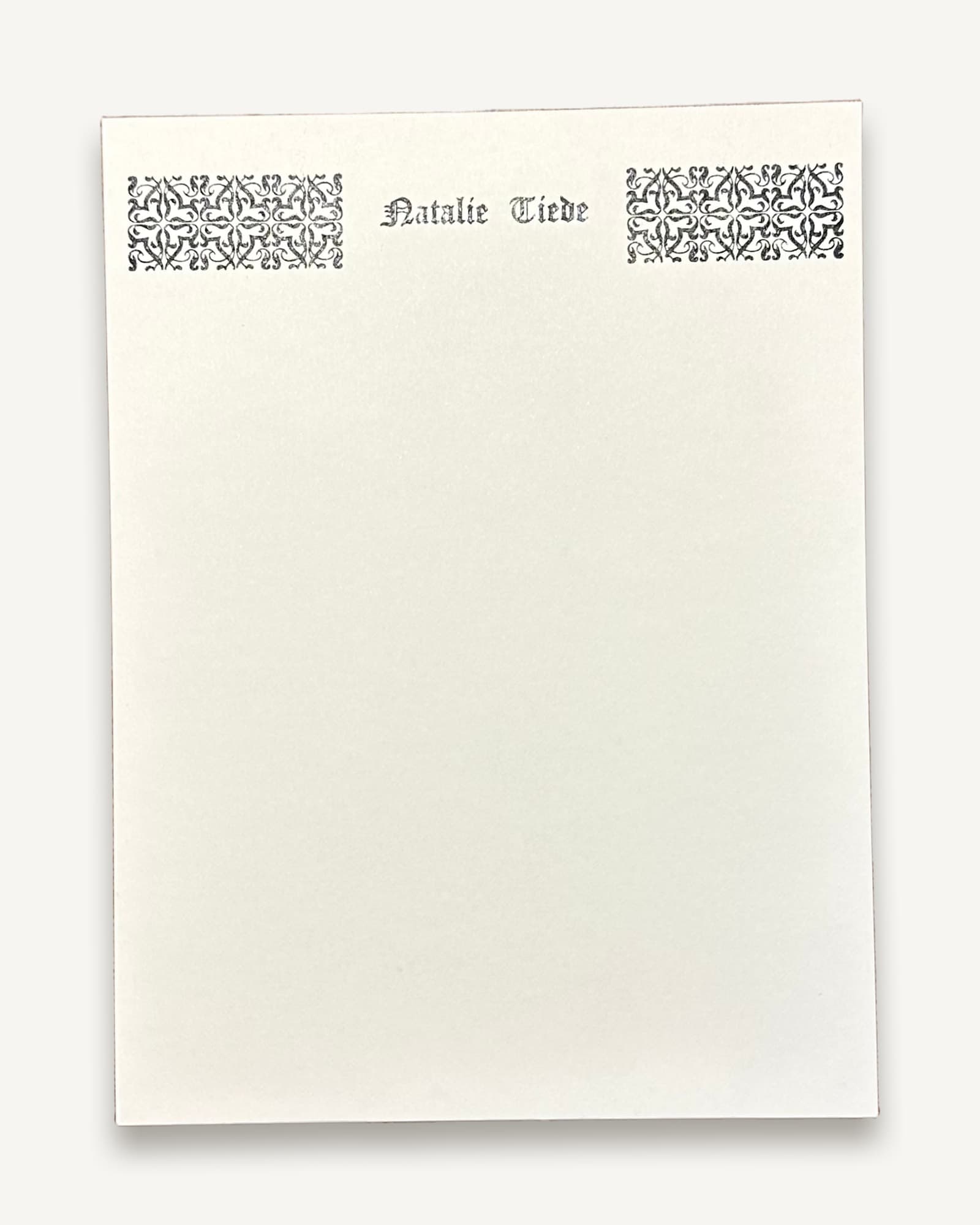
Natalie sets metal type by hand and prints chapbooks, broadsides and folk ballads on the presses at the London Centre for Book Arts. · London, UKEndangeredTakes commissionsI am a typesetter and letterpress printer, working with metal type and other forms of relief printing. As a student of medieval literature at university, I have been interested in early bookmaking practices. My work is inspired by historical print culture, especially broadside publications and cheap woodblock illustrations. My pieces are thoroughly researched, and revolve around my passion for medieval and folk literature.
Visit shop